 EN
EN


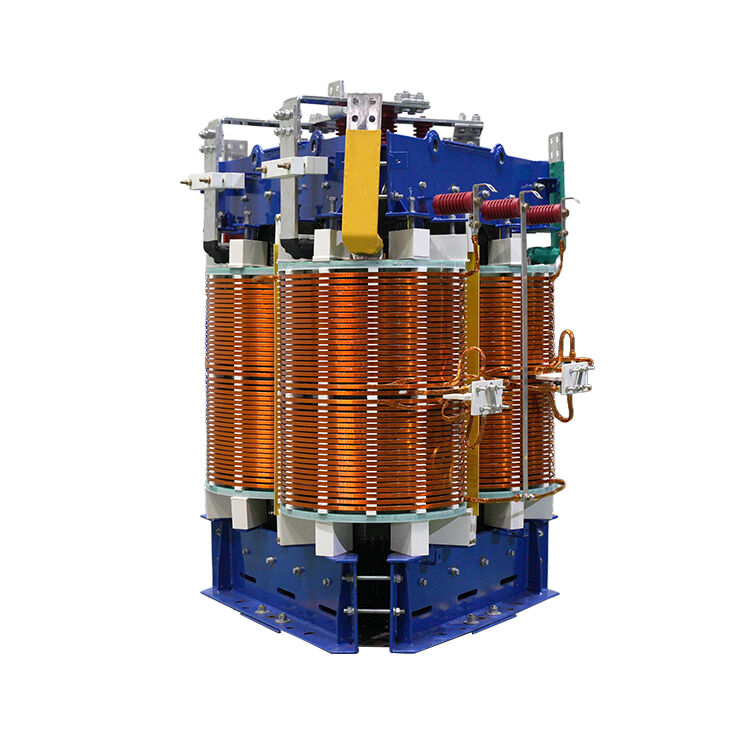
Selecting the right distribution transformer for industrial use is a critical engineering decision. A distribution transformer must handle demanding load cycles, harsh environments, and strict safety requirements that differ significantly from commercial or residential power applications. Understanding what qualifies a distribution transformer as industrially suitable helps engineers, facility managers, and procurement teams make confident, well-informed choices.
Industrial environments place unique stress on electrical infrastructure. A distribution transformer operating inside a manufacturing plant, mining facility, or heavy processing site faces continuous high loads, voltage fluctuations, mechanical vibration, and exposure to dust, moisture, or chemical contaminants. Every distribution transformer deployed in such conditions must be designed with the right combination of electrical capacity, physical resilience, and protective engineering to perform reliably over its full service life.
Core Electrical Ratings and Load Performance
Voltage and KVA Capacity for Industrial Demand
The foundation of any industrially suitable distribution transformer is its voltage rating and power capacity. Industrial facilities typically require a distribution transformer that can step down medium-voltage supply lines — commonly 10 kV or 12 kV — to usable low-voltage levels for motors, control systems, and process equipment. A distribution transformer with the correct KVA rating ensures that it can sustain full-load operation without overheating or experiencing premature insulation degradation. Undersizing a distribution transformer for an industrial site results in inefficiency, shortened service life, and potential system failure at critical moments.
Industrial loads are rarely constant. A distribution transformer must be rated to handle not only the average demand but also the peak surge currents generated by large motor startups, welding equipment, or heavy press machinery. Engineers select a distribution transformer with an appropriate overload tolerance to maintain stable power delivery during these transient spikes. The thermal capacity of a distribution transformer directly determines how well it absorbs and dissipates heat generated under variable industrial load conditions.
Efficiency and No-Load Loss Optimization
Industrial operations run continuously, making energy efficiency a significant factor in distribution transformer selection. A high-efficiency distribution transformer minimizes core losses and copper losses, reducing operating costs over thousands of hours of service. Modern industrial-grade distribution transformer units use grain-oriented silicon steel cores and precision-wound coils to achieve low no-load losses. Over a multi-year service period, the cumulative energy savings delivered by a well-engineered distribution transformer can substantially offset the initial procurement investment.
Physical Durability and Environmental Suitability
Enclosure Design and Protection Ratings
Industrial environments often expose electrical equipment to conditions that would damage standard commercial units. A distribution transformer intended for industrial deployment must carry appropriate IP protection ratings that guard against dust ingress, water exposure, and corrosive atmospheres. Outdoor industrial installations demand a distribution transformer with weatherproof enclosures and corrosion-resistant coatings. Indoor installations in processing facilities may require a distribution transformer rated for high humidity or the presence of airborne particulates that could compromise insulation integrity over time.
The mechanical robustness of a distribution transformer also matters in environments subject to vibration from heavy machinery. A well-designed industrial distribution transformer uses reinforced tank structures, secure core-and-coil mounting, and vibration-absorbing materials to prevent structural fatigue. This physical durability extends the service life of the distribution transformer and reduces the frequency of maintenance interventions that disrupt production operations.
Cooling System and Thermal Management
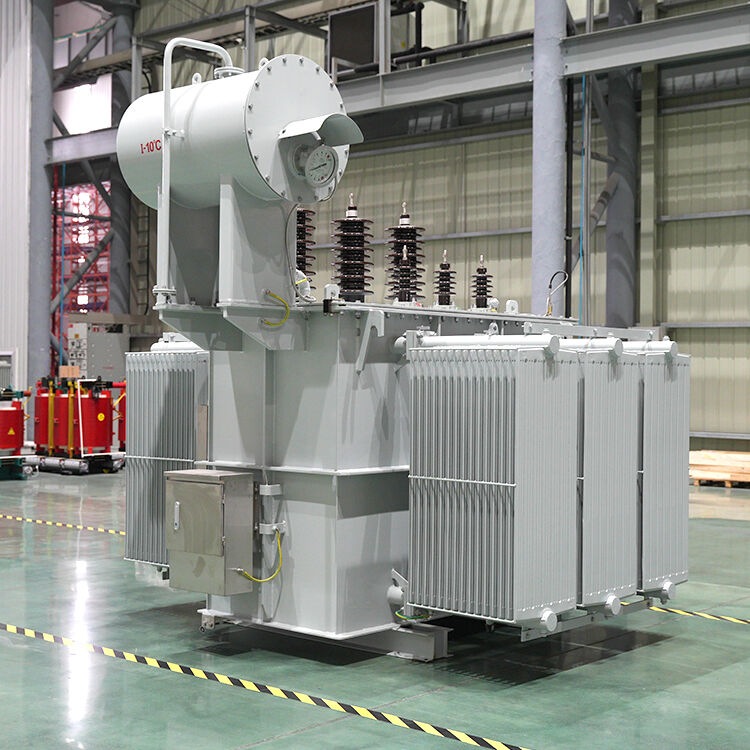
Effective thermal management is essential for any distribution transformer operating under sustained industrial loads. Oil-immersed distribution transformer designs use mineral oil or ester fluid as both a coolant and dielectric medium, providing excellent heat dissipation for high-capacity applications. Dry-type distribution transformer models offer advantages in indoor or fire-sensitive industrial locations where oil containment may be a concern. The cooling method chosen for a distribution transformer directly affects its permissible load level, ambient temperature tolerance, and long-term insulation condition.
Safety Features and Compliance Standards
Built-In Protective Devices
An industrially suitable distribution transformer must incorporate protective devices that respond to fault conditions before they escalate into equipment damage or safety hazards. Temperature monitoring systems within a distribution transformer provide real-time thermal data that enables early warning of overloading. Buchholz relays in oil-immersed distribution transformer units detect internal gas accumulation caused by insulation faults, triggering alarms or automatic disconnection. Pressure relief valves on a distribution transformer tank provide a last line of defense against catastrophic overpressure during severe fault events.
These protective features are not optional extras for an industrial distribution transformer — they are core design requirements. A distribution transformer without adequate protection exposes the facility to unplanned outages, fire risk, and costly repair or replacement scenarios. Industrial buyers must verify that a distribution transformer meets all specified protective equipment requirements before installation in critical power infrastructure.
International Standards and Certifications
Compliance with recognized international standards is a non-negotiable qualification for any distribution transformer used in industrial applications. Standards such as IEC 60076 define the testing protocols, tolerance limits, and performance benchmarks that a distribution transformer must satisfy to be considered fit for service. A certified distribution transformer provides documented assurance of design integrity, manufacturing quality, and electrical safety. Industrial procurement teams must confirm that a distribution transformer carries the appropriate certifications and has passed routine and type tests before commissioning it in a facility.
FAQ
What voltage class is typical for an industrial distribution transformer?
Most industrial sites use a distribution transformer rated for medium-voltage inputs such as 10 kV or 12 kV, stepping down to 400 V or 690 V for facility equipment. The exact voltage class of a distribution transformer depends on the local grid supply and the facility's internal power distribution design.
How does load type affect distribution transformer selection?
Inductive loads like large motors and welding equipment create high inrush currents that a distribution transformer must tolerate without voltage collapse. Selecting a distribution transformer with a sufficient KVA rating and appropriate impedance ensures stable voltage delivery across all load types present in the industrial facility.
Is a dry-type or oil-immersed distribution transformer better for factories?
The choice between a dry-type and oil-immersed distribution transformer depends on the installation environment. An oil-immersed distribution transformer offers higher capacity and superior cooling for outdoor or large-scale industrial use. A dry-type distribution transformer is preferred for indoor locations where fire safety and minimal maintenance access are priorities.