 EN
EN


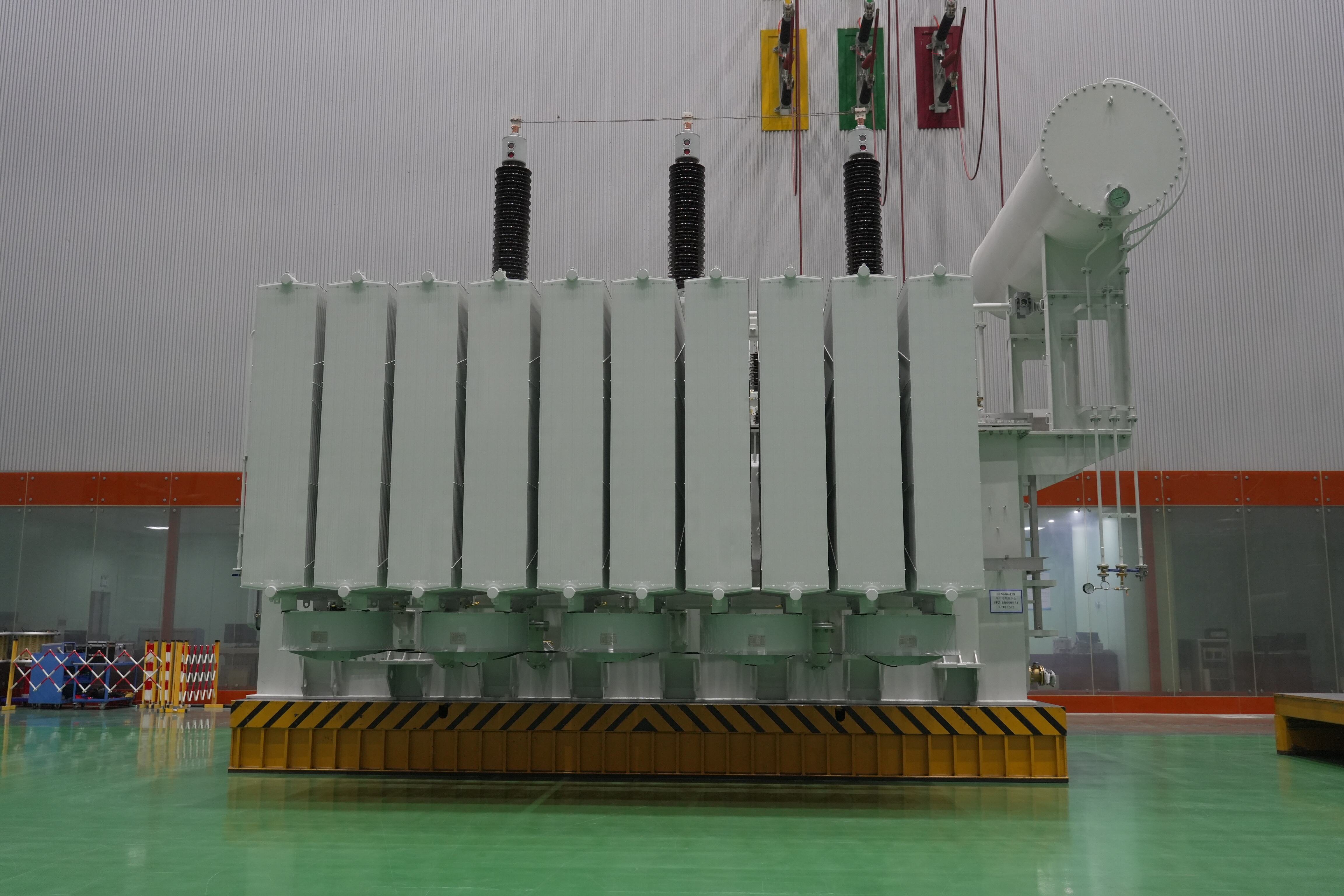
Tá tionscnaimh le leathnú an ghréidh ag léiriú infheistíochtaí criticiúla ar an n-ullmhúchán a éilíonn pláinéilint chun cuspóirí agus rogha echipméint a chinntiú go dtugaítear cumhacht sholúbtha ar lorg líonraí ag leathnú. trasformáidí Fhoirce rogha na n-equipméint dona tionscnaimh seo ag brath ar phróiseas mearbhallach iomlán a bhuaileann leis na speicifíochtaí teicniúla, na considearáis eacnamaíocha, agus na riachtanais oibre fadtéarmacha. Ní mór do inhinéirí agus bainistir tionscnamh an-tromlach a sheachaint i gcríocha cinntí casta a ghlacann le réamhaisnéis fás an lucht, athruithe ar thopailíocht an ghréidh, agus caighdeáin comhfhreagrachta rialála.
Tá an próiseas roghnaithe aistritheoirí do leathnú an ghreidh difriúil go mór ó thionscail ionadú coitianta mar gheall ar an bhfógraíocht a chaithfear a sheachaint agus ar an staidiú a chaithfear a choimeád le linn na n-éigseanna tógála. Déanann innealtóirí umghaire anailís ar iomadh scénario, lena n-áirítear réamhaisnéis ar an bhfórsa is airde, pleanáil le haghaidh cásanna éigeandála, agus comhtháthú le hinfrastuctúr reatha chun cumraíocht an aistritheora is oiriúnaí a chinneadh. Cinntíonn an cur chuige córasach seo go dtacaíonn na himbhreithní cumhachta roghnaithe le reliabiltacht an ghreidh ar fud a saol seirbhíse sula mbaineann siad úsáid as agus go dtugann siad cumas leis an líonra a fhorbairt go leanúnach.
Anailís Luchta agus Pleanáil Cumais
Modhanna Réamhaisnéise Iarratais
Tugann réamhaisnéis cruinn ar an bhfuacht a chuirtear ar an líonra bunús do rogha trasfhoirméirí cumhachta le haghaidh tionscail leathnú an líonra. Úsáideann na hinnealtóirí sonraí stairiúla maidir le comhshaol, treidhmhisí daonlathachta, agus taispeántóirí forbairtí eacnamaíocha chun an iarratas leictreach tosaigh a réamhaisnéis i dtimpeallacht an fhorbairt a chuirtear ar an líonra. De ghnáth, tá na réamhaisnéis seo le feiceáil ar thart ar 20–30 bliain chun dul i gcionn le sreabhán beatha na trasfhoirméirí, ag cur isteach éagsúla scéalta fás a mheasann forbairt thionsclaí, leathnú na n-áitíochtaí do bhaile, agus athruithe sa ghníomhaíocht thrádála.
Baineann an próiseas réamhaisnéiseanna úsáid as anailís ar athruithe saithrithe, ar chur i mbun lárchúrsaí laethúla, agus ar phatrúin iarratais thoirmeascach chun riachtanais bunúsacha a shocrú do thransfhoirméirí cumhachta. Cuireann bogearraí modhálaithe casta sonraí aistriúcháin, taispeántóirí eacnamaíocha, agus faisnéis faoi phleanáil úsáide an talaimh isteach chun tuairiscí iarratais a fheabhsú. Caithfidh na hinnealtóirí freisin machnamh a dhéanamh ar thionchar gheinearáil mhionroinnte, ar chláranna éifeachta fuinnimh, agus ar threndanna leictreofaíochta ar chineál iarratais an todhchaí nuair a roghnóidh siad toirt thransfhoirméirí cumhachta do theachtaí leathnú an ghreidh.
Riachtanais Toirt Thoirmeascach
Baineann anailís an toirmeisc uasta úsáid as na riachtanais ísealtoirt do thransfhoirméirí cumhachta i dtionscnaimh leathnú an ghreidh. Ríomhann na hinnealtóirí luachanna iarratais thoirmeascacha ag baint úsáide as factóirí comhthitim a mheastar chun éagsúlacht i bpatrúin úsáide na gcustaiméirí ar fud an réigiún seirbhíse leathnaithe. Tugann anailís seo faoi deara ní amháin an iarratas toirmeascach coitianta ach freisin an t-am a dtarlaíonn na toirmeisc chun a chinntiú go mbeidh na transfoirméirí cumhachta in ann iarratas uasta a láimhseáil ag an am céanna.
Cuireann pleanáil na cumais margaí éigeandála isteach a chuireann sé go bhfuil sé in ann trasfhoirmigh cumhachta oibriú go slán i dtreo na dtíortha éigeandála agus nuair a bhíonn ionstraimí as oibre. Teastaíonn caighdeáin dearadh coitianta go bhfuil sé in ann trasfhoirmigh cumhachta an t-iasacht a láimhseáil ag 120% go 150% den t-iasacht thoirbheach tosaigh gan teorainn théirmiceach a tharla, agus cinntíonn an cumas breise seo staidiúlacht an ghréidh le linn tréimhsí cothabhála agus cuireann sé spás breise ar fáil do fhorbairt an iasachta thar na hionsaithe tosaigh.
Achoimre ar Fhorbairt an Iasachta
Ní mór do thionscadail leathnú an ghréidh an dá cheann de na riachtanais chonasc láithreach agus an forbairt iasachta atá súil leis le linn saol seirbhíse an trasfhoirmigh a áireamh. Dearann na hinnealtóirí suiteáilí trasfhoirmigh cumhachta le comhéadan leathnú modúil a cheadaíonn aonad breise nó luasú na cumais mar a éiríonn an iarratas níos airde. Tugann an cur chuige seo seo laghdú ar an mbun-investeas capaileachta agus cinntíonn sé go mbeidh an cumas oiriúnach ar fáil don ghnáthriachtanas amach anseo.
I measc straitéis chun fás an lucht a áireamh tá rogha trasnaimh cumhachta le ranganna voltas airde a úsáid, a d’fhéadfadh a bheith i bhfeidhm ag rátaí laghdaithe ar dtús, agus ansin a úsáid go hiomlán mar a éiríonn an iarratas níos airde. Is minic a thagann dearadh na gceantar leictreachais le spás agus le bunfhorbairt don trasnaimh cumhachta breise a shuiteáil in aice leis na haonaid reatha. Cinntíonn na cur chuige pléisiúla seo go mbeidh sé in ann toisc le leathnú an ghreid a chur in oiriúint le coinníollacha an lucht atá ag athrú gan gá le hionadú iomlán na mbunfhorbairtí.
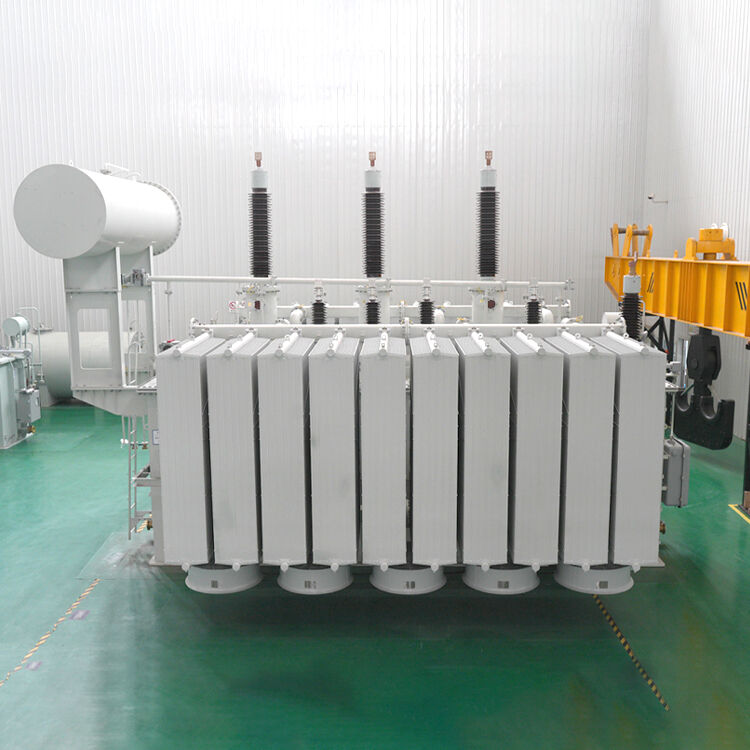
Sonraí Teicniúla agus Integriú an Ghreid
Rogha Rang Voltas
Tá roghnú rang an t-ionsáin le haghaidh trasfhoirméirí cumhachta i gceapairí leathnú na líne cumhachta ag brath ar chumraíocht an chórais líne cumhachta agus ar riachtanais an cheangail. Déanann na hinnealtóirí anailís ar leibhéil an t-ionsáin atá ann cheana agus a chinntiú na cothrachtaí trasfhoirmiúcháin oiriúnacha a chaomhnóidh comhoiriúnacht an chórais agus a riarfaidh éifeachtúlacht aistriú na cumhachta. I measc na gcomhcheangal ionsáin coitianta le haghaidh leathnú na líne cumhachta tá 138kV/69kV, 230kV/138kV, agus 345kV/138kV, ag brath ar chaighdeáin réigiúnacha an líne cumhachta.
Tugtar faoi deara i bhproiseas an roghnú na riachtanais ionsáin phrímireacha agus taraigeacha chun a chinntiú go mbeidh an comhtháthú gan aon bhris le hinsean-ullmhúcháin. Trasformáidí Fhoirce ní mór an rialú ionsáin a chaomhnú laistigh de theorainneacha glactha ar fud na n-ionsáin éagsúla agus ní mór neart gearrchoirte oiriúnach a sholáthar chun coordiúnaíochta cosaint an chórais. Tá tionchar freisin ag cinntí faoin rang ionsáin ar mhéid fisiciúil an trasfhoirméara, ar riachtanais aistriúcháin, agus ar chastaíocht an úinsithe.
Mearaí agus Mearaí Gearrchoirte
Tá na gnéithe a bhaineann le heagarthacht na dtiomáinéir cumhachta tionchar mór ar shuíomhacht an ghreid agus ar leibhéil reoircuirt i gceapairí le haghaidh leathnú. Ríomhann na hinnealtóirí luachanna eagarthachta an chórais chun a chinntiú go dtugann na dtiomáinéir nua cumhachta tacaíocht cheart do reoircuirt gan rátálacha an bhriseanna ceangail a tharla, ná comhchoimeádadh cosúil leis an gcoimeádadh a dhéanann an córas cosanta a bheith ina aghaidh. Ní mór an t-echtarthacht a roghnú don thiomáinéir a chothromú idir teorainnú reoircuirt agus feidhmíocht rialaithe voltáiste.
Bainimís anailís reoircuirt chun na riachtanais maidir le stres meicniúil agus teasa a chinntiú don tiomáinéir cumhachta i dtreo na dtionscnaimh reoircuirt. Is minic a mhéadaíonn na ceapairí le haghaidh leathnú an reoircuirt atá ar fáil ag pointí ceangail, rud a éilíonn tiomáinéirí cumhachta le cumas níos fearr chun reoircuirt a sheasamh. Sainmhíníonn na hinnealtóirí luachanna eagarthachta oiriúnacha agus dearadh coileanna a bheidh in ann an t-ábhar breise reoircuirt a sheasamh agus an t-oibriú oiriúnach a chaomhnú ar fud an tsaoil seirbhíse den tiomáinéir.
Riachtanais an Chórais Fhuaraithe
Tugann rogha an chóras fuaraithe do thransfurmair cumhachta i gcarthan leathnú an ghreidh faoi deara na coinníollacha timpeallach, na gnéithe luchtaithe, agus na riachtanais um úsáid. Meastar an t-aghaidh nádúrtha, an t-aghaidh a dhéantar go hiomlán, agus córais sreabhadh na hoile le haghaidh an transfrmair de réir a rátála agus a chomhtháite. Is minic a éilíonn transfrmair cumhachta móra córais fuaraithe a dhéantar go hiomlán chun teochta oibriúcháin iad a choimeád faoi chúinsí luchtaithe iomlána.
Tá factóirí timpeallach lena n-áirítear airde, raonta teochta timpeallach, agus leibhéil an fhuarais ag tiontú ar dheasú an chórais fuaraithe do thransfurmair cumhachta i gcarthan leathnú an ghreidh. D’fhéadfadh suíomhanna i dtreoimhí a bheith níos fearr le córais fuaraithe simplí le riachtanais íseal um úsáid, agus d’fhéadfadh suíomhanna sa chathair a bheith níos beacht ar oibriú gan bualadh. Tá tionchar ar úsáid an chórais fuaraithe ar éifeachtúlacht an transfrmair, ar thréimhsí úsáide, agus ar chostais iomlána an tsaoil.
Machtnaíocht agus Mionsonraí an Ghluaiseachta
Optamú le haghaidh Costais Thosaigh
Tá anailís costais an phríoireachta ar thiontaitheoirí cumhachta i gceapanna leathnú na líne gréine ag brath ar chomparáil iolrach moltaí ó sholáthraithe, ag meastar an costas iomlán suiteála lena n-áirítear an t-iascú, obair an bhunais, agus costais an fhóntais. Déanann innealtóirí modhail chostais mhionsonraithe a ghlacann leis an gcostas cheannaigh ar an dtiontaitheoir, an t-equipéad taobh istigh, an t-ábhar oibre suiteála, agus tionchar ar an scéim ama an tionsaí. Ligeann an cur chuige cuimsitheach seo cinnte go mbeidh comparáidí cruinn chostais idir roghanna éagsúla de thiontaitheoirí cumhachta.
Tá straitéisí optamúcháin chostais ina measc an t-iondúinteacht a chur ar shonraí thiontaitheoirí cumhachta ar fud iolrach fo-shuíomhanna chun buntáistí príosanna toirmeasc a bhaint amach agus an riachtanas le hainní i mbearna a laghdú. Is minic a dhéanann úsáideoirí gréine comhaontuithe freimniúla le fabhracóirí thiontaitheoirí a sholáthraíonn príosanna réasúnta do chláranna leathnú iarmhairteacha. Cabhraíonn na cur chuige procúra seo le costais a rialú ag an am a chaomhnóidh sé caighdeáin chualaithe de cháil don suiteáil thiontaitheoirí cumhachta.
Anailís Costas Saol
Cuimsíonn an mheas ar chostas an tsaoil-thaobh thar an saol úsáideach an t-ionspiorad tosaigh, na costais oibriúcháin agus na costais cothabhála thar an tréimhse roghnaithe úsáideach a bheidh ag trasfhoirmeoirí cumhachta i gceapanna le haghaidh leathnú an ghreid. Cuimsíonn anailís seo caillteanais an fhuinnimh, cothabháil dhéantaí, athsholáthair mhóra agus costais an ionannais deireanach chun an rogha is éifeachtaí de thrasfhoirmeoirí cumhachta a chinneadh. D’fhéadfadh trasfhoirmeoirí cumhachta níos éifeachtaí a bheith in ann an prís ceannach airde a shuíomh trí chostais oibriúcháin íosaithe.
Tagann meascán costais chothabhála i gcuntas le héagsúlacht rochtana, le fáilteacht na bpáirteanna briste agus le riachtanais an tseirbhíse speisialta do dheiseanna éagsúla trasfhoirmeoirí cumhachta. D’fhéadfadh suíomhanna i dtreo thall a bheith ina rogha is fearr do thrasfhoirmeoirí le tréimhsí cothabhála faoi mhéadú agus le próisis seirbhíse simplí chun costais oibriúcháin a laghdú go minic. Cabhraíonn anailís an tsaoil-thaobh le heagraíochtaí soláthair le cinntí eolach a dhéanamh a ollmhéadaíonn an buntáistí eacnamaíochta thar an am fadtéarmach agus a chaomhnóidh reliabiltacht an chórais.
Comhordú Am Cuir
Cumhachtann co-ordú na fréamhe ama soláthair go mbíonn trasfhoirméirí cumhachta ag teacht ar shuíomhanna an tionscail de réir schéimleanna an tógála agus go mbíonn sé in ann tréimhsí réamhghníomhaíochta na monaróireachta a mheaithe, a d’fhéadfadh a bheith idir 12 agus 18 mí do aonaid mhóra. ionad Fóirtigh co-ordúnaíonn bainistírí an tionscail ordúcháin na trasfhoirméirí le dul chun cinn an tógála chun riachtanais stórála a laghdú agus rioscaí a bhaineann le haghaidh an aimsire a sheachaint. Cabhraíonn cinntí luath i dtarchur le cumhacht a shábháil sa monaróireacht agus cuireann siad bac ar chuirrteanna an tionscail.
Má thagann san áireamh co-ordú monaróireachta an cumas fabhraca, an fáilíocht ar ábhair, agus na riachtanais uisce a thagann i gceist le fréamh ama soláthair trasfhoirméirí cumhachta. Go minic, tá roinnt trasfhoirméirí le speisialtóirí cosúil le chéile riachtanach i dtionscail leathnú an ghreid, ag cruthú deiseanna do chóiriú monaróireachta agus fréamh ama soláthair. Cinntíonn bainistíocht éifeachtach na fréamhe ama go mbíonn gníomhartha an chonair chriticiúil ar an scéimle céanna agus go mbíonn caighdeáin na cáil i gcumhacht ar fud an phróisis tarchur.
Comhlíon Rialachán agus Comhshaoil
Anailís Tiormhaisc Ar Ais Athuill
Tá an fhorlíonadh comhtháiteach don timpeallacht do thiomáinéirí cumhachta i gceapairí leathnú na líne gréine ag lorg rialachán ar choinneáil na ndearáin, ar shiolrú fuaimi, agus ar thaispeántas amhairc a bhunaigh na hórgáin rialála. Dearaíonn na hinnealtóirí córas coimeádta a chuireann bac ar shiolrú dearáin an t-iomáinéara ó thagailt le huisce an talaimh nó leabaidh uisce ar aghaidh i dtuilleamaí oibre agus i gcásanna éigeandála. Tá na córais seo ina measc le struchtúir choinneála dara céime, scarthóirí dearáin-uisci, agus próisíodúirí freastalaíochta éigeandála.
Cinntíonn tomhaltáin smachtaithe ar an bhfuaim go mbaintear le riachtanais áitiúla leibhéal fuaim agus go mbaintear úsáid éifeachtach as an tiomáinéir cumhachta. D’fhéadfadh ceapairí leathnú na líne gréine i limistéir chathracha nó cónaitheach a bheith ag teastáil ó dhearbhuithe speisialta ar thiomáinéirí cumhachta íseal-fhuaim nó ar bharrairí acustacha chun comhtháiteach a bhaint amach. Tá na hairmchurtaí timpeallachta ag breathnú freisin ar leibhéil réimse leictreomhagnatach agus ar riachtanais scála amhairc a thagann i gceist nuair a roghnaítear an tiomáinéir agus nuair a dhéantar an t-earráin iomláin.
Slándáil agus Comhlachtú le Cód
Déanann comhlíon slándála cinntiú go bhfuil suiteáin trasfhoirméirí cumhachta ag freastal ar rialacháin leictreachais náisiúnta, ar chaighdeáin an tionscail, agus ar riachtanais shláintí agus slándála na gcomhlachtaí leictreachais. Sainíonn na hinnealtóirí fánaíochtaí oiriúnacha, córais talamhúcháin, agus ionstraimí cosanta a sholáthraíonn coinníollacha oiriúnacha sláinte agus slándála do phersónal an t-ullmhúcháin. Ní mór go mbeidh gnéithe slándála leabaithe isteach i dtionscnaimh le haghaidh leathnú an ghreidh, lena n-áirítear cumas d'fhágáil/liostú, cosaint in aghaidh scintilte arc, agus córais dúnta éigeandála.
Tá vérifiú comhlíonta leis na rialacháin áirithe san áireamh, lena n-áirítear triail sa bhfoirgneamh, inspéacht ar an suíomh, agus próisis cuir i bhfeidhm a léiríonn go bhfuil trasfhoirméirí cumhachta ag freastal ar na critéirí feidhme a shainíodh. D’fhéadfadh ceadúcháin rialúcháin a bheith ina theastaí ó thriúr páirtí a thriail agus a dhiabhúil don ghnáthchuid nó don úsáid ar leith de thrasfhoirméirí. Déanann doiciméadú iomlán cinntiú go bhfuil tionscnamh leathnú an ghreidh ag fulfillt uile na rialacháin agus na caighdeáin atá i bhfeidhm ar fud an tsaoil seirbhíse den ionstraim.
Ceisteanna Coitianta
Cén fhadhbanna a chinntíonn an méid is oiriúnaí trasfhoirméirí cumhachta do thionscnaimh leathnú an ghreidh?
Tá an méid is oiriúnaí de thraensthoramhanna cumhachta do thionscail leathnú na líne umhla ar riachtanais an lucht uasta is airde a bhfuil tuairiscithe ar, ar fás an lucht a bhfuil tuairiscithe ar thar an tréimhse seirbhíse an traensthoramh, agus ar chritéirí ionadaithe an chórais. Déanann inreachtóirí anailís ar thuarascáilí iarratais 20-30 bliain agus iad ag cur leithscéal maraon le 120-150% den lucht uasta a bhfuil tuairiscithe ar. Ní mór an rogha a chothromú idir costais thosaigh an phróifil agus an ábhar chun leathnú amach anall a sheachaint gan an traensthoramh a athsholáthar roimh aimsir.
Conas a láimhseáin tionscail leathnú na líne trasfóiréadóir Fuaime amanna ceannach?
Baineadh úsáid as ordú luath chun amanna ceannach traensthoramhanna cumhachta a bheith faoi smacht i dtionscail leathnú na líne, go minic 12-18 mí roimh dhátaí an t-insteallaithe atá riachtanach. Co-ordónaíonn bainistir an tionscail scéimeanna monarcais an traensthoramh le haimsir an t-insteallaithe i mbunachar an chórais chun co-ordú an t-ioncaim a oiriúnú. Cabhraíonn comhaontuithe freáma le monarcais le cumhacht monarcais a shábháil, agus is féidir amanna ceannach a laghdú trí orduithe toirmiscthe mar gur úsáideann sé speicifíochtaí caighdeánacha ar thrí nó níos mó tionscail.
Cén ról a imíonn anailís reatha míbhuan i rogha trasfhoirmithe cumhachta do leathnú an ghreid?
Tugann anailís reatha míbhuan na riachtanais coscaíochta do ghortaí gearr do thrasfhoirmithe cumhachta i dtionscnamh leathnaithe an ghreid a shainiú trí úsáid a bhaint as an reathmhéad is airde atá ar fáil ag pointí ceangail. Cinntíonn anailís seo go mbeidh na trasfhoirmithe roghnaithe in ann na díobháilteachtaí míbhuan a ardú a chruthaítear ag leathnú an ghreid a láimhseáil, agus go mbíonn carachtair inmheánacha oiriúnacha ann chun rialú an phiontais a chinntiú. Tá tionchar ar rogha an impéid trasfhoirmithe agus ar na riachtanais maidir le dearadh meicniúil.
Conas a thagann rialacháin timpeallachta i gceist le rogha trasfhoirmithe cumhachta i dtionscnamh leathnaithe an ghreid?
Tá rialacháin chomhshaoil ag tiontú rogha trasfhoirméirí cumhachta trí riachtanais do chóras coimeádail ola, tríd an gceadú le hionadú leibhéal gutha, agus tríd an mbeagú ar thionchar radharcach. Ní mór do thionscadail le leathnú an ghreidh a bheith ag úsáid struchtúr coimeádail dara céime chun spilláin ola a sheachaint, agus d’fhéadfadh sé go mbeadh deiseanna trasfhoirméirí íseal-gutha ag teastáil i limistéir mhórchathracha. Tugann an méid a mheasann an comhshaoil freisin faoi leibhéil réimse leictreamaighnéadach, agus d’fhéadfadh sé go mbeadh riachtanais speisialta le scála nó le fánaíocht a theastaíonn ón trasfhoirméir, rud a thiontúchann na speicifíochtaí ar an trasfhoirméir agus ar an t-earra-ghreidh.
Ábhar Clár
- Anailís Luchta agus Pleanáil Cumais
- Sonraí Teicniúla agus Integriú an Ghreid
- Machtnaíocht agus Mionsonraí an Ghluaiseachta
- Comhlíon Rialachán agus Comhshaoil
-
Ceisteanna Coitianta
- Cén fhadhbanna a chinntíonn an méid is oiriúnaí trasfhoirméirí cumhachta do thionscnaimh leathnú an ghreidh?
- Conas a láimhseáin tionscail leathnú na líne trasfóiréadóir Fuaime amanna ceannach?
- Cén ról a imíonn anailís reatha míbhuan i rogha trasfhoirmithe cumhachta do leathnú an ghreid?
- Conas a thagann rialacháin timpeallachta i gceist le rogha trasfhoirmithe cumhachta i dtionscnamh leathnaithe an ghreid?