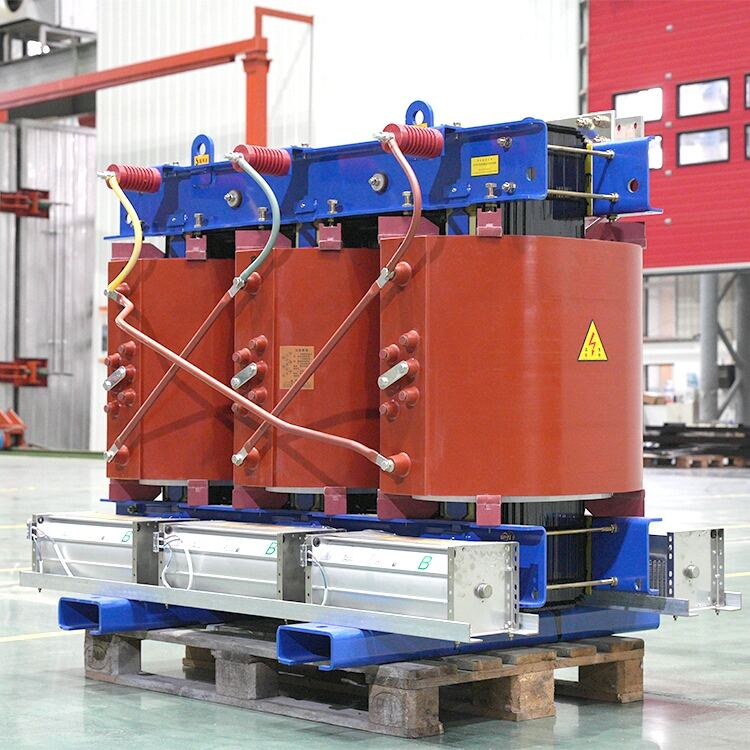
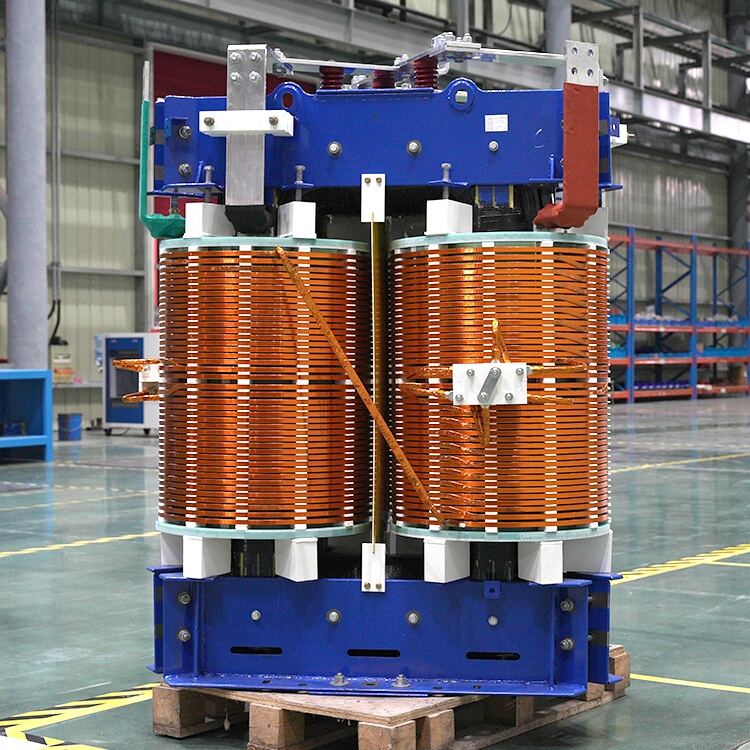
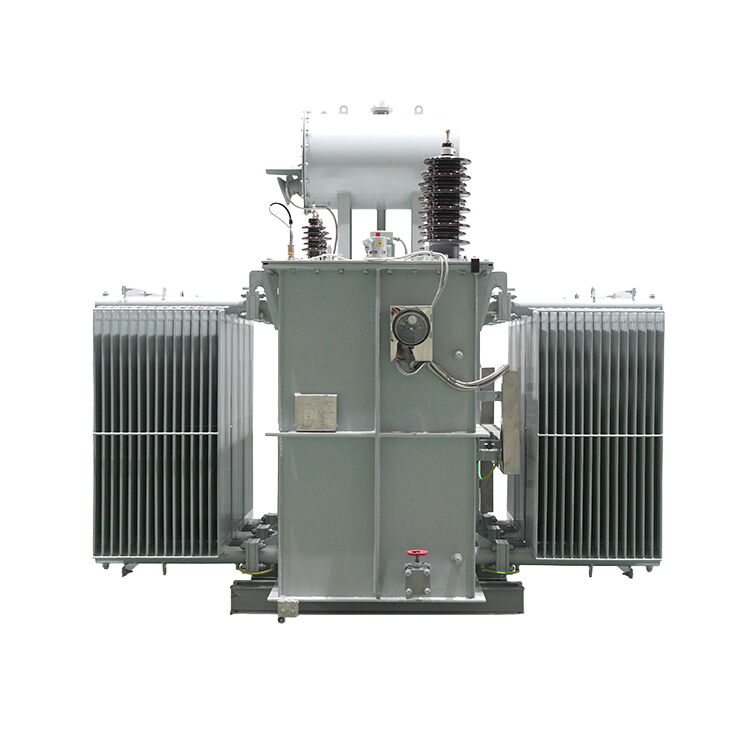
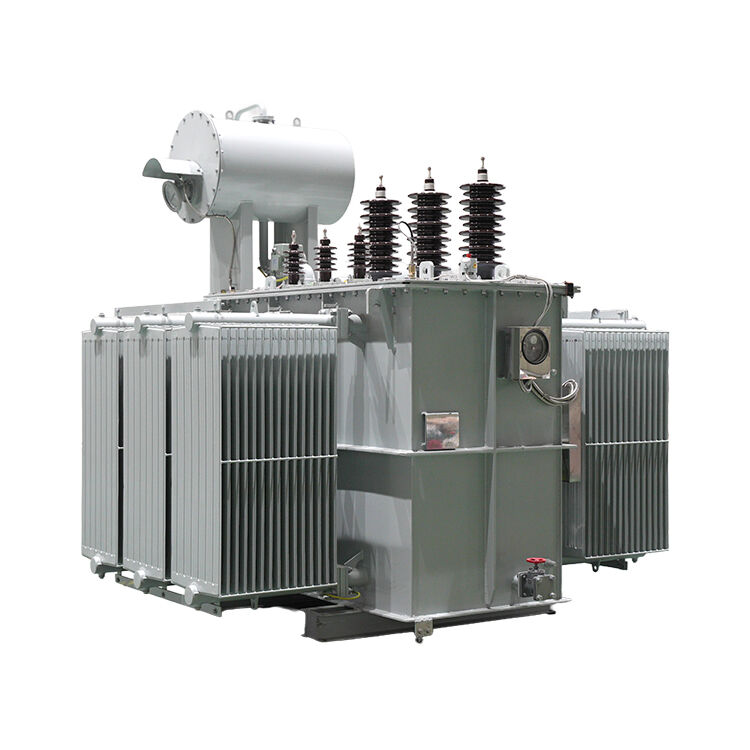
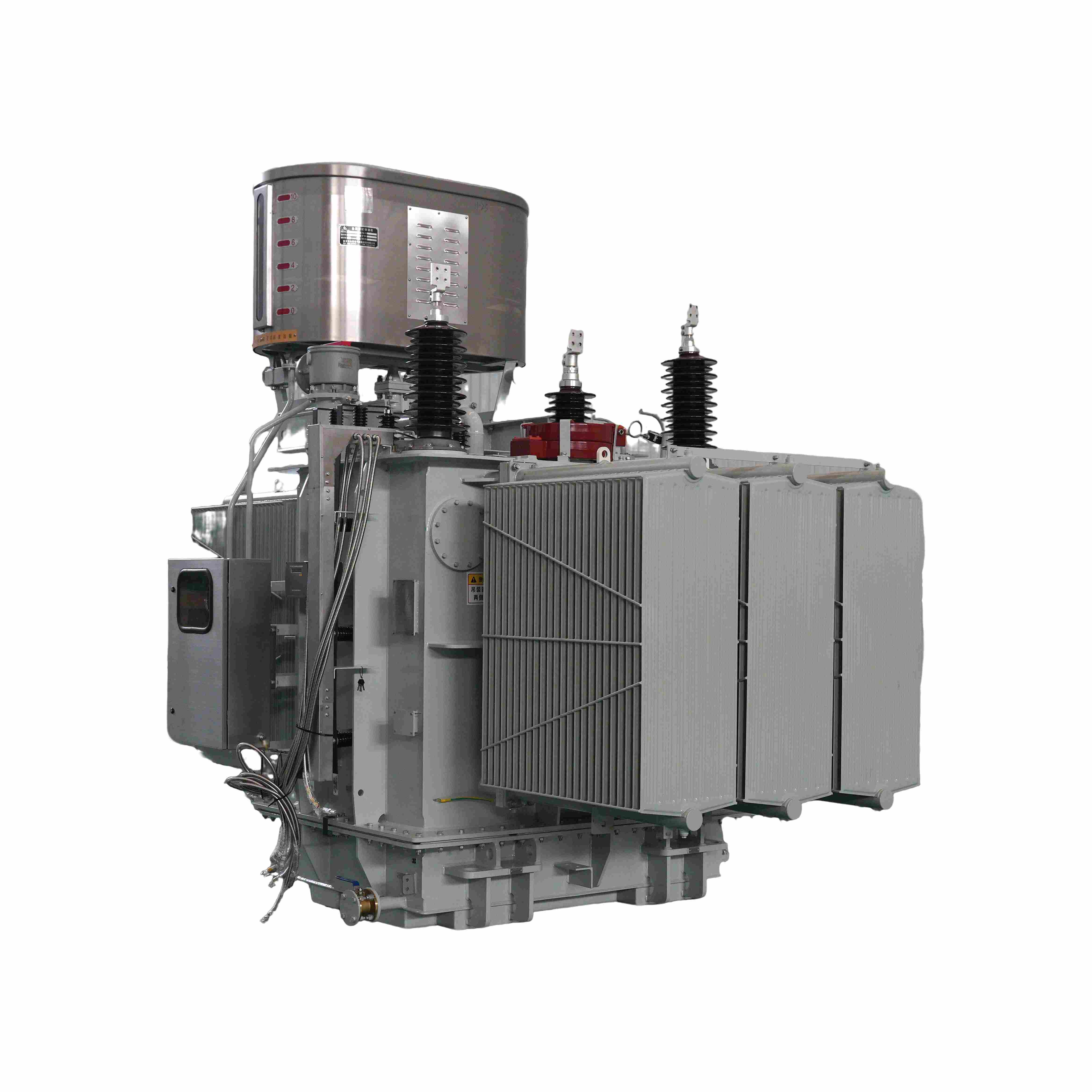
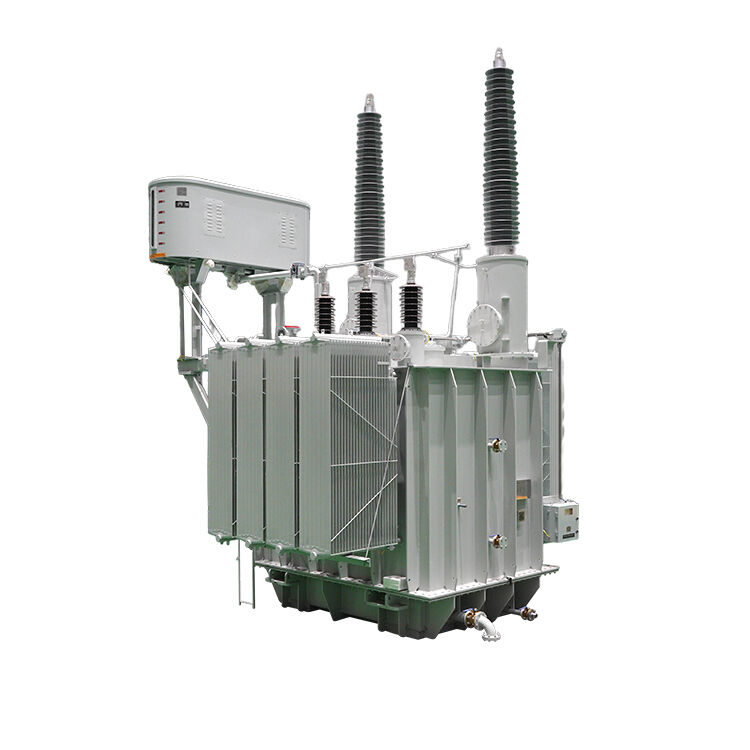
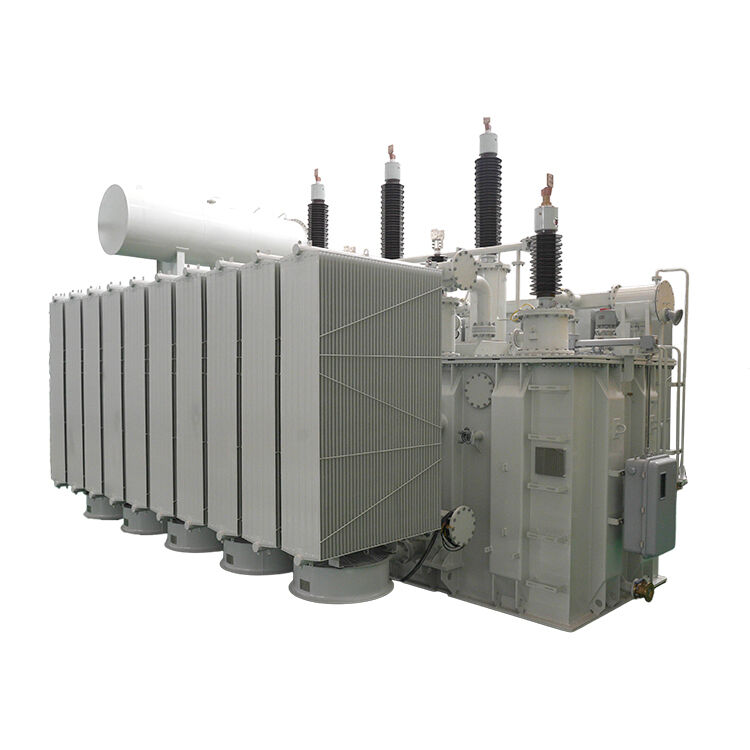
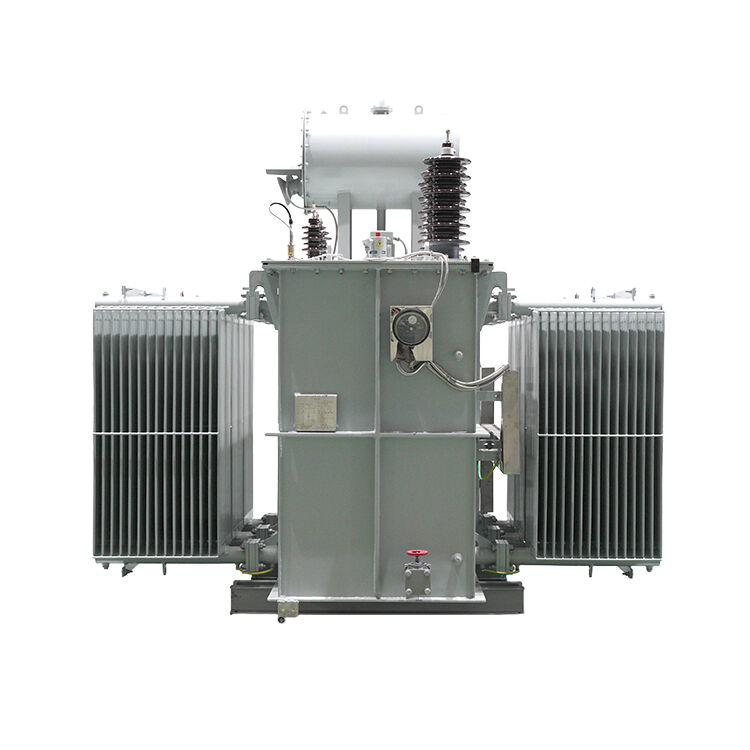
transformator oleo immersus ad usum rei publicae electricae
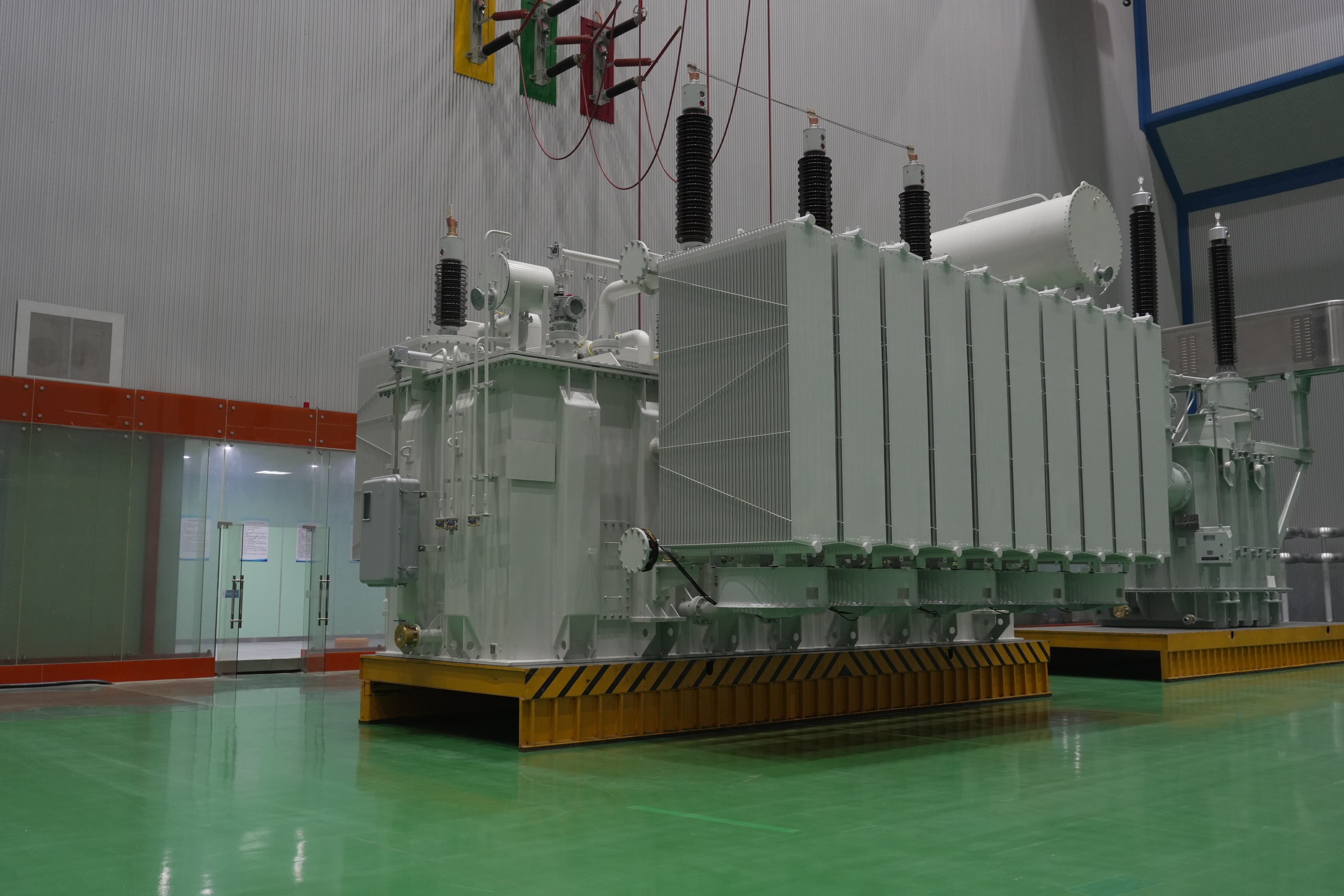
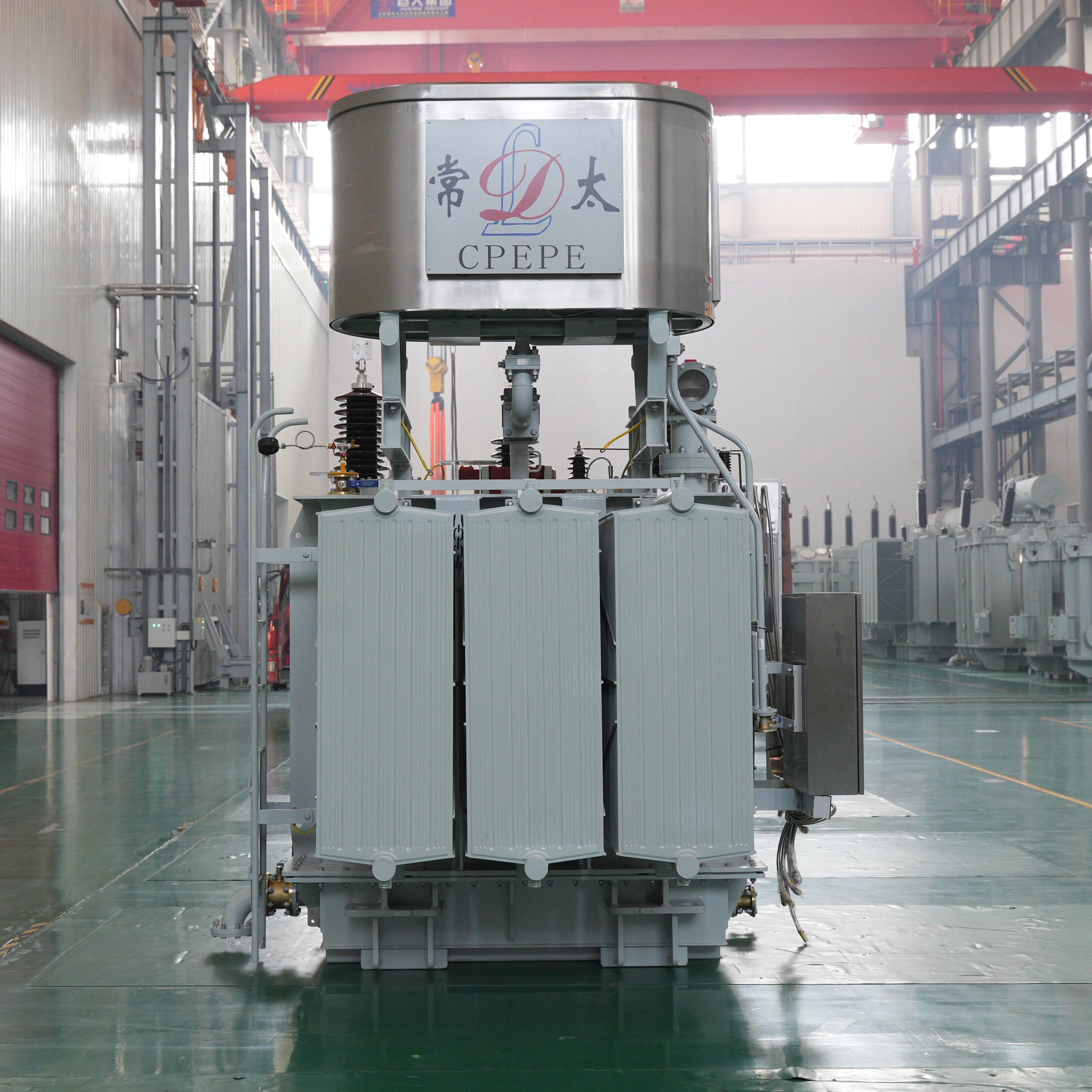
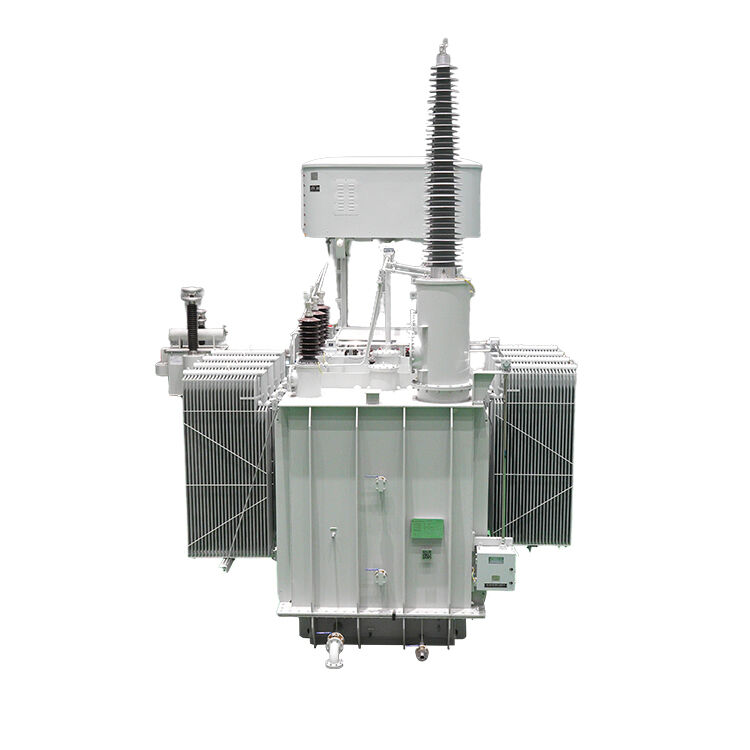
Transformator oleo immersus pro rete publica electrica est technologia fundamentalis in modernis systematibus distributionis potestatis electricae, utpote componentes infrastructurae critici quae efficientem transformationem voltatis et transmissionem potestatis per vasta opera permittunt. Haec instrumenta electrica subtilia oleum minerale ut medium refrigerans et systema insulationis utuntur, praebentia praestantissimas proprietates operationis quae ad operationes magnitudinis publicae sunt necessariae. Functio principalis transformatoris oleo immersi pro rete publica est elevatio aut demissio graduum voltatis ut ad specifica postulata transmissionis et distributionis aptentur, sic ut fluxus potestatis optimus a locis generationis ad consummatorem finalem efficiatur. Architectura technologica configurationes avolvementorum provectas, nucleos ex aere electrico excello, et systemata refrigerationis specialia comprehendit, quae synergice operantur ut praestantiam electricam superiorem consequantur. Modernae formae transformatorum oleo immersorum pro rete publica systemata protectionis emendata habent, inter quae relais Buchholz, dispositiva liberationis pressionis, et instrumenta monitoriae temperaturae quae contra anomalias operationis tutelam praebent. Oleum minerale varias functiones criticas implent, inter quas dissipatio caloris ab elementis activis, insulatio electrica inter avolvementa, et protectio contra humorem qui ingressus perficiens praestantiam minaretur. Hi transformatores saepius operantur in gradibus voltatis a mediis rete distributionis usque ad systemata transmissionis extra alti voltatis, sustinentes potestates ab aliquot megavoltamperis usque ad centum megavoltamperes. Technicae fabricandi provectae certam geometriam avolvementorum, designum circuitus magneticum optime elaboratum, et constructionem mechanicam robustam assurant, quae tensiones transportis et postulationes operationis sustinere possint. Transformator oleo immersus pro rete publica systemata monitoriae subtilia incorporat quae diagnosin remotam, programmationem maintenanceis praedictivae, et aestimationem praesentis praestantiae permittunt. Applicationes per urbana opera distributionis potestatis, per projecta ruralis electricitatis, per complexus industriales, per loca integrationis energiarum renovabilium, et per installationes infrastructurae criticae patent, ubi transformatio potestatis fiducialis ad continuitatem operationis et stabilitatem rete est summi momenti.
 EN
EN