 EN
EN


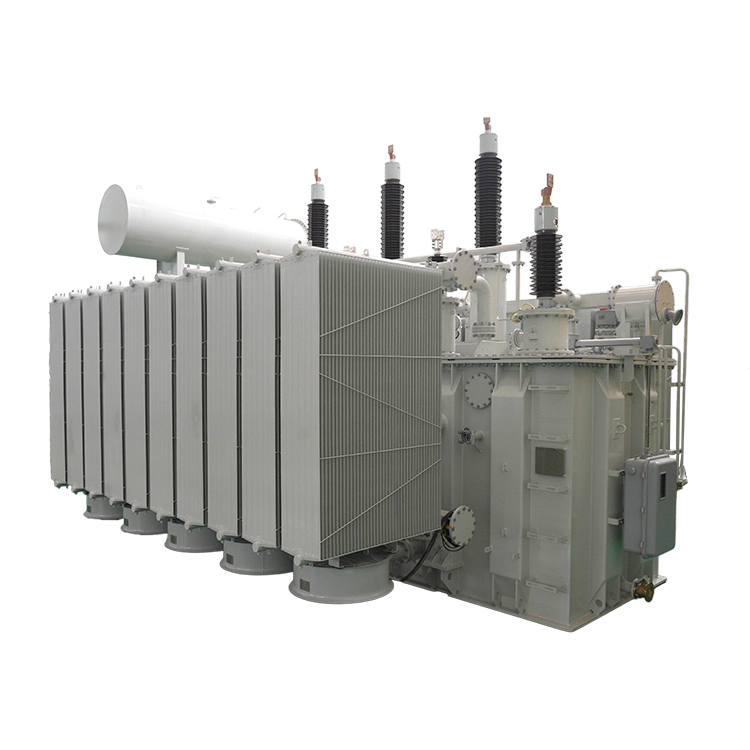
Manufacturing plants depend on consistent, reliable electrical power to maintain continuous production schedules and protect expensive machinery. A three phase transformer serves as the critical foundation for this stability, converting incoming utility power into the precise voltage and current levels required by industrial equipment. Understanding how a three phase transformer supports stable operation reveals why this equipment is non-negotiable for modern manufacturing facilities seeking to minimize downtime, reduce energy waste, and extend equipment lifespan.
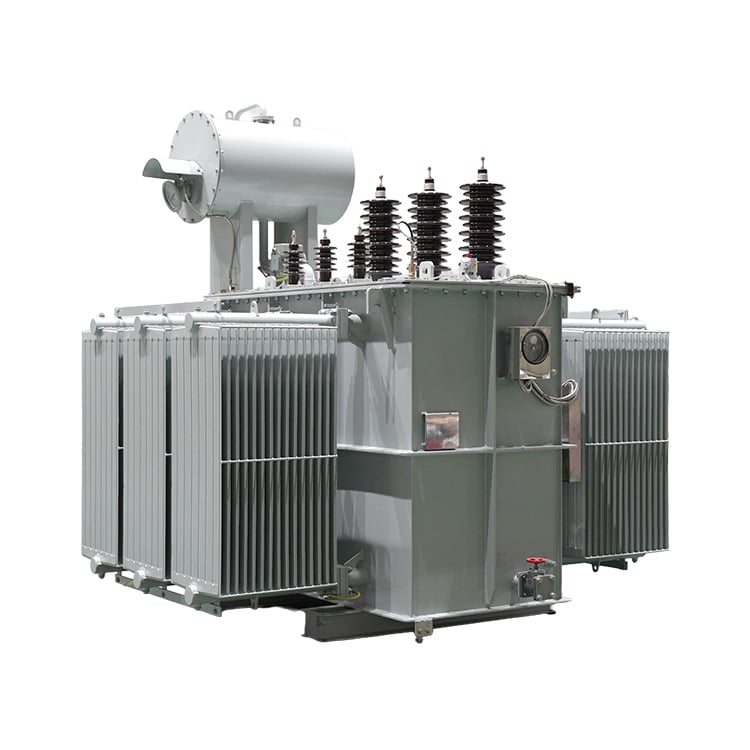
The engineering behind a three phase transformer is designed specifically to handle the simultaneous delivery of electrical energy across three separate conductors, each offset by 120 degrees. This three phase transformer configuration matches how power generation utilities transmit electricity across long distances, making it the standard solution for industrial applications requiring high power capacity. In manufacturing environments where machinery consumes megawatts of power simultaneously, a three phase transformer ensures balanced load distribution, eliminates voltage fluctuations, and delivers the steady power stream that keeps production lines operational and efficient.
Voltage Balance and Power Quality in Manufacturing
How a Three Phase Transformer Maintains Voltage Stability
Manufacturing equipment operates within strict voltage tolerances, typically plus or minus 10 percent of rated voltage. When voltage deviates beyond these limits, motors slow down, heating elements underperform, and sensitive control systems malfunction. A three phase transformer maintains voltage stability by distributing the electrical load evenly across all three phases. This balanced distribution prevents any single phase from becoming overloaded, which could cause voltage sag on that phase and create operational instability across the plant floor. By keeping voltage consistent on all three phases, a three phase transformer ensures that every connected device receives power within its specified operating range.
Eliminating Power Imbalances and Harmonics
Industrial plants often experience uneven electrical loads where some phases carry more current than others, creating what electrical engineers call phase imbalance. When phase imbalance occurs, a three phase transformer compensates through its winding design and magnetic core structure, distributing the load stress evenly rather than concentrating it on weaker phases. This balanced behavior directly reduces harmonic distortion, which is electrical noise generated by nonlinear loads like variable frequency drives and welding equipment. A three phase transformer equipped with core designs optimized for harmonic suppression further improves power quality, preventing cascading electrical faults that could damage production equipment or trigger unexpected shutdowns.
Efficiency and Load Capacity for Continuous Production
Maximizing Energy Efficiency Across Industrial Operations
Energy costs represent one of the largest controllable expenses in manufacturing operations. A three phase transformer minimizes energy loss through efficient power transfer compared to single-phase alternatives. The three phase transformer design reduces copper losses in the windings and iron losses in the core by distributing power across three conductors rather than concentrating it in one or two. For a typical manufacturing facility operating machinery 24 hours daily, this efficiency advantage translates into measurable reductions in monthly electrical bills. Additionally, a three phase transformer operating closer to its design capacity produces less waste heat, improving overall thermal stability and extending the transformer's operational life.
Supporting Peak Demand Without Voltage Collapse
Manufacturing production cycles often involve sudden, simultaneous starts of multiple large motors or instantaneous activation of high-power heating or welding systems. These peak demand events can cause voltage collapse if the power source cannot supply sufficient current instantaneously. A three phase transformer rated appropriately for facility peak loads ensures that inrush currents are absorbed without causing voltage dips that would stall other equipment. The transformer's low impedance characteristics allow it to supply the high currents required during motor startups while maintaining voltage stability on other phases. This capability is essential in plants where production sequences are interdependent and any equipment delay cascades into lost output and revenue.
Reliability, Protection, and Fault Tolerance
Redundancy and Fault Recovery in Critical Operations
A three phase transformer provides inherent fault tolerance through its three-phase architecture. If one phase experiences a temporary fault or external disturbance, the three phase transformer can continue supplying power on the other two phases while protection systems isolate and clear the fault. This three phase redundancy means manufacturing operations can tolerate brief electrical anomalies without complete shutdown. Advanced three phase transformer designs include internal protection devices such as thermal overload sensors, pressure relief systems, and tap changers that automatically adjust voltage to compensate for utility fluctuations. These built-in protections allow a three phase transformer to operate reliably even in environments with unstable grid conditions or frequent switching of heavy loads.
Thermal Management and Extended Service Life
Excessive heat is the primary cause of transformer failure and reduced lifespan. A three phase transformer designed for industrial service includes enhanced cooling systems such as oil circulation, forced-air cooling, or immersion cooling depending on power rating. The balanced three-phase load distribution inherent to a three phase transformer means no single winding carries disproportionate current, preventing localized hot spots that degrade insulation. Manufacturing facilities benefit from longer transformer service life, fewer unplanned maintenance events, and lower replacement costs when investing in properly specified three phase transformers. Cooling system monitoring integrated into modern three phase transformer designs provides early warning of thermal stress, enabling preventive maintenance before catastrophic failure occurs.
FAQ
Why cannot a single-phase transformer provide the same stability as a three phase transformer?
Single-phase transformers are designed to step voltage up or down between two conductors with a neutral return path. This configuration cannot provide the balanced current distribution of a three phase transformer across multiple production lines simultaneously. Single-phase equipment would require multiple transformers connected in complex arrays to serve an entire manufacturing facility, creating coordination challenges, voltage imbalances, and higher losses. A three phase transformer inherently balances loads across three voltage phases, making it far more efficient and reliable for industrial environments requiring megawatts of continuous power.
What voltage levels does a three phase transformer typically deliver in manufacturing plants?
A three phase transformer most commonly steps down utility voltages of 13,800 volts, 34,500 volts, or higher distribution levels into working voltages of 480 volts, 240 volts, or 208 volts suitable for factory machinery. The specific three phase transformer voltage rating depends on local utility supply standards and facility equipment requirements. Industrial plants often employ multiple three phase transformers at different voltage levels to serve different production zones, with each transformer optimized for its specific load profile to maximize efficiency and stability.
How does monitoring a three phase transformer prevent manufacturing downtime?
Modern three phase transformer installations include monitoring systems that track oil temperature, winding temperature, load current on each phase, and insulation integrity. These sensors provide real-time alerts when three phase transformer performance deviates from normal parameters, enabling maintenance teams to address issues before failure occurs. Predictive maintenance based on three phase transformer diagnostics prevents sudden outages that would halt production and cause equipment damage during unsafe shutdowns. Facilities implementing three phase transformer monitoring report 40 to 60 percent reductions in unplanned downtime compared to facilities using only traditional maintenance schedules.