 EN



Long-distance power transmission demands equipment that can handle extreme electrical stresses while maintaining absolute safety and reliability. A high voltage transformer plays a central role in this critical infrastructure by stepping up voltages for efficient transmission and stepping them down for safe distribution to end users. Understanding how a high voltage transformer achieves this balance between performance and safety reveals the sophisticated engineering behind modern electrical grids. The mechanisms embedded in a high voltage transformer design ensure that power can travel hundreds of miles without dangerous voltage spikes, insulation failures, or catastrophic equipment damage.
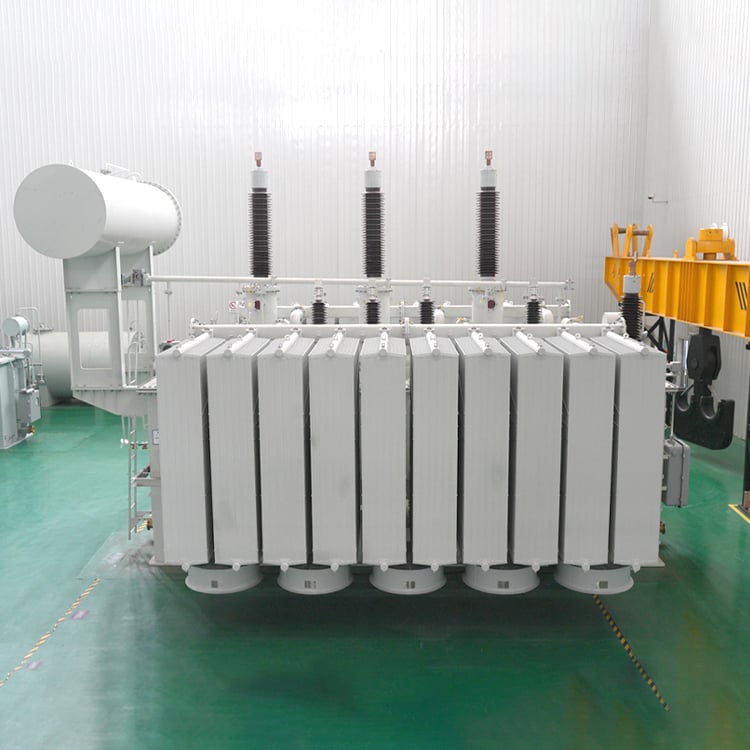
The safety framework of a high voltage transformer operates through multiple integrated layers of protection. These layers include advanced insulation materials, precision cooling systems, continuous monitoring devices, and failsafe disconnection mechanisms. Each component of the high voltage transformer system is engineered to anticipate and respond to abnormal conditions before they escalate into failures. Industrial operators, electrical engineers, and utility managers depend on the reliability of a high voltage transformer to protect both equipment investments and human safety across vast transmission networks.
Insulation Design and Voltage Management in High Voltage Transformers
Multi-Layer Insulation Strategy
A high voltage transformer relies on sophisticated multi-layer insulation systems to prevent electrical arcing and voltage breakdown. The insulation in a high voltage transformer typically begins with solid insulation materials like pressboard and cellulose wrapping around primary and secondary windings. These materials are selected for their dielectric strength, meaning they can withstand extremely high electric fields without conducting electricity. The high voltage transformer then uses oil-based insulation fluids that not only provide additional dielectric protection but also serve as a cooling medium. This dual-purpose fluid reduces the risk of thermal stress while maintaining electrical separation between live components. Proper insulation thickness in a high voltage transformer is calculated based on the anticipated voltage levels, environmental conditions, and safety factor margins that exceed normal operating requirements.
Voltage Regulation and Load Response
A high voltage transformer must respond dynamically to load changes without allowing voltage to fluctuate dangerously on the transmission line. The high voltage transformer includes on-load tap changing mechanisms that adjust the turns ratio automatically when demand shifts. This capability prevents voltage sags that could damage sensitive equipment or voltage surges that could puncture insulation elsewhere in the network. The high voltage transformer monitoring system tracks voltage levels continuously, triggering tap adjustments within milliseconds when thresholds are exceeded. Without this active regulation, a high voltage transformer would expose the power system to cascading failures. The precision of voltage control in a high voltage transformer is often measured in fractions of a percent, reflecting the criticality of stability in long-distance transmission.
Thermal Management and Heat Dissipation Systems
Oil Cooling and Circulation
Heat generation is inevitable in any high voltage transformer due to electrical resistance in the windings and core losses. A high voltage transformer designed for long-distance transmission must dissipate this heat efficiently to prevent insulation degradation and conductor failure. The high voltage transformer uses circulating oil systems, often enhanced with radiators or forced-air cooling fans, to move heat away from the core and windings. The oil in a high voltage transformer must maintain specific viscosity and thermal conductivity properties across a wide temperature range. Regular monitoring of oil temperature in a high voltage transformer provides early warning of excessive heat buildup that might indicate developing faults. Advanced high voltage transformer installations include temperature sensors and automatic shutdown systems that activate when operating temperature approaches critical limits, protecting both the transformer and downstream equipment.
Expansion and Pressure Relief
As a high voltage transformer heats up during operation, the insulation fluid expands and pressure builds inside the sealed tank. A high voltage transformer tank is designed with expansion chambers or conservators that safely accommodate volume changes without rupturing. Pressure relief valves on a high voltage transformer release excess pressure if internal conditions exceed design limits, preventing catastrophic tank rupture. The high voltage transformer also includes gas release vents that allow small amounts of hydrogen and other gases to escape without letting oxygen into the oil, which would accelerate oxidation and insulation degradation. These pressure management features in a high voltage transformer are critical for long-distance installations where outdoor temperature extremes and continuous operation create challenging conditions. The engineering behind a high voltage transformer cooling system ensures stable operation across seasons and load cycles without compromising safety margins.
Protection Systems and Fault Detection in Transformers
Overcurrent and Overvoltage Protection
A high voltage transformer serving long-distance transmission networks must be protected against electrical faults that could develop on either the transmission line or distribution side. The high voltage transformer is equipped with protective relays that sense abnormal current and voltage conditions and trigger disconnection of the transformer before damage occurs. The high voltage transformer protection scheme typically includes differential relays that compare current entering and leaving the transformer, immediately detecting internal winding faults. Overcurrent relays on a high voltage transformer respond to external faults on transmission lines, while overvoltage suppressors protect against lightning strikes and switching surges. The high voltage transformer may also include surge arresters connected directly to the tank to safely discharge dangerous voltage spikes to ground. These multi-layer protection strategies ensure that a high voltage transformer can withstand both internal degradation and external electrical disturbances without propagating failures throughout the power system.
Monitoring and Diagnostic Systems
Modern high voltage transformer installations include continuous monitoring systems that track dozens of parameters in real time. A high voltage transformer diagnostic system measures winding temperature, oil temperature, vibration levels, and gas concentrations to detect emerging problems before they cause failures. Dissolved gas analysis on a high voltage transformer can identify specific fault types based on which gases are present in the insulation oil, allowing maintenance teams to plan targeted interventions. The high voltage transformer monitoring data is often transmitted to central control rooms where operators can coordinate maintenance schedules and prevent cascading outages. Advanced high voltage transformer systems use artificial intelligence to predict remaining service life and recommend optimal maintenance windows. This predictive approach to high voltage transformer management reduces unexpected failures, extends equipment lifespan, and ensures consistent power delivery across long-distance transmission corridors.
FAQ
How does insulation prevent failures in a high voltage transformer during peak transmission?
Insulation in a high voltage transformer prevents failures by creating multiple barriers between conductors at different potentials. The insulation materials in a high voltage transformer are engineered with dielectric strength ratings that exceed normal operating voltages by significant safety factors. When a high voltage transformer faces peak transmission loads, the insulation system remains stable because its design accounts for worst-case voltage scenarios. The layered insulation approach in a high voltage transformer means that if one layer is compromised, additional barriers still provide protection.
Can a high voltage transformer automatically adjust to changes in power demand?
Yes, a high voltage transformer equipped with on-load tap changers can adjust automatically to maintain stable voltage as demand fluctuates. The high voltage transformer tap changing mechanism responds to load changes within seconds, preventing voltage deviation that could damage sensitive equipment. A high voltage transformer with this capability provides consistent voltage regulation throughout the transmission network without requiring manual intervention. This automatic response feature makes a high voltage transformer essential for reliable long-distance power delivery.
What monitoring technologies ensure a high voltage transformer operates safely?
A high voltage transformer is typically monitored using temperature sensors, pressure monitoring systems, and dissolved gas analysis devices. The high voltage transformer monitoring system continuously tracks thermal and electrical conditions, alerting operators to abnormal situations before they escalate. Advanced high voltage transformer installations transmit real-time data to central control systems where operators can make informed maintenance decisions. These monitoring technologies ensure that a high voltage transformer operates within safe parameters throughout its service life.