 EN


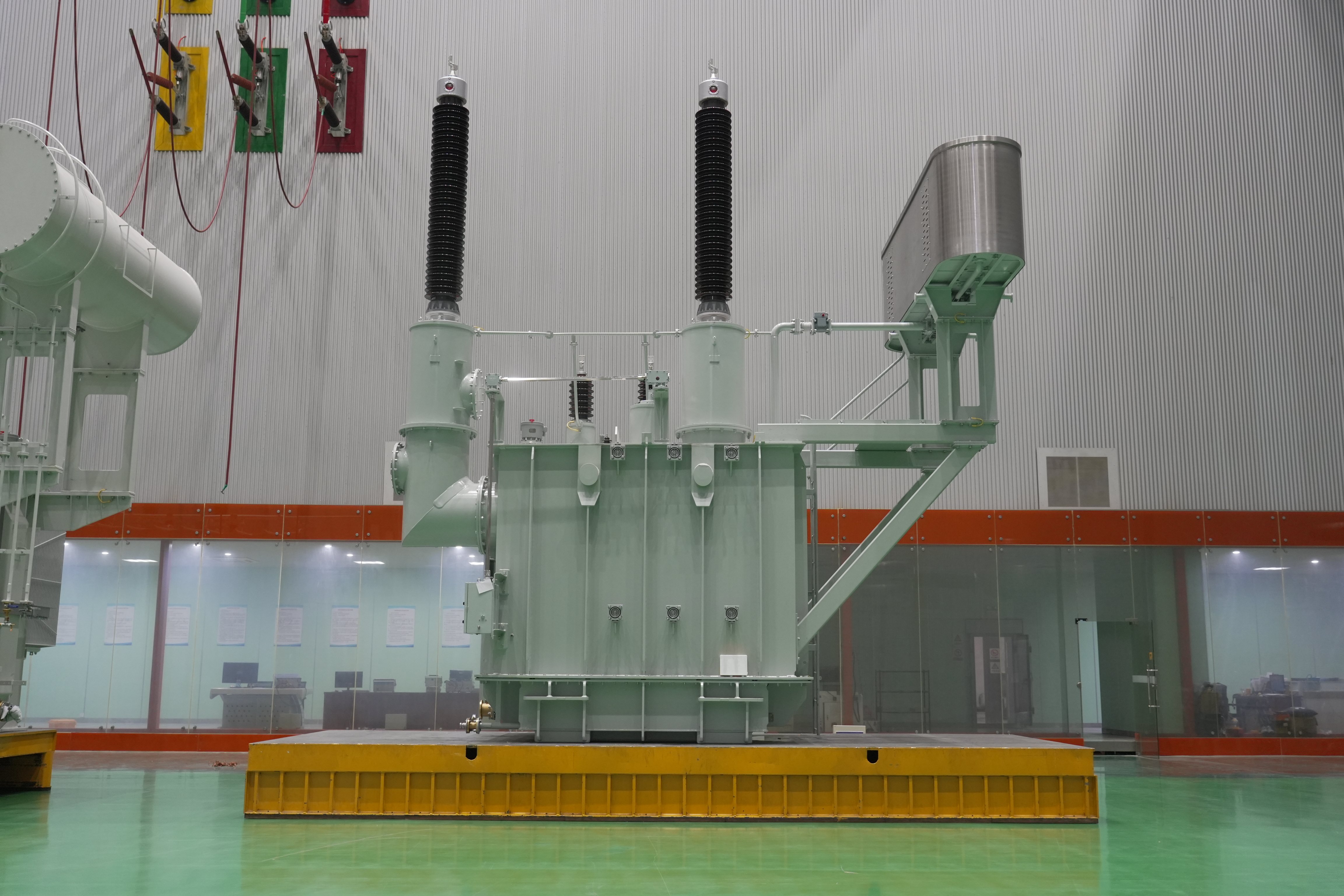
A single phase transformer serves as the backbone of residential power distribution systems across most developed nations. This essential electrical device steps down high voltage transmission lines to safe, usable voltage levels for homes and small commercial properties. Understanding how a single phase transformer performs in residential applications requires examining its operational principles, efficiency characteristics, and critical role in delivering reliable household electricity.
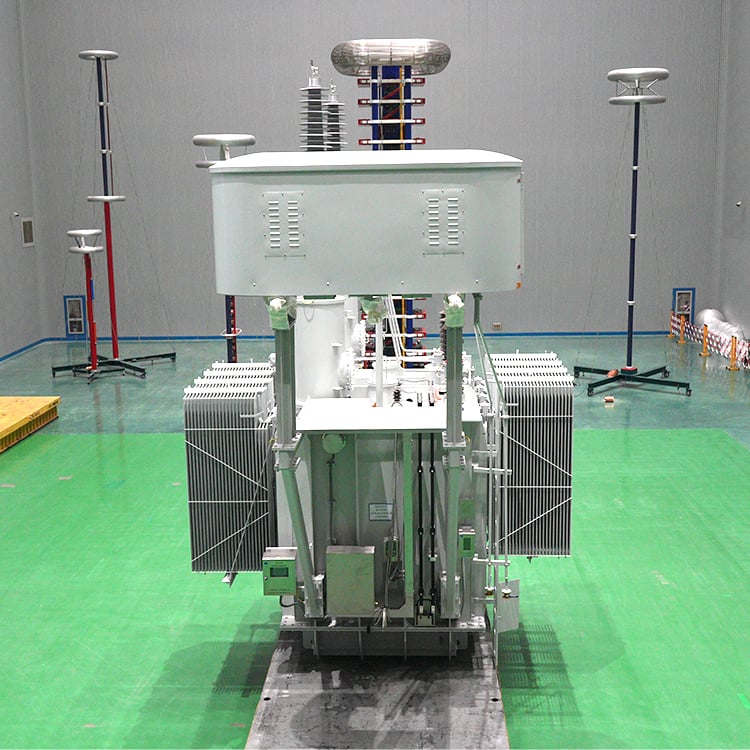
The single phase transformer remains the most common transformer type installed at residential locations worldwide. Utility companies deploy millions of these units mounted on power poles and ground-level platforms to convert medium voltage distribution lines into the standard 120/240 volts required for household use. The single phase transformer accomplishes this voltage transformation efficiently while maintaining the frequency and quality of electrical supply that modern homes depend upon.
Operational Performance of Single Phase Transformers in Residential Settings
Voltage Transformation and Step-Down Process
A single phase transformer operates on the electromagnetic induction principle, where alternating current flowing through a primary coil creates a magnetic field that induces voltage in a secondary coil. In residential applications, the single phase transformer typically receives voltage between 7,200 and 34,500 volts from distribution lines and reduces it to the standard 120/240 volts delivered to households. This step-down ratio ensures that electricity reaches homes at safe, manageable voltage levels suitable for appliances and lighting systems.
The performance of a single phase transformer depends heavily on the turns ratio between its primary and secondary windings. A single phase transformer with a higher turns ratio reduces voltage more dramatically, while a lower ratio provides minimal voltage reduction. Utility engineers calculate the correct turns ratio for each single phase transformer installation based on local distribution voltage and residential demand patterns. This precise voltage regulation ensures consistent power delivery regardless of fluctuations in the transmission system.
Load Handling and Distribution Capacity
Residential single phase transformers typically range from 10 kilovolt-amperes to 50 kilovolt-amperes, with 25 kVA being the most common size in North American installations. A single phase transformer sized appropriately for its service area maintains stable voltage while safely handling peak residential demand. The single phase transformer must deliver sufficient capacity during morning and evening peak usage periods when multiple household appliances operate simultaneously throughout the neighborhood.
The actual performance of a single phase transformer under load varies based on power factor, ambient temperature, and conductor resistance. A well-designed single phase transformer experiences minimal voltage drop across its windings during normal household usage. However, undersized or overloaded units may cause voltage sag, dimming lights, and reduced appliance efficiency. Proper single phase transformer selection and installation remain critical for maintaining acceptable voltage stability in residential distribution networks.
Efficiency and Energy Loss Characteristics
Core Loss and Copper Loss in Residential Transformers
Every single phase transformer experiences two primary forms of energy loss: core loss and copper loss. Core loss occurs continuously whenever the single phase transformer remains energized, regardless of whether residential loads draw current. This loss stems from hysteresis and eddy currents within the transformer core materials. Modern single phase transformer designs minimize core loss through better lamination techniques and improved core materials, reducing standby energy waste in residential distribution networks.
Copper loss represents the second major efficiency factor affecting single phase transformer performance. This loss increases proportionally with current flow squared, meaning a single phase transformer carrying peak household loads experiences significantly higher copper losses than during light load periods. The single phase transformer industry addresses this challenge by using larger diameter conductors and optimized winding configurations to reduce resistance and improve efficiency during typical residential usage patterns.
Overall Efficiency Performance Metrics
Modern single phase transformers achieve efficiency ratings between 97 and 99 percent under full rated load conditions. This exceptional efficiency means a single phase transformer operated at its design capacity loses only 1 to 3 percent of energy as heat. However, residential single phase transformers rarely operate at full capacity continuously, spending much of their service life at 20 to 50 percent load. At these partial loads, the single phase transformer may operate at slightly lower efficiency percentages due to fixed core losses becoming proportionally larger.
Utility companies increasingly evaluate single phase transformer selection based on total cost of ownership rather than initial purchase price alone. A single phase transformer with superior efficiency ratings costs more upfront but reduces long-term energy waste and operating expenses. Over a 30 to 40 year service life, selecting high-efficiency models ensures that the single phase transformer contributes meaningfully to residential energy conservation goals and lower utility infrastructure costs.
Regulatory Compliance and Safety Performance Standards
Voltage Regulation Requirements
Regulatory agencies specify strict voltage tolerance ranges for residential power distribution networks, typically plus or minus 5 percent of nominal voltage. A single phase transformer must perform within these limits during both light and heavy load conditions. The single phase transformer achieves compliance through careful design of its voltage regulation characteristics and proper tap setting selection. Utilities employ sophisticated voltage mapping and load studies to ensure each single phase transformer installation meets regulatory requirements across all service areas.
Advanced single phase transformer models now incorporate load tap changers or fixed tap positions optimized for specific distribution scenarios. These features allow the single phase transformer to maintain superior voltage regulation compared to older designs. When a single phase transformer includes automatic voltage control capabilities, it can adjust its turns ratio in response to changing load patterns, ensuring consistent performance throughout residential neighborhoods.
Safety Features and Thermal Management
A single phase transformer operating in residential areas must incorporate multiple safety features to protect against equipment damage and electrical hazards. Each single phase transformer includes internal protective devices such as fuses or automatic circuit breakers that isolate the unit if overloaded or faulted. The single phase transformer design includes cooling fins or oil circulation systems to dissipate heat generated by losses, preventing dangerous temperature rise during peak usage periods.
Outdoor residential single phase transformers face weather exposure and environmental challenges that demand robust construction. The single phase transformer housing provides weatherproof protection while allowing adequate ventilation for heat dissipation. Oil-immersed single phase transformer designs offer superior cooling performance and longer service life in demanding environmental conditions. Single phase transformer installations undergo rigorous testing and inspection to ensure they perform safely throughout their operational lifespan.
Installation, Maintenance, and Performance Optimization
Proper Installation Practices
The performance of a single phase transformer depends significantly on proper installation by qualified electrical professionals. A single phase transformer must be mounted securely on appropriately rated equipment capable of safely supporting its weight. The single phase transformer requires proper grounding, adequate clearance from surrounding structures, and correct connection to primary and secondary distribution lines. Improper installation can compromise the single phase transformer's ability to deliver stable voltage and protect connected equipment.
Ventilation and cooling space around the single phase transformer installation directly affect performance and service life. A single phase transformer requires unobstructed air circulation to dissipate operational heat effectively. Installations that restrict cooling airflow cause the single phase transformer to operate at elevated temperatures, accelerating insulation degradation and reducing equipment lifespan. Proper spacing from walls, vegetation, and other obstructions ensures the single phase transformer maintains optimal thermal performance throughout its service life.
Preventive Maintenance and Performance Monitoring
Regular maintenance enhances the long-term performance of every single phase transformer in residential distribution systems. Utility maintenance crews monitor single phase transformer temperature, oil quality, and loading patterns to identify potential problems before failures occur. The single phase transformer condition assessment includes visual inspection for signs of leakage, corrosion, or damage that could compromise performance. Proactive monitoring ensures the single phase transformer continues delivering reliable voltage regulation and efficient operation to residential customers.
Temperature monitoring remains one of the most important performance indicators for any single phase transformer installation. Elevated temperatures signal potential problems such as overloading, inadequate cooling, or internal winding damage. Modern single phase transformer monitoring systems provide real-time data on operating conditions, allowing utilities to optimize residential distribution network performance. When maintenance teams identify concerning trends, they can upgrade the single phase transformer to higher capacity or improve cooling arrangements before failures impact residential customers.
FAQ
What voltage levels does a single phase transformer typically provide for residential homes?
A single phase transformer in residential applications typically steps down distribution voltage to 120/240 volts, which is the standard voltage supplied to individual homes across North America. Some regions use different standard voltages such as 110/220 volts, but the single phase transformer always converts higher distribution voltages to the specific residential voltage standard established for that service area. The secondary output of a residential single phase transformer provides both 120 volts for general household circuits and 240 volts for larger appliances like electric ranges and air conditioning units.
How often should single phase transformers receive maintenance to maintain optimal performance?
Utility companies typically perform visual inspections of single phase transformers annually and conduct more detailed maintenance every three to five years depending on age and operating conditions. A single phase transformer's maintenance schedule may be adjusted based on environmental factors, load history, and monitoring data indicating potential concerns. Regular maintenance of the single phase transformer ensures consistent performance, extends service life, and helps prevent unexpected failures that could interrupt residential power supply.
Can a single phase transformer be oversized or undersized for a residential neighborhood?
Yes, incorrect sizing significantly affects single phase transformer performance in residential applications. An undersized single phase transformer cannot handle peak household demands, resulting in voltage sag and poor appliance performance. An oversized single phase transformer wastes energy due to excessive core losses and operates inefficiently at partial loads typical in residential areas. Utilities carefully calculate the proper single phase transformer capacity based on neighborhood demographics, appliance penetration rates, and expected growth to ensure optimal performance and cost-effectiveness throughout the transformer's operational life.