 EN
EN

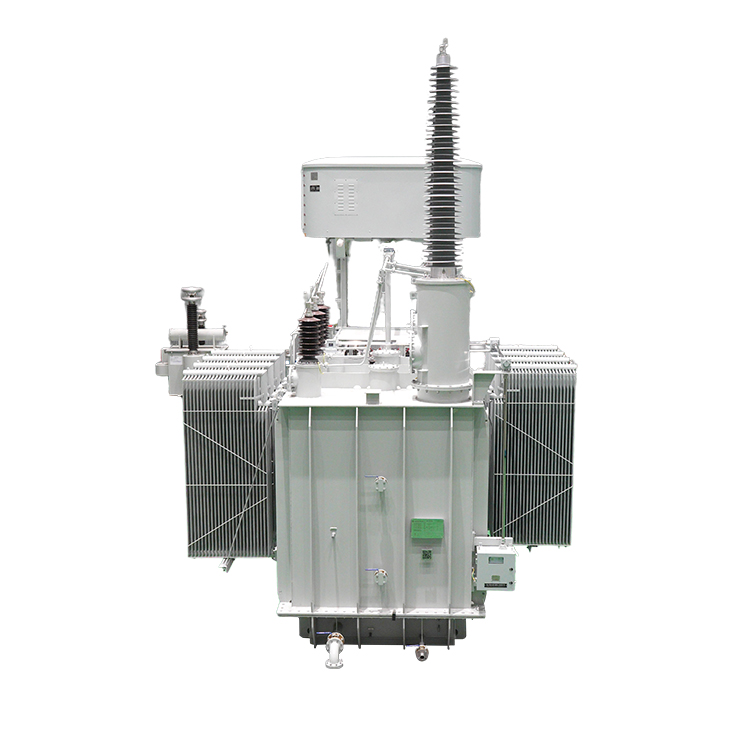
A railway transformer is a specialized electrical device engineered to step voltage levels up or down within rail power systems, ensuring consistent and reliable energy delivery to trains and rail infrastructure. These devices form the backbone of modern rail operations, converting power from high-voltage transmission lines into usable levels for traction motors, signaling systems, and station facilities. Without a properly functioning railway transformer, rail networks would face voltage instability, service interruptions, and safety risks that compromise both operational efficiency and passenger safety.
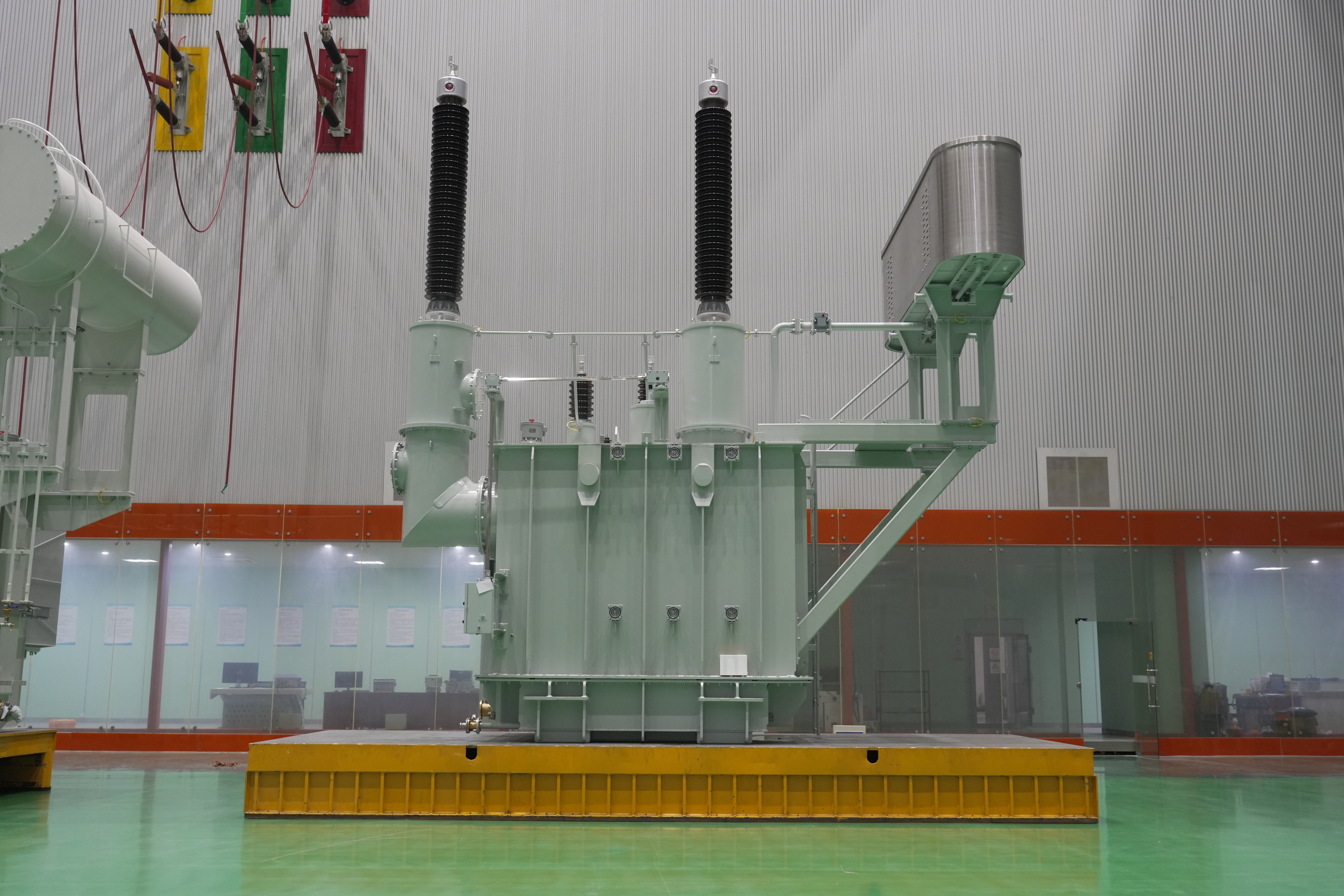
The railway transformer operates as an intermediary between the power grid and the rail system, managing massive power flows while maintaining the precise voltage and frequency standards that rail equipment demands. Every railway transformer in active service must meet stringent international safety certifications and performance benchmarks because failures directly impact train scheduling, passenger comfort, and operational costs. Understanding how a railway transformer supports reliable rail power systems helps maintenance teams, rail operators, and infrastructure planners make informed decisions about equipment selection, placement, and lifecycle management.
Core Functions of the Railway Transformer
Voltage Conversion and Power Distribution
A railway transformer converts incoming high-voltage power, typically between 110 kV and 400 kV from the main power grid, into medium or low voltage levels suitable for rail traction systems. Most railway transformer installations are configured to step down voltage to 15 kV to 25 kV for overhead catenary systems that power electric trains. This voltage conversion is essential because traction motors require stable, controlled voltage levels; delivering raw grid voltage directly would damage equipment and create dangerous operating conditions. The railway transformer achieves this through multiple primary and secondary windings that allow flexible voltage configuration based on specific network requirements.
Load Balancing and Frequency Stabilization
Beyond basic voltage conversion, each railway transformer actively regulates frequency and manages power distribution across multiple train lines simultaneously. A railway transformer with on-load tap changer technology can automatically adjust voltage output during peak demand periods when multiple trains draw power concurrently. This load-balancing capability prevents voltage sag that would otherwise slow trains or trigger emergency braking systems. The railway transformer essentially acts as a power buffer, absorbing demand spikes and smoothing supply fluctuations so that trains experience consistent acceleration performance and reliable station operations.
Design Features That Ensure Reliability
Thermal Management and Overload Protection
The railway transformer is engineered with advanced cooling systems because continuous operation under heavy load generates significant heat. Oil-immersed cooling remains the industry standard for large railway transformer units serving main line corridors, offering efficient heat dissipation and electrical insulation in a single integrated system. Forced-air or forced-oil cooling enhances thermal performance in high-capacity railway transformer installations where ambient temperatures or seasonal variations could otherwise compromise efficiency. Modern railway transformer designs include temperature sensors and automated shutoff mechanisms that protect the device and alert operators if core temperatures approach dangerous thresholds, preventing costly damage and extended service downtime.
Insulation and Dielectric Strength
Every railway transformer must withstand extreme electrical stress because rail networks experience frequent voltage surges from switching operations, lightning strikes, and train braking regeneration. High-quality insulation materials and multi-layer dielectric barriers ensure that a railway transformer can tolerate these transient overvoltages without internal breakdown or failure. Surge arresters installed on the primary and secondary sides of the railway transformer provide additional protection by safely diverting dangerous voltage spikes to ground. This layered protection strategy means that a railway transformer can operate reliably for 25 to 40 years in demanding rail environments where equipment experiences continuous thermal and electrical cycling.
Impact on Overall Rail System Performance
Voltage Stability and Train Operations
The railway transformer directly influences train acceleration, speed regulation, and regenerative braking effectiveness because these functions depend on stable voltage supply. A poorly performing railway transformer creates voltage fluctuations that force train control systems into conservative modes, reducing acceleration rates and extending travel times. Conversely, a well-maintained railway transformer ensures that voltage remains within the tight tolerance band required for modern electric trains to operate at full capacity. Rail operators track voltage stability metrics at each railway transformer station as a key performance indicator because even small voltage deviations reduce energy efficiency and passenger schedule reliability.
System Integration and Redundancy
Most major rail corridors deploy multiple railway transformer units arranged in parallel or with automatic switchover capability to ensure service continuity during maintenance or emergency shutdown. This redundancy architecture means that failure of one railway transformer does not halt train operations; instead, load automatically transfers to backup units while repair crews address the failed device. Rail infrastructure planners calculate railway transformer capacity based on peak simultaneous train counts plus a safety margin, ensuring that even during rush hour or special events, the system maintains adequate voltage and frequency margins. The railway transformer essentially sits at the boundary between the public power grid and the private rail network, making its reliability a shared responsibility between utility operators and rail authority engineering teams.
FAQ
What voltage levels does a railway transformer typically handle?
A railway transformer typically receives high voltage input ranging from 110 kV to 400 kV from the public power grid and converts it to medium voltage output between 15 kV and 25 kV for overhead catenary systems. Some special-duty railway transformer installations may output 1.5 kV to 3 kV for third-rail or low-voltage local distribution systems. The specific voltage configuration of a railway transformer depends on the rail operator's infrastructure design, train fleet characteristics, and integration requirements with the regional power grid.
How often should a railway transformer be serviced?
Scheduled maintenance for a railway transformer typically occurs every 2 to 5 years, with detailed oil analysis, insulation testing, and mechanical inspection performed annually. Emergency servicing is triggered if a railway transformer shows signs of overheating, unusual noise, oil leakage, or abnormal electrical measurements. Preventive maintenance extends the operational lifespan of a railway transformer and reduces the risk of sudden failure during peak traffic periods, making it a cost-effective investment in rail system reliability and safety.
Can a railway transformer be repaired or must it be replaced?
Many railway transformer failures can be repaired through specialized remanufacturing that replaces windings, insulation, and internal components while retaining the core tank and structural elements. However, if a railway transformer has suffered severe internal damage, catastrophic failure, or corrosion beyond economical repair, complete replacement becomes the practical option. Rail operators work with transformer specialists to assess damage severity and compare repair costs against new unit pricing, considering lead times and operational impact of extended downtime.