 EN
EN


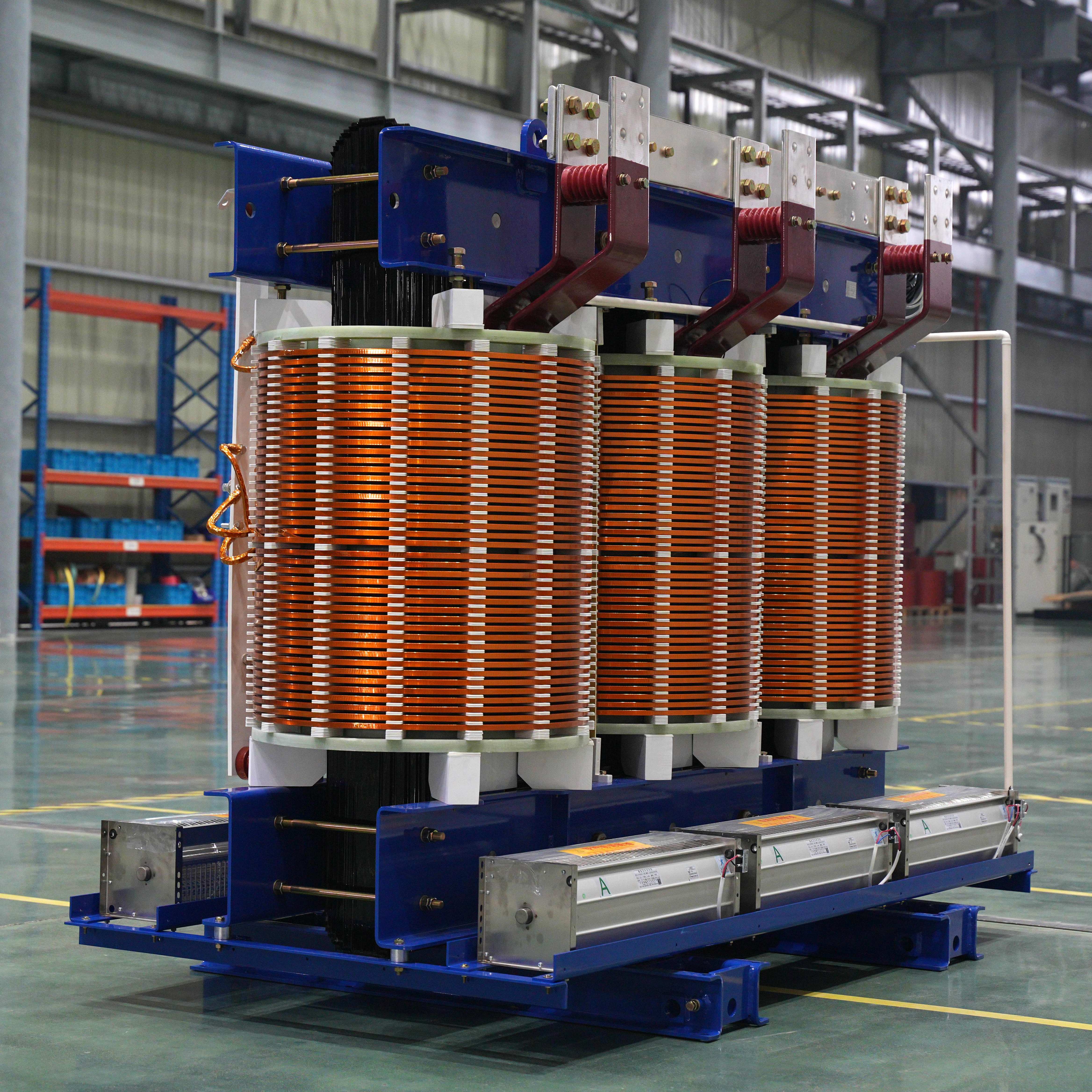
Selecting the right ventilated transformer for large-scale power projects requires a deep understanding of electrical specifications, cooling performance, and operational demands. A ventilated transformer serves as a critical component in power distribution systems, where reliable energy conversion and thermal management directly impact project success and long-term infrastructure stability. This guide explores the essential factors that engineering teams and project managers must evaluate when choosing a ventilated transformer to ensure optimal performance and cost efficiency across demanding industrial applications.
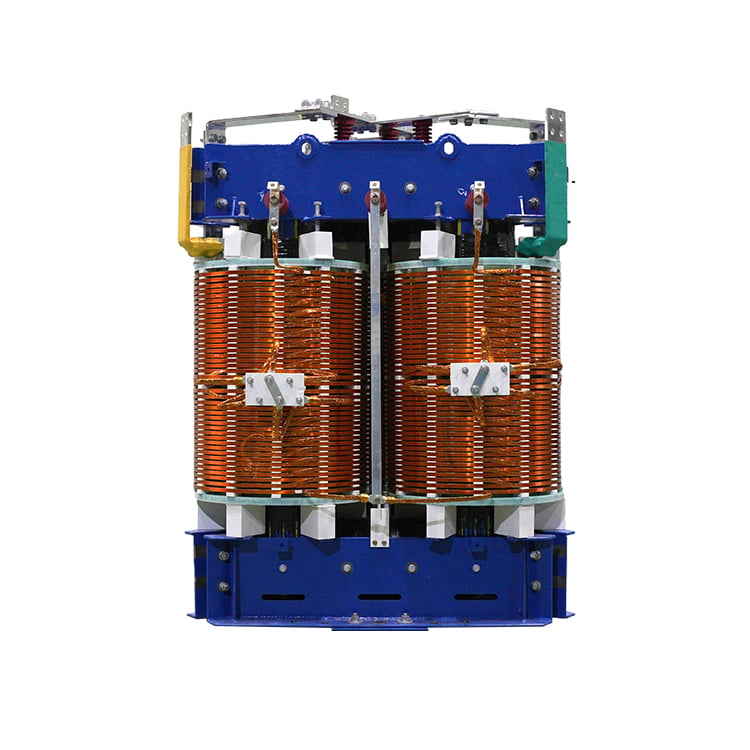
The process of selecting a ventilated transformer involves evaluating power capacity, voltage ratings, cooling efficiency, and maintenance requirements specific to your project scope. Understanding these selection criteria helps prevent costly oversizing, undersizing, or performance mismatches that could compromise system reliability. Whether you are developing renewable energy infrastructure, industrial manufacturing facilities, or utility-scale distribution networks, the ventilated transformer you select will influence operational costs, downtime risk, and long-term asset value for decades to come.
Understanding Ventilated Transformer Core Specifications
Power Capacity and Voltage Requirements
The foundation of ventilated transformer selection begins with accurate power demand analysis. A ventilated transformer must be sized to handle peak load conditions while maintaining acceptable temperature rise and efficiency margins. Project engineers calculate total system power requirements by analyzing connected loads, anticipated growth scenarios, and historical demand patterns across all connected facilities. Undersizing a ventilated transformer creates operational bottlenecks and accelerates component aging, while oversizing increases capital expenditure and reduces efficiency under typical operating loads.
Voltage specifications for a ventilated transformer must align precisely with primary and secondary distribution network requirements. Step-down transformers, step-up configurations, and three-phase designs each demand different technical approaches. A ventilated transformer rated for 35 kV to 405 kV applications, for example, requires specialized insulation systems, robust winding designs, and validated cooling pathways to maintain operational safety across this voltage range. Confirming voltage compatibility prevents integration failures and ensures seamless power delivery throughout your electrical infrastructure.
Cooling System Performance and Thermal Capacity
Cooling efficiency represents a critical distinction between adequate and exceptional ventilated transformer performance. The ventilated transformer design incorporates forced or natural air circulation pathways that extract heat from core and coil assemblies into the surrounding environment. Evaluating cooling performance requires understanding ambient temperature conditions at your installation site, daily and seasonal temperature fluctuations, and altitude factors that influence air density and cooling effectiveness. A ventilated transformer specified for tropical regions or high-altitude installations demands different thermal design parameters than equipment deployed in temperate climates.
Temperature rise limits for a ventilated transformer typically range between 40°C and 65°C above ambient conditions, depending on insulation class and performance tier. Higher-grade ventilated transformer designs often achieve lower temperature rise through advanced cooling geometries and premium core materials, improving component lifespan and operational stability. Comparing thermal capacity specifications across candidate models ensures your ventilated transformer maintains safe operating temperatures under full load conditions throughout the year, protecting against premature winding degradation and catastrophic failure scenarios.
Load Profile Analysis and Operational Duty
Duty Cycle Classification and Load Variability
Industrial and utility-scale projects rarely operate at constant 100% load across all operating hours. A ventilated transformer must be selected with an accurate understanding of your specific duty cycle classification. Continuous duty applications require different thermal design margins than intermittent or emergency backup service scenarios. Analyzing historical load patterns, identifying peak demand windows, and assessing seasonal variations helps determine whether your ventilated transformer should be optimized for average-load efficiency or peak-load thermal management.
Certain project applications demand rapid load cycling, frequent startup sequences, or sustained operation near rated capacity. A ventilated transformer designed for stable baseline loads may experience accelerated aging under variable duty conditions. By contrast, a ventilated transformer engineered with robust thermal capacity and reinforced insulation systems handles dynamic load swings with greater reliability and longevity. Matching ventilated transformer thermal and electrical design to your actual operational profile prevents efficiency losses and reduces lifecycle maintenance costs over 20 to 30 year operating periods.
Future Growth Accommodation and Load Expansion
Prudent project planning incorporates anticipated facility expansion and increasing power demands over the asset lifespan. A ventilated transformer selected with insufficient growth margin forces costly replacement within a decade, disrupting operations and necessitating substantial capital redeployment. Industry best practice recommends sizing a ventilated transformer to accommodate 30 to 50 percent load growth based on realistic expansion forecasts and market demand trends relevant to your sector.
However, excessively oversized ventilated transformer capacity wastes capital and operates inefficiently during typical baseline conditions. Balancing growth accommodation against reasonable equipment investment requires disciplined analysis of demographic trends, facility utilization forecasts, and strategic business objectives. A ventilated transformer sized appropriately for planned growth delivers optimal economic and operational value while maintaining performance reserves for unexpected demand surges or system contingencies.
Efficiency Standards, Environmental Compliance, and Total Cost Analysis
Efficiency Classification and Operating Cost Impact
Modern ventilated transformer specifications align with international efficiency standards that classify equipment into discrete performance tiers. Standard efficiency, high efficiency, and ultra-high efficiency grades represent increasing levels of core material quality, manufacturing precision, and cooling system sophistication. A ventilated transformer operating at higher efficiency grades reduces electrical losses throughout its operating life, translating into measurable energy cost savings and improved sustainability performance. Over a 25-year service life, efficiency improvements of even 1 to 2 percent can accumulate into substantial cost reductions, particularly in high-utilization applications where transformers operate 8,000 to 8,760 hours annually.
Evaluating total cost of ownership requires comparing initial equipment investment against lifetime operating expense implications of different ventilated transformer efficiency grades. A premium-efficiency ventilated transformer may command higher capital cost but recovers that investment through reduced operational losses within 5 to 10 years for most industrial and utility applications. This financial analysis should inform your ventilated transformer selection decision, ensuring resources are allocated toward efficiency improvements that deliver genuine economic value rather than pursuing marginal performance gains at disproportionate cost.
Environmental Standards and Regulatory Alignment
Environmental regulations increasingly govern transformer selection across industrial and utility sectors. A ventilated transformer must comply with emissions standards, noise limits, and hazardous material restrictions applicable in your geographic jurisdiction. Some regions mandate minimum efficiency performance levels, while others impose specific requirements for cooling fluid composition or transformer sound levels during operation. Prior to committing to a ventilated transformer model, confirm alignment with all relevant environmental directives, industry standards, and local utility interconnection requirements.
Regulatory compliance also encompasses transformer disposal and end-of-life environmental stewardship. Selecting a ventilated transformer manufactured by reputable suppliers with documented environmental management practices reduces future liability exposure and supports corporate sustainability commitments. Quality assurance documentation, third-party testing certifications, and manufacturer environmental declarations provide essential confidence that your ventilated transformer selection meets regulatory expectations and organizational environmental goals throughout its operating lifespan.
FAQ
What cooling methods do ventilated transformers use to manage heat dissipation?
Ventilated transformers employ forced-air or natural convection cooling systems where ambient air circulates through designated cooling passages integrated into the core and coil assembly. The ventilated transformer design features louvered or finned external surfaces that maximize surface area exposure to cooling air flow. In forced-air systems, electric fans accelerate air movement through the transformer windings, enabling more aggressive thermal management in confined spaces or high-ambient-temperature environments. Natural convection ventilated transformer designs rely on temperature-driven air circulation, requiring adequate free space around the equipment for proper heat dissipation. Both cooling approaches maintain the ventilated transformer within safe temperature limits while supporting reliable power delivery across demanding industrial and utility applications.
How do ventilated transformer efficiency standards affect long-term operating costs?
Ventilated transformer efficiency directly determines electrical losses that accumulate over operational hours, with even small percentage improvements yielding significant cost savings across multi-decade asset lifecycles. A ventilated transformer losing 1 percent of transferred power to heat dissipates 250 to 500 kilowatts continuously in large-scale installations, representing substantial energy waste and operational expense. Higher-efficiency ventilated transformer designs reduce no-load and load losses through premium core materials, optimized winding geometry, and improved cooling circulation patterns. The ventilated transformer efficiency premium typically recovers initial cost investment within 5 to 10 years through reduced electrical losses, making efficiency-grade selection a financially rational decision for most institutional and industrial applications with multi-year operational horizons.
What factors should guide ventilated transformer placement and installation site selection?
Optimal ventilated transformer placement balances cooling performance requirements against operational convenience, safety considerations, and long-term maintenance accessibility. The ventilated transformer installation site must provide adequate clearance around cooling air inlets and outlets to support unobstructed thermal circulation without external obstruction from equipment, structures, or vegetation. Ambient temperature conditions at the proposed installation location should align with the ventilated transformer nameplate ratings to prevent thermal stress and accelerated component aging. Electrical infrastructure proximity, cable routing convenience, and future expansion space considerations also influence ventilated transformer site selection. Additionally, ensuring appropriate foundation stability, earthquake resilience, and flood protection measures protects the ventilated transformer investment and maintains infrastructure reliability during adverse environmental conditions.