 EN
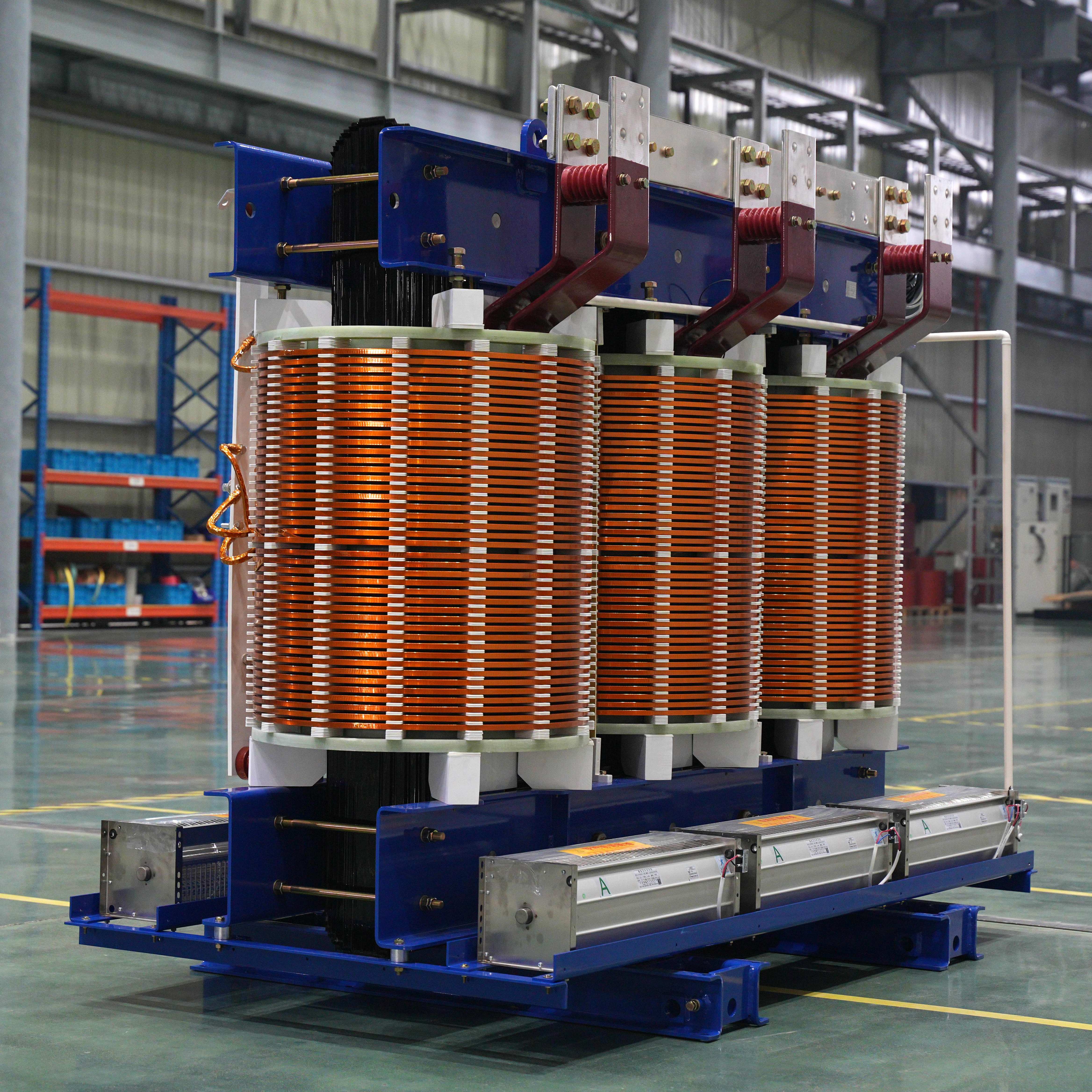
The shift toward sustainable industrial practices has made environmental responsibility a core consideration in equipment selection. A dry type transformer represents a significant advancement in reducing the ecological footprint of electrical distribution systems. Unlike traditional oil-filled transformers, a dry type transformer eliminates the need for liquid coolant, which directly minimizes environmental hazards and operational waste. Organizations pursuing greener infrastructure strategies increasingly recognize that a dry type transformer delivers measurable environmental benefits alongside reliable power transformation, making it an intelligent choice for modern facilities concerned with sustainability.
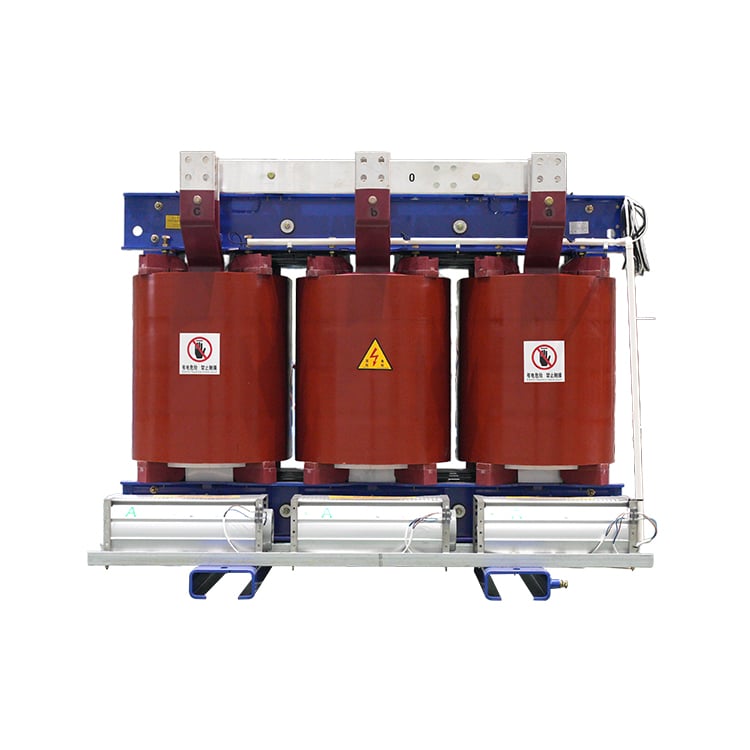
Environmental benefits of a dry type transformer extend beyond simple operational safety. When facilities adopt a dry type transformer, they reduce contamination risks to soil and groundwater that often accompany oil-filled alternatives. The lifecycle environmental impact of a dry type transformer is substantially lower because manufacturers eliminate hazardous cooling medium processing, storage complications, and disposal requirements. Industrial operators, facility managers, and sustainability consultants recognize that implementing a dry type transformer aligns with regulatory compliance, corporate environmental goals, and long-term cost efficiency objectives.
Elimination of Oil-Based Cooling Hazards
Eliminating Liquid Coolant Environmental Risks
A dry type transformer operates without mineral oil or synthetic liquid coolants, fundamentally transforming how facilities manage transformer-related environmental liability. The absence of cooling fluid in a dry type transformer removes the constant threat of leakage, spilling, and soil contamination that oil-cooled units present. Traditional transformers require regular oil management protocols, including sampling, filtration, and eventual disposal—each step introducing potential environmental exposure. A dry type transformer eliminates these labor-intensive processes, reducing human handling errors and accidental environmental releases. Facilities that switch to a dry type transformer often report simplified maintenance routines and dramatically reduced environmental monitoring requirements.
Reduced Hazardous Waste Processing
The environmental advantage of a dry type transformer extends to waste stream management throughout its operational life. Over decades of service, transformers require periodic maintenance and eventual decommissioning; a dry type transformer significantly simplifies this process by eliminating hazardous oil disposal. Spent transformer oil from traditional units requires specialized handling, transportation, and treatment at certified facilities, creating substantial environmental and financial costs. A dry type transformer avoids these complications entirely, reducing overall lifecycle waste generation. When a dry type transformer reaches end-of-service, facilities can focus on solid material recycling rather than managing hazardous liquid disposal, substantially lowering environmental impact.
Energy Efficiency and Reduced Carbon Emissions
Superior Energy Conversion Performance
Modern engineering has optimized the dry type transformer for thermal efficiency, resulting in lower operational losses compared to conventional alternatives. A dry type transformer uses advanced insulation materials and optimized core design to minimize energy dissipation as heat. Lower transformer losses directly translate to reduced electrical demand and decreased grid strain, which means power generation facilities can serve the same customer load with less fuel consumption. A dry type transformer typically achieves efficiency ratings above 99 percent, meaning nearly all input electrical energy reaches the output terminals. This superior performance characteristic of a dry type transformer compounds over time, delivering substantial energy conservation across industrial and commercial facilities operating continuously.
Quantifiable Carbon Footprint Reduction
Calculating the environmental benefit of a dry type transformer requires analyzing energy losses over the equipment's typical 30-40 year lifespan. A dry type transformer with 0.5 percent lower losses than traditional transformers generates measurable carbon reductions when multiplied across facility operations. For example, a facility operating multiple dry type transformer units can reduce annual electrical consumption by thousands of kilowatt-hours, directly lowering associated carbon emissions from electricity generation. When considering a 1000 kilovolt-ampere transformer operating continuously, the cumulative energy savings from a dry type transformer over its service life equals the carbon offset of substantial tree-planting initiatives. Facility managers and corporate sustainability departments increasingly recognize that selecting a dry type transformer delivers quantifiable environmental performance that supports carbon neutrality targets.
Manufacturing Sustainability and Material Recyclability
Cleaner Manufacturing Processes
The production of a dry type transformer involves fewer environmental-impact manufacturing steps compared to oil-filled equipment. Manufacturers of dry type transformer units avoid the complexity of oil processing, storage, and integration, resulting in streamlined production with lower water consumption and reduced chemical waste. A dry type transformer manufacturing facility requires less environmental remediation and waste treatment infrastructure, making the production process itself more sustainable. Advanced epoxy resin systems used in modern dry type transformer construction are engineered for reduced volatile organic compound emissions during curing. These manufacturing improvements mean that each dry type transformer unit produced carries a lower environmental burden from its factory origin through transportation and installation.
End-of-Life Recyclability and Material Recovery
Sustainability considerations increasingly focus on end-of-life environmental impact; a dry type transformer excels in this dimension through high material recyclability. The solid construction of a dry type transformer—comprising primarily copper, aluminum, and epoxy resin—allows straightforward material separation and recovery through established recycling processes. When a dry type transformer reaches decommissioning, facility operators can recover copper windings, aluminum cores, and steel structures without confronting hazardous liquid handling. A dry type transformer's recyclable material composition means environmental benefits extend beyond operational years, contributing positively to circular economy objectives. Recycling facilities report that processing a dry type transformer generates fewer complications and safety concerns compared to dismantling oil-filled equipment, making sustainable end-of-life management practical and economical.
Regulatory Compliance and Environmental Stewardship
Alignment with Environmental Regulations
Environmental regulations in developed markets increasingly restrict the use of traditional oil-filled transformers in sensitive locations. A dry type transformer satisfies stringent requirements imposed by environmental protection agencies regarding soil and water contamination prevention. Facilities in areas with strict groundwater protection regulations find that a dry type transformer is the compliant choice for indoor installation in urban environments or near water resources. Regulatory bodies recognize that a dry type transformer eliminates the pollution risks associated with cooling medium handling, making it the preferred specification for environmentally sensitive applications. Organizations adopting a dry type transformer demonstrate proactive environmental compliance, often ahead of regulatory timelines, establishing competitive advantages in sustainability-conscious markets.
Supporting Corporate Environmental Commitments
Major corporations worldwide have committed to specific environmental sustainability targets; a dry type transformer supports these objectives measurably. Selecting a dry type transformer for facility upgrades demonstrates genuine commitment to reducing environmental footprint rather than superficial sustainability messaging. The integration of dry type transformer technology into operational infrastructure signals to stakeholders—customers, investors, and regulators—that environmental responsibility guides equipment decisions. A dry type transformer contributes quantifiably to Scope 3 emissions reduction strategies, helping corporations achieve science-based environmental targets. By incorporating a dry type transformer into facility modernization plans, organizations enhance their environmental stewardship reputation while securing practical operational benefits.
FAQ
How much energy does a dry type transformer save compared to oil-cooled alternatives?
A dry type transformer typically reduces energy losses by 0.3 to 0.8 percent compared to conventional oil-filled equipment, depending on design specifications and operational conditions. For a large facility operating multiple transformer units continuously, this efficiency advantage accumulates to thousands of kilowatt-hours annually, translating directly to proportional carbon emission reductions. The exact savings depend on load profile, local electricity generation sources, and specific equipment specifications, making facility-level analysis important for quantifying environmental impact.
Can a dry type transformer be safely installed indoors without environmental concerns?
Yes, a dry type transformer is engineered specifically for safe indoor installation without environmental contamination risks. The absence of cooling liquid eliminates spill hazards and eliminates ground contamination concerns, allowing a dry type transformer to operate reliably in urban facilities, hospitals, data centers, and environmentally sensitive locations. Indoor installation of a dry type transformer simplifies facility design, reduces required secondary containment infrastructure, and lowers overall installation costs compared to traditional transformers requiring protective barriers.
What is the environmental impact when decommissioning a dry type transformer?
Decommissioning a dry type transformer involves straightforward material recycling with minimal environmental complication. The copper, aluminum, and steel components of a dry type transformer are valuable recyclable materials processed through standard industrial recycling streams, generating no hazardous waste disposal requirements. Compared to oil-filled transformers requiring specialized hazardous liquid handling during decommissioning, a dry type transformer substantially reduces end-of-life environmental burden and associated costs.