 EN
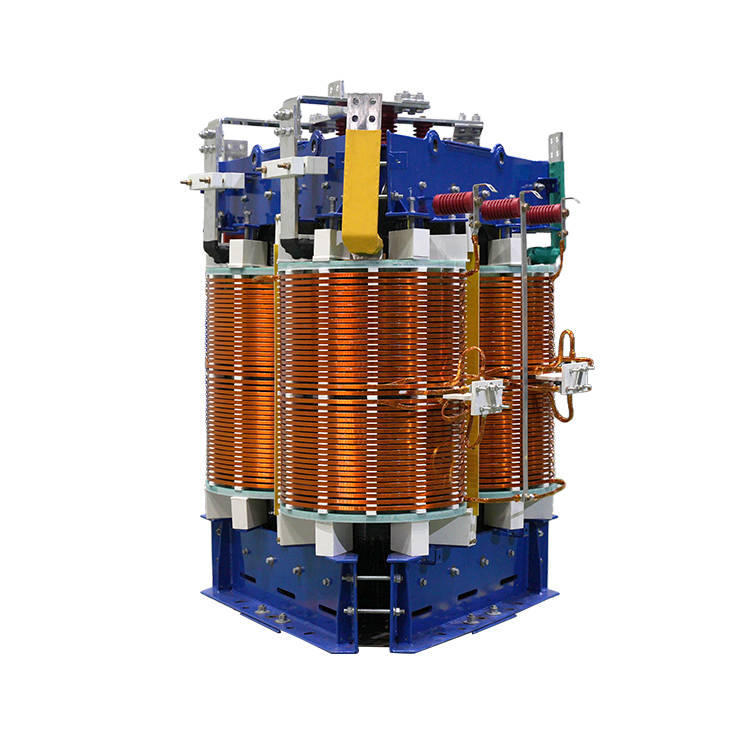
Safety in indoor electrical installations is a critical concern for facility managers, engineers, and industrial operators. A dry type transformer offers substantial safety improvements compared to conventional oil-cooled designs, particularly when space constraints and proximity to personnel make reliability non-negotiable. Unlike liquid-filled transformers, a dry type transformer eliminates fire hazard from flammable cooling fluids, reduces environmental contamination risks, and operates at lower surface temperatures, making it the preferred choice for modern indoor facilities across manufacturing, commercial, and institutional settings.
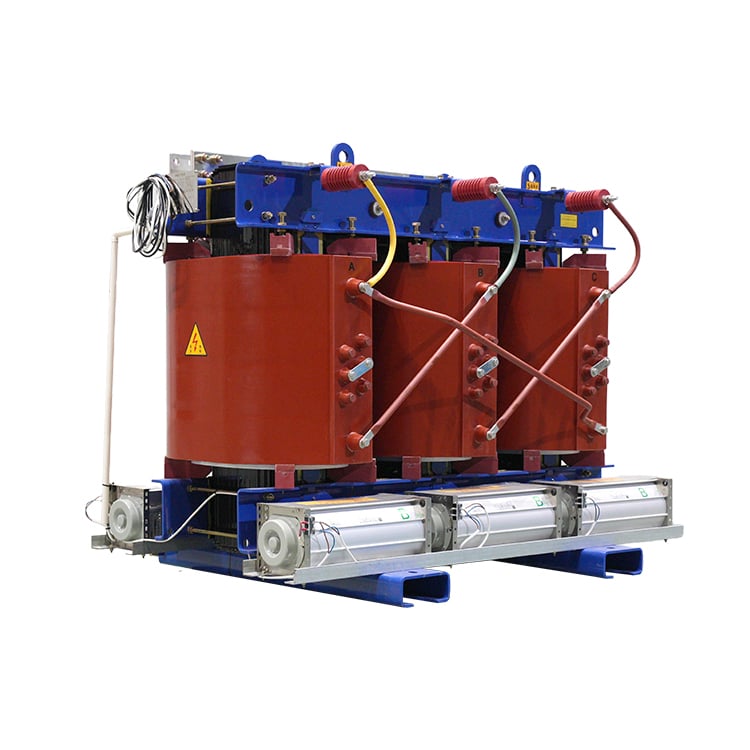
The adoption of a dry type transformer has accelerated in recent years due to stricter fire codes, insurance requirements, and occupational safety regulations. Facility designers recognize that a dry type transformer minimizes liability exposure while meeting stringent indoor installation standards. This article explores the key safety mechanisms that make a dry type transformer an intelligent investment for any operation prioritizing personnel protection and asset security.
Fire Safety and Thermal Performance
Eliminating Flammable Cooling Mediums
The most significant safety advantage of a dry type transformer is the absence of flammable insulating oil. Traditional transformers rely on mineral oil for both cooling and electrical insulation, creating an inherent fire risk if the tank ruptures or overheats. A dry type transformer uses solid insulation materials such as epoxy resin or cast-coil construction, which are non-flammable and do not support combustion. This fundamental design difference eliminates one of the primary ignition sources in electrical equipment failures, substantially reducing fire incident probability in densely occupied buildings.
Controlled Thermal Dissipation
A dry type transformer dissipates heat through air circulation rather than fluid convection, resulting in lower peak operating temperatures and more stable thermal profiles. The external surface of a dry type transformer remains significantly cooler than oil-immersed units, reducing the risk of accidental burns and minimizing thermal stress on adjacent structures and insulation layers. Modern dry type transformer designs incorporate ventilation pathways and insulation coatings that promote efficient heat distribution while preventing localized hotspots that could trigger degradation or failure.
Environmental Protection and Regulatory Compliance
Containment and Spill Prevention
Indoor installations of oil-filled transformers require secondary containment systems, spill kits, and regular environmental compliance inspections. A dry type transformer eliminates these requirements entirely, as there is no liquid medium to leak, spill, or contaminate soil or groundwater. This advantage reduces facility complexity, lowers maintenance overhead, and removes environmental liability concerns. Regulatory agencies increasingly mandate oil-free installations in facilities near water sources, populated zones, or environmentally sensitive areas, making a dry type transformer the only viable option for many modern indoor locations.
Meeting Fire Code Requirements
Building codes and fire safety standards across North America, Europe, and Asia explicitly favor a dry type transformer for indoor use because it aligns with performance-based fire protection strategies. Many jurisdictions classify a dry type transformer as a non-flammable electrical component, allowing reduced separation distances from occupied spaces and exempting it from certain hazard-mitigation measures required for oil-filled units. Insurance providers also recognize these benefits and often offer lower premiums for facilities equipped with a dry type transformer, creating direct cost savings that offset the slightly higher upfront investment.
Operational Reliability and Personnel Safety
Reduced Maintenance and Risk Exposure
A dry type transformer requires minimal preventive maintenance compared to oil-filled designs. Technicians do not need to perform oil analysis tests, change filters, or manage fluid disposal schedules. This reduced intervention frequency means fewer personnel exposures to electrical hazards and chemical contaminants. A dry type transformer installed in an indoor facility can operate reliably for two decades or more without requiring the extensive downtime and specialized expertise demanded by traditional transformers, enhancing workplace safety through simplified operation and reduced handling risk.
Enhanced Moisture Resistance
Modern dry type transformer constructions use epoxy resin and vacuum-pressure impregnation processes that create moisture barriers far superior to oil-based systems. In humid indoor environments, moisture ingress is a persistent threat to transformer reliability and safety. A dry type transformer resists moisture absorption more effectively, maintaining consistent dielectric strength and preventing insulation breakdown that could lead to arc faults or electrical failures. This inherent robustness is particularly valuable in coastal facilities, food processing plants, or data centers where humidity control is difficult or expensive.
Design Flexibility and Installation Advantages
Compact Footprint and Space Efficiency
A dry type transformer can be installed in confined spaces, above occupied areas, and alongside temperature-sensitive equipment without requiring isolation rooms or oil containment vaults. This spatial flexibility allows facilities to optimize real estate use and reduce construction costs. The absence of surrounding space requirements for oil-filled transformer installations means a dry type transformer can be positioned closer to load centers, reducing cable runs and improving overall system efficiency while simplifying safety compliance.
Simplified Cooling and Ventilation
While a dry type transformer still requires adequate ventilation to dissipate heat into surrounding air, cooling design is far more straightforward than forced-oil circulation systems. A dry type transformer does not depend on pump reliability, sealed cooling loops, or heat exchanger functionality, eliminating multiple potential failure points. Facility engineers can design cooling systems for a dry type transformer using standard HVAC principles and passive airflow strategies, reducing capital expenditure and operational complexity while enhancing dependability in mission-critical applications.
FAQ
What is the fire rating of a dry type transformer compared to oil-filled models?
A dry type transformer achieves a fire rating of Class F (self-extinguishing) or higher, meaning it will not ignite or propagate flames even when exposed to 600 degrees Celsius. Oil-immersed transformers classified as non-flammable still carry inherent combustion risk if the insulating fluid ruptures or overheats. The dry type transformer rating makes it suitable for placement near occupied spaces, combustible materials, and critical infrastructure without additional fire suppression systems.
Can a dry type transformer be installed directly in a data center or server room?
Yes, a dry type transformer is the standard choice for data centers and server rooms because it produces no flammable vapors, requires no oil disposal protocols, and operates at temperatures compatible with sensitive electronics. The dry type transformer design eliminates potential contamination of cooling systems and allows installation in close proximity to equipment without specialized isolation. Many modern data facilities mandate a dry type transformer as a core infrastructure requirement.
Does a dry type transformer require more frequent inspections than oil-filled units?
No, a dry type transformer typically requires fewer inspections and less frequent maintenance. While oil-immersed transformers demand quarterly or semi-annual oil sampling and filter changes, a dry type transformer requires visual inspection annually and periodic infrared thermography testing to confirm thermal performance. The dry type transformer design inherently resists degradation mechanisms that plague oil-based systems, resulting in lower total cost of ownership and simpler compliance documentation.