 EN
EN


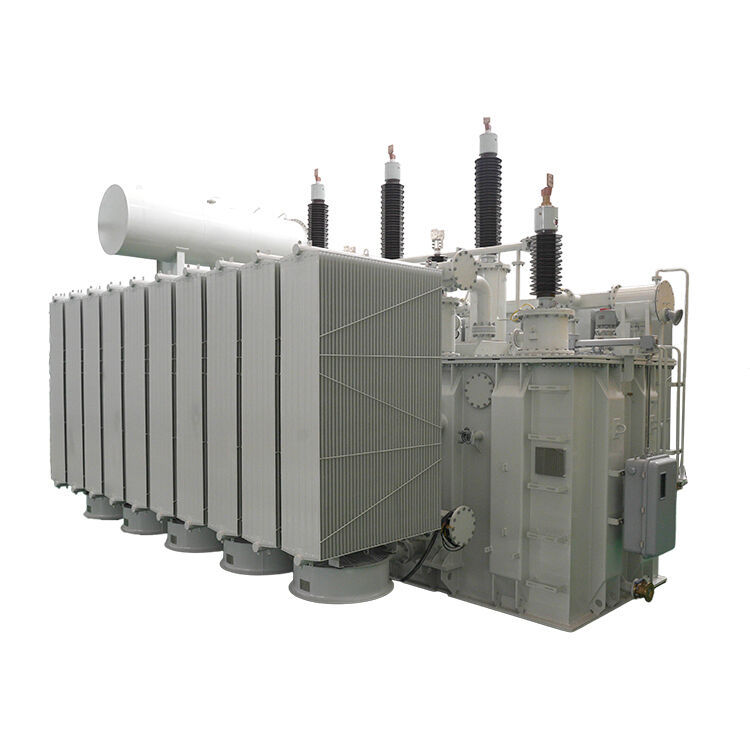
Auto transformers serve critical roles in power systems worldwide, but their unique electrical characteristics create specific safety challenges that require careful consideration. Unlike conventional transformers with separate primary and secondary windings, auto transformers utilize a single continuous winding with tapped connections, creating direct electrical connections between input and output circuits that fundamentally alter safety protocols.
Power system engineers must address multiple safety dimensions when deploying auto transformers, including electrical isolation concerns, fault current behavior, grounding system compatibility, and protective relay coordination. These considerations become increasingly complex in high-voltage applications where the consequences of safety oversights can result in equipment damage, system instability, and personnel hazards that extend far beyond the transformer installation itself.
Electrical Isolation and Grounding Safety Challenges
Common Winding Connection Risks
The shared winding configuration in auto transformers creates a direct electrical path between high-voltage and low-voltage sides, eliminating the galvanic isolation present in conventional transformers. This connection means that voltage transients, surges, or faults on one side can directly impact connected equipment on the other side, requiring enhanced surge protection and coordination strategies throughout the power system.
Personnel working on supposedly de-energized low-voltage circuits connected to auto transformers face increased risks because the high-voltage side may still energize these circuits through the common winding. Safety protocols must account for this direct connection by implementing comprehensive lockout-tagout procedures that verify isolation on both sides of the auto transformers before maintenance activities begin.
Equipment connected to auto transformer circuits requires careful evaluation of insulation coordination, as the effective voltage stress may exceed normal operating parameters during transient conditions. The lack of electrical isolation means that lightning strikes or switching surges affecting one circuit can propagate directly to connected equipment, necessitating enhanced surge arrestor placement and grounding system design.
Neutral Point Grounding Considerations
Auto transformers present unique grounding challenges because the neutral point behavior differs significantly from conventional transformer configurations. The common winding creates a direct connection between system neutral points that can affect fault current distribution, ground fault detection sensitivity, and overall system protection coordination across multiple voltage levels.
Solidly grounded systems connected through auto transformers may experience unexpected neutral current circulation during normal operation, particularly when serving unbalanced loads or during single-phase switching operations. These currents can cause nuisance protective relay operations, equipment heating, and potential neutral conductor failures if not properly anticipated in the system design phase.
High-resistance grounding systems require special attention when auto transformers are involved because the grounding impedance calculation must account for the parallel paths created by the common winding configuration. Incorrect grounding resistance values can compromise ground fault detection capabilities and create dangerous touch voltages during fault conditions.
Fault Current Behavior and Protection Coordination
Short Circuit Current Characteristics
Fault current behavior in auto transformer circuits differs substantially from conventional transformer applications due to the direct electrical connection between windings. During internal faults, the current distribution follows multiple parallel paths through the common winding section, creating complex current patterns that can challenge traditional protective relay settings and coordination schemes.
The impedance characteristics of auto transformers vary with fault location, particularly for faults occurring within the common winding section where the effective impedance may be significantly lower than expected. This reduced impedance can result in higher fault currents that exceed equipment ratings or protective device interrupting capabilities if not properly analyzed during system studies.
External faults on systems connected to auto transformers can produce through-fault currents that stress the transformer winding insulation differently than in conventional designs. The current distribution during these fault conditions requires careful analysis to ensure that thermal and mechanical stresses remain within acceptable limits throughout the fault clearing time.
Differential Protection Challenges
Implementing differential protection for auto transformers requires sophisticated relay algorithms that account for the current transformation ratios and phase relationships unique to these machines. The common winding configuration means that normal load current flows through different portions of the winding simultaneously, creating complex current patterns that standard differential schemes may interpret as internal faults.
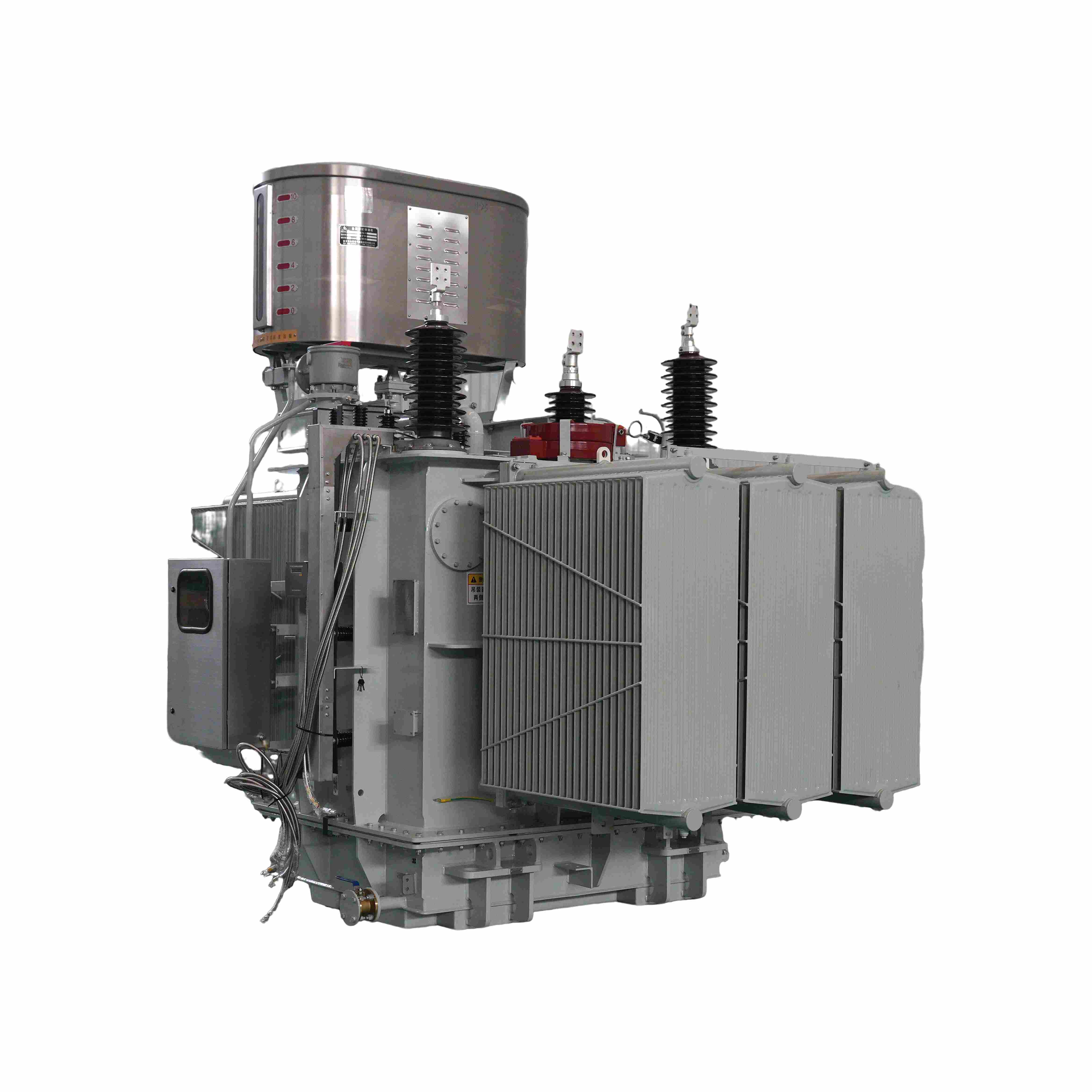
Current transformer selection and placement for auto transformer protection requires careful consideration of the actual current distribution during various operating conditions. Conventional CT ratio calculations may not apply directly to auto transformers, necessitating detailed analysis of current flows during normal operation, external faults, and various loading conditions to ensure proper protection sensitivity.
The restraint characteristics of differential relays protecting auto transformers must be carefully tuned to prevent false tripping during inrush current conditions, which may have different harmonic content and duration compared to conventional transformers. The direct electrical connection between windings can affect the magnetic circuit behavior during energization, requiring specialized relay settings and testing procedures.
Insulation Coordination and Overvoltage Protection
Lightning and Switching Surge Considerations
Auto transformers in power systems require enhanced surge protection strategies because the direct winding connection provides a path for overvoltages to transfer between different voltage levels without the natural isolation provided by conventional transformers. Lightning strikes on transmission lines can propagate through auto transformers to affect distribution circuits, potentially damaging equipment rated for lower voltage stress levels.
The surge impedance characteristics of auto transformers differ from conventional units, affecting the surge current distribution and voltage stress patterns during transient events. These characteristics must be carefully modeled in transient analysis studies to ensure that surge arrestor ratings, locations, and protective margins provide adequate equipment protection across all connected voltage levels.
Switching operations involving auto transformers can generate overvoltages that affect connected equipment on multiple voltage levels simultaneously. The common winding acts as a transmission medium for these transients, requiring coordination of surge protection devices across the entire system rather than treating each voltage level independently.
Insulation Testing and Maintenance Requirements
Insulation testing procedures for auto transformers must account for the electrical connections between windings that prevent complete isolation during maintenance activities. Standard insulation resistance tests may not provide meaningful results when applied to auto transformer circuits without proper understanding of the current paths and voltage distributions during testing.
Dielectric testing of auto transformers requires modified procedures that consider the direct electrical connections between high-voltage and low-voltage circuits. Test voltages must be carefully selected to avoid over-stressing insulation systems while still providing meaningful assessment of insulation condition and integrity.
Oil sampling and analysis programs for oil-filled auto transformers must consider the potential for contamination migration between winding sections that share common oil volumes. Dissolved gas analysis interpretation may require different criteria compared to conventional transformers due to the different fault signatures created by the common winding configuration.
Operational Safety Protocols and Personnel Protection
Maintenance Safety Procedures
Personnel safety protocols for auto transformer maintenance must account for the direct electrical connection between voltage levels that eliminates traditional assumptions about circuit isolation. Maintenance crews must verify complete de-energization on all connected circuits before beginning work, as energized conditions on any connected system can create hazardous voltages throughout the auto transformer installation.
The common winding configuration requires enhanced lockout-tagout procedures that extend beyond the immediate transformer location to include all connected circuits that could potentially back-feed energy through the direct electrical connections. Safety training programs must emphasize these unique characteristics and ensure that maintenance personnel understand the extended isolation requirements.
Personal protective equipment requirements for auto transformer maintenance may differ from conventional transformer work due to the potential for unexpected voltage exposure from connected circuits. Arc flash analysis must consider the fault current contributions from all connected sources, including those that might normally be considered isolated in conventional transformer installations.
Emergency Response Considerations
Emergency response procedures for auto transformer incidents must account for the multiple circuits that may be affected simultaneously due to the direct electrical connections. Incident command personnel need clear understanding of which circuits remain energized and which systems may be affected by emergency isolation procedures.
Fire suppression systems for auto transformer installations require coordination with multiple voltage levels and connected equipment that may remain energized during emergency conditions. The direct electrical connection means that de-energizing procedures must consider system stability impacts across multiple voltage levels when implementing emergency isolation measures.
Coordination with utility system operators becomes critical during auto transformer emergencies because the direct connection between voltage levels may require simultaneous switching operations across multiple system levels to maintain system stability while ensuring personnel safety during emergency response activities.
System Design Integration Safety Factors
Load Flow and Stability Considerations
Auto transformers in power systems create direct coupling between different voltage levels that affects system stability calculations and emergency operating procedures. The common winding allows power flow variations on one voltage level to directly impact connected circuits, requiring comprehensive stability studies that account for these interactions during system planning and emergency operating procedure development.
Voltage regulation characteristics of auto transformers differ from conventional units due to the direct electrical connection, affecting both normal operation and emergency operating conditions. System operators must understand these characteristics to maintain safe operating margins during various system configurations and loading conditions.
The direct connection in auto transformers can affect power system restoration procedures following blackout conditions, as the sequencing of circuit energization must consider the coupled nature of the connected voltage levels. Standard restoration procedures may require modification to account for auto transformer characteristics and ensure safe system restoration.
Protection System Coordination
Protective relay coordination in systems with auto transformers requires comprehensive analysis of fault current distribution patterns that differ significantly from conventional transformer installations. The direct electrical connection creates multiple current paths during fault conditions that can affect relay sensitivity, selectivity, and coordination margins throughout the connected network.
Zone protection schemes must be carefully designed to account for auto transformer characteristics, particularly regarding current transformer placement and relay communication requirements. The common winding configuration may require additional communication links and coordination logic to ensure proper protection system operation during various fault and switching scenarios.
Backup protection systems for auto transformers must consider the extended impact area created by the direct electrical connections between voltage levels. Remote backup protection schemes may need modification to account for the coupled nature of auto transformer circuits and ensure adequate system protection during primary protection system failures.
FAQ
Do auto transformers require different safety training for maintenance personnel?
Yes, maintenance personnel working on auto transformers require specialized safety training that emphasizes the direct electrical connection between voltage levels and the extended isolation requirements this creates. Traditional transformer safety procedures must be modified to account for the potential for back-feeding from connected circuits and the absence of galvanic isolation between voltage levels.
How do auto transformers affect ground fault protection sensitivity?
Auto transformers can significantly impact ground fault protection sensitivity due to the direct neutral connection between voltage levels and the multiple current paths created during ground fault conditions. Ground fault current distribution follows complex patterns that may require specialized relay settings and coordination studies to ensure proper protection system operation while maintaining adequate sensitivity for personnel and equipment protection.
What special considerations apply to surge arrestor selection for auto transformer applications?
Surge arrestor selection for auto transformer applications must account for the direct overvoltage transfer between voltage levels and the modified surge impedance characteristics created by the common winding configuration. Arrestor ratings, locations, and coordination requirements differ from conventional transformer applications and require detailed transient analysis to ensure adequate protection margins across all connected voltage levels.
Can standard differential protection schemes be used with auto transformers?
Standard differential protection schemes typically require modification for auto transformer applications due to the complex current transformation ratios and current distribution patterns created by the common winding configuration. Specialized relay algorithms or modified CT arrangements are usually necessary to provide reliable differential protection while avoiding false tripping during normal operating conditions and external fault scenarios.
Table of Contents
- Electrical Isolation and Grounding Safety Challenges
- Fault Current Behavior and Protection Coordination
- Insulation Coordination and Overvoltage Protection
- Operational Safety Protocols and Personnel Protection
- System Design Integration Safety Factors
-
FAQ
- Do auto transformers require different safety training for maintenance personnel?
- How do auto transformers affect ground fault protection sensitivity?
- What special considerations apply to surge arrestor selection for auto transformer applications?
- Can standard differential protection schemes be used with auto transformers?