 EN
EN


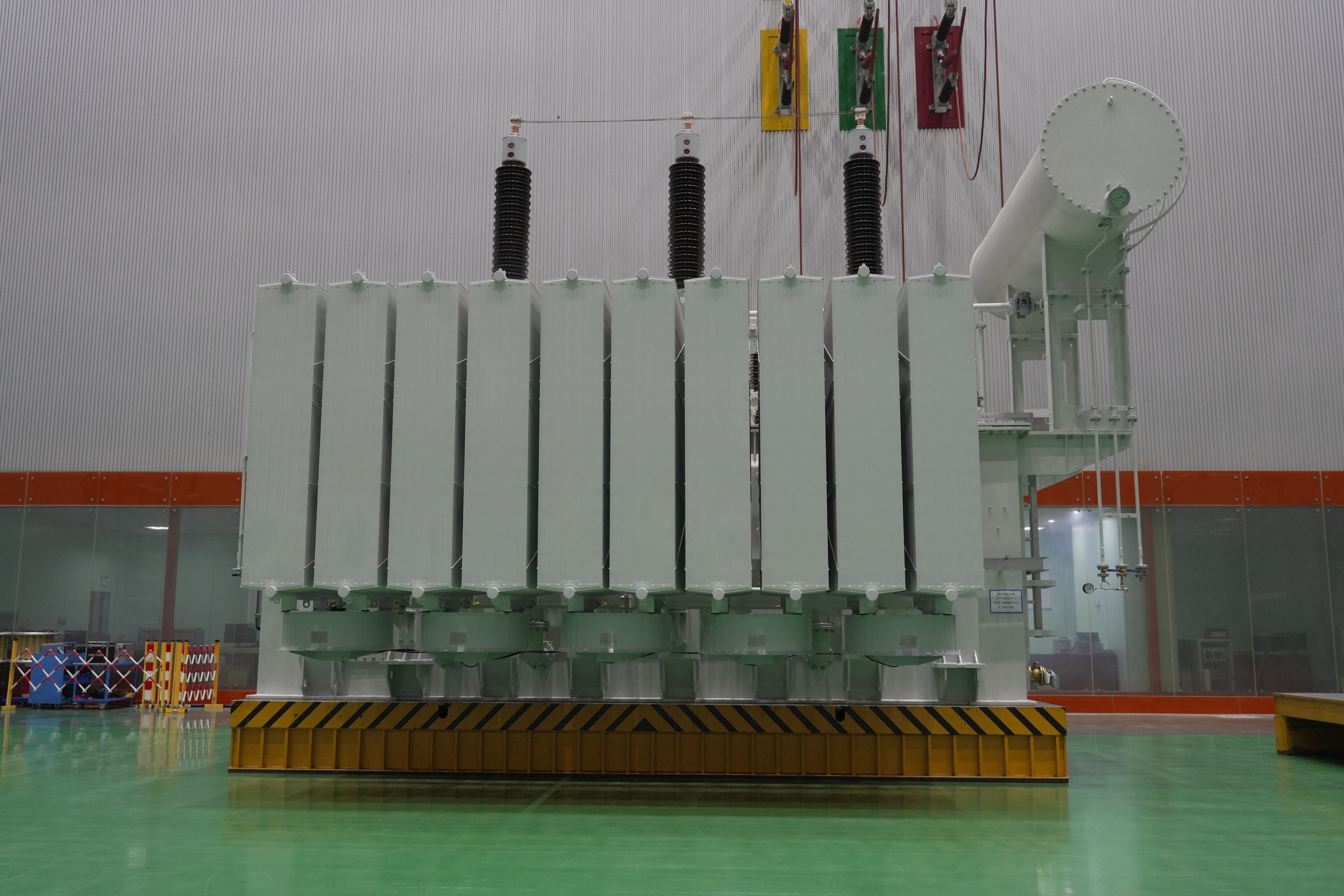
Substation upgrade projects represent critical infrastructure investments that determine the reliability and efficiency of electrical power systems for decades to come. When utility companies and industrial operators face aging infrastructure, increasing load demands, or evolving grid requirements, the selection and application of appropriate transformer technology becomes a pivotal decision that impacts both immediate project success and long-term operational performance.
Auto transformers have emerged as a preferred solution in many substation modernization initiatives due to their unique design characteristics and operational advantages. Unlike conventional two-winding transformers, auto transformers utilize a single winding with electrical connections at different points, enabling them to provide voltage transformation while offering superior efficiency, reduced footprint, and lower initial capital investment for specific voltage ratio applications.
Auto Transformer Integration Methods in Substation Upgrades
Primary Voltage Level Conversion Applications
Auto transformers excel in substation upgrade scenarios where voltage level conversions involve ratios typically between 1.5:1 and 3:1, making them particularly suitable for transmission-level applications. In upgrade projects, these units frequently serve as the primary interface between different voltage levels, such as converting 230kV to 138kV or 500kV to 345kV, where the voltage differential allows auto transformers to operate at peak efficiency levels exceeding 99%.
The integration process typically begins with detailed load flow analysis to determine the optimal placement within the substation configuration. Engineers must evaluate existing bus arrangements, protection schemes, and future expansion requirements to position auto transformers where they can maximize system benefits while maintaining operational flexibility.
Installation methodology depends heavily on whether the upgrade occurs during scheduled outages or requires energized line work. Auto transformers often facilitate phased upgrade approaches due to their ability to maintain service continuity during construction phases, allowing utilities to upgrade substation sections incrementally without complete system shutdowns.
Interconnection and Tie Applications
Modern substation upgrades frequently involve creating or enhancing interconnections between different voltage systems or utility networks. Auto transformers serve as ideal interconnection devices because their inherent design provides both electrical isolation and voltage transformation capabilities while maintaining high efficiency across varying load conditions.
These applications often require auto transformers to operate in parallel configurations or as part of complex network arrangements. The upgrade process must account for protection coordination, fault current contributions, and load sharing characteristics that differ from conventional transformer applications. Auto transformers in interconnection roles typically require sophisticated control systems to manage power flows and maintain system stability.
Tie applications particularly benefit from the auto transformer's ability to provide bidirectional power flow with minimal losses. This characteristic proves essential in modern grid operations where power flow directions may vary based on renewable energy generation patterns, load variations, and economic dispatch considerations.
Technical Implementation Strategies
Load Analysis and Sizing Considerations
Proper sizing of auto transformers in upgrade projects requires comprehensive analysis of both existing and projected load patterns. Unlike replacement scenarios where historical data provides clear guidance, upgrade projects often involve significant changes to system configuration and load distribution that must be carefully modeled and verified.
The sizing process must account for the auto transformer's unique operating characteristics, including its reduced insulation requirements between windings and the resulting impact on short-circuit current levels. Engineers typically perform detailed fault studies to ensure that existing protective equipment remains adequate or to specify necessary protection system upgrades.
Dynamic loading capabilities of auto transformers often allow for more aggressive sizing strategies compared to conventional transformers. The superior thermal characteristics and lower losses enable these units to handle temporary overloads more effectively, providing operational flexibility that proves valuable during system contingencies or emergency conditions.
Protection System Integration
Auto transformers require specialized protection schemes that account for their unique winding configuration and grounding arrangements. Upgrade projects must carefully coordinate new protection systems with existing substation protective devices to maintain selective operation and system stability.
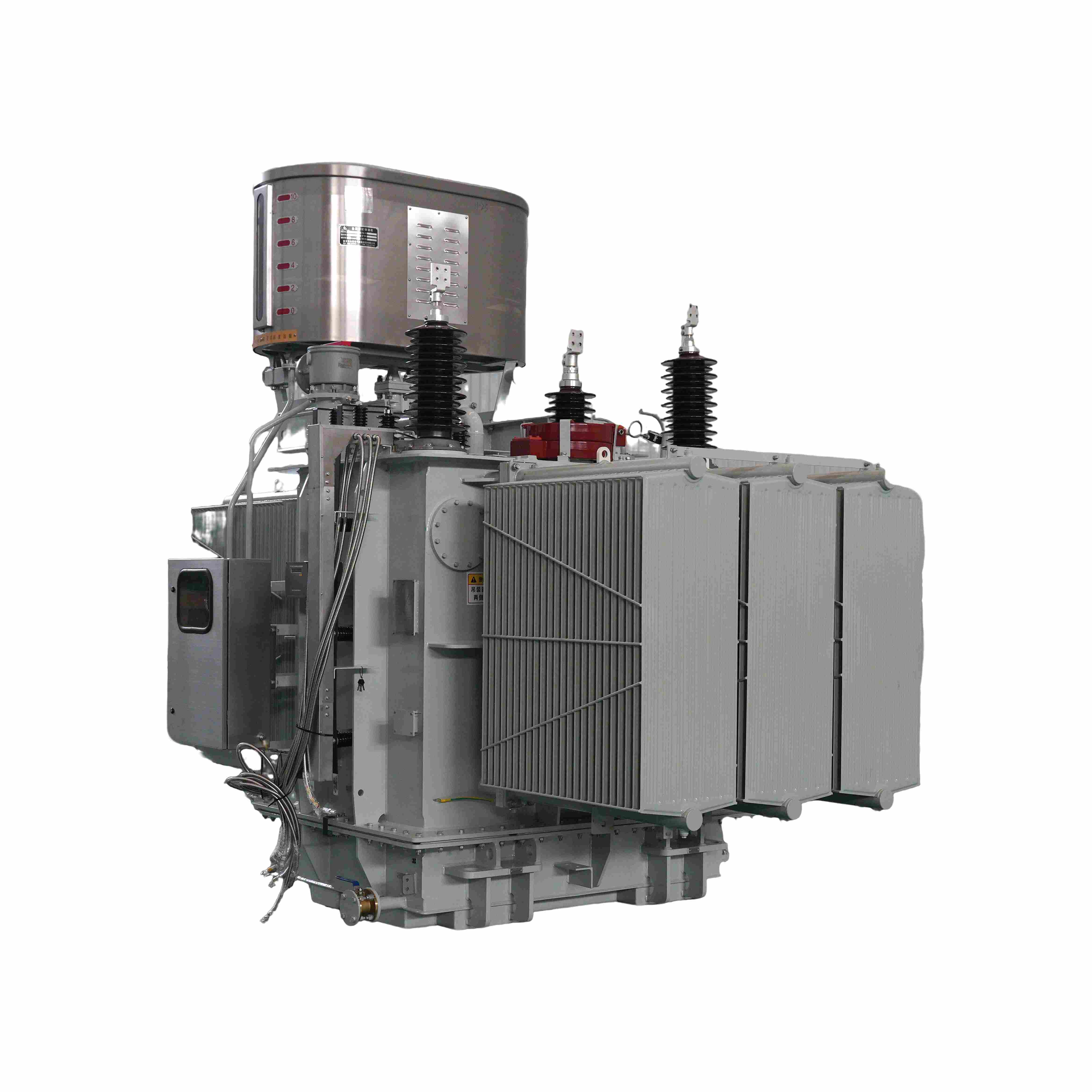
The protection integration process typically involves updating relay settings, communication protocols, and control logic to accommodate the auto transformer's operational characteristics. Differential protection schemes require particular attention due to the common winding arrangement that affects current transformer ratios and connection methods.
Modern upgrade projects increasingly incorporate digital protection systems that provide enhanced monitoring capabilities and integration with substation automation systems. Auto transformers benefit significantly from these advanced protection features, which can optimize performance and provide predictive maintenance capabilities that extend equipment life and improve reliability.
Operational Benefits and Performance Optimization
Efficiency Improvements in Upgraded Systems
Auto transformers deliver substantial efficiency improvements that become particularly valuable in upgraded substations serving higher load levels or operating under more demanding conditions. The inherent design advantages result in losses typically 20-30% lower than equivalent conventional transformers, translating to significant operational savings over the equipment lifetime.
These efficiency gains compound in upgrade scenarios where auto transformers replace older, less efficient equipment or enable system reconfigurations that reduce overall transmission losses. The improved efficiency also reduces cooling requirements and extends equipment life by minimizing thermal stress on insulation systems and other critical components.
Power quality improvements often accompany auto transformer installations in upgrade projects. The reduced impedance and superior voltage regulation characteristics help maintain stable voltage profiles across varying load conditions, particularly important in substations serving sensitive industrial loads or supporting distributed generation resources.
Space Utilization and Installation Advantages
Substation upgrade projects frequently face significant space constraints, particularly in urban environments or existing facilities with limited expansion capability. Auto transformers provide substantial space savings compared to conventional transformer alternatives, often reducing required footprint by 15-25% while delivering equivalent performance.
The reduced size and weight characteristics of auto transformers simplify transportation and installation logistics in upgrade scenarios. These advantages prove particularly valuable when working within energized substations where construction access may be limited and installation sequences must be carefully coordinated to maintain system reliability.
Foundation requirements for auto transformers are typically less demanding than conventional alternatives, reducing construction complexity and costs in upgrade projects. The lower weight and more compact design often allow installation on existing foundations with minimal modifications, accelerating project schedules and reducing overall upgrade costs.
Project Planning and Implementation Considerations
Outage Coordination and Staging
Successful auto transformer integration in substation upgrades requires careful coordination of system outages and construction staging to minimize service disruptions. The planning process must account for the auto transformer's unique installation requirements while maintaining adequate system redundancy throughout the upgrade period.
Auto transformers often enable more flexible outage scheduling due to their ability to provide temporary service configurations during construction phases. This flexibility allows utilities to coordinate upgrades with planned maintenance activities or seasonal load variations, reducing the overall impact on system operations and customer service.
Commissioning procedures for auto transformers in upgrade applications require specialized testing protocols that verify proper operation within the modified system configuration. These tests must validate not only individual equipment performance but also system-level interactions and protection coordination throughout various operating scenarios.
Future Expansion Compatibility
Auto transformers installed during upgrade projects must accommodate future system expansion and evolution requirements. The planning process should evaluate long-term load growth projections, potential voltage level changes, and emerging technology integration requirements that may affect transformer specifications and installation details.
Modular expansion capabilities become particularly important when auto transformers serve as foundation elements in multi-phase upgrade programs. The design must provide adequate spare capacity and connection points for future additions while maintaining operational flexibility throughout various expansion scenarios.
Smart grid integration requirements increasingly influence auto transformer selection and application in upgrade projects. These units must support advanced monitoring, control, and communication capabilities that enable participation in automated grid management systems and real-time optimization strategies.
FAQ
What voltage ratios work best for auto transformer applications in substation upgrades?
Auto transformers perform optimally in substation upgrades when voltage ratios range between 1.5:1 and 3:1, such as 230kV to 138kV or 345kV to 230kV applications. These ratios maximize the efficiency and cost advantages while maintaining adequate electrical isolation for safe operation. Higher ratios may require conventional two-winding transformers for better performance and safety margins.
How do auto transformers affect existing protection systems during substation upgrades?
Auto transformers require specialized protection coordination due to their single-winding design and unique grounding arrangements. Existing protection systems typically need relay setting modifications, updated current transformer ratios, and revised differential protection schemes. The upgrade process should include comprehensive protection studies to ensure selective operation and maintain system stability throughout all operating conditions.
Can auto transformers be installed in energized substations during upgrade projects?
Auto transformers can often be installed in energized substations with proper planning and safety protocols, though this depends on specific site conditions and system configuration. Their compact size and flexible connection arrangements frequently enable phased installation approaches that maintain service continuity. However, final energization and testing typically require coordinated outages to ensure safe commissioning and system integration.
What are the key cost considerations when specifying auto transformers for substation upgrades?
Auto transformers typically offer 15-25% lower initial costs compared to conventional transformers of equivalent capacity, plus reduced foundation and installation expenses due to their smaller size and weight. Long-term operational savings from higher efficiency and lower maintenance requirements often justify the investment. However, the total project cost must include protection system modifications and any required infrastructure upgrades to support the new configuration.
Table of Contents
- Auto Transformer Integration Methods in Substation Upgrades
- Technical Implementation Strategies
- Operational Benefits and Performance Optimization
- Project Planning and Implementation Considerations
-
FAQ
- What voltage ratios work best for auto transformer applications in substation upgrades?
- How do auto transformers affect existing protection systems during substation upgrades?
- Can auto transformers be installed in energized substations during upgrade projects?
- What are the key cost considerations when specifying auto transformers for substation upgrades?