 EN
EN
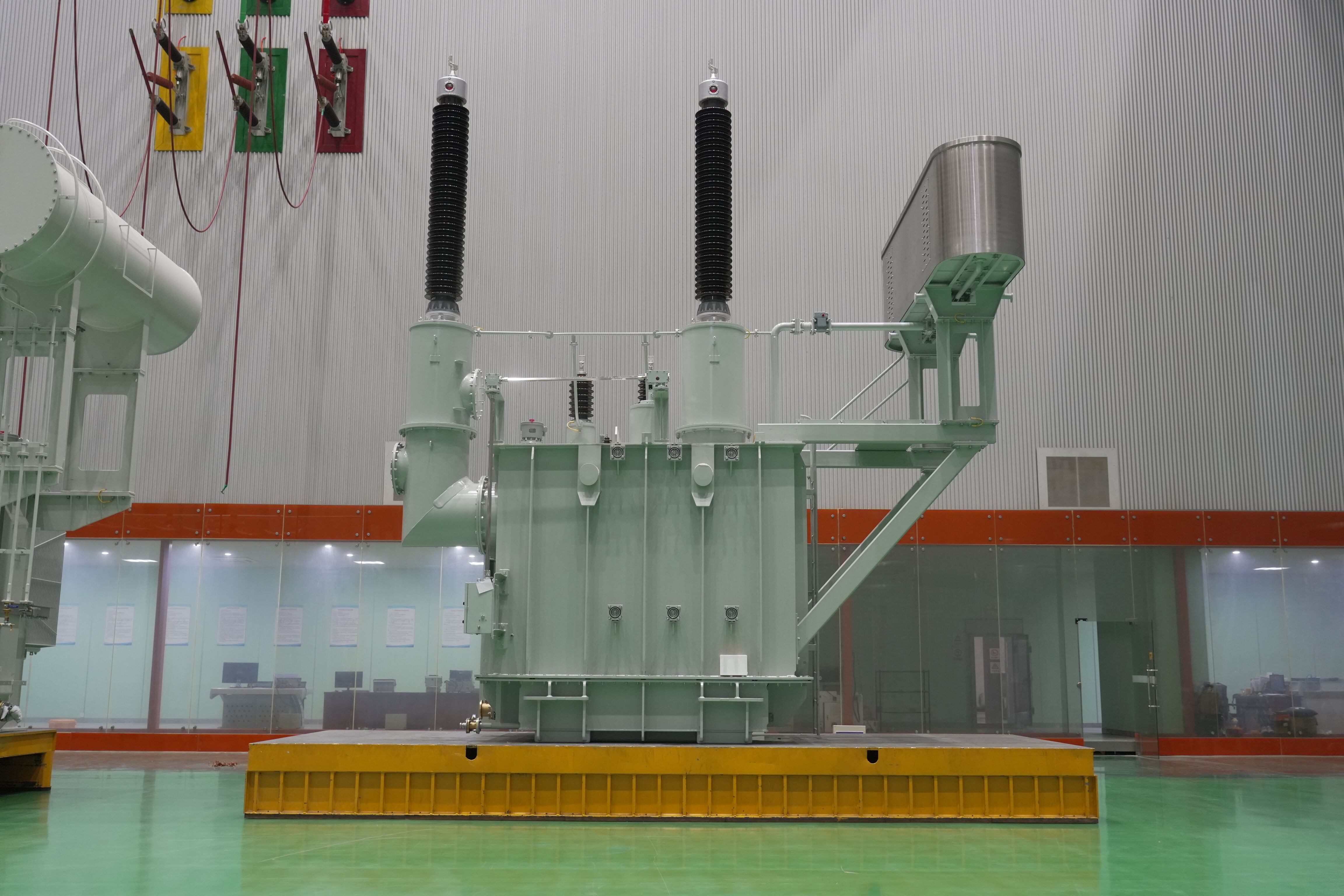
Rail electrification systems depend heavily on the reliability, safety, and performance of traction transformers, which serve as the backbone for converting high-voltage grid power into usable energy for trains and locomotives. These critical components operate under demanding conditions, including variable loads, temperature fluctuations, mechanical stress from vibrations, and environmental exposure. To ensure consistent performance and interoperability across international rail networks, traction transformers must comply with a comprehensive framework of technical standards and regulatory requirements. Understanding what standards govern traction transformers for rail infrastructure is essential for engineers, procurement specialists, and project managers involved in designing, specifying, and maintaining modern rail systems.
The standards governing traction transformers encompass multiple dimensions, including electrical performance parameters, mechanical robustness, thermal management, fire safety, electromagnetic compatibility, and environmental resilience. These standards originate from international bodies such as the International Electrotechnical Commission and the European Committee for Electrotechnical Standardization, as well as regional and national authorities that adapt global norms to specific operational contexts. By adhering to these standards, manufacturers ensure that traction transformers meet rigorous quality benchmarks, while operators gain confidence in equipment longevity, safety margins, and integration compatibility across diverse rolling stock and infrastructure configurations.
International Standards Framework for Traction Transformers
Role of IEC Standards in Defining Performance Requirements
The International Electrotechnical Commission plays a central role in establishing global technical standards for traction transformers used in railway applications. IEC 60310 stands as the foundational standard specifically addressing railway traction transformers and inductors, defining essential characteristics such as voltage ratings, insulation levels, temperature rise limits, and short-circuit withstand capabilities. This standard provides manufacturers and operators with clear benchmarks for design validation, type testing, and routine quality verification. Compliance with IEC 60310 ensures that traction transformers can handle the dynamic electrical conditions typical in rail environments, including sudden load changes, regenerative braking currents, and harmonic distortions introduced by power electronic converters.
Beyond IEC 60310, traction transformers must also align with broader electrical equipment standards such as IEC 60076, which covers power transformers in general. Although IEC 60076 primarily addresses stationary transformers, many of its testing protocols and performance criteria apply to traction transformers, particularly regarding dielectric strength, insulation coordination, and loss measurements. The integration of these standards ensures that traction transformers meet universal electrical safety requirements while accommodating the unique mechanical and thermal stresses inherent in mobile railway applications. This dual-standard approach balances general electrical engineering principles with rail-specific operational demands.
Regional Adaptations and European Normative Framework
In Europe, the European Committee for Electrotechnical Standardization develops and maintains EN standards that harmonize with IEC guidelines while addressing regional regulatory requirements. EN 50329 is particularly relevant for railway rolling stock transformers, specifying additional criteria for electromagnetic compatibility, noise emission, and environmental conditioning. This standard ensures that traction transformers installed on trains operating across European Union member states comply with unified technical and safety requirements, facilitating cross-border interoperability and reducing certification complexity for manufacturers serving multiple markets.
European standards also emphasize fire safety and material toxicity, reflecting stringent passenger safety regulations in enclosed rail vehicles. EN 45545, the European standard for fire protection on railway vehicles, imposes strict requirements on materials used in traction transformers, including fire resistance classifications for insulation materials, structural components, and cooling fluids. Compliance with EN 45545 ensures that traction transformers do not contribute to fire propagation or toxic smoke generation in accident scenarios, protecting passengers and crew while maintaining evacuation routes. These regional adaptations demonstrate how international baseline standards are refined to address specific safety cultures and regulatory priorities.
North American and Other Regional Standards
In North America, traction transformers must meet standards developed by organizations such as the American Railway Engineering and Maintenance-of-Way Association and the Institute of Electrical and Electronics Engineers. IEEE standards, particularly those related to transformers and electrical equipment for rail transit systems, provide technical guidelines that align broadly with IEC principles while incorporating specific design practices prevalent in North American rail infrastructure. These standards address voltage levels common in North American electrification systems, such as 25 kV AC overhead catenary and 750 V DC third-rail configurations, ensuring traction transformers are optimized for regional power supply architectures.
Other regions, including Asia-Pacific and emerging rail markets, often adopt IEC standards as a baseline while developing supplementary national standards to address local climatic conditions, voltage systems, and operational practices. For instance, countries with high-temperature or high-humidity environments may impose additional testing requirements for thermal endurance and moisture ingress protection. This global mosaic of standards reflects the universality of core traction transformer principles while acknowledging the diversity of operational contexts, ensuring that equipment performs reliably whether deployed in Arctic conditions, tropical climates, or desert environments.
Key Technical Parameters Defined by Standards
Voltage and Insulation Coordination Requirements
Standards governing traction transformers establish precise voltage ratings and insulation coordination protocols to ensure safe operation under normal and fault conditions. Traction transformers typically interface with high-voltage catenary systems, often rated at 15 kV, 25 kV, or even 110 kV for modern high-speed rail networks. Standards specify basic insulation levels and impulse withstand voltages that traction transformers must endure, accounting for transient overvoltages caused by lightning strikes, switching operations, and pantograph arcing. These insulation requirements protect internal windings and core assemblies from electrical breakdown, preventing catastrophic failures that could disrupt rail service or endanger personnel.
Insulation coordination standards also address clearance distances, creepage paths, and dielectric testing procedures. Manufacturers must demonstrate through type tests that traction transformers can withstand specified impulse voltages without flashover or permanent degradation. Routine production tests verify that each unit leaving the factory maintains adequate dielectric strength, ensuring consistent quality across large production batches. For traction transformers deployed in harsh environments, standards may require enhanced insulation systems resistant to moisture, contamination, and thermal cycling, reflecting the diverse operating conditions encountered in global rail networks.
Thermal Management and Temperature Rise Limits
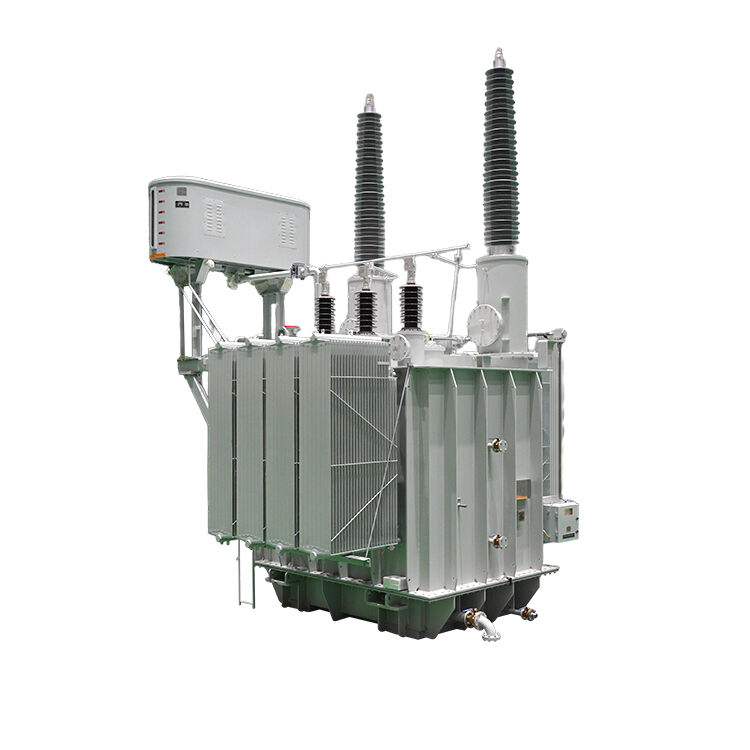
Effective thermal management is critical for traction transformers, which must dissipate heat generated by core losses, winding resistance, and harmonic currents while operating in confined spaces aboard locomotives or trainsets. Standards define maximum permissible temperature rises for windings, core materials, and insulating fluids, typically measured relative to ambient temperature. For oil-immersed traction transformers, temperature rise limits may specify separate values for average winding temperature, hotspot temperature, and top oil temperature, ensuring that no component exceeds thermal thresholds that could accelerate insulation aging or compromise reliability.
Modern standards increasingly emphasize continuous thermal monitoring and dynamic loading capabilities, recognizing that traction transformers experience variable duty cycles ranging from idling to peak power draw during acceleration. Standards may require manufacturers to provide thermal models and loading guidelines that enable operators to optimize transformer utilization without risking thermal overload. For forced-air or forced-oil cooled traction transformers, standards specify cooling system performance, redundancy, and fail-safe mechanisms, ensuring that thermal management remains effective even under abnormal operating conditions such as cooling fan failure or blocked air intakes.
Short-Circuit Withstand and Mechanical Strength
Traction transformers must withstand substantial mechanical forces generated during short-circuit events, when fault currents can reach many times the normal operating current for brief periods. Standards establish short-circuit withstand requirements based on prospective fault current levels and protection system response times, ensuring that traction transformers maintain structural integrity and electrical function after experiencing through-faults. These requirements protect both the transformer itself and downstream electrical equipment, preventing cascading failures that could immobilize trains or damage wayside infrastructure.
Beyond electrical short-circuit forces, traction transformers installed on rolling stock must endure continuous mechanical vibrations, shocks from track irregularities, and occasional impact events during coupling operations. Standards specify vibration testing protocols that simulate long-term exposure to rail-induced mechanical stress, ensuring that windings remain securely clamped, core laminations do not loosen, and structural components do not fatigue. Compliance with these mechanical robustness standards is essential for traction transformers serving high-speed rail applications, where sustained operation at elevated speeds magnifies mechanical stress and accelerates wear on inadequately designed components.
Electromagnetic Compatibility and Environmental Compliance
Managing Electromagnetic Interference in Rail Environments
Modern rail systems incorporate extensive electronic signaling, communication, and control equipment that can be susceptible to electromagnetic interference generated by traction transformers and associated power conversion systems. Standards governing traction transformers include electromagnetic compatibility requirements that limit radiated and conducted emissions, protecting sensitive onboard and wayside electronics from disruption. These standards define permissible emission levels across frequency spectra relevant to rail communication systems, automatic train protection devices, and passenger information networks, ensuring that traction transformers do not compromise the reliable operation of integrated rail technologies.
Electromagnetic compatibility standards also address immunity requirements, ensuring that traction transformers can operate reliably in electromagnetically noisy environments without malfunction or performance degradation. Rail vehicles generate complex electromagnetic fields from traction motors, auxiliary converters, braking resistors, and wireless communication systems, creating challenging operating conditions for all electrical equipment. Standards require traction transformers to demonstrate immunity to conducted disturbances on power supply lines, radiated electromagnetic fields, and electrostatic discharge events, validating robust design practices that prevent interference-induced failures or erratic behavior in service.
Environmental Resilience and Climate Adaptation
Traction transformers operate in diverse climatic zones, from arctic regions with extreme cold to tropical environments with high humidity and temperature. Standards establish environmental testing requirements that verify equipment performance across specified temperature ranges, humidity levels, altitude conditions, and exposure to solar radiation, salt spray, dust, and other contaminants. These environmental compliance standards ensure that traction transformers maintain electrical and mechanical integrity regardless of deployment location, supporting global interoperability and reducing the need for region-specific designs.
Recent standards increasingly incorporate sustainability considerations, addressing the environmental impact of materials, manufacturing processes, and end-of-life disposal. Standards may restrict the use of hazardous substances such as polychlorinated biphenyls in insulating fluids, promote recyclability of core materials and enclosures, and encourage energy-efficient designs that minimize no-load losses. Environmental compliance extends beyond operational performance to encompass the entire lifecycle of traction transformers, aligning rail electrification with broader societal goals for reduced carbon emissions, resource conservation, and environmental stewardship.
Fire Safety and Material Toxicity Requirements
Fire safety standards impose stringent requirements on materials and design features incorporated into traction transformers, particularly for units installed in passenger-carrying rail vehicles where fire risk poses immediate life-safety concerns. Standards classify insulation materials, structural components, and cooling fluids according to their flammability, smoke generation potential, and toxicity of combustion products. Traction transformers must use materials that achieve specified fire performance ratings, preventing ignition, limiting flame spread, and minimizing toxic smoke release in fire scenarios.
Standards also address fire containment and suppression measures integrated into traction transformer design. These may include fire-resistant enclosures, thermal fuses that disconnect power upon detecting abnormal temperatures, and pressure relief devices that safely vent gases generated by internal faults without allowing flame propagation. Compliance with fire safety standards involves comprehensive testing under controlled fire conditions, validating that traction transformers meet performance targets for flame resistance, smoke density, and toxic gas emission. These requirements reflect the critical importance of passenger safety in rail applications, where evacuation from enclosed vehicles during fire incidents presents unique challenges.
Testing, Certification, and Quality Assurance Processes
Type Testing and Validation Procedures
Standards governing traction transformers define comprehensive type testing protocols that manufacturers must complete to demonstrate compliance with all specified performance, safety, and reliability requirements. Type tests typically include dielectric testing to verify insulation strength, temperature rise tests to validate thermal performance, short-circuit withstand tests to confirm mechanical robustness, and loss measurement tests to quantify efficiency. These tests are conducted on representative production units under controlled laboratory conditions, generating objective evidence that the transformer design meets all applicable standards before series production begins.
Type testing also encompasses specialized evaluations relevant to railway applications, such as vibration and shock testing to simulate rail-induced mechanical stress, audible noise measurements to ensure passenger comfort, and electromagnetic compatibility testing to verify emission and immunity compliance. Standards specify test procedures, acceptance criteria, and documentation requirements, ensuring consistent evaluation across different manufacturers and testing laboratories. Successful completion of type testing, witnessed by independent certification bodies or customer representatives, provides the basis for product approval and market acceptance, establishing confidence in the transformer's suitability for rail infrastructure deployment.
Routine Production Testing and Quality Control
Beyond type testing of initial design samples, standards require routine production testing of every traction transformer unit manufactured to ensure ongoing quality and conformity with specifications. Routine tests typically include dielectric strength verification, winding resistance measurement, turns ratio confirmation, and no-load loss assessment. These tests detect manufacturing defects, material inconsistencies, and assembly errors that could compromise performance or safety, enabling manufacturers to identify and correct quality issues before products reach customers.
Standards specify minimum routine test requirements while allowing manufacturers to implement additional quality control measures tailored to their production processes and customer expectations. Advanced manufacturers may incorporate automated testing systems, statistical process control methods, and comprehensive traceability documentation that links each transformer unit to its material sources, production parameters, and test results. This rigorous quality assurance framework, mandated and guided by standards, ensures that traction transformers delivered to rail operators meet the same performance and reliability benchmarks demonstrated during initial type testing, supporting long-term operational success and minimizing field failures.
Certification and Third-Party Verification
Many rail infrastructure projects require traction transformers to carry formal certification from recognized independent bodies, demonstrating compliance with applicable international, regional, or national standards. Certification involves review of design documentation, inspection of manufacturing facilities, witness testing of production units, and periodic surveillance audits to verify ongoing conformity with certified designs. Standards define the scope and procedures for certification activities, ensuring that certification bodies apply consistent criteria and maintain impartiality when assessing manufacturer compliance.
Third-party certification provides rail operators, project developers, and regulatory authorities with objective assurance that traction transformers meet required standards, reducing procurement risk and facilitating acceptance across multiple jurisdictions. For manufacturers, certification demonstrates technical competence, quality management maturity, and commitment to international best practices, enhancing competitiveness in global markets. Standards governing certification processes also address transparency, appeals procedures, and certification mark usage, protecting the integrity of certification as a trust mechanism within the rail supply chain.
Harmonization Challenges and Future Standards Development
Navigating Multiple Regulatory Jurisdictions
While international standards provide a common technical foundation, traction transformers deployed in global rail projects must often navigate a complex landscape of overlapping and sometimes conflicting regulatory requirements across different countries and regions. Variations in voltage systems, safety philosophies, environmental priorities, and certification procedures create challenges for manufacturers seeking to develop standardized product platforms that can serve multiple markets. Standards harmonization efforts aim to reduce these barriers by promoting mutual recognition of test results, aligning technical requirements, and establishing equivalence frameworks that allow compliance with one standard to satisfy requirements in other jurisdictions.
Despite progress in standards harmonization, practical challenges remain, particularly in emerging markets where rail infrastructure development outpaces standards development or where legacy national standards persist alongside newer international norms. Manufacturers and project developers must carefully analyze applicable standards for each deployment, identifying gaps, conflicts, and supplementary requirements that may necessitate design adaptations or additional testing. This complexity underscores the importance of early engagement with standards bodies, regulatory authorities, and certification agencies when planning rail electrification projects, ensuring that traction transformer specifications align with all relevant governance frameworks.
Emerging Technologies and Standards Evolution
The rapid evolution of rail electrification technologies, including higher voltage systems, solid-state transformers, battery-electric hybrid trains, and hydrogen fuel cell integration, drives ongoing standards development to address new technical challenges and performance requirements. Standards bodies continuously review and update existing standards for traction transformers while developing new standards for emerging equipment categories. This dynamic standards landscape requires manufacturers to engage proactively in standards development committees, contributing technical expertise and practical experience to shape standards that balance innovation enablement with safety assurance and interoperability preservation.
Future standards development for traction transformers will likely emphasize digitalization, predictive maintenance, and smart grid integration. Standards may address communication protocols for condition monitoring systems embedded in traction transformers, data formats for transmitting diagnostic information to fleet management systems, and cybersecurity requirements protecting against unauthorized access to transformer control interfaces. As rail electrification increasingly incorporates renewable energy sources and energy storage systems, standards will evolve to address bidirectional power flow, grid support functions, and resilience under variable power supply conditions, ensuring that traction transformers remain fit for purpose in the evolving rail energy ecosystem.
Sustainability and Circular Economy Considerations
Contemporary standards development increasingly incorporates lifecycle thinking and circular economy principles, reflecting growing societal emphasis on sustainability and resource efficiency. Future standards for traction transformers may establish requirements for design for disassembly, material recyclability, remanufacturing feasibility, and transparency regarding embodied carbon and environmental footprints. These standards will encourage manufacturers to adopt sustainable materials, optimize energy efficiency throughout transformer lifecycles, and develop take-back programs that facilitate responsible end-of-life management.
Standards addressing sustainability will likely integrate performance-based criteria that incentivize innovation rather than prescriptive requirements that constrain design choices. For example, standards may establish energy efficiency targets while leaving manufacturers free to achieve these targets through optimized core materials, winding configurations, or cooling technologies. This approach balances environmental objectives with technological flexibility, supporting continuous improvement and competitive differentiation while ensuring that all traction transformers meet minimum sustainability thresholds. As rail operators increasingly prioritize lifecycle cost and environmental impact alongside initial capital expenditure, standards will play a crucial role in defining and verifying the sustainability credentials of traction transformers.
FAQ
What is the primary international standard for traction transformers?
The primary international standard for traction transformers is IEC 60310, which specifically addresses railway traction transformers and inductors. This standard defines essential performance requirements, testing procedures, and quality criteria applicable to traction transformers worldwide. Many regional and national standards reference or harmonize with IEC 60310 as the foundational technical specification for these critical rail components.
How do European standards differ from IEC standards for traction transformers?
European standards, particularly EN 50329, build upon IEC 60310 by adding specific requirements relevant to European rail operations, including enhanced electromagnetic compatibility criteria, stricter fire safety provisions under EN 45545, and additional environmental testing protocols. These standards ensure compatibility across European rail networks while addressing regional safety and regulatory priorities. European standards often serve as the basis for certification and market access within the European Union.
Are traction transformers subject to environmental compliance standards?
Yes, traction transformers must comply with environmental standards addressing material toxicity, recyclability, energy efficiency, and resistance to climatic conditions. Standards such as RoHS restrict hazardous substances, while environmental testing standards verify performance across temperature ranges, humidity levels, and exposure to contaminants. Increasingly, standards incorporate lifecycle environmental impact considerations, promoting sustainable design and end-of-life management practices.
What testing is required to certify traction transformers for rail use?
Certification requires comprehensive type testing including dielectric strength tests, temperature rise measurements, short-circuit withstand tests, vibration and shock testing, electromagnetic compatibility verification, and fire safety assessments. Additionally, routine production testing of every manufactured unit ensures ongoing quality, while third-party certification bodies conduct design reviews, factory inspections, and periodic surveillance audits to verify continued compliance with applicable standards.