 EN
EN


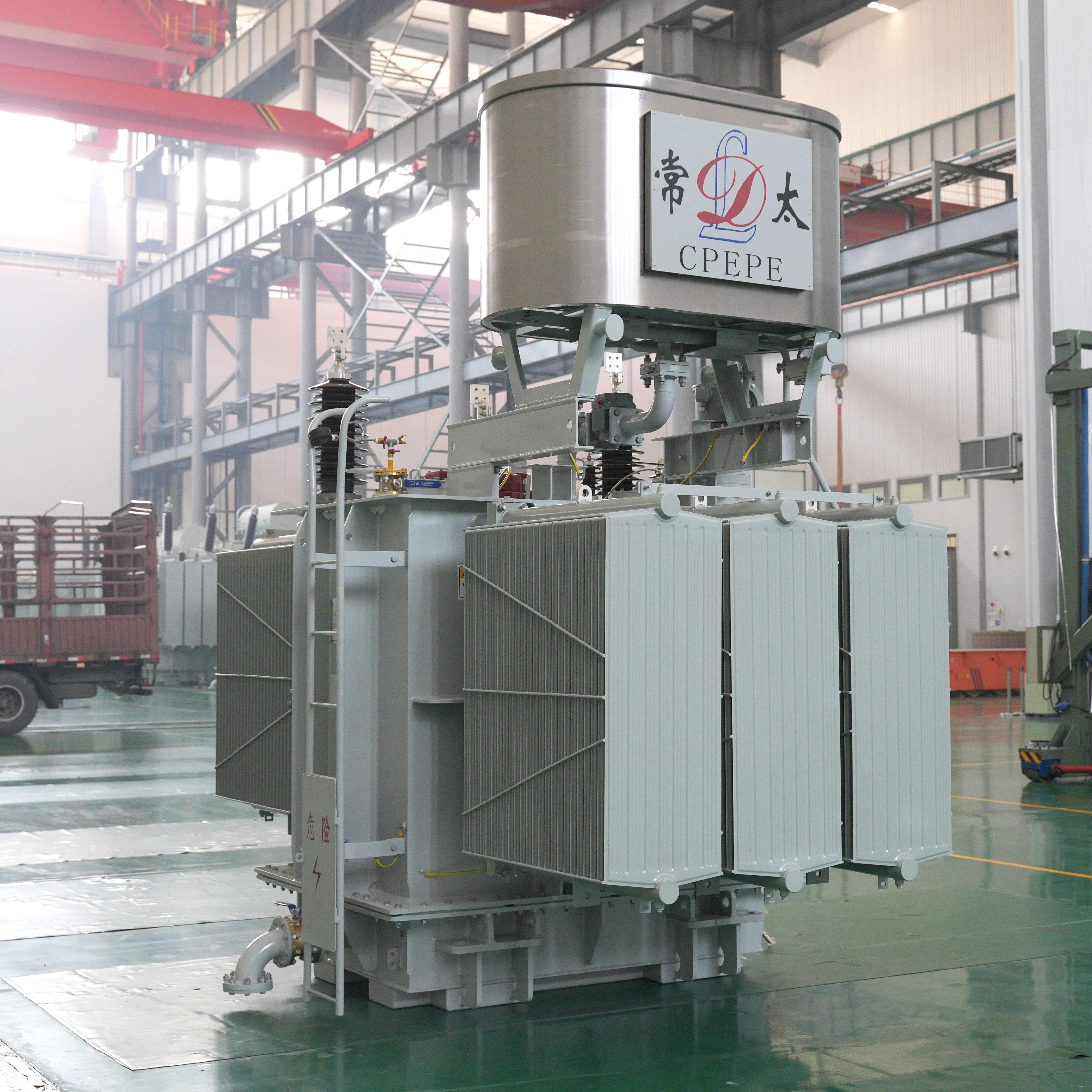
Low-load applications represent a distinct operational category in industrial and commercial settings where power demand remains relatively modest and consistent. Choosing the right transformer for these environments requires careful consideration of efficiency, cost, and performance reliability. A single phase transformer often emerges as the optimal solution for many low-load scenarios, particularly when electrical infrastructure and operational requirements align with single-phase power distribution systems. Understanding when a single phase transformer delivers the best value involves evaluating application specifics, load characteristics, and long-term operational economics.
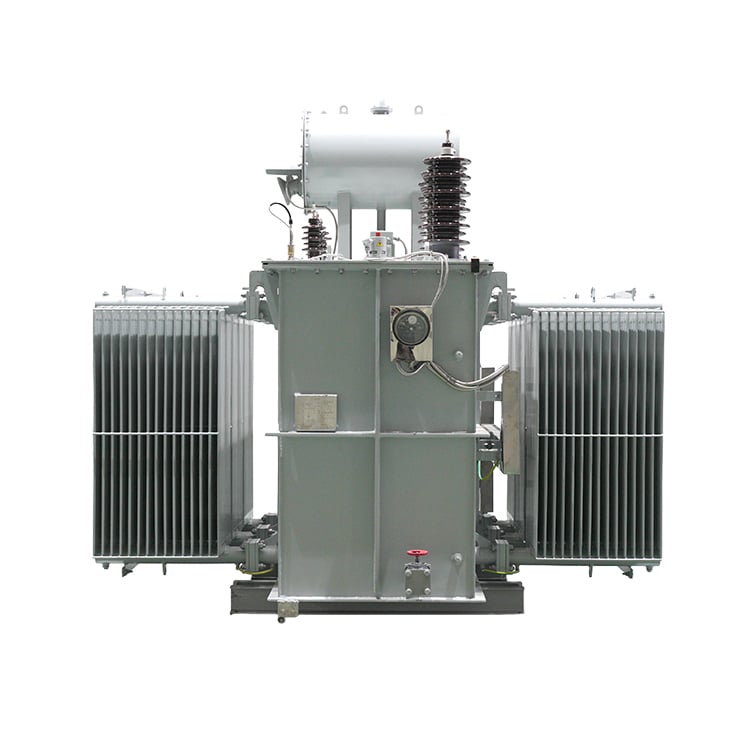
The decision to deploy a single phase transformer in low-load applications reflects practical considerations around equipment sizing, installation complexity, and operating expenses. Low-load scenarios typically involve modest power consumption that does not justify the infrastructure demands and costs associated with three-phase systems. A single phase transformer provides straightforward integration into existing single-phase electrical networks, reducing installation time and technical complexity while maintaining reliable voltage conversion for sensitive equipment and machinery.
Identifying Low-Load Application Characteristics
Understanding Load Profile Definition
Low-load applications span diverse industrial sectors where power consumption remains below threshold levels that would necessitate three-phase distribution infrastructure. These environments include small manufacturing facilities, retail operations, agricultural processing units, and distributed sensing networks. A single phase transformer effectively serves these contexts because load demands rarely exceed the transformer's rated capacity, ensuring efficient operation within designed parameters. Recognizing whether your specific application qualifies as low-load is essential before selecting a single phase transformer solution.
Power Demand Patterns in Low-Load Settings
Low-load applications typically exhibit relatively stable, predictable power consumption patterns that remain constant throughout operational cycles. This consistency makes a single phase transformer particularly suitable because the equipment operates near its efficiency sweet spot without dramatic fluctuations. When loads rarely spike or vary significantly, a single phase transformer sized appropriately for average consumption delivers superior efficiency compared to oversized three-phase alternatives. Analyzing historical consumption data helps determine whether a single phase transformer matches your application's actual operational profile.
Cost and Economic Advantages of Single Phase Solutions
Capital Investment and Installation Economics
The capital cost advantage of a single phase transformer remains substantial compared to three-phase equipment of equivalent power rating. Single-phase systems require simpler wiring infrastructure, fewer connection points, and reduced installation labor, translating into lower total project costs. For low-load applications where budget considerations influence equipment selection, choosing a single phase transformer often represents sound financial strategy without sacrificing performance or reliability. The straightforward installation process accelerates project timelines and minimizes disruption to ongoing operations.
Operational Cost Efficiency
Operating expenses associated with a single phase transformer in low-load environments remain minimal due to optimized sizing and consistent performance characteristics. When a single phase transformer operates near its design capacity without excessive headroom, core losses remain low and efficiency ratings climb significantly. Energy consumption costs directly reflect this efficiency advantage, potentially delivering payback periods of two to five years depending on utility rates and specific application parameters. Maintenance requirements for a properly sized single phase transformer are typically straightforward and inexpensive, involving periodic inspections and oil sampling in liquid-cooled models.
Performance and Reliability in Low-Load Scenarios
Voltage Regulation and Output Stability
A single phase transformer designed for low-load applications exhibits excellent voltage regulation characteristics because load variations remain minimal and predictable. When electrical demand stays consistent, the voltage output of a single phase transformer remains stable, protecting connected equipment from damaging fluctuations. This stability proves particularly important for sensitive devices, control systems, and instrumentation that require precise voltage levels for reliable operation. The single phase transformer becomes the logical choice when equipment sensitivity demands consistent power quality.
Thermal Performance and Longevity
Low-load operation keeps a single phase transformer running well within thermal limits, preventing core degradation and insulation stress that accelerate equipment aging. When transformer loading remains moderate and consistent, core temperatures stay significantly below design maxima, extending operational life expectancy well beyond standard service ratings. This thermal advantage translates into reduced maintenance frequency, fewer replacement cycles, and superior total cost of ownership over multi-decade installation lifespans. Selecting the appropriate capacity single phase transformer for your low-load application ensures this thermal benefit materializes in practice.
Integration and Infrastructure Alignment
Compatibility with Existing Electrical Systems
Most low-load applications operate within existing single-phase electrical infrastructure designed for residential or small commercial service standards. A single phase transformer integrates seamlessly into these networks without requiring costly upgrades or infrastructure modifications to support three-phase distribution. The compatibility advantage of choosing a single phase transformer becomes especially clear when retrofitting equipment into established facilities where electrical service capacity remains single-phase. This alignment eliminates technical barriers and substantially reduces project complexity.
Space and Installation Requirements
Physical space constraints frequently influence equipment selection in low-load applications, and a single phase transformer occupies considerably less footprint than equivalent three-phase alternatives. Compact dimensions and lightweight construction make a single phase transformer ideal for facilities where available installation space is limited or where mobility might eventually become necessary. The straightforward mounting requirements and simplified connection architecture of a single phase transformer further reduce installation complexity and site preparation costs compared to larger, more complex three-phase systems.
Decision Criteria for Single Phase Transformer Selection
Assessing Load Consistency and Magnitude
Selecting a single phase transformer begins with quantifying actual power demand and evaluating consistency patterns throughout operational cycles. Applications with peak loads consistently below thirty kilowatts and stable demand profiles typically qualify as excellent candidates for a single phase transformer deployment. When load variability remains modest and utilization factors stay reasonably high, the efficiency advantages of a properly sized single phase transformer become most pronounced. Detailed load analysis prevents undersizing or oversizing that would compromise the performance benefits associated with single phase transformer technology.
Evaluating Infrastructure and Environmental Factors
Beyond load characteristics, the broader operational environment influences whether a single phase transformer represents the optimal choice for your low-load application. Ambient temperature, humidity levels, and environmental contamination all affect single phase transformer performance and service life. Applications located in clean, temperature-controlled environments permit standardized dry-type or standard oil-cooled single phase transformer designs, while harsh environments may necessitate enhanced protection features. Understanding these environmental parameters ensures the selected single phase transformer delivers reliable performance throughout its expected service duration.
FAQ
What load magnitude qualifies as appropriate for a single phase transformer?
Low-load applications typically involve power demands up to twenty-five to thirty-five kilowatts, depending on specific operational requirements and available electrical service capacity. A single phase transformer rated appropriately for your actual peak load, generally with twenty to thirty percent capacity headroom, ensures efficient operation while maintaining thermal margins and voltage stability throughout the equipment lifecycle.
Can a single phase transformer handle occasional load spikes in low-load applications?
Yes, a properly sized single phase transformer accommodates moderate, infrequent load spikes that remain within the equipment's thermal and electrical design margins. However, the single phase transformer should be selected with sufficient capacity headroom to accommodate foreseeable peaks without exceeding safe operating limits, which would reduce equipment life and operational reliability.
How does single phase transformer efficiency compare to three-phase alternatives for low-load applications?
A single phase transformer typically exhibits superior efficiency in low-load scenarios because the equipment operates closer to its design capacity without the inherent inefficiencies of oversized three-phase systems. The single phase transformer delivers this efficiency advantage through optimized core design and reduced no-load losses when properly matched to actual application requirements.