 EN
EN


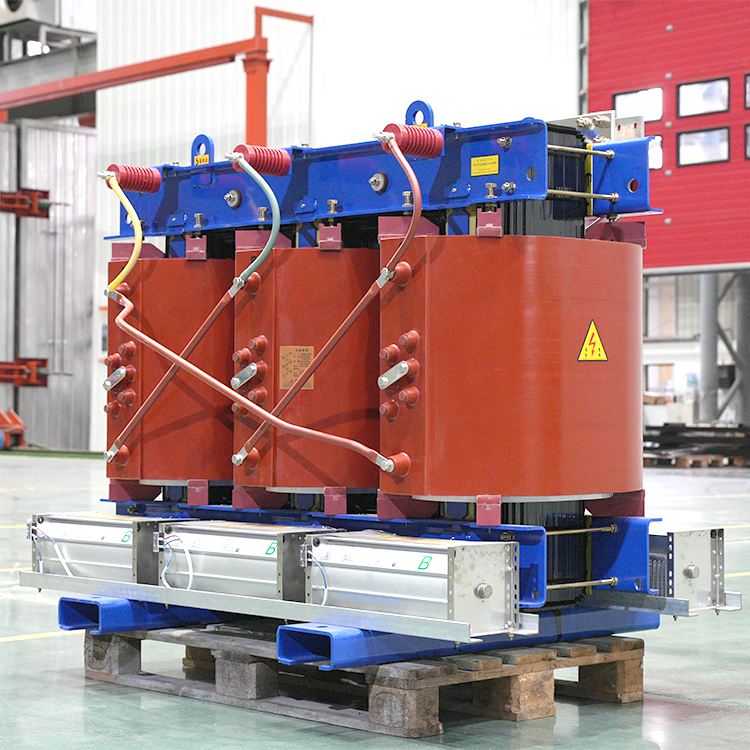
When safety is the top priority in an electrical installation, the choice of transformer technology becomes a critical decision. An epoxy transformer has become the preferred solution in buildings, tunnels, hospitals, data centers, and industrial plants where fire risk is a serious concern. Its design eliminates many of the hazards associated with oil-filled alternatives, making it a reliable and responsible choice for environments that simply cannot tolerate the consequences of an electrical fire.
Understanding why an epoxy transformer performs so well in fire-sensitive environments requires a look at the materials, the engineering principles behind the design, and the practical advantages that site engineers and facility managers value most. This article explains the core reasons why an epoxy transformer consistently outperforms other transformer types when fire resistance and operational safety are the primary requirements on any project specification.
The Fire-Resistant Nature of an Epoxy Transformer
Epoxy Resin as the Insulation Medium
The defining characteristic of an epoxy transformer is its use of cast epoxy resin as the primary insulation material around the high-voltage windings. This epoxy resin is inherently self-extinguishing, meaning it does not sustain combustion once an ignition source is removed. Unlike mineral oil used in traditional transformers, the epoxy resin in an epoxy transformer will not ignite, drip burning fluid, or spread flames to surrounding structures. This property alone makes the epoxy transformer a fundamentally safer device in any setting where fire risk must be minimized.
In a fire-sensitive environment, the insulation medium is not merely a technical specification — it is a life-safety decision. An epoxy transformer using solid epoxy resin eliminates the risk of oil leaks and oil fires entirely. Facilities such as hospitals, underground rail stations, high-rise office buildings, and petrochemical plants rely on the epoxy transformer precisely because its insulation cannot produce the kind of runaway fire that oil-based systems can generate.
Low Smoke and No Toxic Emissions
Beyond preventing ignition, an epoxy transformer also produces minimal smoke and no toxic gases under fault or overheating conditions. In crowded or enclosed spaces, toxic fume generation during an electrical incident can be as dangerous as the fire itself. The epoxy transformer addresses this concern by using materials that degrade cleanly under thermal stress. This makes the epoxy transformer especially valuable in metro stations, airport terminals, and shopping centers where evacuation is complex and air quality during an emergency is critical.
Structural and Environmental Advantages
Robust Encapsulation Protects Against Harsh Conditions
An epoxy transformer is built to withstand not only fire risk but also the environmental demands that fire-sensitive locations often impose. The solid cast resin encapsulation of an epoxy transformer provides excellent resistance to moisture, dust, and chemical contaminants. In coastal industrial plants, chemical processing facilities, and humid underground installations, an epoxy transformer maintains its dielectric integrity without the corrosion concerns associated with oil-cooled units. This structural robustness means that an epoxy transformer can be installed close to the point of use without requiring a dedicated transformer room filled with oil containment infrastructure.
The absence of oil also means that an epoxy transformer requires no oil containment pit, no oil filtration equipment, and no periodic oil testing. This simplifies the civil engineering requirements of the installation significantly. For project designers working within tight spatial constraints or tight budgets, the epoxy transformer offers a straightforward path to compliance without the auxiliary systems that oil transformers demand.
Compact Installation and Indoor Suitability
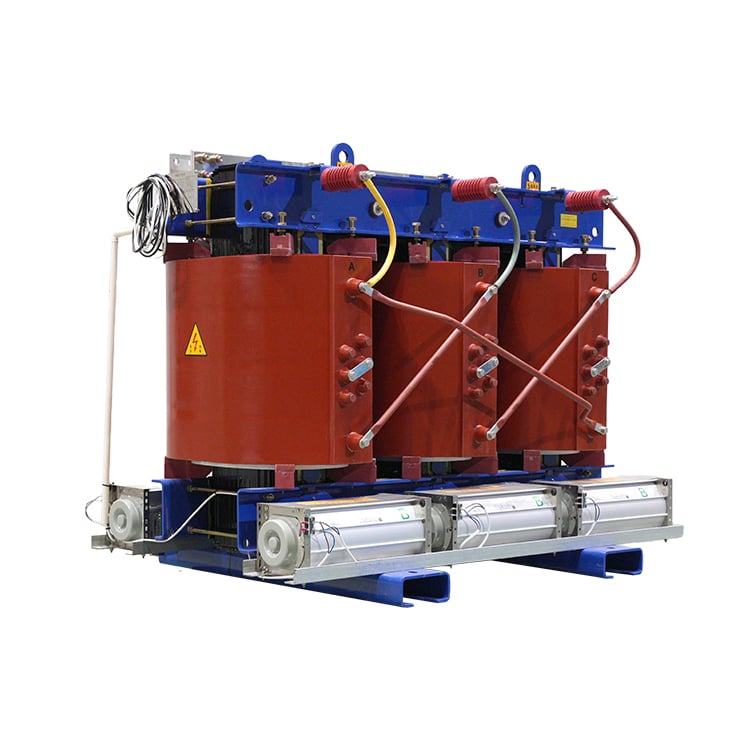
Because an epoxy transformer presents no fire or spillage hazard, it can be installed indoors, in basement switchrooms, and in locations directly adjacent to occupied spaces. Traditional oil transformers require buffer zones and fire-rated enclosures that consume valuable floor area. An epoxy transformer removes most of these spatial requirements, allowing a substation to be located much closer to the electrical load. This proximity reduces cable lengths, lowers installation costs, and improves overall system efficiency. For high-density urban projects and multi-story developments, the epoxy transformer delivers a measurable advantage in spatial planning.
Operational Reliability and Long-Term Value
Thermal Performance of the Epoxy Transformer
A well-designed epoxy transformer is engineered to manage heat efficiently through natural air cooling or forced air cooling, depending on the load profile. The cast resin windings of an epoxy transformer distribute thermal energy more evenly than oil-immersed coils, reducing hotspot formation and prolonging insulation life. The epoxy transformer is also capable of handling overload conditions for short periods without the risk of oil degradation or combustion. This thermal resilience ensures that the epoxy transformer continues to operate reliably even during periods of peak demand, which is precisely when system failures are most costly.
Reduced Maintenance and Lifecycle Cost
Maintenance requirements for an epoxy transformer are significantly lower than for oil-type alternatives. There is no oil to monitor, filter, or replace, and the solid encapsulation of an epoxy transformer resists the slow deterioration that affects fluid-filled units over time. Periodic inspection of an epoxy transformer is straightforward and does not require specialized oil-handling equipment. Over a twenty-year service life, the total cost of ownership for an epoxy transformer is often competitive with or lower than that of an oil transformer when maintenance, compliance, and risk mitigation costs are factored in. Facility owners who choose the epoxy transformer benefit from predictable operating expenses and fewer unplanned outages.
The combination of fire resistance, environmental robustness, and low maintenance makes the epoxy transformer a highly rational investment for any organization operating in a fire-sensitive environment. Whether the project involves a new hospital wing, a data center expansion, or an urban transit system, the epoxy transformer delivers the safety profile and operational reliability that modern infrastructure demands. As regulatory standards for fire safety in electrical installations become more stringent, the epoxy transformer is increasingly specified as the standard solution rather than a premium option.
FAQ
What makes an epoxy transformer safer than an oil transformer in fire-sensitive areas?
An epoxy transformer uses cast resin insulation that is self-extinguishing and non-flammable, whereas an oil transformer contains combustible fluid that can ignite, spill, and spread fire. This fundamental material difference makes the epoxy transformer the safer choice where fire risk cannot be accepted.
Can an epoxy transformer be installed indoors without special fire protection measures?
Yes. Because an epoxy transformer contains no flammable liquid and produces minimal smoke under fault conditions, it can typically be installed indoors and in occupied buildings with fewer special fire protection requirements than oil-filled units. Local regulations should always be confirmed, but the epoxy transformer is widely accepted for indoor installation in most jurisdictions.
How long does an epoxy transformer typically last in a demanding environment?
An epoxy transformer is designed for a service life of twenty years or more under normal operating conditions. The solid cast resin insulation of an epoxy transformer resists moisture, chemicals, and thermal stress, which helps maintain dielectric performance over the long term and reduces the risk of premature failure in demanding industrial or commercial settings.