 EN
EN


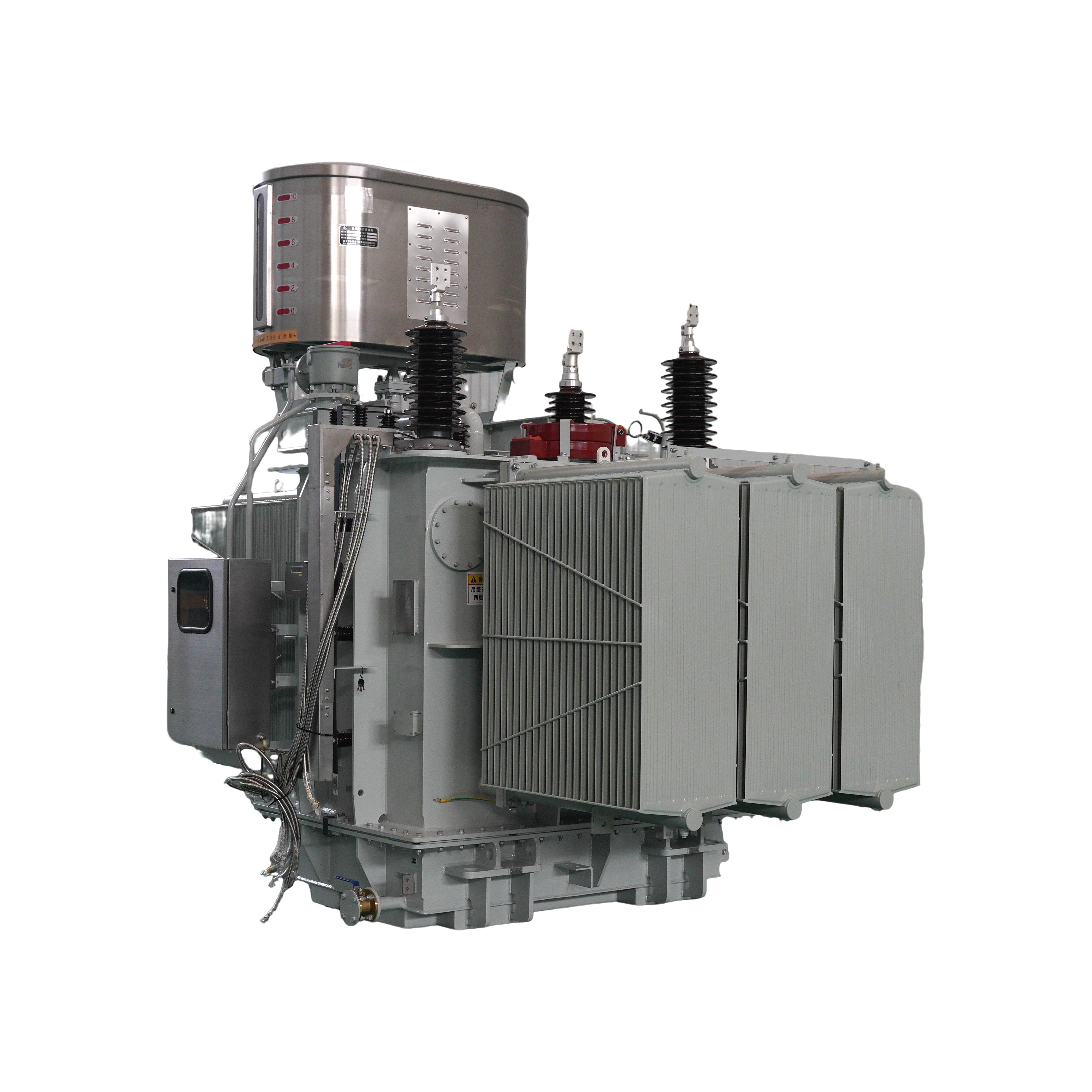
An transformator autōnomicus repraesentat specialem instrumentum electricum quod in principio fundamento diverso ab transformatoribus conventionalibus operatur, utens unico continuo spiro qui tam circuitus primarius quam secundarius est. Haec singularis structura facit transformator autōnomicus solutionem distinctam in systematibus transmissionis et distributionis energiae, ubi efficacia et ratio pretii sunt considerationes praecipuae pro applicationibus industrialibus.
Intellectus differentiarum principalium inter transformatores automaticos et transformatores conventionales requirit examinationem methodorum constructionis, principiorum operationis, et applicationum practicarum per varios sectores industriales. Dum transformatores conventionales utuntur spiris separatis primariis et secundariis quae electrica separatione gaudent, transformator automaticus connexionem electricam directam inter circuitus introductos et egressos creat, quod varietates magnas in characteristicis performance, in gradibus efficaciae, et in conditionibus installationis efficit.
Principia Fundamentalia Designis Transformatorum Auto
Configuratio Unius Spire
Caracteristica definitiva transformatoris auto inest in eius configuratione unius spirae continuae, ubi pars spirae fungitur circuitu primario, dum tota spira pro circuitu secundario utitur. Hoc designum necessitatem separatarum spirarum, quae in transformatoribus conventionalibus inveniuntur, tollit, solutioque compactior et materiae efficacior ad applicationes transformationis voltatis creatur.
Approach unius spirae permittit transformatori auto transformationem voltatis per connexionem tap in puncto praedeterminato in spira consequi. Hoc punctum tap determinat rationem voltatis inter intritum et exitum, cum connexio electrica sit tam magnetica quam conductiva, contrarium autem est transformatoribus conventionalibus, qui in sola copulatione magnetica inter spiras isolatas nituntur.
Haec configuratio minuit postulata cupri comparata cum transformatoribus conventionalibus similibus in potentiis, quoniam transformator auto idem conductorem utroque in functione primaria et secundaria utitur. Reductio materiae conductoris directe ad minora impendia fabricandi et ad meliores rationes potentiae ad pondus in applicationibus practicis conducit.
Integratio Circuitus Magnetici
Designus circuitus magneticus in transformator autōnomicus operat secundum easdem fundamentales principia inductionis electromagneticae ac transformatores conventionales, sed cum efficentia aucta propter configurationem communium spirearum. Fluxus magneticus a parte primaria spirearum generatus cum tota spira secundaria coniungitur, effectum transformationis voltatis per inductionem electromagneticam creans.
Materies centralis et methodi constructionis in transformatoribus automatis adhibiti principia ingenieria similia sequuntur iis quae in transformatoribus conventionalibus utuntur, utentes nucleis ex lamellis ferri ad minimizandos amissos currentium vorticis et effectus hysteresis. Tamen designatio unius convoluti permittit efficacioris usus materiae nuclearis, quoniam via fluxus magnetici optimatur pro peculiari necessitate transformationis voltarum.
Haec integratio circuitus magnetici permittit transformatoribus automatis consequi gradus efficacioris quam transformatoribus conventionalibus, praesertim in applicationibus ubi ratio transformationis voltarum est relativus parva, ut cum de 480V ad 240V degraditur aut similes differentiales voltarum modicae quae vulgo in systematibus distributionis electricae industrialis inveniuntur.
Differentiae Operationales a Transformatoribus Conventionalibus
Characteristicae Isolationis Electricae
Maxima differentia operativa inter transformatorēs autōnōmōs et transformatorēs convēntiōnālēs in eōrum proprietātibus isolātiōnis electricae consistit. Transformatorēs convēntiōnālēs isolātiōnem electricam perfectam inter circuitūs prīmāriōs et secundāriōs praebent, ubi translatiō energiae sōlum per accōpulātiōnem magnēticam fit. Haec propriētas isolātiōnis transformatorēs convēntiōnālēs ad applicationēs aptōs facit quae separātiōnem salūtārem inter circuitūs intrāntēs et egredientēs exīgunt.
Contrārīō, transformatorēs autōnōmōs connexiōnem electricam directam inter circuitūs prīmāriōs et secundāriōs per configurātiōnem vīndingae commūnis constituunt. Haec connexiō directa isolātiōnem electricam, quae transformatorēs convēntiōnālēs characterizat, tollit, quod cōnsiderātiōnēs speciālēs de salūte et limitātiōnēs applicātiōnis generat, quae in processibus dēsignī et installātiōnis systēmātis cārē dīligenter aestimandae sunt.
Absentia isolationis electricae in transformatoribus automaticis significat utraque circuitus, primarius et secundarius, punctum commune referentiae electricae partiantur, quod in quibusdam applicationibus, ubi continuitas terrae requiritur, praerogativam habet; sed in systematibus, ubi separatio electrica praescripta est propter rationes tutelae vel ad leges conformitatis, difficultates parere potest.
Regulatio Tensionis et Responsio Ad Onus
Transformatores automatici diversa exhibent characteristicas regulationis tensionis comparati ad transformatores conventionales propter configurationem suam communem inducturarum et connexionem directam inter circuitus introitus et exitus. Performantia regulationis tensionis transformatoris automatici typice superior est quam transformatorum conventionalium eisdem nominibus, quia characteristicas impedantiae mutantur per modum connexionis transformatoris automatici.
Proprietates responsionis ad onus transformatorum auto differunt ab proprietatibus transformatorum conventionalium in pluribus aspectibus importantibus, inter quae sunt valores impedantiae, comportamentum in casu curtii circuitus, et schemata distributionis currentium defectus. Haec differentiae afficiunt coordinationem protectionis systematis, calculos analysios defectuum, et considerationes stabilitatis systematis electrici in applicationibus industrialibus.
Sub condicionibus oneris variabilibus, transformatores auto retinent constantiores proprietates tensionis exirentis quam transformatores conventionales, praesertim dum operantur intra rationes transformationis tensionis pro quibus designati sunt. Haec melior stabilis tensio utilis esse potest in applicationibus ubi exacta regio tensionis critica est ad functionem instrumentorum et fidem processuum.
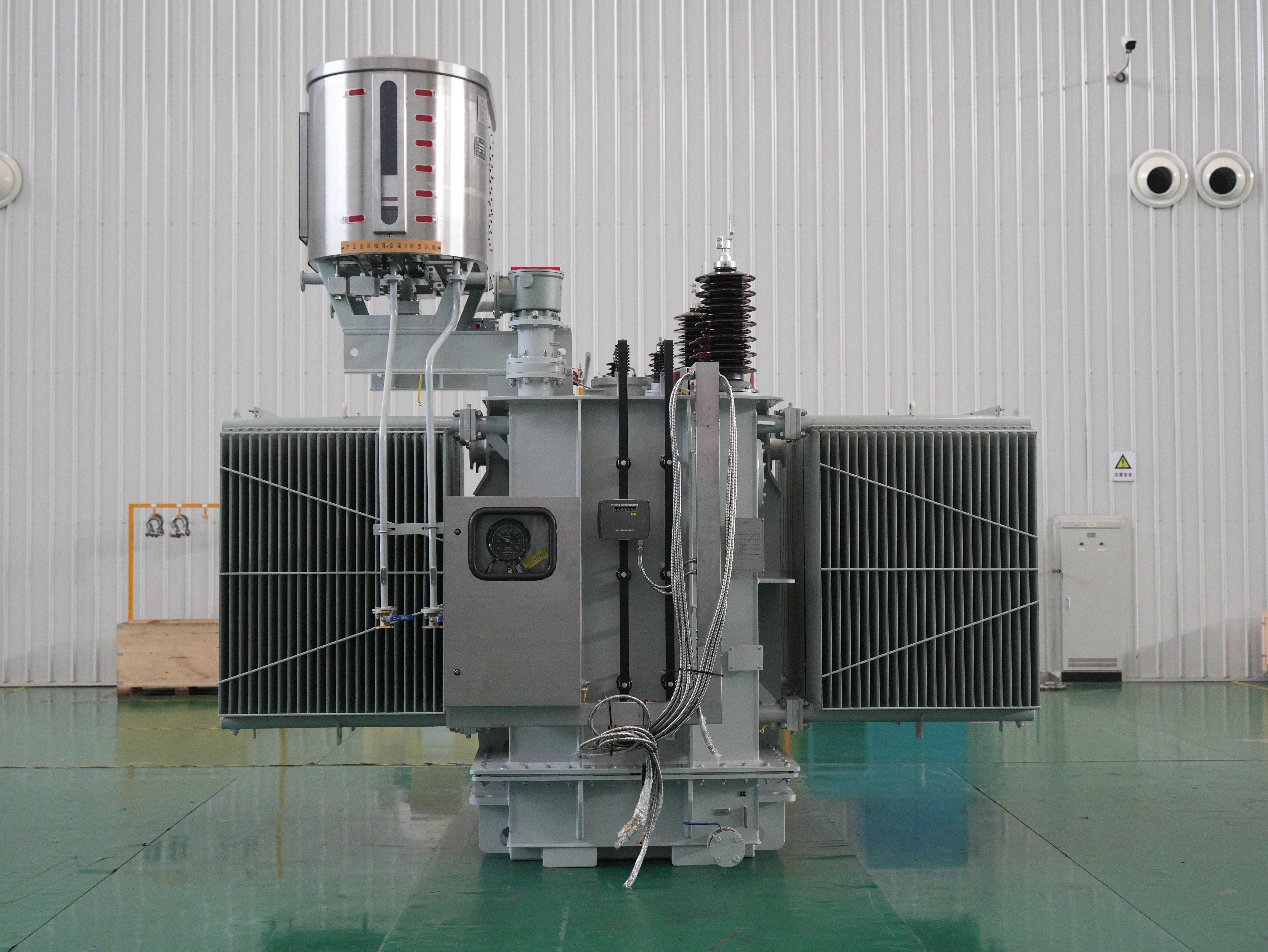
Differentiae in Constructione et Fabricatione
Requisita Materialium et Factorum Pretii
Constructio transformatorum auto requirit multo minus materiale conductoris cupri quam transformatores conventionales aequivalentis potestatis, quod efficit magnas pecuniarum conservationes et minores dimensiones physicas. Haec efficacia materiae ex configuratione communis bobinae oritur, ubi idem conductor utrumque officium gerit tam in circuitu primario quam in secundario.
Reductio in cupri postulationibus pro constructione transformatorum auto variare potest ab 20% usque ad 50% comparata cum transformatoribus conventionalibus, secundum rationem transformationis voltatis et certos parametres designi. Haec conservatio materiae directe convertitur in minores impensas fabricandi, in minores pondera transportandi, et in minores spatia installationis in applicationibus industrialibus.
Requisita materialis nuclei pro transformatoribus auto sequuntur similes formas ad transformatores conventionales, sed opportunitates optimisationis augentur propter efficacioris utilisationis fluxus magneticis per designum unius inflexionis. Haec melioratio efficaciae permittit leviter minores dimensiones nuclei dum manent characteristicæ performance equivalentes.
Designium Systematis Isolationis
Designium systematis isolationis pro transformatoribus auto praebet unicas difficultates et opportunitates comparatum ad transformatores conventionales, praesertim propter connexionem electricam directam inter circuitus primarios et secundarios. Requisita isolationis inter sectiones communis inflexionis diversa sunt ab requisitis isolationis inter inflexiones quae inveniuntur in transformatoribus conventionalibus.
Systemata isolationis transformatorum auto debent ita designari, ut tensiónes voltágiī specíficas, quae in punctīs connéxionis fórcipis et per volūtionem continuam occurrunt, sustinēre possint, dum transformātōrēs convēntiōnālēs systemata isolationis exígiunt, quae differéntiam voltágiī plēnam inter primáriās et secundáriās volūtiōnēs prorsus sēparātās sustinēre possint.
Requiréntiae coordinātiōnis isolationis pro transformātōribus auto saepe ad systemāta isolationis simplificāta in partibus volūtiōnis commūnibus dūcunt, dum níveles isolationis idōneī in sectiōnibus nōn commūnibus servāntur. Hoc modus designandī ad reductiōnem cōstuum generālem et ad fidēlitātem meliōrem in applicātiōnibus rite ingeniōsīs conferre potest.
Caractēristicae Performantiae et Analȳsis Efficiēntiae
Efficientia Conversionis Energiae
Transformatorēs automātici praestant superiōrem efficāciam conversionis energiae quam transformātōrēs convēntiōnālēs, praesertim in applicātiōnibus quae modicās ratiōnēs trānsfōrmātiōnis voltāgiī involvunt. Praeferentia efficāciae ex minōribus pēnīs in conductōribus cupreī oritur propter configūrātiōnem vīndingulārem commūnem et ablatiōnem pēnārum quae ad secundāria vīndingula separāta pertinent.
Meliorātiō efficāciae in transformātōribus automāticīs variāre potest ā 1% usque ad 3% comparātīs cum transformātōribus convēntiōnālibus similibus in valōribus, maximaeque accessionēs efficāciae accidunt cum ratiō trānsfōrmātiōnis voltāgiī ad unitātem accēdit. Haec praerogātiva efficāciae magis atque magis magnī momentī fit in magnīs applicātiōnibus potentiālis, quibus etiam parvae accessionēs in percentāgine per totam vitam operātiōnalem apparatus magnās ōrnātūs energiae efficiunt.
Analysis defectuum in transformatoribus automaticis ostendit quod defectus cupri minuuntur proportionaliter ad reductionem materiae conductricis, dum defectus nuclei manent similes iis qui in transformatoribus conventionalibus aequivalentium nominum occurrunt. Effectus combinatus harum proprietatum defectuum efficit meliorem efficaciam generalem et minores impensas operationis in applicationibus idoneis.
Capacitas Manendi Potentiam
Capacitas manendi potentiam transformatorum automaticorum differt ab ea transformatorum conventionalium modis qui influunt idoneitatem applicationum et commoda economica. Transformatores automatici possunt manere magnitudines potentiae apparentis superiores quam transformatores conventionales simili dimensione physica et contento materiali, propter usum efficaciorum materiae conductricis et nuclei.
Praerogativa efficacis potestatis transformatorum automatorum magis apparet, cum ratio transformationis voltarum ad unitatem accedit, et melioratio capacitas potestatis inversa est ad rationem transformationis voltarum. Haec proprietas transformatores automatores praesertim idoneos reddit ad applicationes quae magnas capacitates potestatis postulant cum parvis adiustamentis voltarum.
Gestio thermica in transformatoribus automatoribus fructum capit ex minuendis iacturis et melioribus proprietatibus distributionis caloris, quae ad configurationem unius convoluti pertinent. Praerogativae thermicae ad fidam operationem et longiorem vitam operativam conferunt in installationibus transformatorum automatorum bene dispositis et recte adhibitis.
Scenaria Applicationum et Directiva Idoneitatis
Systemata Industrialia Distributionis Electricitatis
Transformatorēs automātici latē in systemātibus industriālis distribūtiōnis potentiālis adhibentur, quae conditiōnēs transformātiōnis voltāgiī cum eōrum proprietātibus operātiōnālibus et cōnsiderātiōnibus sēcuritātis congruunt. Applicātiōnēs commūnēs includunt dēductiōnem voltāgiī trānsmissiōnis ad nīvēs distribūtiōnis, adaptātiōnem voltāgiī in fābricīs manufactūrāriīs, et optimizātiōnem systemātum corrigendī factoris potentiālis in magnīs complexibus industriālibus.
Commoda pretiī et efficāciae transformātōrum automāticōrum eos praesertim attrāctīvos faciunt ad applicātiōnēs altīs potentiīs, ubi ratiō transformātiōnis voltāgiī est rēlātīvē parva, ut in conversiōne 13,8 kV ad 4,16 kV in substatīōnibus industriālibus aut in praebitiōne conversiōnis 480 V ad 240 V pro necessitātibus specīficīs instrumentōrum in fābricīs manufactūrāriīs.
Applicationes industriales accurate considerare debent postulationes de isolatione electrica specifice installationis, quia connexio electrica directa, quae in transformatoribus auto-inherent, fortasse non idonea est ad omnes applicationes. Analysis securitatis et examina ad observantiam regulamentorum sunt partes essentiales processus aevolutionis applicationum pro transformatoribus auto in locis industrialibus.
Applicationes utilitatis et transmissionis
Societates electricae publicae saepe utuntur transformatoribus auto in applicationibus transmissionis et subtransmissionis, ubi praeventio efficacitatis et commodorum pretii magnos beneficios operationales praebent. Haec applicationes typice involvunt transformationes voltarum inter diversos gradus transmissionis, ut inter 345 kV et 138 kV, aut conversiones similes graduum voltarum intra infrastructuram rete publicae societatis electricae.
Exigentiae materiales minuendae et melioratae proprietates efficacitatis autotransformatorum eos faciunt oeconomicos ad usus publicos qui magnas capacitatis potestatis et continuas operationis necessitates implent. Lucra operationis, quae ex meliorata efficacia consequuntur, rationem habere possunt investitionis initialis et longum oeconomicum praebere commodum operatoribus publicis.
Usus publici autotransformatorum diligentem considerationem postulant coordinati protectionis systematis, distributionis currentis defectus, et factorum stabilitatis rete, quae a connectione electrica directa inter circuitus primarios et secundarios influuntur. Haec consideranda in studiis systematis comprehensivis et schematibus protectionis integrantur, quae ad installationes autotransformatorum designata sunt.
FAQ
Quae est principalis differentia structuralis inter autotransformatorem et transformatorum conventionalem?
Principalis differentia structurālis est quod transformator auto-utens unum continuum convolutum habet, quod tam circuitum primum quam secundarium servit, dum transformator conventionalis convoluta separata et electricē isolata, primum et secundarium, utitur. Haec descriptio unius convolutī in transformatoribus auto-utentibus connexionem electricam directam inter circuitus intrantes et exeuntes creat, eliminans isolationem electricam quae in transformatoribus conventionalibus invenitur.
Quando autotransformatorem potius quam transformatorēm conventionalem eligere debeo?
Autotransformātōrēs optime ad usus aptantur quibus isolātiō electrica non requiritur, ratiō transformatiōnis voltāgiī parva est, et commoda pretiī vel efficāciae factōrēs importāntēs sunt. Praestant in applicationibus altīs potentiā cum mutātiōnibus voltāgiī modicīs, ut in systemātibus transmissiōnis utilitātis aut in magnīs installationibus industrialibus, ubi efficācia melior et minōrēs impensae materiales praebent praesidia operātiva magna.
An transformatoribus automaticis efficaciora sunt quam transformatoribus conventionalibus?
Ita, transformatores automatici saepe efficacitatem 1% ad 3% altiorem consequuntur quam transformatores conventionales similibus nominibus, maximaque emolumenta efficacitatis accidunt cum ratio transformationis voltarum prope unitatem est. Haec praerogativa efficacitatis ex minoribus amissis cupri oritur propter configurationem communis bobinae et ex eliminatione amissarum quae ad bobinas secundarias separatas pertinent.
Quae considerationes de securitate speciatim ad transformatores automaticos pertinent?
Principalis consideratio de securitate in transformatoribus automaticis est absentia isolationis electricae inter circuitus primarios et secundarios, quod significat utrumque circuitum punctum commune referentiae electricae habere. Hoc exiget cautam aestimationem systematum terrae, coordinationem protectionis, et observationem regulaminum de securitate quae separationem electricam inter circuitus introductos et egressos in quibusdam applicationibus postulant.
Index Contentorum
- Principia Fundamentalia Designis Transformatorum Auto
- Differentiae Operationales a Transformatoribus Conventionalibus
- Differentiae in Constructione et Fabricatione
- Caractēristicae Performantiae et Analȳsis Efficiēntiae
- Scenaria Applicationum et Directiva Idoneitatis
-
FAQ
- Quae est principalis differentia structuralis inter autotransformatorem et transformatorum conventionalem?
- Quando autotransformatorem potius quam transformatorēm conventionalem eligere debeo?
- An transformatoribus automaticis efficaciora sunt quam transformatoribus conventionalibus?
- Quae considerationes de securitate speciatim ad transformatores automaticos pertinent?