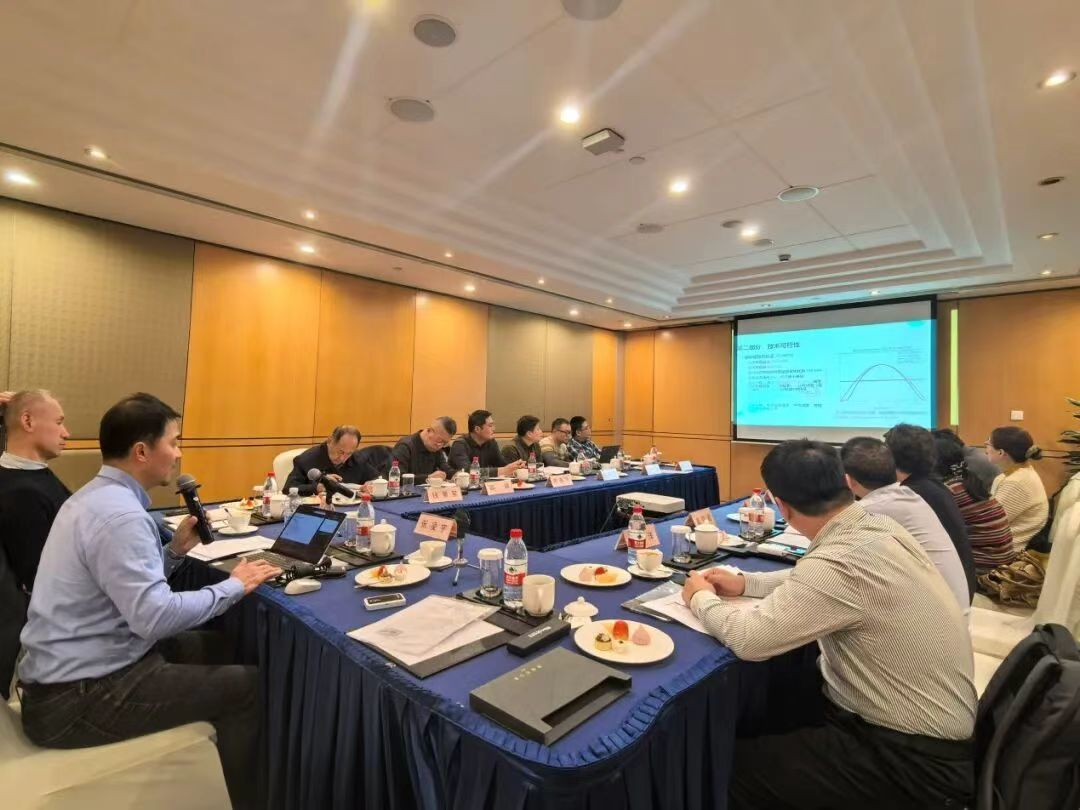
Seminar s názvom „2025 Zelené energeticky úsporné transformátory s vysokým zaťažením: náročné návrhové úlohy, inovatívne riešenia a budúce trendy“, ktorý spoločne organizovali Medzinárodná medičná asociácia a skupina Changtai, sa úspešne konal v hoteli Shanghai Jinjiang. Podujatie sa uskutočnilo 12. decembra 2025 a zameriavalo sa na najnovšie technologické pokroky v oblasti transformátorov.
Konferenciu, ktorú organizovala Medzinárodná medičná asociácia, navštívili odborníci z úradov pre dodávku elektrickej energie, odvetvových združení, renomovaných univerzít, návrhových inštitútov a príslušných podnikov. Diskusie sa zameriavali na niekoľko kľúčových aspektov, vrátane politického kontextu iniciatív zameraných na zelenú a nízkouhlíkovú ekonomiku, technickej uskutočniteľnosti zelených (transformátorov s vysokým preťažením), ich aplikačných scenárov a sociálno-ekonomických výhod, ako aj na vypracovanie príslušných noriem.
1. Politický kontext
Akčný plán Rady ministrov pre zelený a nízkouhlíkový rozvoj priemyslu výroby (2025–2027) zdôrazňuje zrýchlenie zelenej technologickej inovácie a podporu pokročilých zelených technológií. V správe o práci vlády z marca 2023 sa predstavil systém riadenia uhlíkovej stopy, zatiaľ čo Zelený mechanizmus verejných zakázok štátnej elektrickej siete (2023) výslovne definuje kritériá výberu zariadení z hľadiska zelených, nízkouhlíkových a ekologicky šetrných konceptov. Tieto politiky predstavujú pre vývoj zelených transformátorov bezprecedentné príležitosti aj výzvy. Ako hlavný izolačný materiál pre suché otvorené transformátory sa polymérne kompozitné materiály na báze polyimidu vyznačujú vynikajúcimi vlastnosťami: odolnosťou voči vysokým a nízkym teplotám, korózii, morskému oparu, žiareniu, vynikajúcou požiarnou odolnosťou a vysokými izolačnými triedami (nad triedu H). Tento materiál je príkladom zelených a nízkouhlíkových princípov. Namiesto podporovania dlhodobej prevádzky v preťaženom režime zvyšuje návrh transformátorov ich schopnosť odolať krátkodobým, cyklickým alebo núdzovým preťaženiam, čím umožňuje používateľom vybrať počas počiatočných investícií ekonomickejšie výkonnostné parametre. Tento prístup zníži nákupné náklady na zariadenia pre používateľov, zároveň minimalizuje nadbytočné investície do elektrickej siete a zvyšuje celkovú efektivitu využívania zdrojov.
2. Technická uskutočniteľnosť zelenej (vysokovýkonnej) transformátora
Aby sa dosiahla bezpečná a spoľahlivá vysoká preťažovacia kapacita, technický prielom sa uskutočňuje hlavne po troch smeroch, z ktorých sa odvodzujú výrobky s ich vlastnými charakteristikami.
Smer 1: Optimalizácia konštrukcie jadra transformátora. Nahradenie plochých laminovaných jadier trojrozmernými vinutými jadrami – tento návrh výrazne zníži straty v chode naprázdno prostredníctvom optimalizovanej magnetického obvodu a ľahšej hmotnosti jadra, čím sa dosiahne významné úspory energie.
Smer 2: Inovácia izolačných materiálov. Otvorené suché transformátory dnes využívajú kompozity na báze polyimidov namiesto tradičnej izolácie z epoxidovej pryskyriny. Vysoká odolnosť materiálu voči vysokým teplotám a kotúčové usporiadanie vinutí výrazne zvyšujú schopnosť preťaženia, čo umožňuje prevádzku po celý rok pri preťažení 130 % bez zapnutia ventilátorov. Okrem toho suché transformátory s liatou izoláciou z kremíkového gumového materiálu, ktoré používajú pokročilé elastické materiály, ako je kremíková guma, ako hlavnú izoláciu, vykazujú vynikajúcu odolnosť voči krátkodobej preťaženosti a dlhodobej prevádzkovej bezpečnosti vďaka svojej vynikajúcej tepelnej odolnosti, nehorľavosti a ekologicky šetrnej recyklovateľnosti.
Cesta 3: Inovácia v oleji pre transformátory. Transformátory, ktoré používajú ako alternatívu k tradičným minerálnym olejom prírodné estery (rastlinné oleje), môžu prevádzkovať bezpečne pri vyšších teplotných rozdieloch v dôsledku ich vyššieho bodu vzplanutia a lepšej kompatibility s izolačnými materiálmi, čím sa predlžuje povolená doba preťaženia.
3. Aplikačné scenáre a socioekonomické výhody
Seminár dôkladne preskúmal aplikáciu zelených (vysokovýkonných) transformátorov v rôznych odvetviach.
Priemyselný sektor: Ako príklad uveďme napájacie systémy v oceľovních. Keď jeden transformátor zlyhá, iný musí okamžite prevziať celé zaťaženie.
Komunálne odvetvie: Čističky vody a čističky odpadových vôd často zažívajú krátkodobé špičkové zaťaženia počas samostartovania motorov, prevádzky v daždivom období pri plnom zaťažení alebo v prípadoch jednosmerného napájania.
Lodná výroba a veľké pobrežné napájacie zariadenia: Obe oblasti – lodná výroba aj veľké pobrežné napájacie zariadenia – sa často stretávajú s kolísaním zaťaženia a problémami s prispôsobením výkonu. Všetky tieto scenáre vyžadujú transformátory s možnosťou krátkodobej preťažiteľnosti.
Stavebné odvetvie: Mnoho komerčných budov v súčasnosti prevádzkuje transformátory s nízkou záťažou, čo vedie k situáciám „nadmernej kapacity“. Počas rekonštrukcie umožňuje použitie ekologických (vysokozáťažových) transformátorov rozšíriť kapacitu bez zväčšovania distribučných miestností alebo výmeny zbernice, čím sa účinne riešia náhle zvýšenia zaťaženia alebo výkyvy v spotrebe energie spôsobené extrémnym počasím.
V rámci dvojzložkového tarifného systému pre priemyselnú a komerčnú elektrinu sú ekonomické výhody významné. Pri použití bežnej metódy výpočtu zníženia výkonovej náročnosti a predpokladanej redukcie o 2500 kVA na napäťovej úrovni 35 kV by mesačné úspory na elektrickej energii dosiahli 36 500 jüanov.
4. Stanovenie príslušných noriem
Je známe, že technický štandard „Transformátor s vysokou schopnosťou preťaženia“, ktorý vypracovala čínska energetická priemyselná odvetvie, bol poprvýkrát uplatňovaný od 10. januára 2018 a aktualizovaný 6. januára 2021. Tento štandard stanovuje základné ukazovatele, ako je odolnosť voči skratu, výkon pri preťažení a limity nárastu teploty pre trojfázové olejovo chladené transformátory s výkonom v rozsahu od 10 kV do 500 kVA, čím sa zaplnila medzera v domácich technických štandardoch. V roku 2023 Gansuská spoločnosť elektrotechnikov vydala doplňujúci skupinový štandard T/GES 001-2024, ktorý podrobnejšie upravuje definície výrobkov, metódy skúšania a požiadavky na prepravu a skladovanie; tento štandard oficiálne nadobudol účinnosť 26. októbra 2023. Žiadny z týchto dvoch štandardov jednoznačne nedefinuje podmienky vysokého zaťaženia pre suché alebo olejovo chladené transformátory na vyšších napäťových úrovniach ani pre transformátory používajúce nové izolačné prostredia, čo vedie k nejasným definíciám výkonu trhových výrobkov a k nedostatku štandardnej základne pre návrh a výber, čo sa stalo hlavným úzkym hrdlom brániacim štandardizovanému rozvoju odvetvia. Odborníci na stretnutí jednomyseľne zhodnotili, že je naliehavo potrebné začleniť charakteristiky vysokého preťaženia do širšieho rámca štandardov pre „zelené“ transformátory, čo vyžaduje spoločné úsilie všetkých zainteresovaných strán pri vypracovaní príslušných skupinových alebo odvetvových štandardov a pri vypracovaní národných štandardov v prípade, že budú splnené príslušné podmienky, a tým odstrániť prekážky pre návrh a výber.
5. Záver
Tento seminár odporúča prechod k novému prístupu v tradičných postupoch. Vzhľadom na rozšírené plýtvanie energiou spôsobené nadvýšeným výkonom transformátorov a nedostatočnými faktormi zaťaženia sa v ňom vyzýva k prijatiu zelených, nízkouhlíkových a ekologických princípov spolu s konceptom vysokého preťaženia. Odborné združenia by mali viesť spoločné úsilie o stanovovanie noriem a zaviesť pilotné programy v priemyselných parkoch, komerčných budovách a elektrárňach využívajúcich obnoviteľné zdroje energie. Pravidelné technické výmeny budú zvyšovať povedomie v odvetví, zatiaľ čo posilnenie spolupráce medzi priemyslom, akadémiou a výskumom bude podporovať technologickú inováciu a modernizáciu.
Keď sa normy, technológia, trh a politika spoja do jednej sily, táto technologická inovácia skrytá v rozvodňa uvoľní obrovské hospodárske a sociálne výhody a vloží zelenú energiu do vysokej kvality rozvoja.
Spoločnosť Changzhou Pacific Electric Power Equipment (Group) Co., Ltd. dodáva vybavenie pre prenos elektrickej energie v nízkom a vysokom napätí, trakčné transformátory (110–330 kV) a podlahové / kompletné rozvodne pre globálnu energetickú infraštruktúru. Od roku 1989 certifikovaná podľa ISO, s orientáciou na výskum a vývoj. Dnes si vyžiadajte technickú konzultáciu.
Environmental Protection Fourth Road, Environmental Protection Industrial Park, Tongjiang Avenue, XinBei District, Changzhou City, Jiangsu Province
Copyright © 2026 Changzhou Pacific Electric Equipment (Group) Co., Ltd. All rights reserved. Zásady ochrany súkromia
 EN
EN