 EN
EN


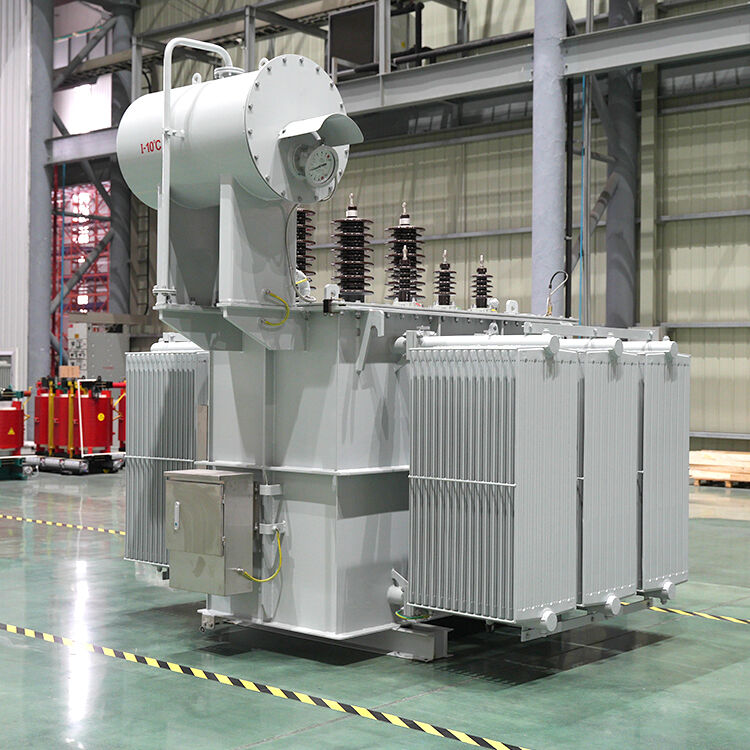
Auto transformers represent a pivotal technology in modern electrical grid infrastructure, delivering exceptional efficiency advantages that make them indispensable for power transmission and distribution networks. Unlike conventional two-winding transformers, auto transformers utilize a single continuous winding with multiple tap points, creating a unique electrical configuration that fundamentally changes how power flows through the device. This innovative design approach enables auto transformers to achieve significantly higher efficiency ratings while reducing material costs and physical footprint requirements in grid applications.
The efficiency advantages of auto transformers stem from their unique ability to transfer power through both electromagnetic induction and direct electrical connection, a dual-mode operation that dramatically reduces energy losses compared to traditional transformer designs. Grid operators increasingly rely on these efficiency benefits to minimize transmission losses, reduce operational costs, and meet stringent environmental regulations while maintaining reliable power delivery across extensive distribution networks. Understanding these efficiency advantages becomes crucial for power system engineers, utility planners, and grid infrastructure decision-makers seeking to optimize network performance and economic viability.
Fundamental Efficiency Mechanisms in Auto Transformer Design
Reduced Copper Losses Through Single Winding Configuration
The single winding design of auto transformers creates a fundamental efficiency advantage by significantly reducing copper losses compared to conventional two-winding transformers. In traditional transformers, current must flow through both primary and secondary windings, each contributing resistance losses that convert electrical energy into waste heat. Auto transformers eliminate this duplication by using a continuous winding where only a portion carries the full load current while the remaining section handles the difference between input and output currents.
This configuration means that auto transformers typically require 25-30% less copper material than equivalent two-winding transformers, directly translating to lower I²R losses throughout the winding structure. The reduced copper content not only improves efficiency but also decreases the transformer's overall weight and manufacturing costs. Grid applications particularly benefit from this design advantage in high-voltage transmission scenarios where even small efficiency improvements can result in substantial energy savings across the network.
The mathematical relationship governing copper losses in auto transformers demonstrates why this configuration delivers superior efficiency. When the transformation ratio approaches unity, the portion of winding carrying full load current becomes progressively smaller, creating exponential improvements in loss reduction. This principle makes auto transformers particularly valuable for grid applications requiring modest voltage adjustments with maximum efficiency retention.
Iron Core Losses Optimization
Auto transformers achieve superior iron core efficiency through optimized magnetic flux distribution patterns that reduce hysteresis and eddy current losses. The single winding configuration allows for more uniform flux density distribution throughout the core material, minimizing localized magnetic saturation points that typically contribute to increased core losses in conventional transformer designs. This uniform flux distribution ensures that the core operates closer to its optimal magnetic operating point across varying load conditions.
The core design optimization in auto transformers extends beyond simple flux distribution improvements to encompass advanced lamination techniques and premium silicon steel selection. Modern auto transformers utilize grain-oriented electrical steel with superior magnetic properties, reducing hysteresis losses while maintaining excellent permeability characteristics. The lamination thickness and insulation methods are specifically engineered to minimize eddy current paths, further enhancing the overall efficiency profile of the transformer core assembly.
Temperature management within auto transformer cores contributes significantly to efficiency maintenance over extended operational periods. The reduced losses inherent in the design translate to lower operating temperatures, which in turn preserve the magnetic properties of core materials and extend insulation system life. This creates a positive feedback loop where improved efficiency leads to better thermal management, which maintains efficiency levels throughout the transformer's operational lifetime.
Power Transfer Efficiency Advantages in Grid Applications
Direct Electrical Connection Benefits
Auto transformers achieve remarkable efficiency through their unique ability to transfer power via direct electrical connection in addition to electromagnetic induction. This dual-mode power transfer mechanism allows a significant portion of the input power to flow directly to the output without undergoing the conversion losses inherent in purely inductive power transfer. The direct connection path carries the common portion of input and output currents, bypassing the electromagnetic transformation process entirely for this power component.
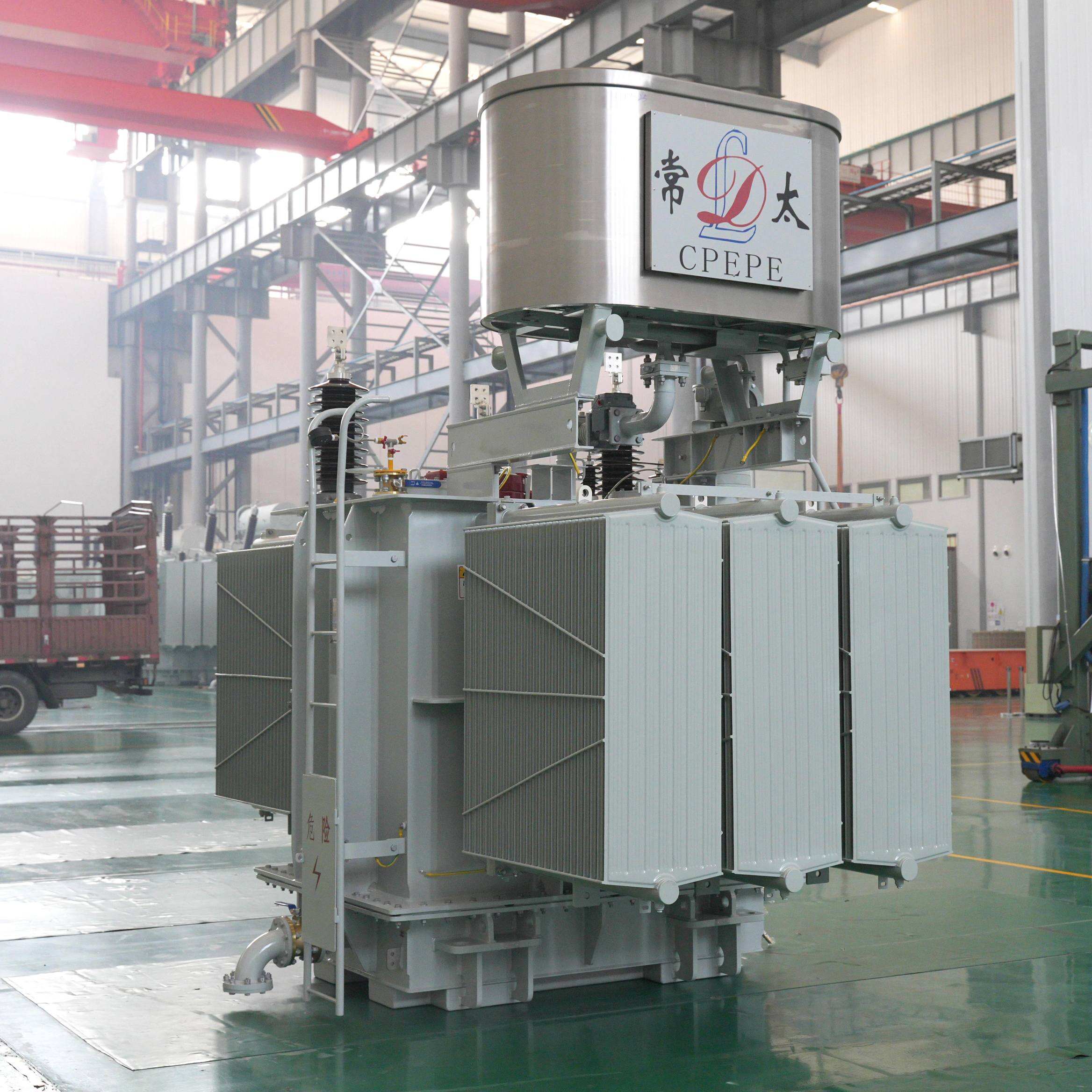
The proportion of power transferred through direct connection versus electromagnetic induction depends on the transformation ratio, with closer ratios yielding higher direct transfer percentages. In grid applications where voltage adjustments are typically modest, such as distribution network voltage regulation or interconnection between slightly different voltage levels, auto transformers can achieve direct power transfer rates exceeding 80%. This means that only a small fraction of the total power experiences transformation losses, resulting in overall efficiency improvements of 1-2% compared to conventional transformers.
Grid operators particularly value this efficiency advantage in applications like voltage regulation, where auto transformers maintain system voltage within acceptable limits while minimizing energy losses. The direct power transfer capability ensures that voltage correction operations don't significantly impact overall network efficiency, making auto transformers ideal for dynamic grid management applications where continuous voltage adjustments are required.
Load Factor Independence
Auto transformers demonstrate superior efficiency characteristics across varying load conditions, maintaining high efficiency even at partial load operations that commonly occur in grid networks. Unlike conventional transformers where efficiency drops significantly at reduced loads due to constant core losses representing a larger percentage of total power, auto transformers maintain more stable efficiency curves across their operational range. This load factor independence stems from the reduced overall losses and optimized design characteristics inherent in the auto transformer configuration.
The no-load losses in auto transformers represent a smaller percentage of rated capacity compared to conventional transformers, meaning that efficiency degradation at light loads is less pronounced. This characteristic proves particularly valuable in grid applications where transformers frequently operate at varying load levels throughout daily and seasonal cycles. Distribution networks, transmission interconnections, and renewable energy integration points all benefit from this stable efficiency profile.
Grid planning studies consistently demonstrate that auto transformers provide superior annual energy efficiency in applications with variable load profiles. The combination of reduced losses and stable efficiency characteristics across load variations translates to measurable energy savings over the transformer's operational lifetime, contributing to improved grid sustainability and reduced operational costs for utility operators.
Economic and Environmental Efficiency Impacts
Operational Cost Reduction Through Energy Savings
The efficiency advantages of auto transformers translate directly into substantial operational cost savings for grid operators through reduced energy losses and lower electricity consumption. Even modest efficiency improvements of 1-2% can result in significant economic benefits when applied across large-scale grid infrastructure, particularly in high-capacity transmission applications where megawatts of power flow continuously through transformer installations. These energy savings accumulate over the 30-40 year operational life of grid transformers, creating substantial net present value benefits.
Utility economic analyses consistently demonstrate that auto transformers provide superior lifecycle cost performance in appropriate applications, with energy loss reductions often justifying higher initial capital costs within 5-10 years of operation. The economic benefit becomes more pronounced as electricity costs increase and carbon pricing mechanisms are implemented, making efficiency improvements increasingly valuable from both operational and regulatory compliance perspectives.
Grid operators also benefit from reduced cooling and auxiliary power requirements associated with lower loss auto transformers. The decreased heat generation reduces cooling system energy consumption and extends maintenance intervals, contributing additional operational cost savings beyond the direct energy loss reductions. These secondary benefits often represent 10-15% additional savings on top of the primary efficiency improvements.
Carbon Footprint Reduction and Environmental Benefits
Auto transformers contribute significantly to grid decarbonization efforts through their superior efficiency characteristics that directly reduce greenhouse gas emissions associated with electricity generation. Every kilowatt-hour saved through improved transformer efficiency represents avoided emissions from power plants, contributing to utility sustainability goals and regulatory compliance requirements. The cumulative environmental impact of widespread auto transformer deployment can be substantial across national and regional power grids.
The manufacturing efficiency of auto transformers also provides environmental benefits through reduced material consumption, particularly in copper and steel usage. The 25-30% reduction in copper requirements compared to conventional transformers reduces mining impacts and manufacturing energy consumption while delivering the same electrical performance capabilities. This resource efficiency extends the environmental benefits beyond operational efficiency to encompass the entire product lifecycle.
Long-term environmental benefits include reduced transmission line losses that enable more effective integration of renewable energy sources across grid networks. The improved efficiency of auto transformers supports renewable energy transportation from generation sites to load centers with minimal losses, enhancing the overall environmental benefits of clean energy investments and supporting grid modernization initiatives focused on sustainability improvements.
Grid Integration and Performance Optimization
Voltage Regulation Efficiency
Auto transformers excel in voltage regulation applications within grid networks, providing efficient voltage control while maintaining minimal energy losses during adjustment operations. The tap-changing capabilities of auto transformers allow precise voltage control across varying load conditions without the efficiency penalties associated with conventional voltage regulation methods. This characteristic makes auto transformers particularly valuable in distribution networks where voltage quality must be maintained across diverse load patterns and seasonal variations.
The efficiency advantage becomes particularly pronounced in automatic voltage regulation systems where continuous tap adjustments are required to maintain optimal grid voltage profiles. Auto transformers can perform these adjustments with minimal impact on overall system efficiency, ensuring that voltage quality improvements don't compromise energy conservation objectives. This dual benefit supports both power quality and sustainability goals simultaneously.
Grid stability benefits from the efficient voltage regulation capabilities of auto transformers, as voltage maintenance operations consume less system capacity and generate fewer losses that could contribute to thermal loading or system instability. The improved efficiency margin provides additional operational flexibility for grid operators managing complex interconnected networks with dynamic load and generation patterns.
Transmission System Efficiency Enhancement
High-voltage transmission applications represent the most significant opportunity for auto transformer efficiency advantages, where large power flows and extended transmission distances amplify the benefits of even small loss reductions. Transmission-level auto transformers operating at 220kV, 345kV, and higher voltages can achieve efficiency levels exceeding 99.5%, compared to 98.5-99.0% for equivalent conventional transformers. This 0.5-1.0% efficiency improvement translates to substantial energy savings across transmission networks.
Interconnection applications between different voltage levels benefit particularly from auto transformer efficiency advantages, as these installations typically operate continuously at high capacity factors. The improved efficiency characteristics support more effective power exchange between transmission systems while minimizing losses that could impact system economics and reliability. These efficiency benefits become increasingly important as grid interconnections expand to support renewable energy integration and regional power markets.
System planning studies demonstrate that auto transformers enable more efficient utilization of transmission capacity by reducing losses that would otherwise consume available transfer capability. This efficiency advantage supports increased power transfer capabilities within existing transmission corridors, potentially deferring or eliminating the need for additional transmission infrastructure while improving overall system efficiency and reliability performance.
FAQ
How much efficiency improvement can auto transformers provide compared to conventional transformers?
Auto transformers typically achieve 0.5-2.0% higher efficiency compared to equivalent conventional two-winding transformers, with the exact improvement depending on the transformation ratio and application specifics. In transmission applications with transformation ratios close to unity, efficiency improvements can reach 1.5-2.0%, while distribution applications may see 0.5-1.0% improvements. These seemingly small percentages translate to substantial energy savings over the transformer's operational lifetime.
Are auto transformers suitable for all grid applications where efficiency is important?
Auto transformers are most suitable for grid applications where the transformation ratio is relatively close to unity and electrical isolation between input and output is not required. They excel in voltage regulation, system interconnection, and transmission applications but may not be appropriate for applications requiring complete electrical isolation or large transformation ratios. The efficiency advantages are most pronounced when transformation ratios are between 1.5:1 and 3:1.
What maintenance considerations affect the long-term efficiency of auto transformers?
Auto transformers require similar maintenance practices to conventional transformers, including regular oil analysis, bushing inspection, and tap changer maintenance. The efficiency advantages are maintained through proper temperature management, contamination prevention, and timely replacement of degraded components. The reduced losses inherent in auto transformer design actually contribute to longer maintenance intervals by reducing thermal stress on insulation systems and other temperature-sensitive components.
How do auto transformers contribute to grid modernization and smart grid initiatives?
Auto transformers support grid modernization through their superior efficiency characteristics that enable better integration of renewable energy sources and improved overall grid sustainability. Their efficient voltage regulation capabilities are essential for managing distributed generation and variable renewable resources while maintaining power quality. The reduced losses also support smart grid objectives by minimizing energy waste and improving overall system efficiency metrics used in grid performance monitoring and optimization systems.
Table of Contents
- Fundamental Efficiency Mechanisms in Auto Transformer Design
- Power Transfer Efficiency Advantages in Grid Applications
- Economic and Environmental Efficiency Impacts
- Grid Integration and Performance Optimization
-
FAQ
- How much efficiency improvement can auto transformers provide compared to conventional transformers?
- Are auto transformers suitable for all grid applications where efficiency is important?
- What maintenance considerations affect the long-term efficiency of auto transformers?
- How do auto transformers contribute to grid modernization and smart grid initiatives?