 EN
EN


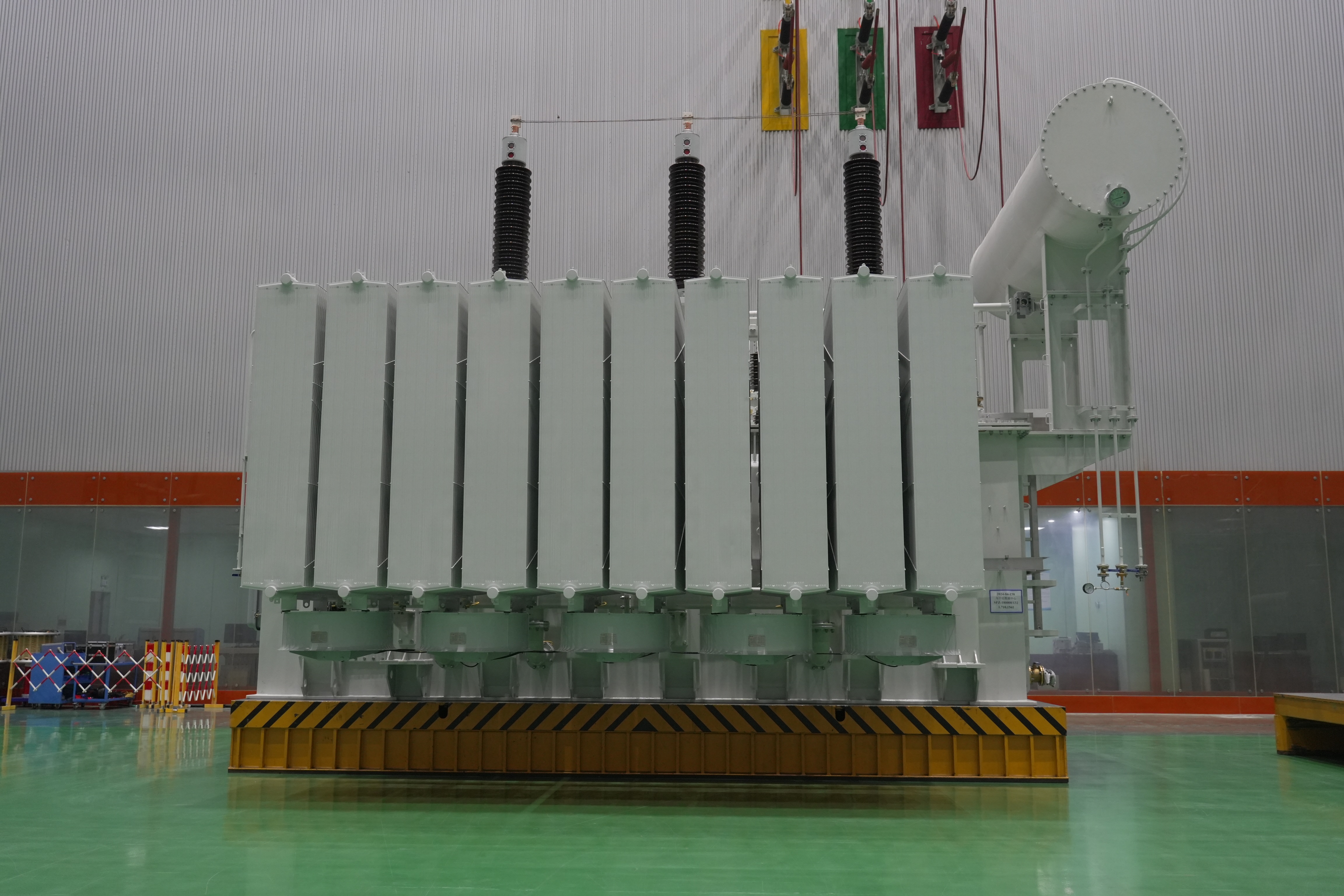
A ventilated transformer represents a critical investment in extending the operational lifespan of electrical distribution equipment across industrial and utility applications. The fundamental principle behind a ventilated transformer's effectiveness lies in its ability to dissipate heat more efficiently than sealed alternatives, directly addressing one of the primary causes of transformer degradation and premature failure. By maintaining optimal operating temperatures, a ventilated transformer significantly reduces thermal stress on insulation materials, windings, and core components, ultimately extending the service life of the entire electrical system.
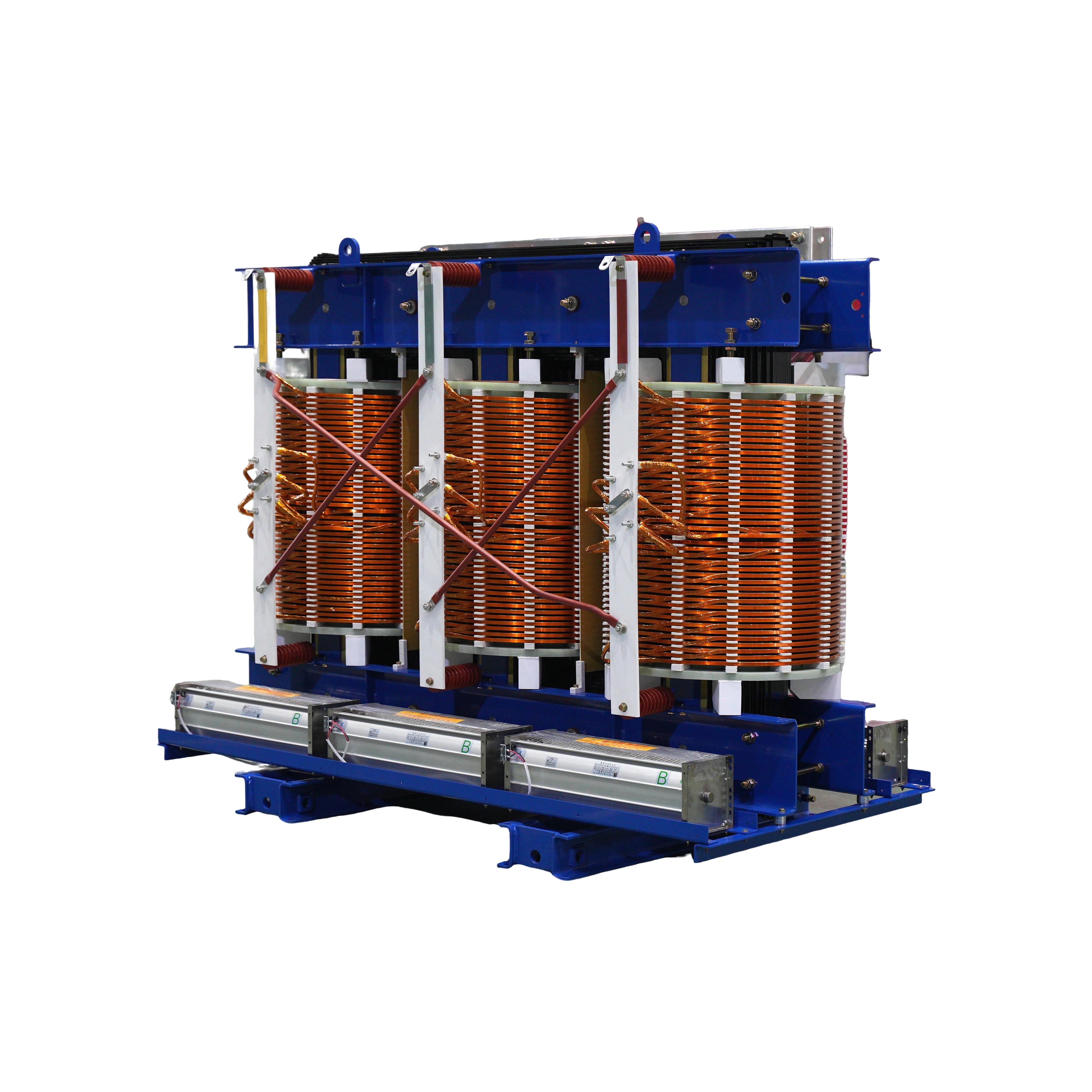
Understanding how a ventilated transformer extends equipment service life requires examining the relationship between operating temperature and insulation degradation. Electrical insulation degrades exponentially with temperature increases, meaning that reducing operating temperatures by even 10 degrees Celsius can double the expected lifespan of transformer components. A ventilated transformer achieves this temperature reduction through continuous air circulation and enhanced heat dissipation pathways, protecting your electrical infrastructure investment and reducing replacement costs over decades of operation.
How Ventilated Transformer Cooling Systems Work
Air Circulation Mechanisms in Ventilated Transformer Design
A ventilated transformer employs forced or natural air cooling to remove excess heat generated during operation. Natural air flow passes through cooling ducts and around the transformer core, while some ventilated transformer configurations use fans to actively drive cooler air through the equipment. This continuous circulation prevents hot spots from developing within the tank, ensuring uniform temperature distribution across all transformer components. The ventilation channels in a ventilated transformer are strategically designed to maximize surface area exposure to cooling air, improving heat transfer efficiency significantly compared to sealed designs.
Temperature Regulation and Insulation Protection
The cooling capacity of a ventilated transformer directly determines its ability to maintain safe operating temperatures under peak load conditions. When a ventilated transformer operates within its designed thermal parameters, the cellulose insulation surrounding conductors experiences minimal degradation. Temperature monitoring systems integrated into modern ventilated transformer installations provide real-time feedback, allowing operators to identify thermal stress conditions before they cause permanent damage. This proactive thermal management extends the service life of a ventilated transformer by preventing the accelerated aging that occurs when equipment runs consistently above optimal temperature ranges.
Service Life Extension Through Thermal Management
Quantifying the Impact of Reduced Operating Temperature
Industry research demonstrates that every 8 degrees Celsius reduction in transformer operating temperature effectively doubles the equipment lifespan. A ventilated transformer achieving 30-degree-Celsius cooler operation compared to sealed alternatives can theoretically extend service life from 30 years to 60 years or beyond. This mathematical relationship between temperature and insulation life forms the basis for the superior longevity associated with ventilated transformer technology. Real-world installations consistently confirm these theoretical projections, with ventilated transformer units demonstrating measurably longer operational periods and lower failure rates than comparable sealed equipment in identical duty cycle applications.
Preventive Benefits Beyond Simple Temperature Reduction
Operating a ventilated transformer within optimal thermal ranges prevents cascading failures that accelerate equipment degradation. Moisture absorption in transformer insulation accelerates dramatically at higher temperatures, and a ventilated transformer's cooler operation minimizes moisture migration into critical insulation layers. Additionally, the reduced thermal cycling stress experienced by a ventilated transformer means fewer mechanical stresses on internal components, windings, and structural elements. These combined protective factors mean that a ventilated transformer investment protects not only the primary equipment but also prevents secondary damage to connected electrical infrastructure that would result from transformer failure.
Implementation and Long-Term Economic Benefits
Selecting and Installing Ventilated Transformer Equipment
Proper sizing of a ventilated transformer for specific load profiles ensures optimal cooling performance throughout the equipment's intended service period. Installation location plays a critical role in ventilated transformer effectiveness, as adequate ambient air flow around cooling surfaces must be maintained. Ventilation obstructions, dust accumulation, or restricted air pathways compromise the performance of a ventilated transformer and should be addressed during commissioning and throughout regular maintenance cycles. A well-maintained ventilated transformer operating in a properly engineered installation environment will consistently deliver the extended service life benefits that justify the initial investment.
Maintenance Protocols for Maximum Service Life
Regular inspection of cooling vents and air pathways ensures that a ventilated transformer continues operating at peak thermal efficiency. Oil analysis and moisture testing programs specific to ventilated transformer maintenance help identify developing issues before they compromise equipment integrity. Vegetation trimming around outdoor ventilated transformer installations and periodic cleaning of cooling surfaces maintain airflow efficiency essential for long-term performance. ventilated transformer systems backed by comprehensive maintenance planning demonstrate exceptional service life consistency, often exceeding manufacturer longevity projections by significant margins.
FAQ
What is the typical service life extension percentage when using a ventilated transformer versus sealed alternatives?
A ventilated transformer typically extends equipment service life by 50 to 100 percent compared to sealed transformer designs operating in equivalent conditions. This extension results from sustained temperature reductions of 25 to 40 degrees Celsius, which correspond directly to exponentially longer insulation lifespan based on proven thermal aging relationships. The actual extension percentage varies based on ambient temperature conditions, load profiles, and maintenance quality, but well-maintained ventilated transformer installations consistently demonstrate measurably longer operational periods.
Can a ventilated transformer improve reliability in high-temperature environments?
Yes, a ventilated transformer becomes even more valuable in elevated ambient temperature environments where sealed designs would reach unsafe operating temperatures more rapidly. By providing enhanced cooling capacity, a ventilated transformer maintains acceptable temperature margins even when ambient conditions are challenging. For installations in hot climates or facilities with significant ambient heat sources, a ventilated transformer provides essential protection against thermal degradation that would otherwise severely limit equipment service life and create unacceptable operational risks.
How does ventilated transformer maintenance compare to sealed transformer maintenance requirements?
A ventilated transformer requires slightly more frequent cooling system maintenance than sealed alternatives, including periodic inspection of air pathways and fan components where applicable. However, the extended service life provided by a ventilated transformer and reduced risk of catastrophic failure due to thermal stress make this additional maintenance effort worthwhile from both economic and reliability perspectives. Regular maintenance protocols for a ventilated transformer are straightforward and cost-effective compared to the expenses associated with premature failure or accelerated replacement of sealed equipment.
Table of Contents
- How Ventilated Transformer Cooling Systems Work
- Service Life Extension Through Thermal Management
- Implementation and Long-Term Economic Benefits
-
FAQ
- What is the typical service life extension percentage when using a ventilated transformer versus sealed alternatives?
- Can a ventilated transformer improve reliability in high-temperature environments?
- How does ventilated transformer maintenance compare to sealed transformer maintenance requirements?