 EN
EN


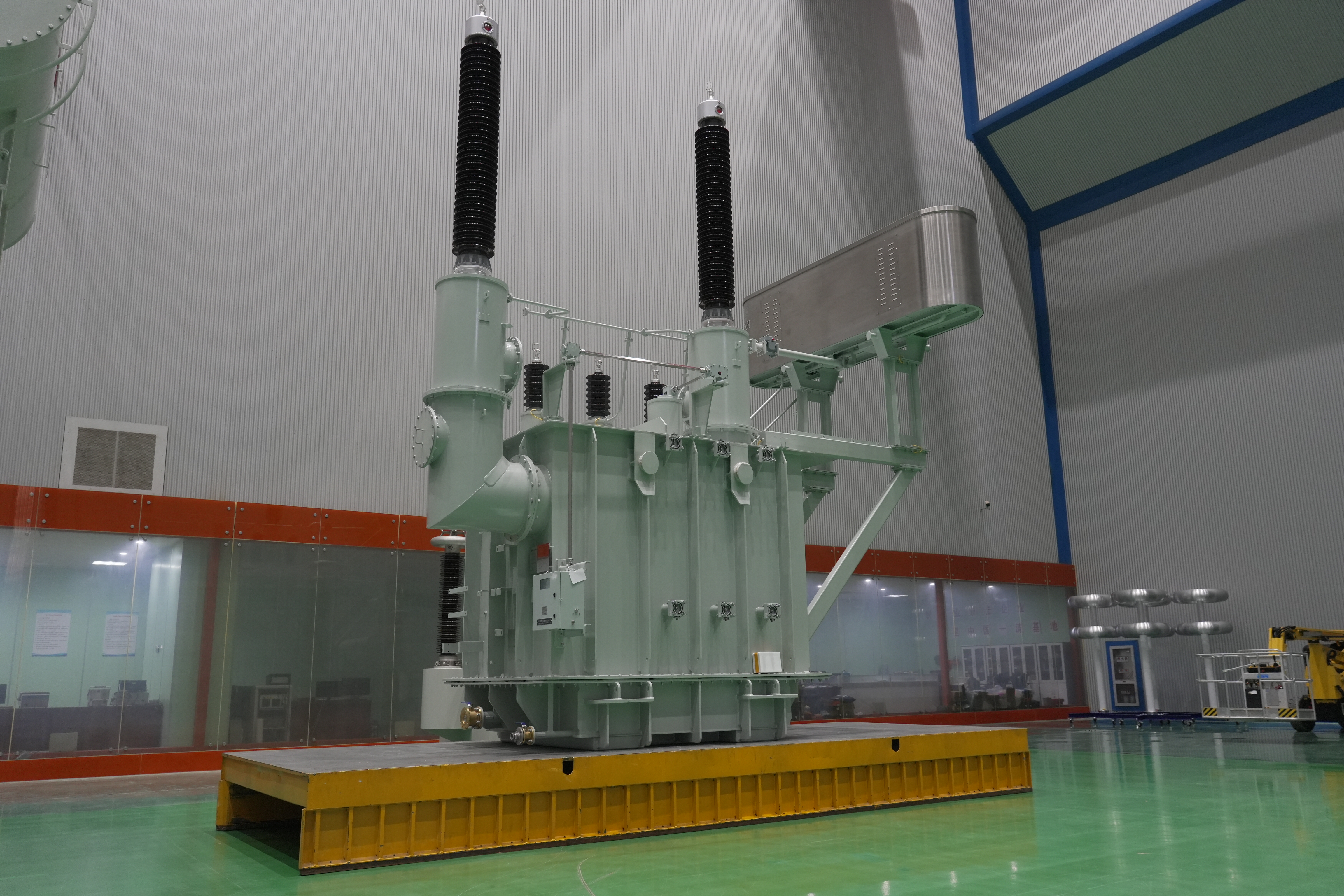
Industrial plants operate under demanding conditions that require robust electrical infrastructure. Ventilated transformers have become the preferred choice for many manufacturing facilities, data centers, and processing plants worldwide. These specialized units deliver superior thermal management and operational reliability compared to sealed alternatives. Understanding why ventilated transformers dominate industrial power supply applications reveals critical insights into modern electrical efficiency and equipment longevity. The decision to invest in ventilated transformers reflects a commitment to sustained productivity and reduced downtime across complex industrial operations.
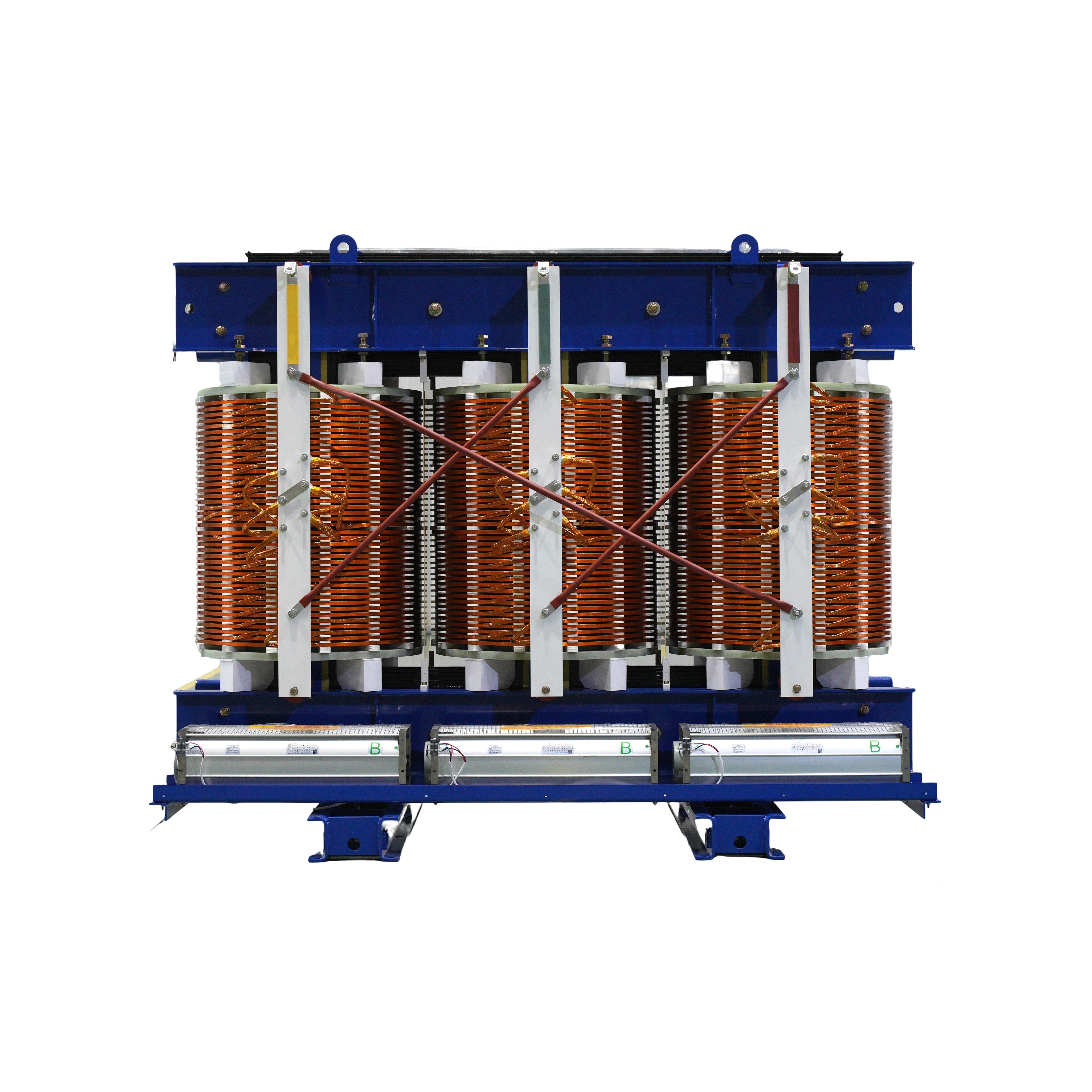
The selection of ventilated transformers represents a strategic engineering decision based on proven performance metrics and real-world operational demands. Industrial facilities prioritize equipment that minimizes energy losses, extends service intervals, and maintains consistent output during peak loads. Ventilated transformers accomplish all three objectives through intelligent design and active thermal regulation. This article explores the specific advantages that make ventilated transformers the dominant solution for industrial power applications, examining cooling efficiency, maintenance profiles, and long-term cost implications.
Superior Thermal Management and Cooling Efficiency
How Ventilated Transformers Regulate Operating Temperature
Ventilated transformers employ forced-air cooling systems that continuously extract heat from transformer windings and core materials. Unlike sealed units that rely on passive heat dissipation, ventilated transformers use strategically positioned fans and air ducts to maintain optimal operating temperatures. This active cooling mechanism prevents thermal stress on insulation materials, which directly extends equipment lifespan. Industrial plants recognize that ventilated transformers reduce core and copper losses through improved heat removal. Temperature monitoring sensors trigger automatic fan operation when internal temperatures rise, ensuring ventilated transformers operate within manufacturer specifications even during sustained heavy loads.
Energy Loss Reduction and Operational Efficiency
Heat generation within transformers represents wasted energy that increases operational costs across industrial facilities. Ventilated transformers minimize these losses by maintaining cooler operating temperatures, which reduces resistance heating in copper windings. Studies consistently show that ventilated transformers achieve energy efficiency improvements of 5 to 8 percent compared to passively cooled alternatives. Industrial plants with continuous or near-continuous operations benefit significantly from these efficiency gains over multi-year equipment lifecycles. The cumulative cost savings from ventilated transformers often exceed their initial premium within three to five years of standard industrial operation.
Extended Equipment Lifespan and Maintenance Advantages
Thermal Stress Reduction on Insulation Materials
Transformer insulation degrades faster when exposed to elevated temperatures, and this degradation accelerates exponentially as heat increases. Ventilated transformers protect insulation integrity by maintaining temperatures 15 to 25 degrees Celsius lower than sealed units under identical load conditions. Industrial plants understand that every degree of additional cooling extends insulation life by approximately 8 to 10 percent. This relationship between temperature and insulation longevity makes ventilated transformers an investment in extended service intervals and reduced replacement frequency. Facilities operating ventilated transformers report average service life increases of 30 to 40 percent compared to equivalent sealed transformer installations.
Predictable Maintenance Scheduling and Reduced Emergency Outages
Ventilated transformers operate at lower temperatures with more consistent thermal profiles, enabling plant managers to establish reliable maintenance schedules. The reduced thermal cycling and stress mean ventilated transformers experience fewer sudden failures or unexpected breakdowns. Industrial plants can plan maintenance during scheduled shutdowns rather than responding to emergency repairs caused by thermal failure. This predictability allows plants to optimize workforce allocation, coordinate repairs with production schedules, and maintain spare parts inventory more efficiently. Facilities using ventilated transformers report 35 to 45 percent fewer unplanned transformer outages annually compared to operations relying on sealed alternatives.
Handling Peak Loads and Sustaining Industrial Operations
Load Carrying Capacity During Production Surges
Modern industrial operations experience significant load variations as production demands fluctuate throughout operational periods. Ventilated transformers can handle peak loads more safely and reliably than passive cooling systems because active cooling prevents dangerous temperature spikes. Many industrial facilities operate ventilated transformers at higher capacity factors than sealed units, extracting additional productive value from electrical infrastructure investments. The forced-air cooling systems in ventilated transformers respond within seconds to load increases, maintaining thermal stability during demand surges. This responsiveness ensures ventilated transformers continue delivering reliable power even when production requirements spike unexpectedly, preventing costly production interruptions.
Compatibility with Modern Industrial Equipment and Control Systems
Contemporary industrial equipment draws highly variable power across different operational phases, requiring transformers that adapt to dynamic electrical demands. Ventilated transformers integrate seamlessly with modern power management systems, automated switching equipment, and sophisticated load balancing technology. The active cooling capability of ventilated transformers accommodates the complex electrical profiles generated by variable frequency drives, automated machinery, and digital production systems common in modern plants. Industrial facilities benefit from ventilated transformers that maintain voltage stability and harmonic compliance even when supporting diverse simultaneous loads. This compatibility positions ventilated transformers as the natural choice for facilities planning technology upgrades or renovations involving updated production equipment.
FAQ
What makes ventilated transformers different from sealed transformers in industrial applications?
Ventilated transformers use active forced-air cooling systems with fans and air circulation pathways, while sealed transformers rely entirely on passive heat dissipation. The active cooling in ventilated transformers enables lower operating temperatures, higher efficiency, better load handling capability, and extended service life compared to sealed alternatives. Industrial plants typically choose ventilated transformers when continuous operation, peak load handling, or extended service intervals are critical operational requirements.
How do ventilated transformers contribute to reducing industrial facility operating costs?
Ventilated transformers reduce operating costs through improved energy efficiency, extended service intervals requiring fewer replacements, and reduced unplanned maintenance expenses. Lower operating temperatures decrease copper and core losses, translating directly to lower electricity consumption. Longer equipment lifespan means plants replace ventilated transformers less frequently, spreading capital costs across longer periods. Additionally, reduced emergency failures and more predictable maintenance scheduling lower labor costs and prevent expensive production interruptions from unexpected outages.
Are ventilated transformers suitable for all industrial facility sizes and applications?
Ventilated transformers work best in facilities with reliable indoor climate control, adequate air circulation space, and continuous or near-continuous operational demands. They excel in large industrial plants, manufacturing facilities, data centers, and processing plants with heavy electrical loads. Facilities operating in clean environments benefit most from ventilated transformers, as dust and contamination require more frequent filter maintenance. Some smaller operations or facilities with space constraints may find sealed alternatives more practical, but most industrial facilities upgrading or constructing new electrical infrastructure choose ventilated transformers for superior performance and reliability.