 EN
EN


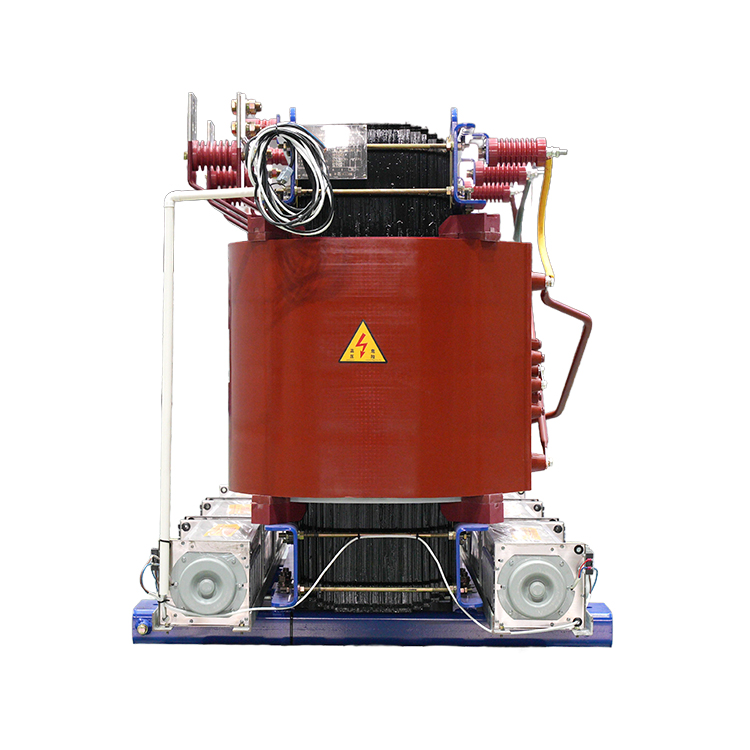
A ventilated transformer is a critical component in electrical distribution systems, designed to manage heat dissipation through active cooling mechanisms. Understanding the safety considerations for a ventilated transformer is essential for operators, engineers, and facility managers who work with these systems. A ventilated transformer operates under specific thermal and electrical conditions that require careful attention to prevent equipment failure, safety hazards, and operational disruptions. This article explores the primary safety considerations for a ventilated transformer to help organizations implement robust protection strategies.
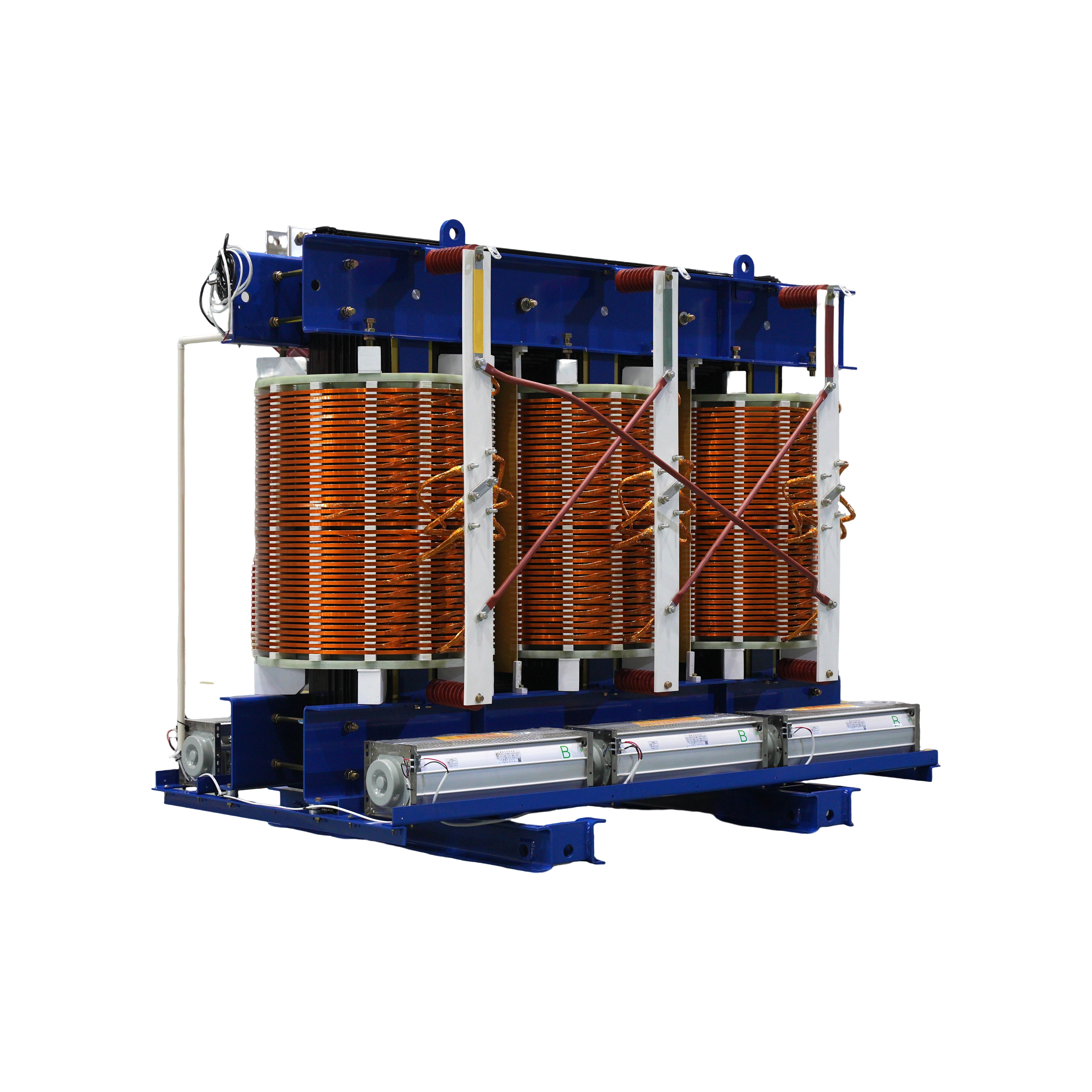
The operational reliability of a ventilated transformer depends on multiple intersecting safety factors. These factors span thermal management, electrical isolation, environmental protection, and preventive maintenance protocols. Addressing each dimension systematically ensures that a ventilated transformer performs safely and delivers consistent service over its operational lifespan.
Thermal Management and Cooling System Safety
Monitoring Ventilation Airflow
A ventilated transformer relies on controlled airflow to remove heat generated during operation. Blocked ventilation ducts, accumulation of dust, or obstructed cooling fins severely compromise heat dissipation and create overheating conditions. Safety protocols for a ventilated transformer must include regular inspection of air intake and exhaust pathways to ensure unobstructed airflow. Environmental factors such as ambient temperature, humidity, and air quality directly influence cooling effectiveness. When a ventilated transformer is installed in confined spaces or poorly ventilated areas, thermal stress increases significantly, potentially triggering thermal protection systems or causing premature equipment degradation.
Temperature Monitoring and Alarm Systems
Temperature sensors installed on a ventilated transformer provide real-time data on winding and oil temperatures. Safety-critical thresholds must be established to trigger alarms before dangerous temperatures are reached. A ventilated transformer should include redundant temperature monitoring to provide backup capability if a primary sensor fails. Automatic shutdown or load reduction systems activate when temperatures exceed safe limits, preventing thermal damage and reducing fire risk. Continuous temperature trending helps identify early warning signs of cooling system degradation or equipment stress on a ventilated transformer.
Electrical Safety and Protection Systems
Insulation Integrity and Dielectric Strength
The dielectric fluid in a ventilated transformer provides electrical insulation between energized components and serves as a cooling medium. Contamination, moisture ingress, or thermal degradation reduces insulation strength and increases electrical hazard risk. Safety considerations for a ventilated transformer include regular dielectric fluid testing to measure moisture content, acid number, breakdown voltage, and particle contamination levels. Moisture in the cooling fluid accelerates insulation deterioration and creates pathways for electrical faults. A ventilated transformer with compromised insulation presents serious shock, arc flash, and fire hazards to personnel and adjacent equipment.
Overvoltage Protection and Surge Suppression
Lightning strikes, switching transients, and utility disturbances can introduce damaging overvoltage conditions into a ventilated transformer. Surge protective devices, lightning arresters, and coordinated protection schemes shield a ventilated transformer from voltage excursions. Safety design standards for a ventilated transformer specify adequate grounding systems and surge suppression capacity rated to the expected exposure level. Inadequate overvoltage protection can lead to insulation breakdown, equipment failure, and potential safety incidents involving energized circuits.
Environmental Protection and Operational Conditions
Mechanical Integrity and Physical Protection
A ventilated transformer requires physical protection from mechanical damage, falling objects, and unauthorized access. Safety fencing, protective barriers, and structural supports prevent accidental contact with energized surfaces. Vibration isolation and structural stability ensure that a ventilated transformer remains securely mounted during operation. Environmental factors such as corrosive atmospheres, salt spray, or chemical exposure accelerate external deterioration of a ventilated transformer and its cooling equipment. Adequate drainage and flood prevention measures protect a ventilated transformer from water damage and short-circuit conditions.
Fire Prevention and Thermal Runaway Mitigation
A ventilated transformer filled with mineral oil presents an inherent fire risk if cooling systems fail or insulation faults develop. Fire-resistant cooling fluids offer enhanced safety for installations where fire hazard is a primary concern. Safety standards for a ventilated transformer require appropriate fire suppression equipment, thermal barriers, and emergency shutdown procedures. Thermal runaway conditions occur when a ventilated transformer cannot shed heat faster than it generates internal losses. Rapid detection systems and automatic disconnection mechanisms on a ventilated transformer prevent escalation of thermal events.
Maintenance and Operational Safety
Preventive Maintenance Schedules
Regular maintenance of a ventilated transformer extends equipment life and prevents safety hazards. Scheduled inspections include cooling fan operation verification, temperature sensor calibration, and visual assessment of cooling ducts and vents. A ventilated transformer maintenance program must address potential failure modes before they compromise safety or reliability. Documentation of maintenance activities on a ventilated transformer creates a historical record useful for trend analysis and predictive maintenance planning. Deferred maintenance on a ventilated transformer increases the probability of unexpected failures and safety incidents.
Personnel Training and Safe Work Practices
Operators and maintenance technicians must receive comprehensive training on hazards associated with a ventilated transformer. Safety protocols include lockout-tagout procedures, proper personal protective equipment selection, and emergency response procedures. A ventilated transformer presents electrical shock, arc flash, thermal burn, and chemical exposure risks to personnel working in proximity or performing maintenance. Clear labeling, warning signs, and operational manuals for a ventilated transformer establish expectations for safe work practices. Regular competency assessments ensure that personnel maintain current knowledge of a ventilated transformer safety requirements.
FAQ
What cooling methods are used in a ventilated transformer to prevent overheating?
A ventilated transformer uses forced-air cooling systems with fans to circulate ambient air across cooling fins or oil-cooled radiator banks. The cooling design of a ventilated transformer may also incorporate thermostatic controls that activate fans automatically when internal temperatures exceed setpoints. Some designs employ both air-to-oil and oil-to-winding heat transfer paths to maximize cooling efficiency in a ventilated transformer.
How often should the dielectric fluid in a ventilated transformer be tested for safety compliance?
Industry standards recommend testing the dielectric fluid in a ventilated transformer annually under normal operating conditions, with more frequent testing in high-stress environments. A ventilated transformer operating under severe thermal or electrical stress may require quarterly or semi-annual fluid analysis. Trending of fluid test results on a ventilated transformer helps identify degradation trends and schedule timely maintenance before critical thresholds are breached.
What electrical protection devices are typically installed on a ventilated transformer?
Standard protection for a ventilated transformer includes overcurrent relays, differential relays, temperature monitoring relays, and surge arresters on incoming power circuits. A ventilated transformer may also include secondary circuit breakers, load break switches, and automatic disconnect devices activated by thermal or electrical fault conditions. The specific protection complement for a ventilated transformer depends on voltage class, load characteristics, and facility risk tolerance.