 EN
EN


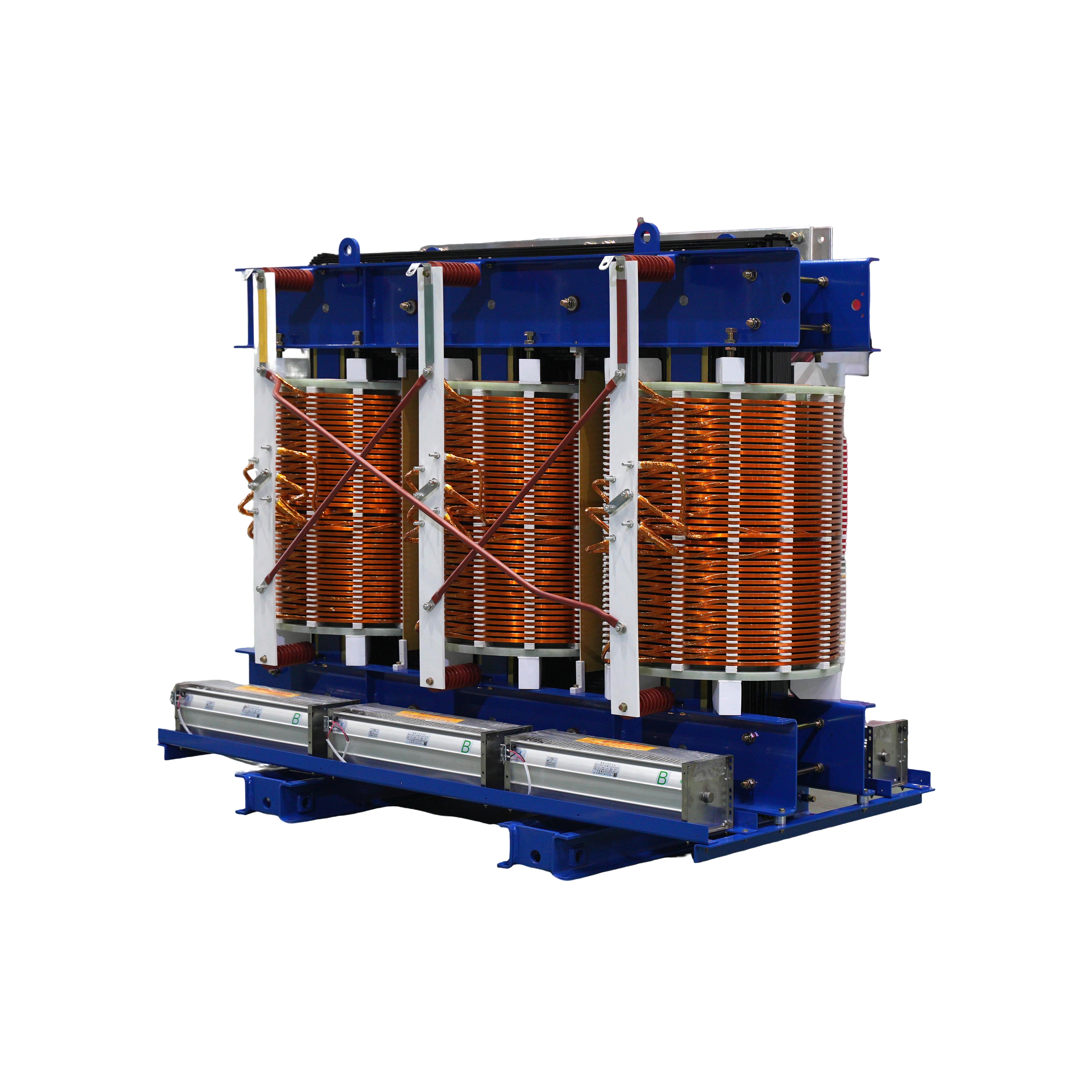
Auto transformers offer significant cost reduction opportunities in power transmission systems through their unique single-winding design and efficient voltage transformation capabilities. Unlike conventional two-winding transformers, an auto transformer utilizes a shared winding configuration that reduces material requirements while maintaining high performance standards for voltage regulation and power transfer applications.
The economic advantages of implementing an auto transformer in transmission networks stem from multiple factors including reduced copper usage, smaller physical footprint, lower installation costs, and improved operational efficiency. These cost benefits become particularly pronounced in high-voltage applications where material expenses and infrastructure requirements represent substantial capital investments for utility companies and industrial facilities.
Material Cost Savings Through Design Efficiency
Reduced Copper Requirements
The primary cost advantage of an auto transformer lies in its significantly reduced copper consumption compared to conventional isolation transformers. The single-winding design eliminates the need for completely separate primary and secondary windings, resulting in copper savings of 20-40% depending on the voltage transformation ratio. This reduction translates directly into lower manufacturing costs and reduced raw material expenses.
In high-voltage transmission applications, copper represents one of the most expensive components in transformer construction. An auto transformer achieves the same voltage transformation with substantially less conductive material by utilizing the common winding portion for both input and output circuits. The amount of copper saved increases as the transformation ratio approaches unity, making auto transformers particularly cost-effective for voltage adjustments within relatively narrow ranges.
The copper reduction also contributes to weight savings, which impacts transportation costs and installation requirements. Lighter transformers require less robust supporting structures and can be installed using smaller capacity cranes and lifting equipment, further reducing overall project costs in transmission system implementations.
Core Material Optimization
Auto transformer designs require smaller magnetic cores compared to equivalent-capacity isolation transformers due to the shared flux path and reduced total winding volume. The core size reduction typically ranges from 15-30% for common voltage transformation applications, resulting in significant savings on high-grade electrical steel and core lamination materials.
Smaller cores also mean reduced core losses, which contributes to improved operational efficiency and lower long-term energy costs. The magnetic flux density can be optimized more effectively in an auto transformer configuration, allowing for better utilization of the core material and enhanced performance characteristics while maintaining cost advantages.
The reduced core size impacts manufacturing processes by requiring less processing time for core assembly and reduced handling complexity during production. These manufacturing efficiencies translate into lower labor costs and faster production cycles, benefits that are typically passed on to customers through competitive pricing structures.
Installation and Infrastructure Cost Reductions
Smaller Physical Footprint
The compact design of an auto transformer significantly reduces the required installation space compared to conventional transformer solutions. The space savings typically range from 20-35% for equivalent power ratings, which translates into reduced land acquisition costs, smaller substation requirements, and more efficient use of existing facility infrastructure.
In urban transmission applications where real estate costs are high, the smaller footprint of an auto transformer can result in substantial savings on land purchase or lease expenses. The reduced space requirements also allow for easier integration into existing substations without requiring major infrastructure modifications or expansions.
The compact design facilitates installation in space-constrained environments such as underground vaults or rooftop installations where conventional transformers might not be feasible. This flexibility opens up additional deployment options and can eliminate the need for costly alternative installation methods or remote placement strategies.
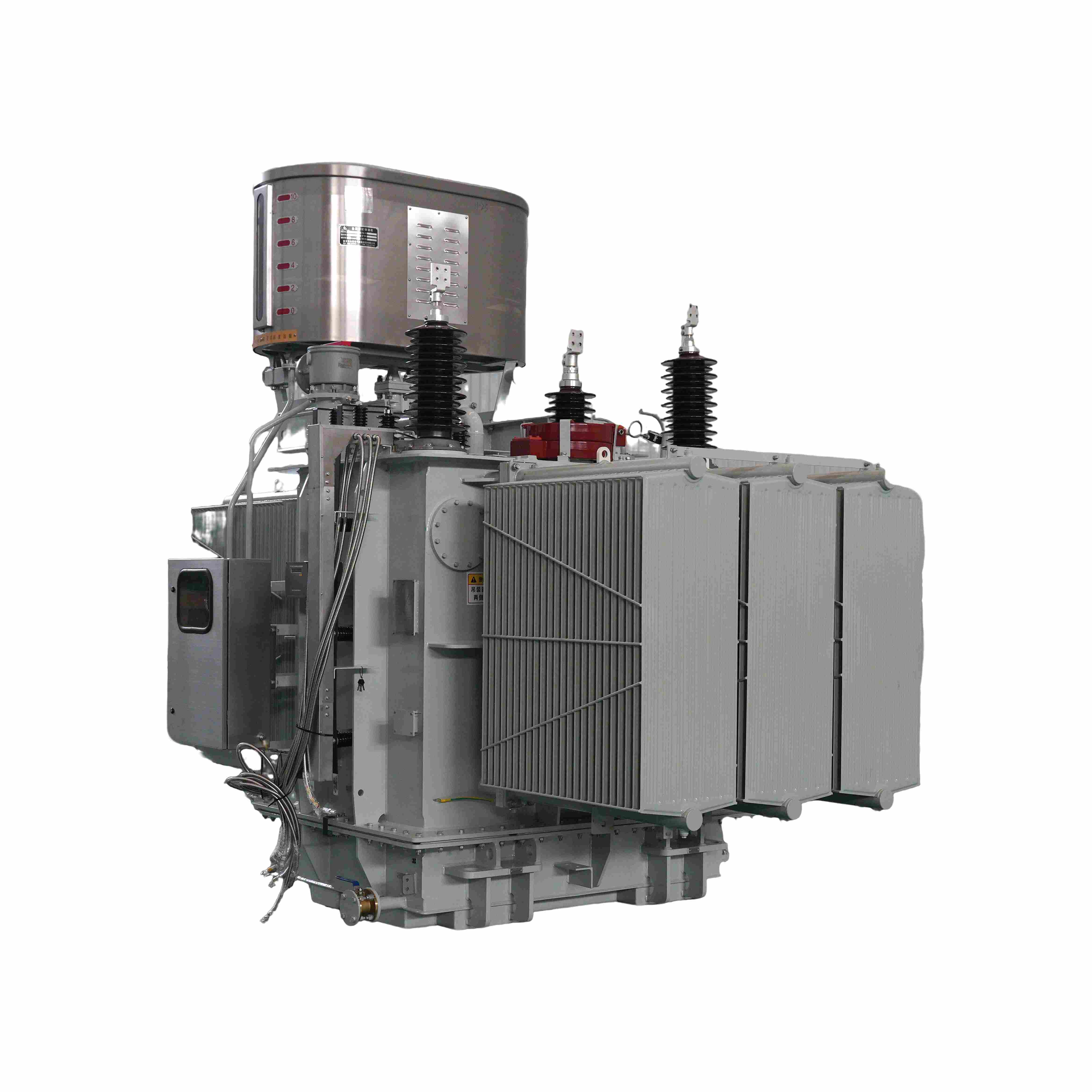
Reduced Foundation and Support Requirements
The lighter weight and smaller dimensions of an auto transformer result in reduced foundation requirements and lower structural support costs. Foundation construction typically represents 10-15% of total transformer installation expenses, so the weight reduction can generate meaningful cost savings in civil engineering and construction phases of transmission projects.
Smaller foundations require less concrete, reduced excavation work, and shorter construction timelines. The reduced structural requirements also simplify the approval process for building permits and environmental compliance, potentially accelerating project schedules and reducing administrative costs associated with extended construction periods.
In seismic zones or areas with challenging soil conditions, the reduced weight of an auto transformer can significantly lower the complexity and cost of seismic restraint systems and foundation reinforcement requirements. These savings become particularly important in high-voltage applications where equipment protection represents a substantial portion of total installation costs.
Operational Efficiency and Long-Term Cost Benefits
Higher Energy Efficiency
Auto transformers typically achieve efficiency ratings 0.5-1.5% higher than equivalent isolation transformers due to reduced winding losses and optimized magnetic circuit design. While this difference may seem modest, the cumulative energy savings over the 20-30 year lifespan of transmission equipment can represent significant cost reductions for system operators.
The improved efficiency translates directly into lower operating costs through reduced energy consumption during normal operation. In large transmission systems handling hundreds of megawatts, even small efficiency improvements can result in annual energy cost savings measured in thousands or tens of thousands of dollars per transformer installation.
Higher efficiency also means reduced heat generation, which can extend equipment lifespan and reduce cooling system requirements. The lower operating temperatures contribute to improved insulation life and reduced maintenance frequency, resulting in additional long-term cost benefits for transmission system operators.
Reduced Maintenance Requirements
The simpler internal construction of an auto transformer typically results in lower maintenance requirements compared to more complex isolation transformer designs. Fewer internal connections and reduced winding complexity contribute to improved reliability and extended service intervals, reducing both scheduled maintenance costs and unplanned outage expenses.
The single-winding design eliminates potential failure points associated with inter-winding insulation systems, reducing the likelihood of internal faults and associated repair costs. This reliability improvement is particularly valuable in critical transmission applications where equipment failures can result in significant economic losses due to power system disruptions.
Simplified diagnostic procedures and reduced complexity of internal components make troubleshooting and maintenance activities more efficient, reducing labor costs and minimizing system downtime. The improved accessibility of key components also facilitates faster repair procedures when maintenance is required, further reducing operational disruption costs.
Application-Specific Cost Advantages
Voltage Regulation Applications
In voltage regulation applications, an auto transformer provides cost-effective solutions for maintaining optimal voltage levels across transmission networks. The ability to provide fine voltage adjustments with minimal losses makes auto transformers particularly suitable for applications where voltage stability is critical for system performance and equipment protection.
The cost effectiveness becomes particularly apparent in applications requiring multiple tap positions or variable voltage output. Auto transformer designs can incorporate tap changing mechanisms more efficiently than isolation transformers, providing enhanced voltage control capabilities at lower overall system costs.
For utilities managing voltage regulation across extensive transmission networks, the deployment of strategically located auto transformers can reduce the need for additional voltage control equipment and associated infrastructure investments. This system-level cost optimization often results in overall capital expense reductions despite individual equipment costs.
Network Interconnection Benefits
Auto transformers excel in network interconnection applications where different voltage levels need to be connected within the same electrical system. The electrical connection between input and output circuits can provide system stability benefits that eliminate the need for additional power factor correction equipment or voltage support devices.
The ability to transfer power in both directions with equal efficiency makes an auto transformer ideal for interconnecting transmission networks operating at different voltage levels. This bidirectional capability can eliminate the need for separate transformation equipment in complex network configurations, resulting in significant capital cost savings.
In grid modernization projects, auto transformers can facilitate the integration of new transmission lines with existing infrastructure without requiring comprehensive system redesigns. This compatibility reduces project complexity and associated engineering costs while maintaining system reliability and performance standards.
FAQ
What percentage of cost savings can be achieved by using an auto transformer instead of an isolation transformer?
Cost savings typically range from 15-35% depending on the specific application, voltage levels, and power ratings involved. The greatest savings occur in applications with transformation ratios close to 1:1, where material reductions are maximized. Installation and operational cost benefits can add another 10-20% in long-term savings through reduced infrastructure requirements and improved efficiency.
Are there any limitations to cost savings when implementing auto transformers in transmission systems?
Auto transformers provide maximum cost benefits when the transformation ratio is less than 2:1, as higher ratios reduce the material savings advantages. Additionally, applications requiring electrical isolation between input and output circuits cannot utilize auto transformer technology, limiting cost reduction opportunities in certain safety-critical installations or where ground fault protection schemes require complete circuit separation.
How do maintenance costs compare between auto transformers and conventional transformers over their operational lifetime?
Auto transformers typically demonstrate 20-30% lower maintenance costs over their operational lifetime due to simplified internal construction and fewer potential failure points. The single-winding design reduces the complexity of insulation systems and eliminates inter-winding fault possibilities, resulting in improved reliability and extended maintenance intervals. However, specialized knowledge may be required for certain maintenance procedures specific to auto transformer configurations.
What factors should be considered when evaluating the total cost of ownership for auto transformer installations?
Total cost of ownership evaluation should include initial capital costs, installation expenses, operational efficiency benefits, maintenance requirements, and expected service life. Auto transformers generally provide favorable total cost profiles in voltage regulation applications, network interconnections, and situations where space constraints exist. The analysis should also consider system-level benefits such as reduced infrastructure requirements and improved power quality that can generate additional economic value beyond direct equipment costs.
Table of Contents
- Material Cost Savings Through Design Efficiency
- Installation and Infrastructure Cost Reductions
- Operational Efficiency and Long-Term Cost Benefits
- Application-Specific Cost Advantages
-
FAQ
- What percentage of cost savings can be achieved by using an auto transformer instead of an isolation transformer?
- Are there any limitations to cost savings when implementing auto transformers in transmission systems?
- How do maintenance costs compare between auto transformers and conventional transformers over their operational lifetime?
- What factors should be considered when evaluating the total cost of ownership for auto transformer installations?