 EN
EN


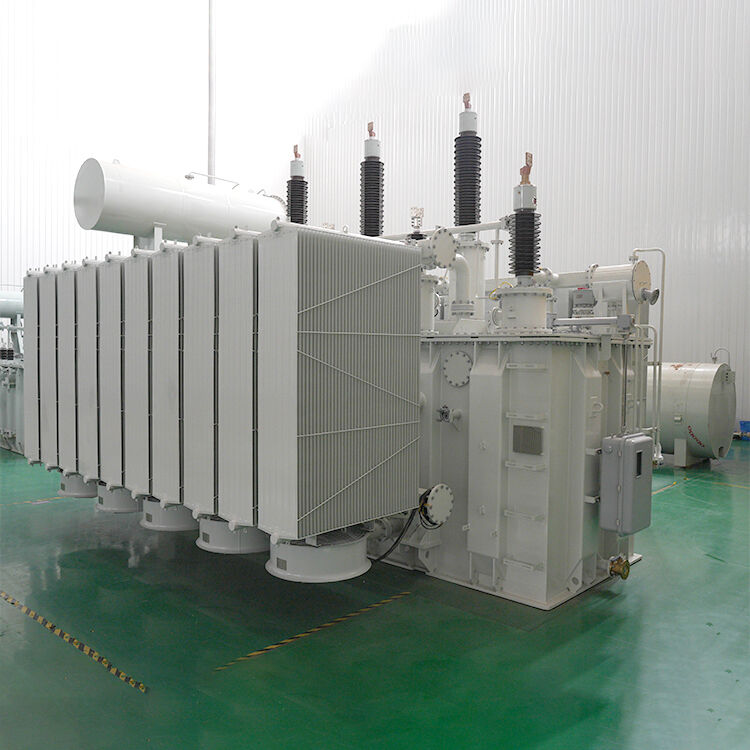
Auto transformers have become indispensable components in voltage regulation applications due to their unique design characteristics and operational efficiency. Unlike conventional transformers that utilize separate primary and secondary windings, auto transformers employ a single continuous winding with multiple taps, creating a direct electrical connection between input and output circuits. This fundamental design difference enables auto transformers to deliver superior performance in voltage regulation scenarios where precise control and energy efficiency are paramount.
The widespread adoption of auto transformers in voltage regulation stems from their ability to provide continuous voltage adjustment with minimal losses and reduced material requirements. Power systems, industrial facilities, and distribution networks rely on these devices to maintain stable voltage levels despite fluctuating load conditions and source variations. Understanding why auto transformers excel in voltage regulation applications requires examining their inherent advantages, operational principles, and specific characteristics that make them superior to alternative solutions in many scenarios.
Fundamental Design Advantages for Voltage Control
Single Winding Configuration Benefits
The single winding design of auto transformers creates inherent advantages for voltage regulation applications that conventional transformers cannot match. This configuration allows for seamless voltage adjustment through tap changing mechanisms without the energy losses associated with magnetic coupling between separate windings. The continuous winding structure enables auto transformers to provide smooth voltage transitions, eliminating the discrete steps that characterize many conventional voltage regulation methods.
Auto transformers achieve superior regulation accuracy because the voltage adjustment occurs along a single conductor path rather than through magnetic field transfer between isolated windings. This direct electrical connection ensures that voltage changes are instantaneous and proportional, making auto transformers ideal for applications requiring precise voltage control. The single winding approach also reduces manufacturing complexity and material requirements, contributing to the cost-effectiveness that makes auto transformers attractive for large-scale voltage regulation installations.
Reduced Copper and Core Material Requirements
Material efficiency represents a critical factor driving the selection of auto transformers for voltage regulation applications. These devices require significantly less copper conductor material compared to conventional transformers of equivalent rating, typically reducing copper requirements by 20-30% for transformation ratios commonly used in voltage regulation. The reduced material requirement translates directly into lower manufacturing costs and smaller physical footprints, enabling more compact installation configurations.
The core material requirements for auto transformers are similarly reduced due to the shared flux path between input and output circuits. This design efficiency allows auto transformers to achieve the same voltage regulation performance with smaller core structures, reducing both material costs and installation space requirements. The material savings become particularly significant in high-power voltage regulation applications where conventional transformers would require substantial infrastructure investments.
Superior Efficiency in Voltage Regulation Operations
Minimized Energy Losses
Energy efficiency stands as perhaps the most compelling reason why auto transformers dominate voltage regulation applications. These devices typically achieve efficiencies exceeding 98% in voltage regulation scenarios, significantly outperforming conventional transformers that may operate at 94-96% efficiency under similar conditions. The superior efficiency results from the elimination of energy losses associated with magnetic coupling between separate windings, as the majority of power transfers directly through the conductor without magnetic transformation.
The conductive power transfer mechanism inherent in auto transformers means that only a fraction of the total power undergoes magnetic transformation. In typical voltage regulation applications where the input and output voltages differ by 10-20%, as much as 80-90% of the power passes directly through the conductor, experiencing minimal losses. This characteristic makes auto transformers particularly valuable in continuous operation scenarios where energy savings accumulate significantly over time.
Reduced Heat Generation and Cooling Requirements
The enhanced efficiency of auto transformers directly translates into reduced heat generation, creating substantial advantages in voltage regulation installations. Lower operating temperatures extend equipment lifespan and reduce cooling system requirements, contributing to overall system reliability and operational cost reduction. The reduced thermal stress on insulation materials and conductor components enables auto transformers to maintain consistent performance over extended operating periods.
Cooling system simplification represents a practical benefit that influences installation and maintenance costs in voltage regulation applications. Auto transformers often operate successfully with natural air cooling or simplified forced air systems, whereas conventional transformers of equivalent capacity may require more sophisticated cooling arrangements. This cooling advantage becomes particularly important in enclosed installations or environments with limited ventilation capabilities where heat dissipation poses operational challenges.
Operational Characteristics Favoring Voltage Regulation
Continuous Voltage Adjustment Capability
Auto transformers excel in voltage regulation applications because they provide continuous voltage adjustment capabilities rather than discrete switching between fixed voltage levels. This characteristic enables precise voltage control that can respond to gradual load changes or source variations without creating sudden voltage disturbances. The continuous adjustment capability is particularly valuable in sensitive industrial processes where voltage stability directly impacts product quality and equipment performance.
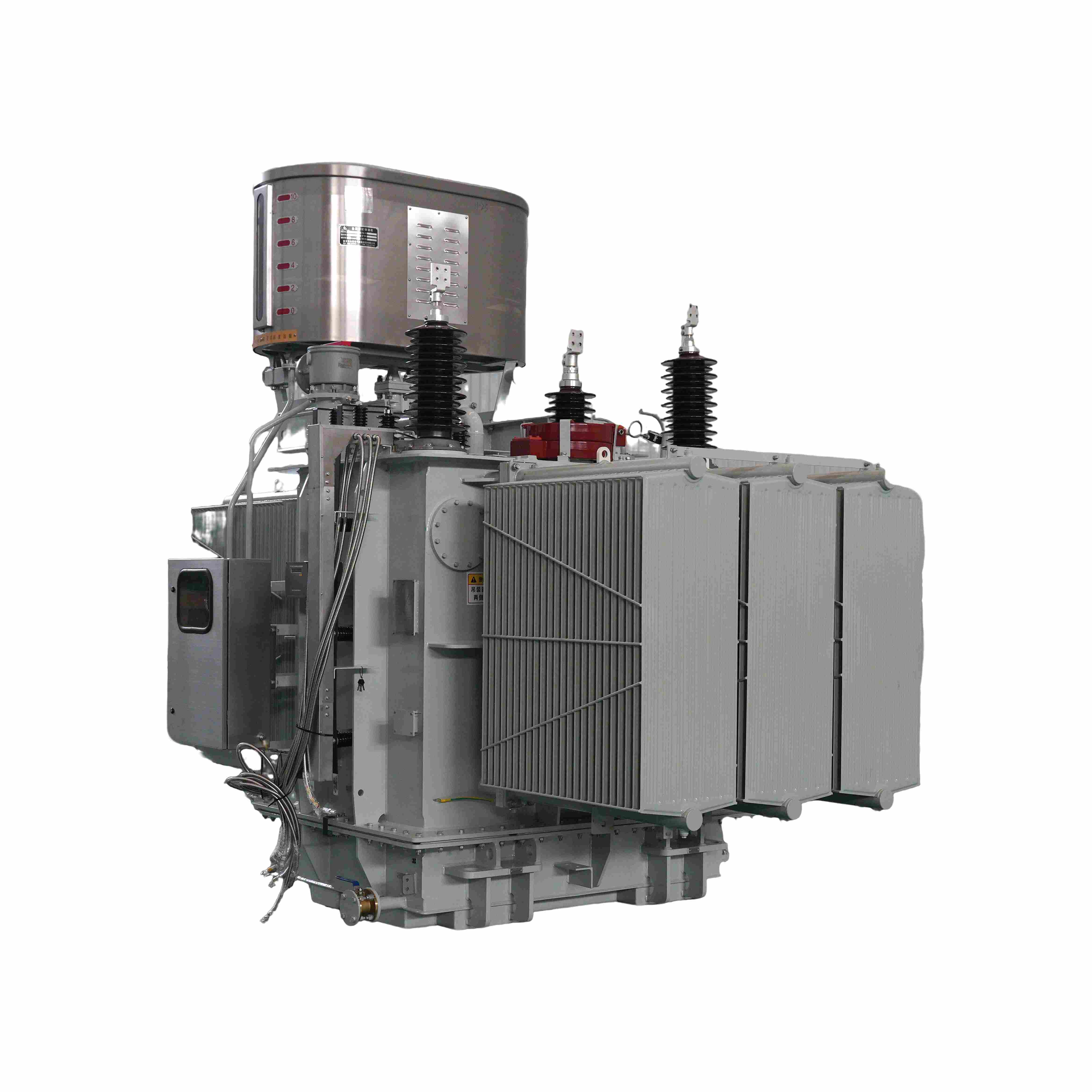
The tap changing mechanisms available for auto transformers offer superior flexibility compared to conventional transformer approaches. On-load tap changers can adjust auto transformer output voltages while maintaining circuit continuity, enabling real-time voltage regulation without service interruptions. This capability makes auto transformers essential components in distribution systems where maintaining continuous service during voltage adjustments is critical for customer satisfaction and system reliability.
Fast Response to Load Variations
Response speed represents another crucial advantage that positions auto transformers as preferred solutions for dynamic voltage regulation applications. The direct electrical connection between input and output circuits eliminates the magnetic flux build-up time associated with conventional transformers, enabling near-instantaneous voltage responses to load changes. This rapid response capability is essential in applications where load variations occur frequently or where voltage stability must be maintained within tight tolerances.
Auto transformers demonstrate superior performance in applications with fluctuating loads because their inherent design characteristics provide natural voltage regulation effects. As load current increases, the voltage drop across the common winding provides automatic voltage adjustment that helps maintain output stability. This self-regulating characteristic reduces the burden on external voltage control systems and enhances overall system stability in varying load conditions.
Economic and Installation Benefits
Lower Initial Investment Requirements
Economic considerations strongly favor auto transformers in voltage regulation applications due to their reduced manufacturing costs and material requirements. The single winding construction and smaller core structures enable manufacturers to produce auto transformers at significantly lower costs compared to conventional transformers of equivalent capacity. These cost savings become substantial in large installations where multiple voltage regulation points require transformer installations.
Installation cost advantages extend beyond the transformer purchase price to include reduced foundation requirements, simplified connections, and smaller protective equipment needs. Auto transformers typically require less installation space and lighter support structures, reducing civil work requirements and enabling installation in space-constrained environments. The reduced complexity of auto transformer installations also decreases commissioning time and associated labor costs.
Simplified Maintenance and Operation
Maintenance requirements for auto transformers in voltage regulation applications are generally less demanding than those for conventional transformers due to their simpler construction and fewer components. The single winding design eliminates many potential failure points associated with inter-winding insulation and magnetic coupling components. This reliability advantage translates into reduced maintenance intervals and lower lifecycle costs for voltage regulation systems.
Operational simplicity represents an additional benefit that makes auto transformers attractive for voltage regulation applications. The direct electrical connection simplifies troubleshooting procedures and enables more straightforward testing protocols compared to conventional transformers. Maintenance personnel can more easily diagnose and address operational issues, reducing downtime and improving system availability in critical voltage regulation applications.
Application-Specific Advantages
Distribution System Voltage Regulation
Distribution systems utilize auto transformers extensively for voltage regulation because these devices can accommodate the variable voltage requirements across different network segments. The ability to provide precise voltage adjustment at multiple points throughout the distribution network enables utilities to maintain voltage quality standards while optimizing power delivery efficiency. Auto transformers serve as voltage regulators at distribution substations, along feeder lines, and at customer connection points where voltage correction is necessary.
The compact size and high efficiency of auto transformers make them particularly suitable for distribution applications where space constraints and energy losses directly impact operational economics. Distribution utilities can install auto transformers in existing substations without extensive modifications, enabling cost-effective voltage regulation upgrades. The reduced losses associated with auto transformer operation translate into measurable energy savings across distribution networks, contributing to improved system efficiency and reduced operating costs.
Industrial Process Voltage Stabilization
Industrial facilities rely on auto transformers for voltage regulation applications because manufacturing processes often require precise voltage control to ensure product quality and equipment protection. Variable speed drives, precision motors, and sensitive electronic equipment operate optimally within narrow voltage ranges that auto transformers can maintain effectively. The fast response characteristics and continuous adjustment capabilities of auto transformers align well with the dynamic voltage requirements of industrial operations.
Auto transformers provide cost-effective solutions for industrial voltage regulation because they can handle the high power levels typical in manufacturing environments while maintaining the efficiency necessary for economic operation. Industrial facilities benefit from the reduced energy costs associated with auto transformer efficiency, particularly in continuous operation scenarios where small efficiency improvements generate substantial savings over time. The reliability and simplified maintenance requirements of auto transformers also support the high availability demands of industrial production systems.
FAQ
What makes auto transformers more efficient than conventional transformers in voltage regulation?
Auto transformers achieve higher efficiency in voltage regulation because they transfer most power directly through the conductor rather than through magnetic coupling. Only the voltage difference portion undergoes magnetic transformation, while the majority of power passes conductively with minimal losses. This results in efficiencies typically exceeding 98% compared to 94-96% for conventional transformers.
Can auto transformers provide continuous voltage adjustment in regulation applications?
Yes, auto transformers excel at providing continuous voltage adjustment through tap changing mechanisms and their inherent design characteristics. On-load tap changers enable real-time voltage regulation without service interruption, while the single winding configuration allows smooth voltage transitions without discrete steps. This capability makes them ideal for applications requiring precise, continuous voltage control.
Are auto transformers suitable for high-power voltage regulation applications?
Auto transformers are particularly well-suited for high-power voltage regulation due to their material efficiency and reduced size requirements. They require 20-30% less copper and smaller core structures compared to conventional transformers of equivalent rating, making them cost-effective for large installations. Their high efficiency also reduces cooling requirements, which is especially beneficial in high-power applications.
What safety considerations apply when using auto transformers for voltage regulation?
Auto transformers require careful consideration of grounding and isolation requirements since they provide direct electrical connection between input and output circuits. Proper protective equipment and grounding schemes must be implemented to ensure safe operation. While they lack galvanic isolation, their benefits in voltage regulation applications often outweigh this limitation when proper safety measures are applied.
Table of Contents
- Fundamental Design Advantages for Voltage Control
- Superior Efficiency in Voltage Regulation Operations
- Operational Characteristics Favoring Voltage Regulation
- Economic and Installation Benefits
- Application-Specific Advantages
-
FAQ
- What makes auto transformers more efficient than conventional transformers in voltage regulation?
- Can auto transformers provide continuous voltage adjustment in regulation applications?
- Are auto transformers suitable for high-power voltage regulation applications?
- What safety considerations apply when using auto transformers for voltage regulation?