 EN
EN


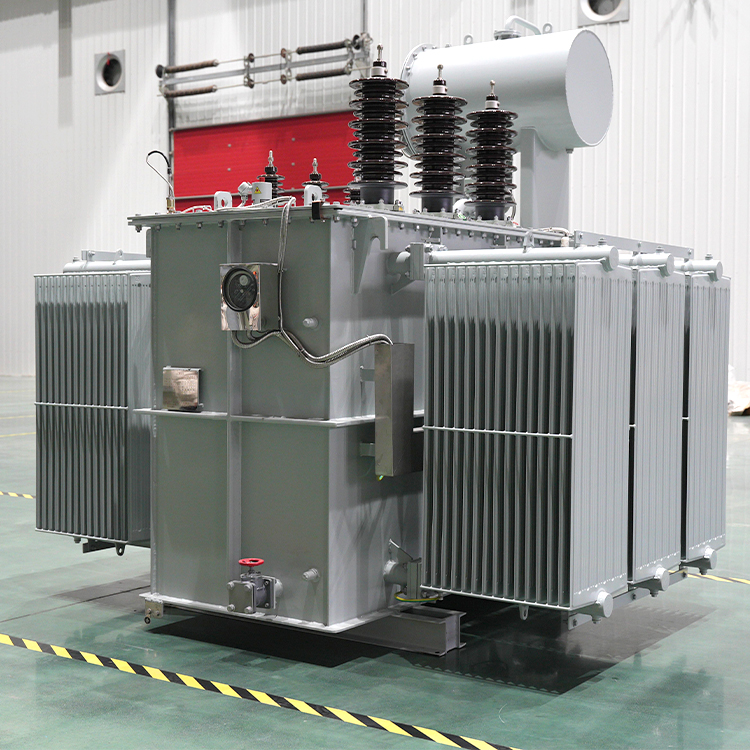
Grid stability represents one of the most critical challenges facing modern utilities as they balance increasing demand, renewable energy integration, and aging infrastructure. At the heart of this challenge lies the distribution transformer, a seemingly modest piece of equipment that plays an outsized role in maintaining voltage consistency, managing load fluctuations, and ensuring reliable power delivery to end users. Understanding how a distribution transformer contributes to grid stability requires examining both its fundamental operational principles and its strategic positioning within the electrical distribution network.
The relationship between distribution transformers and grid stability extends far beyond simple voltage transformation. These devices act as critical control points where utilities can regulate power flow, isolate faults, compensate for reactive power imbalances, and adapt to rapidly changing load conditions. For utilities operating in increasingly complex environments with distributed generation sources and variable consumption patterns, the distribution transformer has evolved from a passive component into an active participant in grid management strategies. This article explores the specific mechanisms through which distribution transformers enhance grid stability and why their proper specification, placement, and operation remain essential to utility infrastructure planning.
Voltage Regulation Mechanisms in Distribution Networks
How Distribution Transformers Maintain Consistent Voltage Levels
The primary mechanism through which a distribution transformer improves grid stability involves precise voltage regulation at the point of delivery. As electrical power travels from generation sources through transmission lines and into distribution networks, voltage naturally degrades due to conductor resistance and reactive impedance. Distribution transformers compensate for these losses by stepping down transmission-level voltages to usable levels while maintaining tight tolerances that prevent both overvoltage and undervoltage conditions at customer premises.
Modern distribution transformers incorporate tap-changing mechanisms that allow utilities to adjust transformation ratios in response to varying load conditions and supply-side voltage fluctuations. Off-load tap changers provide fixed adjustment options during maintenance periods, while on-load tap changers enable real-time voltage optimization without service interruption. This adaptive capability proves particularly valuable in networks with long feeder lines or areas experiencing rapid load growth, where voltage drop becomes more pronounced and threatens service quality.
The voltage regulation function of a distribution transformer directly impacts grid stability by preventing cascading voltage collapse scenarios. When voltages fall below acceptable thresholds, connected equipment draws higher currents to maintain power output, which further depresses system voltage and can trigger widespread outages. By maintaining voltage within specified bands, distribution transformers break this destructive cycle and preserve system integrity even during stress conditions.
Reactive Power Compensation and Power Factor Correction
Beyond voltage magnitude control, distribution transformers influence grid stability through their impact on reactive power flows and system power factor. Every distribution transformer exhibits inherent magnetizing reactance that consumes reactive power during normal operation. While this consumption might seem detrimental, utilities leverage this characteristic alongside capacitor banks and voltage regulators to balance reactive power throughout the network and maintain optimal power factor.
Poor power factor creates multiple stability challenges including increased line losses, reduced available capacity, and voltage regulation difficulties. A properly sized distribution transformer with appropriate impedance characteristics helps utilities manage reactive power locally rather than forcing long-distance reactive power transfers that stress transmission infrastructure. This localized management reduces the likelihood of voltage instability events and improves overall system efficiency.
Advanced distribution transformer designs now incorporate features specifically aimed at reactive power optimization. Low-loss core materials reduce magnetizing current requirements, while carefully engineered winding configurations minimize leakage reactance. These improvements allow utilities to deploy distribution transformers as strategic reactive power management tools rather than simply passive voltage transformation devices.
Load Balancing and Fault Current Management
Distribution Transformers as Load Distribution Points
Grid stability depends heavily on balanced load distribution across available generation and transmission resources. Distribution transformers serve as critical load distribution nodes where utilities can strategically divide service territories and prevent localized overloading that might cascade into broader system problems. By deploying multiple distribution transformers with appropriate capacity ratings across a service area, utilities create redundancy and flexibility that enhances overall network resilience.
The impedance characteristics of each distribution transformer naturally limit the maximum current that can flow through it during normal and fault conditions. This inherent current-limiting function prevents individual equipment failures from drawing excessive current that could destabilize upstream portions of the grid. When properly coordinated with protective devices, distribution transformer impedance creates a hierarchical protection scheme that isolates faults quickly while maintaining service to unaffected areas.
Load balancing through distribution transformer placement also addresses the temporal variability of electricity demand. Utilities configure networks so that distribution transformers serving different customer classes or geographic areas share common feeders, allowing diversity in load profiles to smooth aggregate demand curves. This smoothing reduces peak-to-average ratios and minimizes the frequency and severity of voltage excursions that threaten grid stability.
Fault Current Limitation and System Protection
When short circuits or ground faults occur in distribution networks, the resulting fault currents can reach magnitudes thousands of times greater than normal operating currents. Without proper limitation, these fault currents would damage equipment, endanger personnel, and potentially trigger cascading failures throughout the grid. The distribution transformer plays a central role in fault current management through its inherent impedance, which restricts the maximum current that can flow during fault conditions.
The impedance of a distribution transformer consists of resistance and reactance components that together determine its voltage regulation characteristics and fault current contribution. Higher impedance values provide greater fault current limitation but result in poorer voltage regulation under load. Utilities must carefully specify distribution transformer impedance to balance these competing requirements, ensuring adequate fault protection without sacrificing voltage stability during normal operation.
Modern distribution transformer designs optimize impedance characteristics through advanced core and winding configurations. Split-winding arrangements, impedance-graded layers, and magnetic shunt paths allow manufacturers to achieve specific impedance targets that meet utility protection coordination requirements. These engineered impedance characteristics enable distribution transformers to function as integral components of the protective relay schemes that preserve grid stability during fault events.
Integration with Renewable Energy and Distributed Generation
Managing Bidirectional Power Flows
The proliferation of distributed generation sources including rooftop solar installations, small wind turbines, and combined heat and power systems has fundamentally altered the operational environment for distribution transformers. Traditional distribution networks assumed unidirectional power flow from centralized generation through transmission and distribution systems to end users. Today's distribution transformer must accommodate bidirectional flows as distributed generators inject power back into the grid, creating voltage rise, harmonic distortion, and protection coordination challenges.
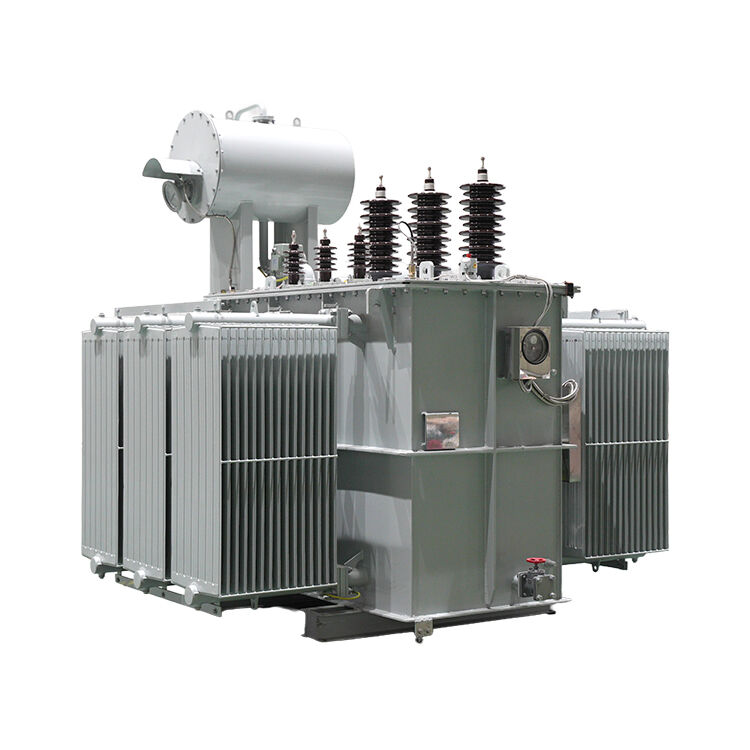
Distribution transformers designed for modern grid applications incorporate features that maintain stability despite reversed power flows. Enhanced cooling systems handle increased losses from harmonic currents, while specialized core materials minimize noise and vibration under variable loading conditions. Voltage regulation mechanisms must now respond to both undervoltage conditions during peak demand and overvoltage scenarios when distributed generation output exceeds local consumption.
The role of the distribution transformer in managing distributed generation extends beyond simply handling reverse power flow. These devices serve as natural isolation points where utilities can install monitoring equipment to track generation output, power quality metrics, and system imbalances. This visibility enables proactive grid management strategies that prevent stability problems before they escalate into service disruptions or equipment damage.
Harmonic Filtering and Power Quality Enhancement
Renewable energy sources, particularly those employing power electronic inverters, introduce significant harmonic content into distribution networks. These non-sinusoidal current waveforms create additional heating in distribution transformer windings, increase core losses, and can excite resonances that threaten equipment and disrupt sensitive electronic loads. Grid stability in the modern context requires not just maintaining fundamental frequency voltage and current, but also controlling harmonic distortion to acceptable levels.
Distribution transformers influence harmonic propagation through their frequency-dependent impedance characteristics. At harmonic frequencies, transformer reactance increases proportionally while resistance rises due to skin effect and proximity effect in conductors. These increased impedances naturally attenuate certain harmonic orders, effectively providing passive filtering that reduces harmonic voltage distortion throughout the network.
Advanced distribution transformer designs incorporate K-factor ratings and other specifications that indicate their suitability for applications with significant harmonic loading. These specially designed units feature oversized neutrals to handle triplen harmonics, additional cooling capacity for harmonic-induced losses, and core materials resistant to hysteresis heating at harmonic frequencies. By deploying appropriately rated distribution transformers in areas with substantial renewable generation or nonlinear loads, utilities maintain power quality standards essential for grid stability.
Operational Flexibility and Network Reconfiguration
Distribution Transformer Networks and Switching Schemes
Grid stability during contingencies depends on the ability to rapidly reconfigure network topology in response to equipment failures, maintenance requirements, or abnormal operating conditions. Distribution transformers enable this flexibility by serving as natural sectionalizing points where utilities can isolate portions of the network without disrupting service to other areas. Strategic placement of distribution transformers with appropriate capacity margins allows utilities to implement alternative feed arrangements that maintain service during outages.
Network distribution transformer schemes represent one of the most sophisticated approaches to urban distribution system design, offering exceptional reliability through built-in redundancy. Multiple distribution transformers connect to a common secondary network through network protectors that automatically isolate failed transformers while maintaining service from healthy units. This configuration eliminates single points of failure and provides the seamless service continuity that critical facilities and dense urban areas require.
The operational flexibility provided by properly configured distribution transformer networks extends to routine maintenance activities. Utilities can isolate individual distribution transformers for inspection, testing, or replacement without interrupting customer service, enabling proactive maintenance programs that prevent failures rather than simply responding to them. This preventive approach reduces the frequency of unplanned outages that stress grid stability and erode customer confidence.
Load Transfer Capabilities and Emergency Response
When major disturbances affect portions of the distribution system, the ability to quickly transfer loads to alternative supply sources determines how rapidly service can be restored and whether the disturbance propagates to affect additional customers. Distribution transformers sized with appropriate capacity reserves enable load transfer operations that support emergency response procedures and maintain stability during contingency conditions.
During extreme weather events, equipment failures, or planned maintenance activities, utilities leverage the interconnected nature of distribution transformer networks to temporarily shift loads between feeders and substations. This load transfer capability prevents overloading of remaining equipment and maintains voltage stability throughout affected areas. The distribution transformer acts as the physical interface enabling these transfers while limiting fault current contributions that might otherwise prevent safe switching operations.
Modern grid management systems integrate distribution transformer monitoring data with network analysis tools to identify optimal load transfer strategies in real time. By tracking transformer loading, temperature, and power quality metrics, utilities can make informed decisions about how to reconfigure networks during emergencies while maintaining equipment within safe operating limits. This data-driven approach to emergency response preserves grid stability even under challenging conditions.
Monitoring and Diagnostic Technologies
Real-Time Condition Assessment
The evolution of distribution transformer technology increasingly emphasizes monitoring capabilities that provide utilities with real-time visibility into equipment condition and network status. Embedded sensors track critical parameters including winding temperature, oil quality, load current, and partial discharge activity. This continuous monitoring enables predictive maintenance strategies that address potential problems before they cause failures that threaten grid stability.
Temperature monitoring proves particularly valuable for maintaining distribution transformer reliability and preventing thermally-induced failures. Hot spot temperatures in windings provide early warning of cooling system problems, excessive loading, or internal faults that could lead to catastrophic failure. By maintaining distribution transformers within thermal design limits, utilities prevent accelerated aging and extend asset life while ensuring these critical devices remain available to support grid stability functions.
Advanced diagnostic systems analyze dissolved gas concentrations in distribution transformer oil to detect incipient faults long before they produce external symptoms. Specific gas generation patterns indicate particular fault types including arcing, corona discharge, and thermal decomposition of insulation. This chemical analysis enables utilities to schedule maintenance interventions at convenient times rather than responding to unexpected failures during peak demand periods when grid stability margins are already thin.
Integration with Grid Management Systems
Modern distribution transformers increasingly function as intelligent network nodes rather than passive voltage transformation devices. Communication-enabled distribution transformers transmit operational data to centralized or distributed grid management systems, providing the situational awareness utilities need to optimize network performance and respond quickly to changing conditions. This integration transforms distribution transformers from simple infrastructure components into active participants in grid stability management.
The data streams from monitored distribution transformers feed into voltage optimization algorithms that continuously adjust tap positions, capacitor bank settings, and generation dispatch to maintain voltage within tight bands throughout the distribution network. These automated optimization systems respond far more quickly than manual control approaches, reducing voltage excursions and improving power quality while maximizing network capacity utilization.
Looking forward, distribution transformers equipped with advanced sensors and communication capabilities will play central roles in smart grid architectures. These intelligent devices will support demand response programs, facilitate electric vehicle integration, enable advanced protection schemes, and provide the granular visibility utilities need to operate increasingly complex networks reliably. The distribution transformer's evolution from passive component to smart grid participant represents a fundamental shift in how these devices contribute to grid stability.
FAQ
What makes a distribution transformer essential for maintaining voltage stability across utility networks?
A distribution transformer maintains voltage stability by stepping down transmission voltages to distribution levels while compensating for voltage drops that occur along distribution lines. Through tap-changing mechanisms and careful impedance design, these transformers ensure that end-user voltages remain within acceptable tolerances despite variations in load and generation. This localized voltage regulation prevents the cascading voltage collapse scenarios that can lead to widespread blackouts, making distribution transformers indispensable for grid stability.
How do distribution transformers limit fault currents to protect grid infrastructure?
The inherent impedance of a distribution transformer naturally limits the magnitude of fault currents that can flow during short circuit conditions. This current-limiting function prevents faults from drawing excessive current that could damage equipment or destabilize upstream portions of the grid. When properly coordinated with protective relays and circuit breakers, distribution transformer impedance creates a hierarchical protection scheme that quickly isolates faults while maintaining service to unaffected areas, preserving overall grid stability during abnormal conditions.
Can distribution transformers accommodate power flows from distributed renewable energy sources?
Modern distribution transformers are specifically designed to handle bidirectional power flows resulting from distributed generation sources like solar panels and wind turbines. These devices incorporate enhanced cooling systems to manage harmonic losses from inverter-based generation, voltage regulation mechanisms that respond to both overvoltage and undervoltage conditions, and monitoring capabilities that provide visibility into generation output and power quality. Properly specified distribution transformers enable safe and stable integration of renewable energy into distribution networks without compromising grid reliability.
Why is distribution transformer monitoring important for preventing stability issues?
Real-time monitoring of distribution transformers provides utilities with early warning of developing problems that could lead to equipment failures and grid instability. By tracking parameters such as winding temperature, load current, oil quality, and dissolved gas concentrations, utilities can identify and address issues through predictive maintenance before they escalate into unplanned outages. This proactive approach maintains distribution transformer availability during critical periods when grid stability margins are already reduced, preventing small problems from triggering larger cascading failures that affect multiple customers.
Table of Contents
- Voltage Regulation Mechanisms in Distribution Networks
- Load Balancing and Fault Current Management
- Integration with Renewable Energy and Distributed Generation
- Operational Flexibility and Network Reconfiguration
- Monitoring and Diagnostic Technologies
-
FAQ
- What makes a distribution transformer essential for maintaining voltage stability across utility networks?
- How do distribution transformers limit fault currents to protect grid infrastructure?
- Can distribution transformers accommodate power flows from distributed renewable energy sources?
- Why is distribution transformer monitoring important for preventing stability issues?