 EN
EN

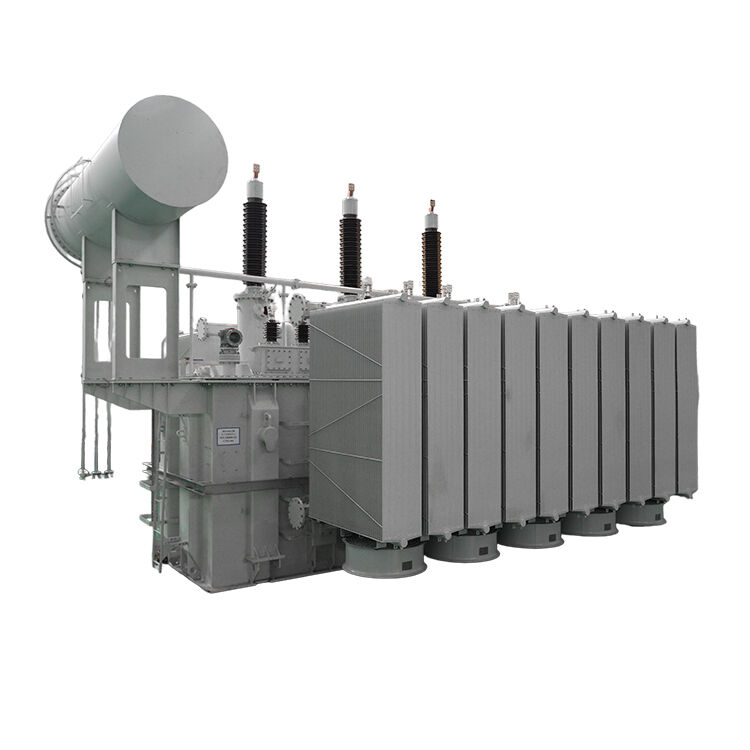
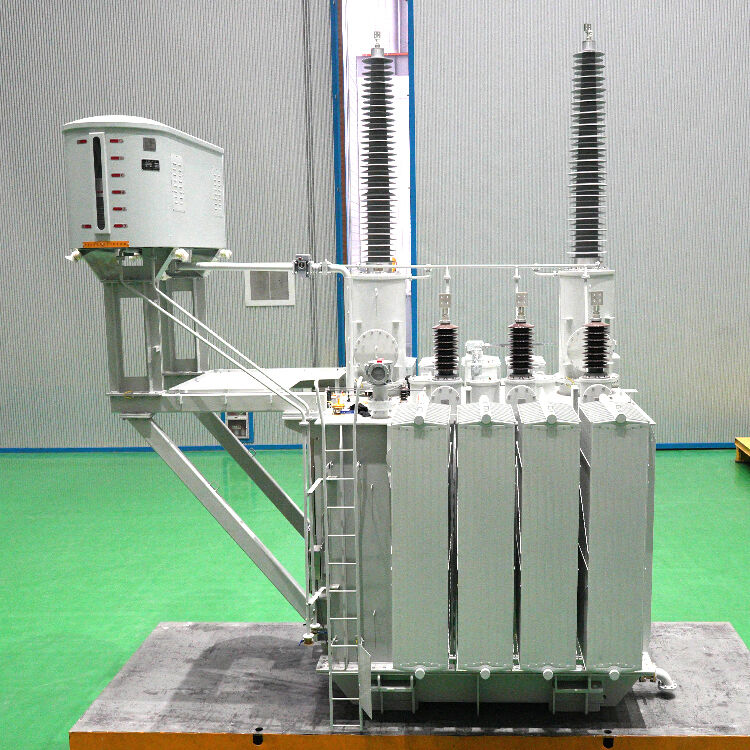
The operational reliability and efficiency of railway electrification systems depend heavily on the performance of the traction transformer, which serves as the critical interface between high-voltage power supply networks and traction equipment. While transformer design and manufacturing quality establish baseline capabilities, the installation environment exerts profound influence on actual performance outcomes throughout the operational lifecycle. Environmental factors ranging from altitude and ambient temperature to humidity, pollution levels, and electromagnetic interference can significantly alter electrical characteristics, cooling efficiency, insulation integrity, and overall system reliability. Understanding these environmental impacts enables railway operators, project engineers, and maintenance teams to implement appropriate mitigation strategies, optimize installation site selection, and establish realistic performance expectations tailored to specific geographical and operational contexts.
Railway electrification projects span diverse geographical regions, from coastal lowlands to high-altitude mountain passes, from arctic zones to tropical deserts, each presenting unique environmental challenges that directly affect transformer performance. A traction transformer installed at sea level in temperate conditions operates under fundamentally different thermal, electrical, and mechanical stresses compared to an identical unit deployed in high-altitude cold regions or humid tropical environments. These variations necessitate careful environmental assessment during project planning phases, informed selection of equipment specifications, and implementation of environmental compensation measures to ensure consistent performance. This comprehensive examination explores the specific installation environment factors that impact traction transformer performance, analyzing the underlying physical mechanisms, quantifying performance degradation patterns, and providing practical guidance for environmental adaptation strategies in railway power supply systems.
Altitude and Atmospheric Pressure Effects on Electrical Performance
Dielectric Strength Reduction at Elevated Altitudes
Atmospheric pressure decreases progressively with increasing altitude, following well-established barometric relationships that directly impact the dielectric strength of air-insulated components within traction transformer installations. At elevations above 1000 meters, reduced air density diminishes the breakdown voltage of air gaps, external bushings, and other non-oil-immersed insulation systems. This degradation occurs because fewer air molecules are available to absorb energy from electrical discharges, reducing the critical field strength required to initiate ionization and subsequent electrical breakdown. For traction transformer systems operating at voltages of 25 kV or higher, this effect becomes particularly significant, potentially reducing safety margins and increasing the risk of flashover incidents during transient overvoltage conditions such as lightning strikes or switching operations.
The relationship between altitude and dielectric strength follows an approximately linear degradation pattern, with air gap breakdown voltage decreasing by roughly 1% for every 100 meters of elevation gain above 1000 meters. For a traction transformer designed for sea-level installation with specific clearance distances, operation at 3000 meters altitude may experience a 20% reduction in external insulation effectiveness. This degradation necessitates either increased clearance distances in the original design specification, installation of supplementary insulation barriers, or application of voltage derating factors to maintain equivalent safety margins. Railway projects in mountainous regions such as the Qinghai-Tibet Railway or Andean mountain passes must account for these altitude-related insulation challenges through enhanced design margins or environmental compensation equipment.
Cooling System Performance Degradation
Reduced atmospheric density at high altitudes significantly impairs the heat dissipation capacity of air-cooled components in traction transformer installations, particularly affecting radiator efficiency, forced-air cooling systems, and natural convection heat transfer mechanisms. Air density decreases proportionally with atmospheric pressure, meaning that at 3000 meters elevation, air density is approximately 70% of sea-level values. This reduction directly diminishes the thermal capacity and convective heat transfer coefficient of cooling air, requiring increased air flow rates or larger heat exchange surface areas to maintain equivalent cooling performance. For traction transformer designs incorporating forced-air cooling fans, the reduced air density limits the mass flow rate that fans can deliver at a given rotational speed, potentially necessitating higher fan speeds, larger fan installations, or additional cooling units.
The thermal impact becomes particularly critical during peak load conditions when traction transformer units must dissipate maximum heat generation while operating under reduced cooling effectiveness. Temperature rise calculations must incorporate altitude correction factors, typically requiring derating of transformer capacity by approximately 0.3% to 0.5% per 100 meters of elevation above 1000 meters unless compensatory cooling enhancements are implemented. For example, a traction transformer rated for 5 MVA at sea level may require derating to 4.5 MVA at 3000 meters altitude to maintain acceptable winding temperature limits, or alternatively, installation of enhanced cooling systems with 15-20% greater capacity than standard designs. These considerations directly impact system sizing, capital costs, and operational flexibility in high-altitude railway electrification projects.
Corona Discharge and Partial Discharge Intensification
The reduced air density characteristic of high-altitude environments lowers the corona inception voltage on high-voltage conductors, bushings, and terminal connections associated with traction transformer installations. Corona discharge represents a localized electrical breakdown of air surrounding conductors where the electric field intensity exceeds the ionization threshold, producing audible noise, electromagnetic interference, ozone generation, and gradual insulation degradation. At elevated altitudes, the threshold electric field strength for corona initiation decreases proportionally with air density, meaning that conductor configurations and surface conditions that remain corona-free at sea level may experience significant corona activity when installed at higher elevations.
This phenomenon presents particular challenges for traction transformer high-voltage bushings and external connections, where electric field concentrations naturally occur at conductor surfaces and sharp edges. Railway operators have documented increased electromagnetic interference levels and accelerated insulation aging in high-altitude installations, traced to intensified corona and partial discharge activity. Mitigation strategies include specification of larger-diameter conductors to reduce surface electric field intensity, implementation of corona rings and field-grading devices on bushings, enhanced surface finishing to eliminate sharp edges and protrusions, and selection of bushing designs with greater altitude capability ratings. Modern traction transformer specifications for high-altitude applications typically incorporate altitude testing requirements, verifying acceptable corona performance at simulated low-pressure conditions equivalent to the intended installation elevation.
Temperature Extremes and Thermal Cycling Impacts
Cold Climate Challenges for Insulation and Lubrication
Extremely low ambient temperatures encountered in arctic, subarctic, and continental winter climates impose severe operational challenges on traction transformer systems, particularly affecting insulating oil properties, mechanical component functionality, and thermal stress distributions. Mineral oil and synthetic insulating fluids exhibit significant viscosity increases at low temperatures, with conventional transformer oils potentially becoming semi-solid at temperatures below -40°C. This viscosity increase impairs oil circulation in cooling systems, reduces convective heat transfer effectiveness, and creates difficulties during cold-start conditions when the traction transformer must energize with highly viscous oil that limits initial cooling capacity.
The relationship between oil temperature and viscosity follows an exponential pattern, with viscosity approximately doubling for every 10°C temperature decrease in typical operating ranges. For traction transformer units operating in regions experiencing winter temperatures of -30°C to -50°C, such as northern Siberian railways or Canadian northern routes, special low-temperature insulating oils or synthetic fluids with superior cold-flow properties become necessary. Additionally, cold ambient conditions create thermal contraction of structural materials, tightening of mechanical fasteners, and potential cracking of less flexible insulation materials. Tank breathing systems may experience moisture condensation and ice formation, potentially allowing water ingress into the oil system. Comprehensive cold-climate adaptation measures include oil heater installation, insulated enclosures, breathing system heating, and selection of materials with appropriate low-temperature mechanical properties.
High-Temperature Degradation and Thermal Aging Acceleration
Elevated ambient temperatures in tropical, desert, and hot continental climates directly reduce the available temperature margin between normal operating temperatures and critical thermal limits in traction transformer systems. Since transformer insulation aging rates follow the Arrhenius relationship, doubling approximately every 8-10°C temperature increase, high ambient temperatures significantly accelerate insulation degradation and reduce expected operational lifetime. A traction transformer operating in a 40°C ambient environment experiences substantially faster aging compared to an identical unit in a 20°C climate, potentially reducing service life by 30-50% unless compensatory measures are implemented.
The thermal challenge intensifies during peak summer conditions when maximum ambient temperatures coincide with maximum traction loads due to increased air conditioning demand in passenger railways. This coincidence of thermal stress factors creates worst-case operating scenarios where the traction transformer must deliver full rated power while external cooling effectiveness is minimized. Temperature-dependent capacity derating becomes necessary, typically requiring 1-1.5% capacity reduction for each degree Celsius of ambient temperature exceeding the design reference temperature. For railway systems in Middle Eastern deserts, Indian subcontinent summers, or Australian inland routes where ambient temperatures regularly exceed 45°C, traction transformer installations require enhanced cooling systems, forced-air or forced-oil circulation, and potentially air-conditioned equipment rooms to maintain acceptable operating temperatures and normal service life expectations.
Thermal Cycling Mechanical Stress and Fatigue
Regions experiencing large diurnal or seasonal temperature variations subject traction transformer installations to repetitive thermal expansion and contraction cycles that generate mechanical stresses in windings, insulation structures, tank assemblies, and electrical connections. Daily temperature swings of 20-30°C common in continental climates or 15-20°C variations in maritime climates create cyclical dimensional changes in copper conductors, steel tanks, aluminum radiators, and composite insulation materials, each expanding and contracting at different rates determined by their respective thermal expansion coefficients.
These differential movements generate mechanical stresses at material interfaces, clamping points, and electrical connections, potentially causing loosening of mechanical fastenings, degradation of compression joints, development of hot spots at high-current connections, and gradual displacement of winding structures. Over thousands of thermal cycles spanning years of operation, cumulative mechanical fatigue can manifest as insulation cracking, connection resistance increases, and structural component failures. Traction transformer designs for high thermal-cycling environments incorporate enhanced mechanical clamping systems, flexible connection designs accommodating thermal movement, materials with matched thermal expansion coefficients, and stress-relief features in insulation structures. Maintenance protocols for such installations emphasize periodic thermal imaging inspection, connection resistance measurement, and mechanical tightness verification to detect thermal-cycling degradation before failure occurs.
Humidity, Precipitation, and Moisture Ingress Effects
Insulation System Moisture Contamination
High atmospheric humidity levels characteristic of tropical, coastal, and maritime climates pose significant risks to traction transformer insulation systems through moisture absorption, condensation formation, and water ingress pathways. Cellulose-based solid insulation materials including paper, pressboard, and wood components exhibit hygroscopic properties, naturally absorbing moisture from surrounding environments when humidity levels are elevated. Even hermetically sealed transformer tanks experience gradual moisture ingress through breathing systems, gasket interfaces, and bushing seals, with ingress rates accelerating in high-humidity environments where vapor pressure gradients favor moisture migration into the transformer interior.
Moisture contamination severely degrades insulation performance through multiple mechanisms including reduced dielectric strength, increased dielectric losses generating additional heat, accelerated thermal aging of cellulose materials, and potential formation of water droplets or bubbles within the oil that create localized breakdown sites. The relationship between moisture content and insulation aging is exponential, with insulation life halving for approximately every 1% increase in moisture content by weight in cellulose materials. For traction transformer installations in high-humidity regions such as Southeast Asian railways, Indian monsoon zones, or tropical coastal routes, enhanced sealing systems, desiccant breathers with greater moisture absorption capacity, online moisture monitoring systems, and potentially forced-air drying systems become necessary to maintain acceptable moisture levels throughout the operational lifetime.
External Corrosion and Surface Contamination
Precipitation patterns including rainfall intensity, snow accumulation, and morning dew formation significantly impact the external surfaces of traction transformer installations, affecting corrosion rates, surface contamination accumulation, and external insulation performance. Continuous or frequent moisture exposure accelerates corrosion of steel tanks, aluminum radiators, copper connections, and fastener hardware, particularly in coastal environments where salt-laden moisture dramatically increases corrosion aggressiveness. Surface contamination layers formed by dust, industrial pollutants, agricultural residues, and biological growth accumulate more readily on moisture-wetted surfaces, creating conductive paths that reduce external insulation effectiveness and increase leakage current levels.
The synergistic effect of moisture and contamination becomes particularly problematic on high-voltage bushings where surface leakage currents can generate tracking damage, eventually leading to bushing failure and catastrophic transformer faults. Railway routes passing through industrial zones, agricultural regions with pesticide application, or coastal areas with salt spray exposure experience accelerated external degradation requiring enhanced protective measures. Mitigation strategies for traction transformer installations in high-precipitation or high-contamination environments include application of corrosion-resistant coatings, installation of bushing rain sheds with extended creepage distances, implementation of regular washing programs to remove contamination, and specification of bushing materials with superior tracking resistance such as silicone rubber rather than porcelain for particularly aggressive environments.
Breathing System Performance in Variable Humidity
Traction transformer breathing systems, which accommodate internal volume changes due to thermal expansion and contraction of insulating oil, face particular challenges in high-humidity environments where incoming air contains elevated moisture content. Conventional silica gel breathers saturate more rapidly in humid climates, requiring more frequent maintenance replacement to maintain moisture-blocking effectiveness. Once breather desiccant reaches saturation, humid air enters the transformer tank unimpeded, directly introducing moisture into the oil-air interface where it readily dissolves into the insulating oil.
Advanced breathing system technologies have been developed specifically for traction transformer installations in challenging humidity environments, including membrane-type breathers that physically block moisture molecules while allowing air pressure equalization, refrigerant dryer systems that actively remove moisture from breathing air, and sealed conservator designs with nitrogen or dry-air blankets that eliminate atmospheric exchange entirely. For railway systems operating in persistently humid climates such as tropical rainforest regions, coastal corridors, or monsoon-affected areas, investment in enhanced breathing system technology provides substantial return through reduced maintenance requirements, extended oil service life, and decreased risk of moisture-related failures. The selection between various breathing system technologies depends on specific humidity profiles, maintenance resource availability, and economic analysis of capital costs versus lifecycle maintenance expenses.
Pollution Levels and External Insulation Contamination
Industrial and Urban Pollution Impacts
Railway routes traversing industrial zones, urban corridors, or regions with significant air pollution expose traction transformer external insulation to contamination by conductive particles, chemical deposits, and industrial emissions that progressively degrade surface insulation performance. Airborne pollutants including coal dust, cement particles, metallic oxides, chemical vapors, and combustion byproducts settle on bushing surfaces, tank exteriors, and connection hardware, forming contamination layers that become conductive when moistened by rain, dew, or high humidity. This contamination creates surface leakage current paths that reduce effective insulation levels, generate heat at localized hot spots, and initiate progressive tracking damage that eventually causes permanent insulation failure.
The severity of pollution impact is quantified through pollution severity classification systems that correlate contamination density levels with required external insulation creepage distances. Traction transformer bushings designed for clean rural environments with light pollution may prove inadequate when installed in heavy industrial zones or urban centers with severe pollution, experiencing excessive leakage currents and premature failure. Railway operators in heavily industrialized regions such as coal-transport corridors, steel-production areas, or densely urbanized metropolitan systems must specify enhanced pollution-performance bushings with extended creepage distances, install supplementary cleaning systems, or implement frequent maintenance washing schedules to maintain acceptable external insulation performance throughout the operational lifetime.
Agricultural and Biological Contamination Patterns
Railway lines passing through agricultural regions encounter specific contamination challenges from fertilizer drift, pesticide application, crop residue particles, and pollen accumulation that affect traction transformer external surfaces. Agricultural chemicals often contain salts and other ionic compounds that create highly conductive contamination layers when deposited on insulator surfaces and subsequently wetted. Seasonal patterns of agricultural activity create corresponding variations in contamination accumulation rates, with peak contamination typically occurring during spring planting and fall harvest periods when field operations generate maximum airborne particulate concentrations.
Biological contamination including algae growth, fungal colonization, and insect nesting presents additional challenges in warm, humid agricultural environments. Algae and fungal growth on bushing surfaces creates conductive biofilms that reduce insulation effectiveness and accelerate tracking damage. Insect nests constructed in bushing rain sheds, tank crevices, or cooling system openings can create conductive bridges, block ventilation paths, or introduce moisture-retaining materials that promote corrosion and contamination accumulation. Traction transformer installations serving agricultural railway corridors require design features discouraging biological colonization, including smooth surfaces minimizing attachment sites, appropriate material selection resisting biological growth, and maintenance protocols incorporating biological contamination inspection and removal as standard procedures.
Coastal Salt Contamination Severity
Coastal railway installations face particularly aggressive external insulation challenges from salt-laden moisture carried by onshore winds, creating highly conductive contamination layers on traction transformer external surfaces. Salt contamination severity decreases exponentially with distance from coastline, with heavy contamination extending 1-2 kilometers inland, moderate contamination affecting zones 2-10 kilometers from shore, and light contamination persisting 10-20 kilometers inland depending on prevailing wind patterns and coastal topography. Salt deposits exhibit extremely high conductivity when wetted, even by modest humidity levels, generating substantial leakage currents and rapid tracking damage on inadequately specified bushings.
Railway electrification projects in coastal regions require traction transformer specifications incorporating maximum pollution-severity ratings, often specifying silicone rubber bushings with extended creepage distances and superior contamination performance compared to conventional porcelain designs. Salt contamination also accelerates corrosion of metallic components, requiring enhanced corrosion protection through specialized coating systems, stainless steel fasteners, and aluminum components with anodized or coated finishes. Maintenance programs for coastal traction transformer installations emphasize frequent washing with demineralized water to remove salt deposits before significant leakage current or tracking damage occurs, with washing frequency typically ranging from monthly to quarterly depending on specific exposure severity and contamination accumulation rates observed through condition monitoring.
Electromagnetic Environment and Interference Considerations
High-Voltage Transmission Line Proximity Effects
Installation of traction transformer substations in proximity to high-voltage transmission corridors creates electromagnetic field interactions that can affect measurement accuracy, protection system reliability, and electronic control equipment functionality. Strong electromagnetic fields generated by high-current transmission lines induce voltages in nearby conductors, measurement circuits, and control cables, potentially causing measurement errors, spurious protection system operations, or control system malfunctions. The severity of electromagnetic interference depends on transmission line voltage level, current magnitude, distance from traction transformer installation, and relative orientation of conductors.
Modern traction transformer installations incorporate electronic metering, digital protection relays, and computerized control systems that exhibit varying degrees of electromagnetic immunity depending on design quality and shielding effectiveness. Installation in high electromagnetic field environments requires enhanced immunity specifications, proper cable shielding and grounding practices, physical separation of sensitive electronic equipment from high-current conductors, and potentially installation of electronic equipment in screened rooms providing electromagnetic shielding. Site surveys measuring existing electromagnetic field levels during the planning phase enable appropriate equipment specification and installation practices, preventing operational problems that may otherwise manifest after project commissioning when remediation becomes significantly more expensive and disruptive.
Lightning Strike Frequency and Severity
Regional variations in lightning activity, quantified through ground flash density measurements indicating annual lightning strikes per square kilometer, significantly impact the overvoltage stress environment that traction transformer installations must withstand. Areas with high lightning activity, including tropical regions, mountain zones, and continental interiors during summer storm seasons, subject transformers to frequent high-magnitude transient overvoltages that test surge arrester protective capacity, bushing voltage withstand, and winding insulation margins. Accumulated overvoltage stress over thousands of lightning events during the operational lifetime can cause progressive insulation degradation even when individual events remain within instantaneous withstand limits.
Lightning protection system design for traction transformer installations must account for local lightning activity levels, incorporating appropriately rated surge arresters, adequate grounding system impedance, and sufficient insulation coordination margins. High-lightning-activity regions may require enhanced protection including multiple surge arrester locations, lightning masts providing air-termination protection, and buried ground conductor grids achieving lower ground resistance values than standard designs. Statistical analysis of lightning-caused transformer failures demonstrates clear correlation between regional lightning density and failure rates for inadequately protected installations, validating the economic justification for enhanced lightning protection in high-activity areas despite increased capital costs.
Radio Frequency Interference Considerations
Traction transformer installations located near radio transmission facilities, radar installations, or other high-power radio frequency sources may experience electromagnetic interference affecting electronic control systems, communication equipment, and measurement accuracy. Radio frequency electromagnetic fields can couple into control cables, measurement circuits, and electronic equipment enclosures, inducing high-frequency noise signals that interfere with normal operation. While the metallic tank of a traction transformer provides substantial shielding for internal components, external control panels, remote monitoring systems, and communication interfaces remain vulnerable to RF interference unless appropriate immunity measures are implemented.
Installation planning for sites with significant RF exposure requires electromagnetic compatibility assessment, specification of electronic equipment with appropriate immunity levels, implementation of filtered power supplies and signal interfaces, and proper cable shielding and grounding practices. Communication systems serving traction transformer monitoring and control functions must select frequency bands and modulation schemes providing robust operation in the local electromagnetic environment, potentially requiring spread-spectrum techniques, frequency-hopping protocols, or fiber-optic communication links immune to electromagnetic interference for particularly challenging RF environments.
FAQ
How does altitude affect the rated capacity of a traction transformer?
Altitude impacts traction transformer capacity primarily through reduced cooling effectiveness caused by lower air density at elevated locations. Standard practice requires capacity derating of approximately 0.3% to 0.5% for each 100 meters of elevation above 1000 meters unless enhanced cooling systems are installed. For example, a transformer rated at 5 MVA at sea level would typically be derated to approximately 4.7 MVA at 2000 meters altitude, or alternatively, the cooling system would need to be oversized by about 6% to maintain full capacity. Additionally, external insulation clearances must be increased to compensate for reduced dielectric strength of air at higher altitudes.
What environmental factor causes the most rapid transformer aging?
Elevated operating temperature represents the most significant environmental factor accelerating traction transformer aging, as insulation degradation rates follow an exponential relationship with temperature according to the Arrhenius equation. Each 8-10°C increase in operating temperature approximately doubles the aging rate of cellulose insulation materials. High ambient temperatures in tropical or desert climates reduce the available temperature margin between normal operation and thermal limits, directly increasing average winding temperatures throughout the operational lifetime. Moisture contamination acts as a secondary accelerating factor that works synergistically with temperature, as moisture both reduces insulation thermal capability and independently accelerates chemical degradation processes.
Can traction transformers operate reliably in coastal environments?
Traction transformers can operate reliably in coastal environments when properly specified and maintained to address salt contamination and corrosive atmosphere challenges. Key requirements include selection of high-pollution-rated bushings with extended creepage distances, application of corrosion-resistant coatings on metallic surfaces, use of stainless steel or coated fasteners, and implementation of regular washing maintenance to remove salt deposits. Silicone rubber bushings typically provide superior performance compared to porcelain in coastal applications due to better contamination resistance and hydrophobic surface properties. Installations within 1-2 kilometers of coastline face the most severe exposure and require maximum pollution-severity specifications and monthly washing schedules to maintain acceptable performance.
How frequently should transformers in high-pollution environments be inspected?
Traction transformer installations in high-pollution environments require substantially more frequent inspection than those in clean rural locations, with specific intervals depending on contamination severity and accumulation rates. Visual inspection of external insulation should occur monthly in heavy industrial or coastal zones to assess contamination buildup and identify any tracking damage before failure occurs. Infrared thermography inspection of connections and bushings should be performed quarterly to detect developing hot spots from contamination-induced leakage currents. Insulating oil testing frequency should increase from the standard annual interval to semi-annual testing to monitor moisture ingress and contamination effects. Bushing washing should be scheduled based on contamination accumulation monitoring, typically ranging from monthly in severe coastal exposure to quarterly in moderate industrial environments.