 EN


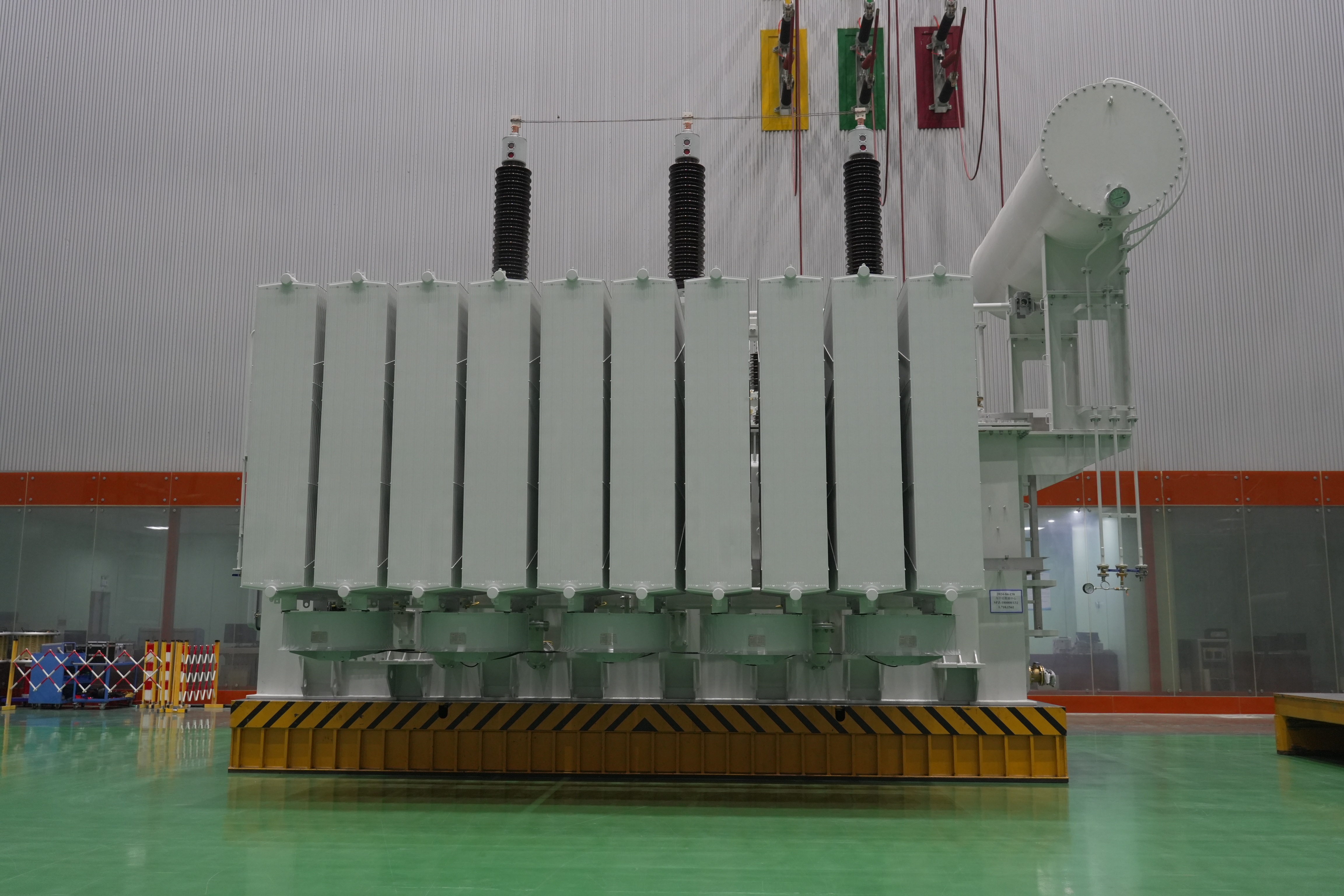
A main transformer serves as the critical backbone of electrical distribution systems, converting voltage levels and supplying power to industrial facilities, substations, and commercial installations. Ensuring that a main transformer operates reliably over its design life requires comprehensive testing protocols that verify its structural integrity, thermal performance, dielectric strength, and electrical characteristics. Without systematic testing, a main transformer can fail unexpectedly, resulting in costly downtime, equipment damage, and safety hazards for personnel and infrastructure.
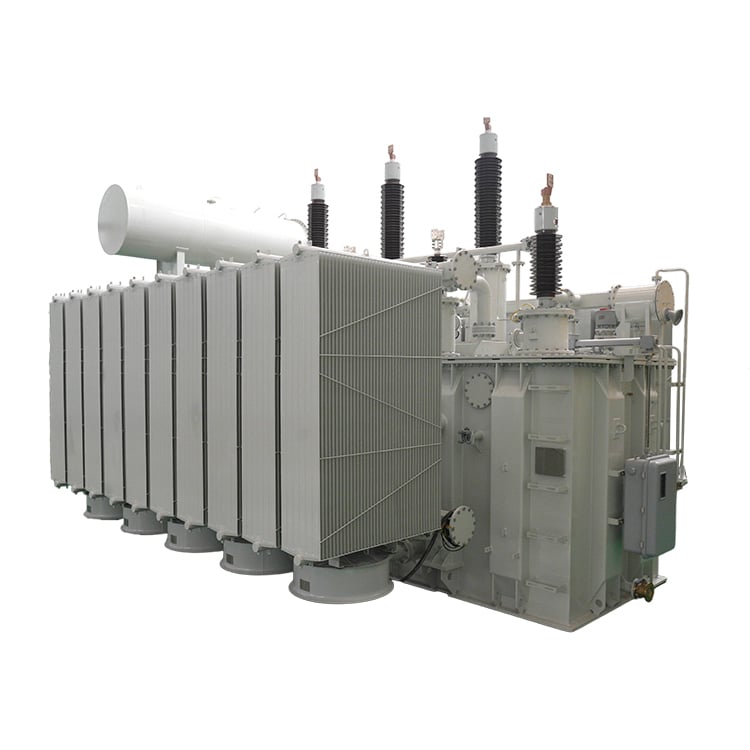
Testing protocols for a main transformer are designed to validate performance under normal operating conditions and extreme stress scenarios. These tests confirm that insulation systems remain robust, cooling mechanisms function effectively, and all components interact harmoniously throughout the transformer's operational lifespan. Industries depending on transformer reliability, from utilities to manufacturing plants, must implement rigorous testing frameworks to minimize risk and maximize asset longevity.
Core Dielectric and Insulation Testing
Oil Quality and Breakdown Voltage Assessment
The insulating oil within a main transformer is essential for both electrical insulation and cooling. Testing the oil's dielectric strength reveals its ability to withstand electrical stress without breaking down. A main transformer's oil undergoes breakdown voltage testing, where voltage is gradually increased until electrical arcing occurs, indicating the maximum voltage the oil can safely support. Regular breakdown voltage tests on a main transformer establish baseline performance and detect contamination, moisture ingress, or oxidation that compromises insulation quality.
Moisture content analysis is critical for a main transformer because even trace amounts of water degrade insulation and accelerate aging. Testing methods such as Karl Fischer titration measure water content in parts per million, ensuring that a main transformer's oil remains dry and effective. Acid number testing evaluates oxidation products in the oil of a main transformer, indicating whether oxidation inhibitors remain active or if oil replacement is necessary to preserve transformer longevity.
Insulation Resistance and Power Factor Measurements
Insulation resistance testing measures the opposition to current flow through the solid insulation materials of a main transformer, including paper windings and insulation barriers. A megohmmeter applies high DC voltage and records resistance values; declining resistance in a main transformer signals deteriorating insulation that requires intervention. Power factor measurement quantifies energy losses in the insulation system of a main transformer, with high power factor values indicating age-related degradation or moisture contamination.
Time-domain reflectometry and frequency response analysis provide advanced diagnostic capabilities for assessing insulation condition in a main transformer. These methods detect developing faults within insulation layers before catastrophic failure occurs, allowing maintenance teams to plan repairs or replacements of a main transformer before unexpected outages happen.
Thermal Performance and Cooling Validation
Heat Run Testing and Temperature Monitoring
Heat run testing evaluates the thermal performance of a main transformer by applying rated load current and measuring temperature rise in windings, oil, and external surfaces. This test on a main transformer confirms that cooling systems are functioning effectively and that temperature gradients remain within design specifications. Thermal imaging of a main transformer during heat run tests identifies hot spots that may indicate internal faults, winding damage, or cooling system blockages requiring corrective action.
Continuous monitoring of a main transformer's operating temperature establishes performance baselines and tracks degradation trends over time. Modern sensor technology embedded in a main transformer provides real-time thermal data, triggering alerts when temperatures approach dangerous levels. Temperature rise limits for a main transformer are defined by international standards; exceeding these limits accelerates insulation aging and shortens the transformer's operational life.
Oil Circulation and Heat Exchange System Tests
The cooling system of a main transformer must maintain optimal oil circulation to dissipate heat generated by core and winding losses. Testing the pump performance, fan operation, and radiator effectiveness in a main transformer ensures efficient heat transfer. Blockages or degradation in cooling pathways of a main transformer reduce heat dissipation capacity, causing temperature rise that compromises both reliability and lifespan.
Pressure relief valve testing and thermostatic control validation confirm that a main transformer's cooling system responds appropriately to temperature changes. These auxiliary systems protect a main transformer from overpressure and thermal runaway conditions that could cause catastrophic failure or tank rupture during fault conditions or extended overload.
Mechanical Integrity and Electrical Performance Assessment
Winding Resistance and Turn Ratio Verification
Winding resistance measurement detects internal winding damage, corrosion, or loose connections within a main transformer that compromise electrical efficiency and heat dissipation. Low resistance values indicate intact windings in a main transformer, while elevated resistance suggests deterioration requiring detailed investigation. Turn ratio testing confirms that a main transformer maintains accurate voltage transformation ratios; deviations indicate winding movement or shorted turns that degrade performance.
Transformer tap changer performance testing ensures that voltage regulation mechanisms in a main transformer function smoothly across the full range of tap positions. Contact wear and mechanical stiction in tap changers of a main transformer can cause voltage regulation failures or inability to respond to load changes, necessitating maintenance or component replacement.
Core Integrity and Vibrational Assessment
The iron core of a main transformer can develop lamination failures, core loss increase, or mechanical looseness due to electromagnetic forces during short circuit events. Core loss testing on a main transformer measures efficiency and detects core degradation before performance deteriorates significantly. Vibration analysis of a main transformer identifies loose core clamping, winding movement, or mechanical defects that generate excessive noise and accelerate structural damage.
Short circuit impedance testing evaluates the mechanical robustness of a main transformer by applying fault current conditions and confirming that core and windings withstand electromagnetic forces without displacement or permanent deformation. This critical test on a main transformer validates that structural design margins remain adequate throughout the asset's life.
FAQ
How often should a main transformer undergo comprehensive testing?
Routine testing of a main transformer should occur annually or biennially for assets in normal service conditions. High-stress environments, extended overload operation, or age-related factors may necessitate more frequent testing schedules for a main transformer. Major testing campaigns, including heat runs and core loss analysis, are typically performed every five to ten years, while continuous monitoring systems track a main transformer's condition between scheduled tests.
What does abnormal oil analysis indicate about a main transformer's health?
Abnormal results from oil analysis of a main transformer signal insulation deterioration, moisture contamination, or incipient electrical faults within the transformer. Elevated dissolved gas concentrations in a main transformer suggest partial discharges or arcing within insulation, requiring immediate investigation. Oil testing of a main transformer reveals timing information about necessary maintenance interventions, potentially preventing unexpected failures of critical infrastructure.
Can testing results predict when a main transformer will fail?
Comprehensive testing of a main transformer provides diagnostic data that informs condition-based asset management decisions, though absolute failure prediction remains uncertain. Trending results from repeated testing of a main transformer establishes degradation rates and helps maintenance teams schedule replacements or major refurbishment before failure probability becomes unacceptable. Testing of a main transformer is most valuable as part of a structured condition monitoring program that combines multiple diagnostic techniques.