 EN
EN


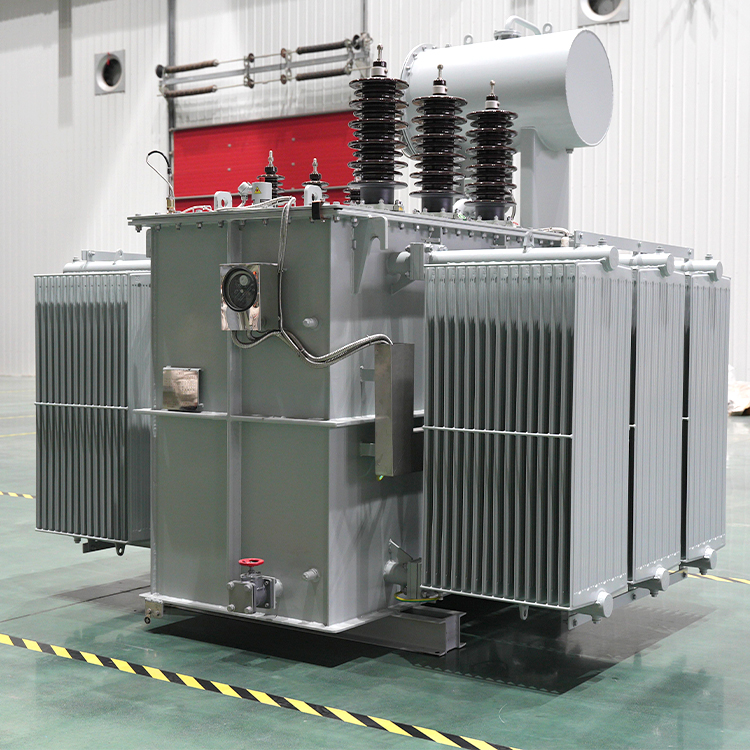
A ventilated transformer represents one of the most reliable cooling solutions in modern electrical infrastructure, directly influencing operational stability across industrial and utility applications. The design of a ventilated transformer enables consistent performance under variable load conditions, extreme ambient temperatures, and demanding duty cycles that would overwhelm sealed alternatives. Understanding how a ventilated transformer maintains stability requires examining its cooling mechanism, design principles, and real-world performance advantages.
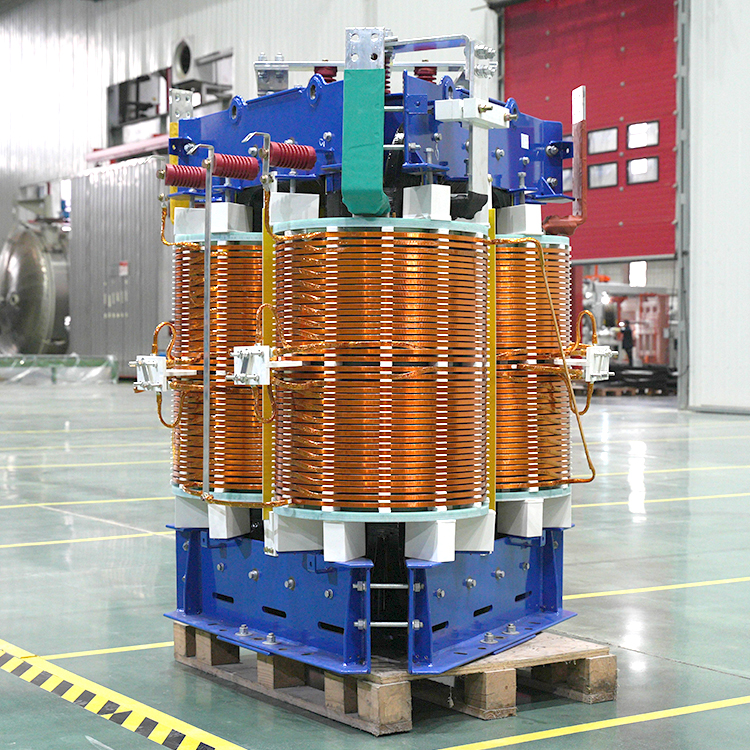
The operational stability of a ventilated transformer hinges on its ability to dissipate heat efficiently while maintaining consistent electrical performance. Unlike sealed designs, a ventilated transformer leverages natural air circulation through cooling ducts and vents, preventing thermal stress that degrades insulation life and reduces service reliability. This passive cooling approach, when properly engineered, delivers superior temperature control and extends transformer lifespan significantly.
Cooling Efficiency and Temperature Management
How a Ventilated Transformer Regulates Heat Dissipation
The fundamental advantage of a ventilated transformer lies in its unrestricted thermal exchange with ambient air. Core and coil losses generate substantial heat during normal operation, and a ventilated transformer manages this heat through strategically positioned air passages that promote natural convection. The design eliminates the thermal bottlenecks common in sealed systems, allowing hot air to rise and escape while cooler air enters from below, creating a continuous circulation loop.
Temperature rise directly affects insulation degradation and operational stability. A ventilated transformer maintains lower average core and winding temperatures compared to equivalent sealed designs, typically achieving 10 to 15 degrees Celsius reductions depending on ambient conditions and load profiles. This temperature advantage translates to reduced aging rates of cellulose insulation, slower moisture ingress, and extended service intervals.
Environmental Adaptation in Industrial Settings
Industrial environments present highly variable thermal challenges that demand responsive cooling solutions. A ventilated transformer naturally adapts to fluctuating ambient temperatures and load variations without requiring active mechanical systems or synthetic coolant management. When ambient temperature rises, the temperature differential driving natural convection increases, enhancing cooling effectiveness precisely when needed most.
The operational stability of a ventilated transformer extends beyond temperature control to encompass resistance against environmental contaminants and moisture. Modern ventilation designs incorporate filtration and breather systems that allow air circulation while blocking airborne particles, dust, and excessive humidity that compromise sealed transformers over time.
Load-Carrying Capacity and Performance Consistency
Dynamic Response to Varying Electrical Loads
A ventilated transformer exhibits superior stability under rapidly changing load conditions typical of renewable energy integration, data center operations, and industrial manufacturing environments. The responsive thermal characteristics of a ventilated transformer allow it to handle transient overloads without thermal runaway or insulation damage. When load spikes occur, increased losses generate more heat, which simultaneously increases natural convection cooling, creating a self-regulating thermal equilibrium.
Continuous rating and emergency overload capacity represent critical operational metrics where a ventilated transformer outperforms sealed alternatives. A properly designed ventilated transformer can sustain 110 percent of nameplate load indefinitely while maintaining standard hotspot temperature limits, providing operational flexibility for peak demand periods and system contingencies.
Reliability Under Extended Operating Cycles
The operational stability of a ventilated transformer manifests most clearly in extended service life metrics and reduced maintenance requirements. Sealed transformers relying on synthetic coolants experience oil oxidation, sludge formation, and eventual thermal degradation that necessitates fluid replacement every 5 to 10 years. A ventilated transformer with mineral oil cooling achieves 30 to 40-year operational lifespans with minimal intervention when proper drying and moisture control protocols are followed.
Long-term reliability tracking across utility and industrial installations demonstrates that a ventilated transformer maintains consistent dielectric strength and cooling performance throughout extended operating cycles. Field experience shows virtually no capacity fade or thermal margin erosion when ventilation systems remain unobstructed and moisture levels are managed appropriately.
Design Features Supporting Operational Stability
Structural Elements Enhancing Thermal Performance
A ventilated transformer incorporates specific design features that directly contribute to operational stability. Core laminations are stacked to maximize surface area exposure to circulating air, windings are arranged with radial cooling ducts promoting oil circulation, and tank surfaces are often ribbed or finned to increase heat dissipation. These design elements work synergistically to maintain low impedance heating and efficient cooling pathways.
Cooling system redundancy represents another critical stability factor in industrial-grade ventilated transformer designs. Dual or multiple breather systems ensure continuous moisture protection even during service, while removable vent covers allow cleaning without system shutdown. A ventilated transformer with well-engineered thermal paths and accessible maintenance components demonstrates superior stability across system disruptions and environmental challenges.
Integration with Monitoring and Maintenance Protocols
Modern operational stability for a ventilated transformer depends increasingly on predictive monitoring systems that track temperature trends, oil quality metrics, and performance indicators. Temperature sensors installed at critical hotspots enable real-time visibility into cooling system effectiveness, while dissolved gas analysis provides early warning of incipient faults before they impact stability or reliability.
Preventive maintenance protocols specifically designed for a ventilated transformer focus on preserving air pathway integrity and moisture control. Annual cleaning of ventilation surfaces, periodic breather inspection, and regular oil sampling represent investments that sustain operational stability throughout service life. These practices cost significantly less than emergency repairs or premature replacement required when cooling systems degrade in sealed alternatives.
FAQ
What distinguishes a ventilated transformer from sealed cooling alternatives?
A ventilated transformer uses natural air circulation through external vents and cooling ducts, while sealed units rely on synthetic coolants and hermetic enclosures. The ventilated transformer approach delivers lower operating temperatures, longer service life, simpler maintenance, and lower lifecycle costs, though it requires active moisture control through breather systems. This distinction makes a ventilated transformer the preferred choice for applications where thermal stability and cost efficiency take priority.
How does operational stability impact transformer selection decisions?
Operational stability directly influences transformer lifespan, maintenance frequency, and total cost of ownership. A ventilated transformer provides predictable thermal behavior, extended service intervals, and reduced risk of unexpected outages, making it attractive for mission-critical applications in utilities and large industrial facilities. Organizations evaluating a ventilated transformer should prioritize stability metrics over initial purchase price when calculating long-term economic value.
Can a ventilated transformer operate reliably in harsh environmental conditions?
Yes, a ventilated transformer with proper filter and breather systems handles challenging environments including coastal salt spray, high-altitude locations, and dusty industrial settings. The key to maintaining a ventilated transformer's stability in harsh conditions lies in regular vent cleaning, moisture monitoring, and protective coatings applied to external cooling surfaces. With appropriate environmental controls, a ventilated transformer demonstrates superior reliability compared to sealed alternatives in many demanding applications.