 EN
EN


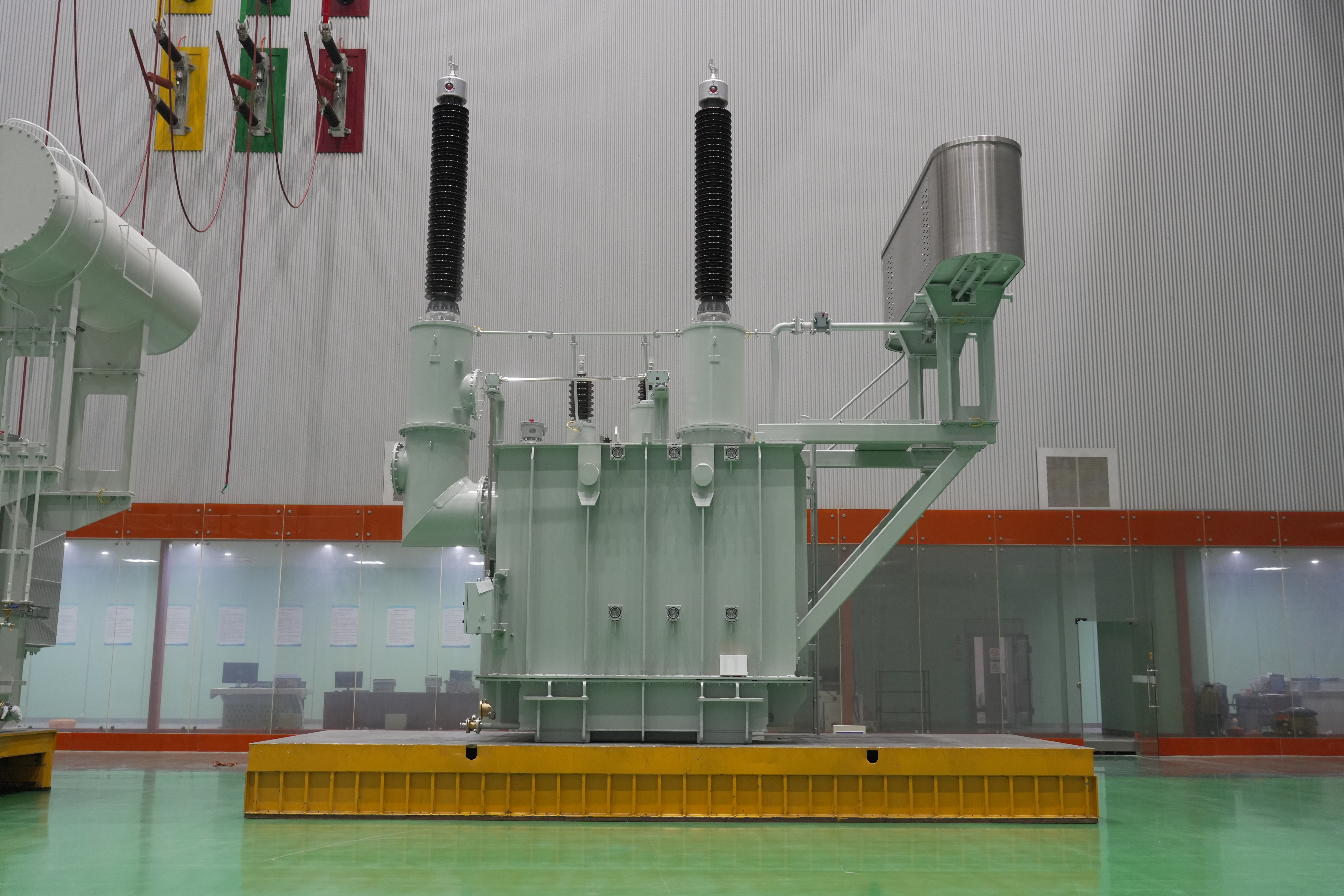
The efficiency and reliability of electrical infrastructure depend critically on how well heat is managed within power equipment. Ventilated transformer performance stands as a cornerstone metric in industrial power systems, directly influenced by the precision of airflow design integrated into the transformer's cooling mechanism. Understanding the relationship between airflow design and ventilated transformer performance helps engineers optimize thermal management, extend equipment lifespan, and reduce operational costs across manufacturing facilities, data centers, and utility networks.
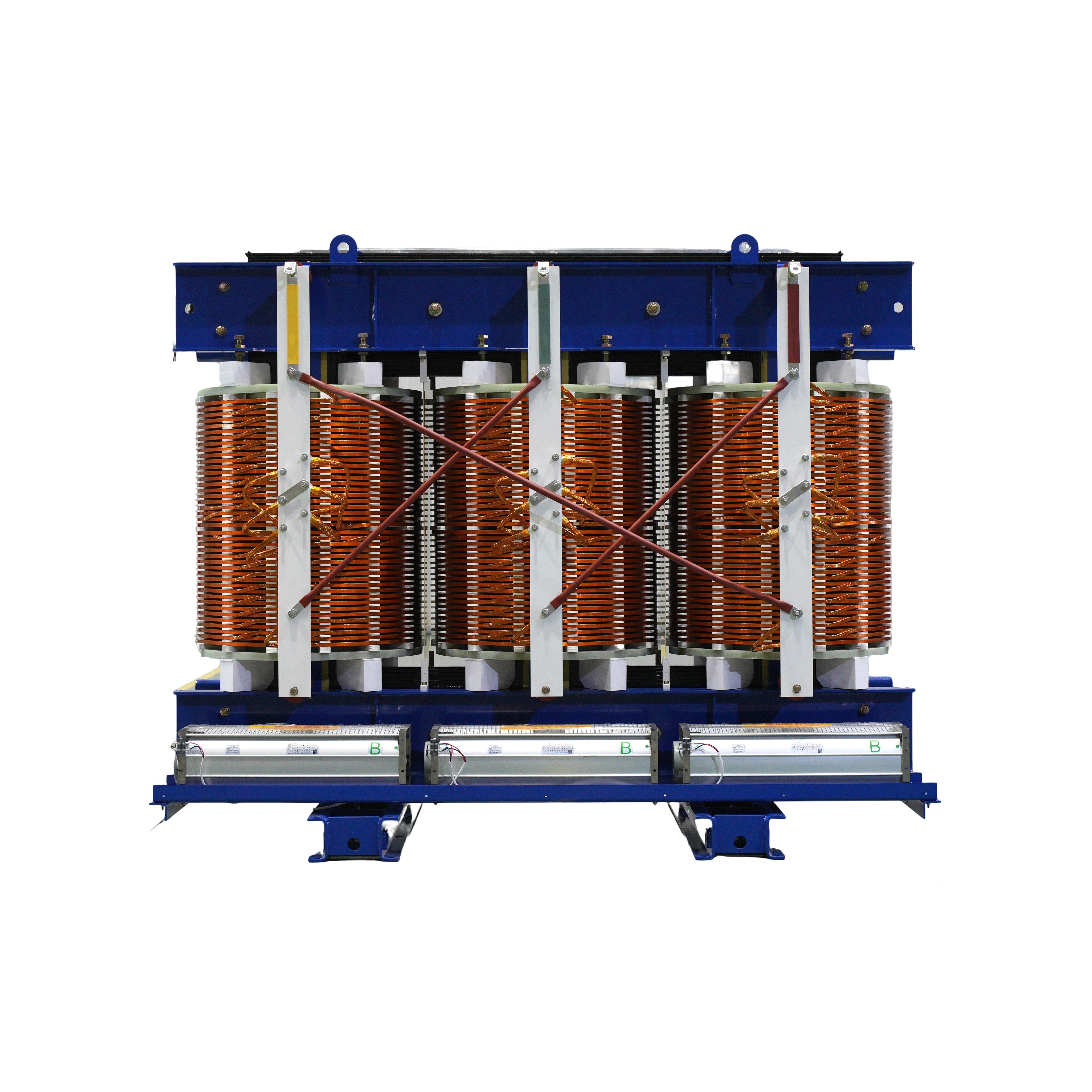
When transformers operate under load, they generate substantial heat that must be dissipated efficiently to maintain safety margins and preserve insulation integrity. Ventilated transformer performance depends entirely on how effectively the cooling system removes this heat through forced or natural airflow paths. Poor airflow design creates thermal hotspots, compromises dielectric strength, and accelerates aging of windings and core materials, ultimately leading to premature failure or reduced operational capacity during peak demand periods.
Thermal Management and Cooling System Efficiency
Core Principles of Ventilated Transformer Performance
Ventilated transformer performance is fundamentally governed by the balance between heat generation and heat removal. The cooling capacity of any ventilated transformer is limited by how efficiently air circulates through the core and windings. Engineers design airflow pathways to maximize contact surface area between cooling air and heat-generating components. When airflow design is optimized, the temperature rise remains within acceptable limits even during extended high-load conditions, ensuring that ventilated transformer performance stays consistent and predictable throughout the equipment's operational life.
The relationship between airflow velocity, duct geometry, and heat transfer rates determines whether ventilated transformer performance meets or exceeds design specifications. Higher airflow velocities increase cooling effectiveness but also increase pressure drop and fan power consumption. Engineers must balance these competing demands to achieve ventilated transformer performance that delivers both thermal efficiency and energy economy. Inadequate airflow results in temperature gradients that stress insulation materials unevenly, while excessive turbulence creates noise and vibration that degrades mechanical integrity.
Optimizing Air Distribution Pathways
The physical layout of cooling ducts, baffles, and intake/exhaust openings directly shapes ventilated transformer performance outcomes. Poorly designed air paths create recirculation zones where hot air returns to the intake, reducing effective cooling and inflating local temperatures. Strategic placement of baffles ensures that cooling air flows perpendicular to windings rather than along them, maximizing thermal contact time. When airflow design incorporates redundant pathways and distributed intake points, ventilated transformer performance becomes more resilient to blockages or maintenance oversights that might otherwise compromise cooling effectiveness.
Computational fluid dynamics (CFD) modeling enables precise optimization of ventilated transformer performance by simulating airflow behavior before physical construction. Modern design practices use CFD to identify dead zones, pressure anomalies, and temperature peaks that would otherwise only emerge during operation. By resolving these inefficiencies in the design phase, manufacturers ensure that ventilated transformer performance meets contractual guarantees and operational reliability targets from installation onward.
Impact on Transformer Lifespan and Maintenance Requirements
Temperature Control and Insulation Preservation
The lifespan of transformer insulation materials follows an inverse exponential relationship with operating temperature. For every 8–10°C increase above design temperature, insulation aging accelerates by approximately 50 percent, directly degrading long-term ventilated transformer performance. Effective airflow design maintains winding temperatures within the thermal design margin, slowing aging processes and enabling transformers to deliver rated capacity reliably for decades. Transformers with poor airflow design experience premature insulation failure, requiring costly replacements years before their economic life should end.
Ventilated transformer performance is preserved through consistent temperature management that prevents thermal cycling stress and material fatigue. Uniform cooling ensures that no isolated region experiences extreme thermal stress that could crack insulation or weaken structural bonds. When airflow design successfully maintains tight temperature distribution across all windings and core sections, the entire transformer ages uniformly, and maintenance intervals remain predictable and aligned with preventive planning schedules.
Reliability Under Peak Load and Ambient Stress
Industrial operations frequently encounter peak demand periods or elevated ambient temperatures that push transformers toward their thermal limits. Ventilated transformer performance during these critical moments depends on whether the cooling system was designed with adequate margin to handle worst-case scenarios. Transformers with well-engineered airflow design can sustain emergency overloads or operate in high-ambient environments without immediate failure risk. Conversely, transformers with marginal cooling capacity may fail under stress, causing cascading outages and expensive emergency repairs.
Predictive maintenance programs rely on stable ventilated transformer performance to identify genuine degradation rather than chasing false alarms from temperature fluctuations. When airflow design is robust, thermal trending becomes a reliable indicator of winding condition, insulation health, and remaining operational life. This stability enables maintenance teams to schedule interventions proactively rather than responding to unexpected failures that disrupt production schedules.
Design Specifications and Performance Validation
Engineering Standards and Thermal Classification
International standards (IEC 60076, ANSI C57) establish thermal classifications and performance criteria that directly link to ventilated transformer performance validation. Class A insulation permits 65°C temperature rise, while Class H allows 150°C rise, each corresponding to specific cooling technology and airflow design capability. Manufacturers select insulation class and cooling methods based on intended duty cycle, ambient conditions, and load profile. The declared thermal classification of any ventilated transformer represents a commitment that the airflow design delivers sufficient cooling to maintain rated temperature rise under specified ambient and load conditions.
Factory testing protocols verify that ventilated transformer performance matches design claims by subjecting transformers to full-load no-load and short-circuit tests in controlled environments. Temperature sensors monitor multiple winding locations and core positions to confirm that temperature rise stays within declared limits and that thermal distribution is acceptably uniform. Transformers that fail to meet thermal performance targets are redesigned before delivery, ensuring that operational ventilated transformer performance aligns with customer expectations and industry requirements.
Field Performance Monitoring and Optimization
Installed transformers benefit from continuous thermal monitoring that validates design assumptions and alerts operators to degrading ventilated transformer performance. Fiber optic temperature sensors, thermal imaging cameras, and embedded monitoring systems provide real-time insight into cooling effectiveness. When ventilated transformer performance degrades due to dust accumulation, fan malfunction, or environmental changes, monitoring systems trigger maintenance alerts before thermal runaway or insulation damage occurs. Operators can clean cooling surfaces, service fans, or adjust environmental controls to restore ventilated transformer performance without waiting for catastrophic failure.
Benchmarking field data across identical transformer models installed in similar environments reveals whether ventilated transformer performance is tracking to expectations or indicating hidden design flaws. Systematic analysis of performance variations helps identify optimal operating conditions and maintenance intervals that maximize reliability and asset lifespan. Transformers consistently demonstrating superior ventilated transformer performance under equivalent stress become baseline references for procurement decisions and support continuous improvement of cooling designs across equipment portfolios.
FAQ
How does fan design contribute to ventilated transformer performance?
Fan selection directly determines the volume and velocity of cooling airflow, which sets the upper limit on ventilated transformer performance capability. Centrifugal fans deliver consistent pressure across varying ambient temperatures, while axial fans provide high volume with lower power consumption. The fan must supply sufficient airflow to meet cooling demand at the maximum expected ambient temperature without excessive noise or vibration that degrades transformer reliability. Undersized fans cannot deliver adequate ventilated transformer performance, while oversized fans waste energy and create operational noise that complicates facility planning.
What environmental factors reduce ventilated transformer performance?
Dust, pollen, and debris accumulation on cooling fins significantly impairs ventilated transformer performance by reducing airflow and heat transfer efficiency. High ambient humidity increases air density and cooling effectiveness initially, but corrosion of cooling surfaces and electrical components may follow, ultimately degrading long-term ventilated transformer performance. Exposure to salt spray, industrial solvents, or other chemical contaminants accelerates material degradation and reduces heat transfer surface quality, compromising ventilated transformer performance over time. Regular cleaning and protective coatings help maintain design-level ventilated transformer performance in harsh industrial environments.
Can poor airflow design be corrected after installation?
Retrofitting existing transformers to improve ventilated transformer performance is limited compared to proper design from the outset. In some cases, obstruction removal, duct cleaning, or fan upgrades can restore ventilated transformer performance that has degraded due to neglect. However, fundamental airflow path geometry cannot be easily modified without transformer rewinding or core replacement, which exceeds the cost of replacement with a properly designed unit. New installations should incorporate optimized airflow design to ensure reliable ventilated transformer performance throughout the equipment's intended service life.