 EN
EN
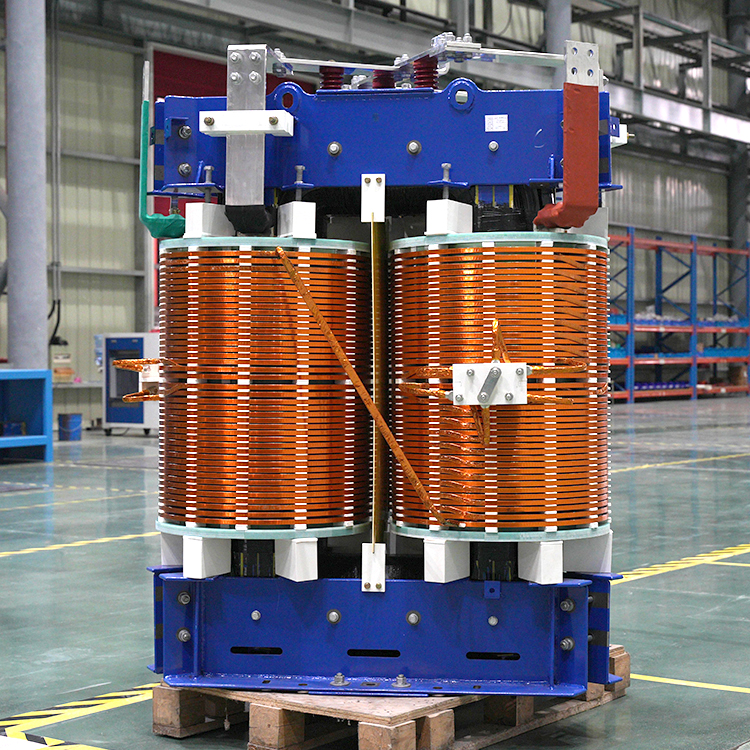
Industrial facilities depend on reliable electrical infrastructure to maintain continuous operations, and the epoxy transformer has become a cornerstone technology for ensuring stable power delivery across complex manufacturing environments. Unlike traditional oil-immersed designs, the epoxy transformer uses solid insulation materials to manage voltage distribution with greater efficiency and environmental safety. Understanding how the epoxy transformer supports power stability helps facility managers make informed decisions about their electrical systems and long-term operational resilience.
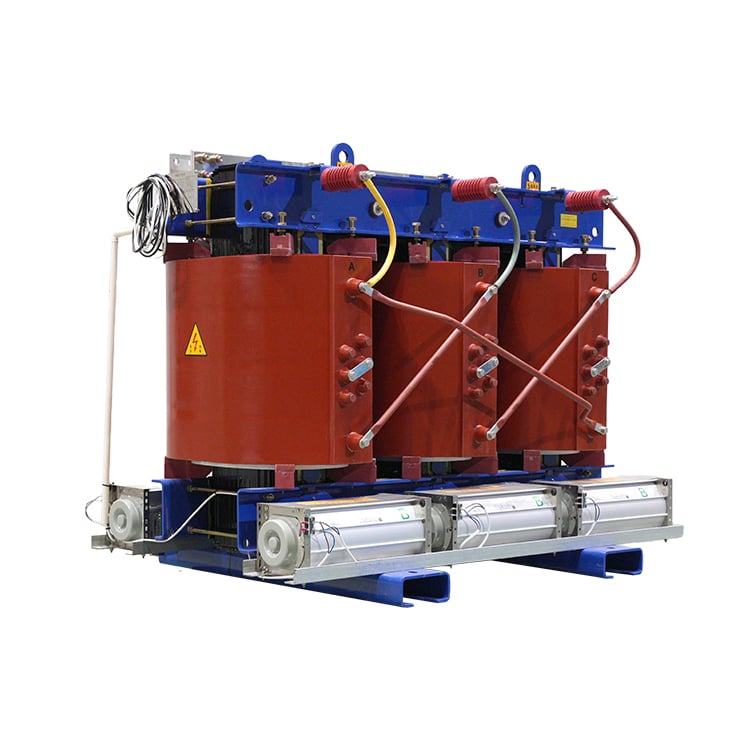
The epoxy transformer addresses critical challenges in modern industrial power management by combining advanced materials with proven engineering principles. Industrial systems require transformers that can handle voltage fluctuations, thermal stress, and environmental exposure without compromising performance. An epoxy transformer accomplishes this through its solid epoxy resin insulation, which provides superior dielectric strength and moisture resistance compared to conventional transformer designs.
Core Construction and Insulation Technology
Epoxy Resin as Primary Insulation
The fundamental strength of an epoxy transformer lies in its use of epoxy resin as the primary insulating material. This solid insulation completely encases the copper windings and core components, creating a moisture-resistant barrier that prevents oxidation and degradation over time. When an epoxy transformer operates in humid or chemically aggressive industrial environments, the epoxy coating maintains electrical integrity where traditional oil-based systems might fail or require frequent maintenance interventions.
Thermal Management in Epoxy Design
Thermal stability directly impacts how well an epoxy transformer supports continuous power delivery without voltage sag or failure. The epoxy resin formulation used in modern epoxy transformer designs includes thermal additives that dissipate heat more effectively than earlier generations. This enhanced thermal management allows the epoxy transformer to maintain stable output voltage even when industrial loads fluctuate rapidly, which is essential in facilities operating heavy machinery, automated production lines, or data centers where power quality cannot be compromised.
Voltage Stability and Electrical Performance
Maintaining Consistent Voltage Output
Industrial systems experience voltage drops due to long-distance transmission, load switching, and equipment startup surges. An epoxy transformer is engineered to minimize these voltage fluctuations through precision winding ratios and low impedance characteristics. The epoxy transformer maintains stable voltage across primary and secondary coils even when downstream equipment suddenly increases power demand, ensuring that sensitive machinery receives the consistent electrical signal it requires for proper operation and preventing costly downtime from power-related failures.
Harmonic Distortion Reduction
Modern industrial equipment generates harmonic distortions that can degrade power quality and damage connected devices. An epoxy transformer minimizes harmonic content through its balanced core design and high-quality copper winding specifications. When facilities install an epoxy transformer as part of their electrical infrastructure, they reduce the risk of harmonic-related equipment failures and extend the operational lifespan of sensitive industrial controls, variable frequency drives, and precision instrumentation that depend on clean power signals.
Environmental Resilience and Operational Longevity
Moisture and Contamination Resistance
Industrial environments expose electrical equipment to moisture, dust, chemical vapors, and temperature extremes. An epoxy transformer handles these conditions better than traditional transformer designs because the solid epoxy insulation prevents water absorption and contaminant ingress. Unlike oil-filled transformers that require sealed tanks and regular maintenance to prevent moisture buildup, the epoxy transformer maintains its electrical properties even in coastal facilities with salt spray, chemical plants with corrosive atmospheres, or outdoor installations where weather protection is limited.
Extended Service Life and Maintenance Requirements
The durability of an epoxy transformer translates directly into reduced maintenance costs and extended operational life. Because the epoxy resin insulation does not degrade like mineral oil and does not require periodic testing or replacement, an epoxy transformer can operate for 25 to 40 years with minimal intervention. Facility managers benefit from lower total cost of ownership when using an epoxy transformer because emergency maintenance calls, oil disposal, environmental compliance testing, and insulation replacement become largely unnecessary compared to conventional transformer systems that require ongoing oversight and periodic fluid analysis.
Installation and Integration Considerations
Compatibility with Industrial Power Distribution Networks
When integrating an epoxy transformer into existing industrial electrical systems, facility engineers must verify voltage ratings, impedance specifications, and fault current capacity to ensure seamless operation. An epoxy transformer is available in configurations ranging from 6 kV to 72 kV and higher, making it suitable for secondary substations, distribution centers, and facility-level power conditioning. The epoxy transformer can be installed in confined spaces where traditional oil-cooled units present fire hazards or environmental concerns, providing flexibility in plant layout and electrical infrastructure design.
Safety and Environmental Benefits
The solid epoxy construction eliminates the flammability risk associated with mineral oil-filled transformers, making an epoxy transformer ideal for installations near production areas, storage facilities, or densely populated industrial complexes. Because an epoxy transformer contains no flammable liquid, it complies with stringent fire codes and environmental regulations without requiring special containment systems, fire suppression equipment, or environmental cleanup protocols. This inherent safety advantage makes the epoxy transformer the preferred choice for risk-conscious facility managers seeking to reduce insurance premiums and operational liability.
FAQ
What is the typical lifespan of an epoxy transformer compared to traditional oil-filled units?
An epoxy transformer typically operates for 25 to 40 years with proper installation and maintenance, significantly longer than many oil-filled transformers that may require replacement or major reconditioning after 20 to 30 years of service. The solid epoxy insulation resists aging and degradation far more effectively than mineral oil, which breaks down over time through oxidation and moisture absorption, requiring periodic fluid analysis and eventual replacement to maintain electrical integrity and safety.
Can an epoxy transformer improve power quality in facilities with variable electrical loads?
Yes, an epoxy transformer is highly effective in facilities experiencing rapid load fluctuations because its low impedance design and responsive voltage regulation minimize sag and swell events that can damage sensitive equipment. The solid epoxy insulation and precision engineering of the epoxy transformer allow it to maintain stable voltage output even during sudden power demand spikes from large motors, welding equipment, or data center server startups, protecting downstream equipment from power quality disturbances that could otherwise cause operational interruptions or component failures.
Are epoxy transformers suitable for outdoor or harsh industrial environments?
An epoxy transformer performs exceptionally well in outdoor and chemically aggressive environments because the solid epoxy insulation resists moisture ingress, salt spray corrosion, and chemical vapor exposure that would compromise traditional transformer designs. Unlike oil-filled units that require sealed tanks and climate-controlled installations, an epoxy transformer can be deployed in coastal facilities, chemical plants, mining operations, and remote industrial sites where environmental conditions would necessitate expensive protective infrastructure for conventional transformer systems. This environmental versatility makes the epoxy transformer an economically and operationally superior choice for challenging deployment scenarios.