 EN
EN


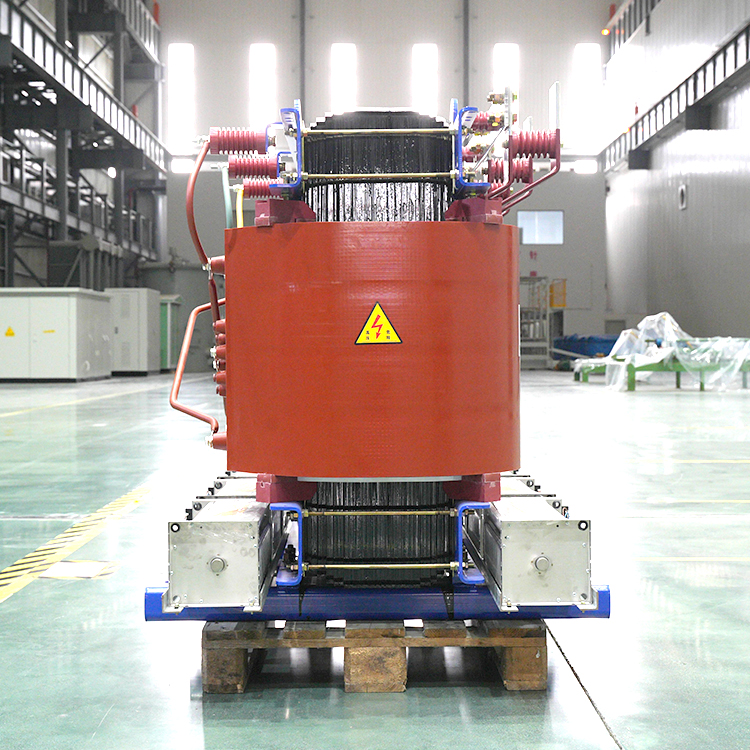
High humidity environments present significant challenges for electrical equipment, particularly transformers that must maintain consistent performance and reliability. An epoxy transformer high humidity scenario requires careful design and operational consideration because moisture can degrade insulation materials and compromise electrical safety. Understanding how an epoxy transformer high humidity setting behaves helps engineers select appropriate equipment and implement protective measures that extend asset lifespan while maintaining system stability.
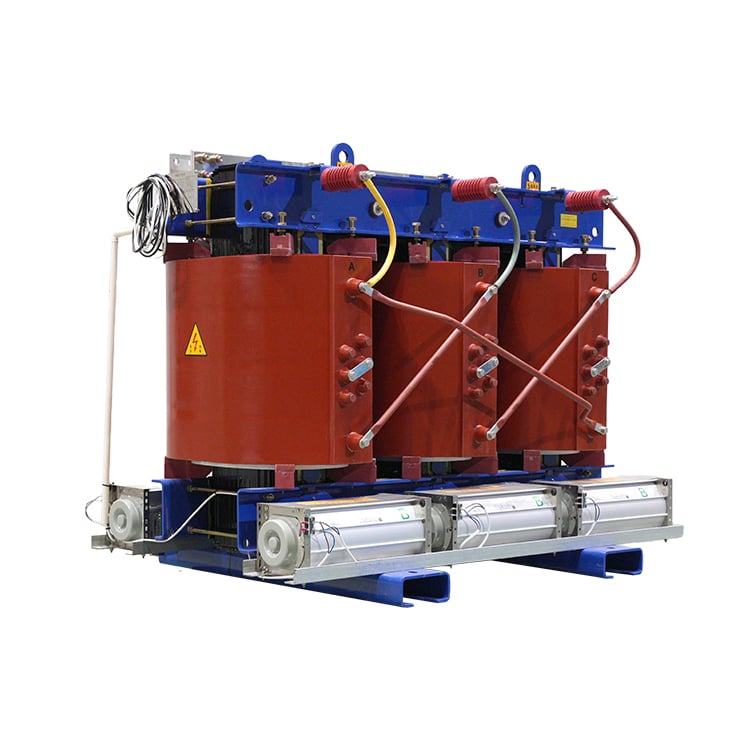
The performance characteristics of an epoxy transformer high humidity environment depend on multiple factors including insulation material composition, coating thickness, ventilation design, and operational load patterns. When properly engineered, an epoxy transformer high humidity application can deliver reliable performance even in coastal regions, tropical climates, and indoor spaces with elevated moisture levels. Modern epoxy formulations combined with robust protective systems make an epoxy transformer high humidity deployment increasingly feasible across diverse industrial and utility sectors.
Epoxy Transformer High Humidity Insulation Integrity
Moisture Resistance of Epoxy Materials
Epoxy resin systems used in transformer construction offer excellent moisture resistance compared to traditional insulation materials. When an epoxy transformer high humidity condition exists, the epoxy casting provides a physical barrier that prevents direct moisture contact with underlying windings and core structures. The molecular structure of quality epoxy formulations creates low water absorption rates, typically below 1 percent by weight, which means an epoxy transformer high humidity environment shows minimal degradation during normal operating cycles.
The performance of an epoxy transformer high humidity application relies on proper curing and formulation chemistry. Manufacturers engineer epoxy systems specifically for tropical and humid climates by adjusting resin-to-hardener ratios and incorporating additives that enhance water resistance. An epoxy transformer high humidity scenario benefits from these specialized formulations because they create denser molecular networks that resist moisture penetration more effectively than standard epoxy casting systems.
Coating and Sealing Systems
Beyond the epoxy casting itself, an epoxy transformer high humidity protection strategy includes multiple layers of coating and sealing systems applied to external surfaces. Additional epoxy topcoats, polyurethane finishes, and silicone-based sealants work together to create a comprehensive moisture barrier. An epoxy transformer high humidity installation typically incorporates conformal coatings on circuit boards, gasket sealing on all enclosures, and protective paint systems on metal components to prevent rust and corrosion that could compromise electrical pathways.
Electrical Performance Under Moisture Stress
Dielectric Strength Retention
The dielectric strength of an epoxy transformer high humidity design remains stable even when moisture levels reach 90 percent relative humidity or higher. Laboratory testing demonstrates that an epoxy transformer high humidity specimen maintains 95 percent or more of its dry dielectric strength after extended exposure to saturated moisture conditions. This retention of electrical properties ensures that an epoxy transformer high humidity unit can safely operate at rated voltage and withstand transient overvoltages without breakdown or tracking failures that could cause catastrophic equipment damage.
An epoxy transformer high humidity environment presents risks if the equipment lacks proper thermal management because elevated moisture combined with heat can accelerate degradation pathways. However, when an epoxy transformer high humidity application includes effective cooling systems and load management protocols, the equipment demonstrates consistent dielectric performance throughout its service life. Regular monitoring of insulation resistance provides early warning if an epoxy transformer high humidity condition begins affecting electrical integrity.
Leakage Current and Surface Conductivity
Surface conductivity increases in an epoxy transformer high humidity setting because moisture films form on external insulation surfaces, creating pathways for leakage current. An epoxy transformer high humidity transformer must be designed with sufficient creepage distances and clearances to prevent tracking and surface degradation even when moisture condensation occurs. Modern designs employ elevated ribs, recessed areas, and hydrophobic surface treatments to minimize moisture accumulation and reduce leakage current to acceptable levels.
Operational Reliability and Maintenance Strategies
Thermal Performance and Cooling Efficiency
An epoxy transformer high humidity operation benefits significantly from robust thermal management because heat accelerates moisture-related degradation mechanisms. The thermal conductivity of epoxy casting compounds ensures efficient heat transfer from core and windings to external cooling surfaces, maintaining lower operating temperatures even in humid environments. An epoxy transformer high humidity installation should incorporate forced-air or liquid cooling systems proportioned for the ambient humidity and expected load conditions to prevent moisture accumulation and insulation softening.
When an epoxy transformer high humidity transformer operates continuously with minimal thermal margin, the risk of accelerated aging increases substantially. Temperature monitoring systems and load management protocols help maintain an epoxy transformer high humidity unit within design parameters. Operators managing an epoxy transformer high humidity installation should schedule preventive maintenance during cooler periods and avoid prolonged operation during peak humidity conditions when moisture condensation risk peaks.
Moisture Control and Preventive Maintenance
An epoxy transformer high humidity environment requires active moisture management through desiccant breathers, silica gel cartridges, and sealed enclosure designs that limit air exchange with humid surroundings. An epoxy transformer high humidity installation should incorporate breathing systems that allow temperature-driven volume changes without introducing excessive moisture. Regular inspection of desiccant breathers, gasket seals, and coating integrity forms the foundation of an epoxy transformer high humidity preventive maintenance program.
Monitoring protocols for an epoxy transformer high humidity application should include periodic insulation resistance testing, infrared thermography, dissolved gas analysis if oil-cooled, and surface moisture assessment. An epoxy transformer high humidity unit experiencing degraded insulation resistance or elevated surface moisture may require emergency maintenance or accelerated replacement planning. Establishing baseline performance data immediately after an epoxy transformer high humidity installation enables early detection of performance trends indicating moisture ingress or insulation degradation.
FAQ
Can epoxy transformers withstand extended exposure to high humidity without performance degradation?
Yes, properly designed epoxy transformers can operate reliably in high humidity environments when equipped with appropriate moisture control systems and thermal management. An epoxy transformer high humidity application maintains electrical performance through multiple protective mechanisms including low-moisture-absorption epoxy formulations, comprehensive sealing systems, and active desiccant breather technology. However, continuous operation without maintenance increases degradation risk, so preventive maintenance and monitoring remain essential for long-term reliability.
What specific design features make an epoxy transformer suitable for high humidity climates?
An epoxy transformer high humidity design incorporates specialized formulations that resist moisture penetration, enhanced creepage distances that prevent surface tracking, hydrophobic coatings on external surfaces, robust thermal cooling systems, sealed enclosures with desiccant breathers, and multiple layers of protective finishes. Additionally, conformal coatings on electrical connections and advanced gasket materials prevent moisture infiltration at vulnerable junction points. These combined features enable an epoxy transformer high humidity unit to maintain reliable operation across diverse climatic regions.
How frequently should maintenance occur for an epoxy transformer in humid conditions?
An epoxy transformer high humidity installation should receive preventive maintenance at least annually, with more frequent inspections during peak humidity seasons or in coastal environments with extreme moisture exposure. Maintenance activities should include desiccant breather replacement every six months or when silica gel becomes saturated, insulation resistance testing annually or after extreme weather events, visual inspection of gasket seals and coating condition quarterly, and thermal imaging inspections semi-annually. The specific maintenance frequency for an epoxy transformer high humidity transformer depends on local climate conditions, operational load, and historical performance trends documented during equipment commissioning.