 EN
EN


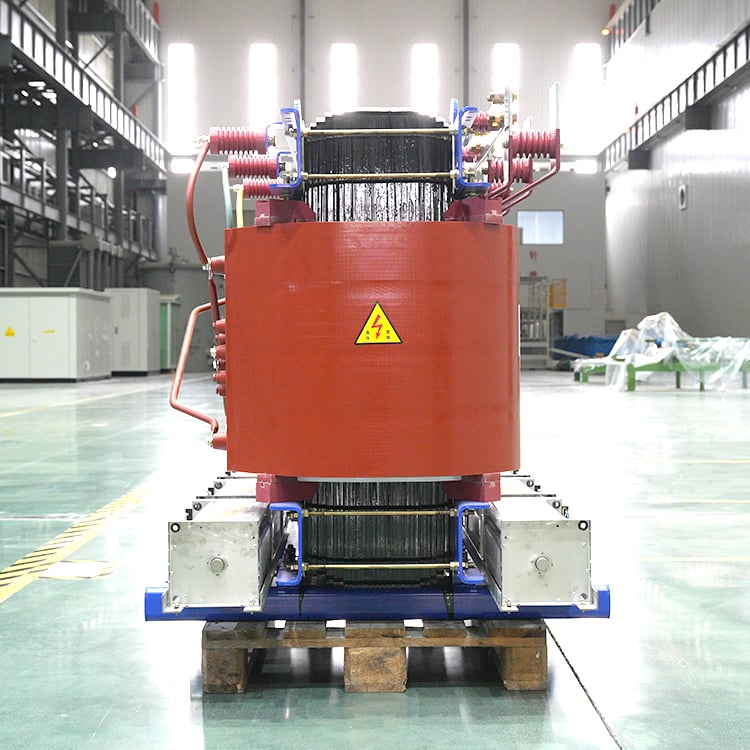
Operational safety in electrical infrastructure depends heavily on the quality of insulation systems used inside power equipment. Epoxy transformer insulation has become one of the most trusted solutions for protecting transformer windings, cores, and conductors from electrical, thermal, and environmental stress. Understanding how epoxy transformer insulation works helps engineers, facility managers, and procurement teams make informed decisions that directly affect system reliability and personnel safety.
Epoxy transformer insulation forms a solid, void-free encapsulation layer around transformer components using cast resin technology. This layer physically separates live conductors from surrounding structures, eliminating the risk of accidental contact, arc flash, or insulation failure under voltage stress. Because epoxy transformer insulation is both mechanically robust and chemically stable, it provides a level of operational safety that traditional oil-based or tape-wound insulation systems often cannot match in modern industrial environments.
Electrical Isolation Mechanisms in Epoxy Transformer Insulation
Dielectric Strength and Voltage Endurance
The primary safety function of epoxy transformer insulation is its ability to sustain high dielectric strength across a wide voltage range. Epoxy transformer insulation materials are formulated to withstand partial discharge, impulse voltage, and continuous operating voltage without degrading rapidly. This dielectric endurance means that epoxy transformer insulation prevents micro-arcing events that could otherwise escalate into full insulation breakdown and transformer failure.
When epoxy transformer insulation is applied through vacuum pressure impregnation or cast resin encapsulation, it eliminates air pockets that would otherwise act as ionization sites. The absence of voids is critical because partial discharges originating in air gaps are a leading cause of progressive insulation failure. Epoxy transformer insulation addresses this root cause directly, making it far more reliable than systems that allow trace air inclusions to remain inside the insulation body.
Surface Tracking Resistance
Surface tracking occurs when contamination, humidity, or leakage currents create conductive paths along the surface of insulating materials. Epoxy transformer insulation has excellent resistance to surface tracking because its chemical structure resists moisture absorption and repels ionic contamination. In environments where transformers are exposed to dust, salt fog, or chemical vapors, epoxy transformer insulation maintains its surface resistivity far longer than organic or fibrous insulation alternatives.
Thermal Management and Fire Safety
Heat Dissipation Through Solid Encapsulation
Thermal runaway is one of the most dangerous failure modes in electrical transformers. Epoxy transformer insulation contributes to safety by providing a thermally stable medium that conducts heat away from windings and toward the transformer housing or cooling surfaces. The thermal conductivity of properly formulated epoxy transformer insulation ensures that hotspot temperatures remain within safe operating limits even during peak load conditions.
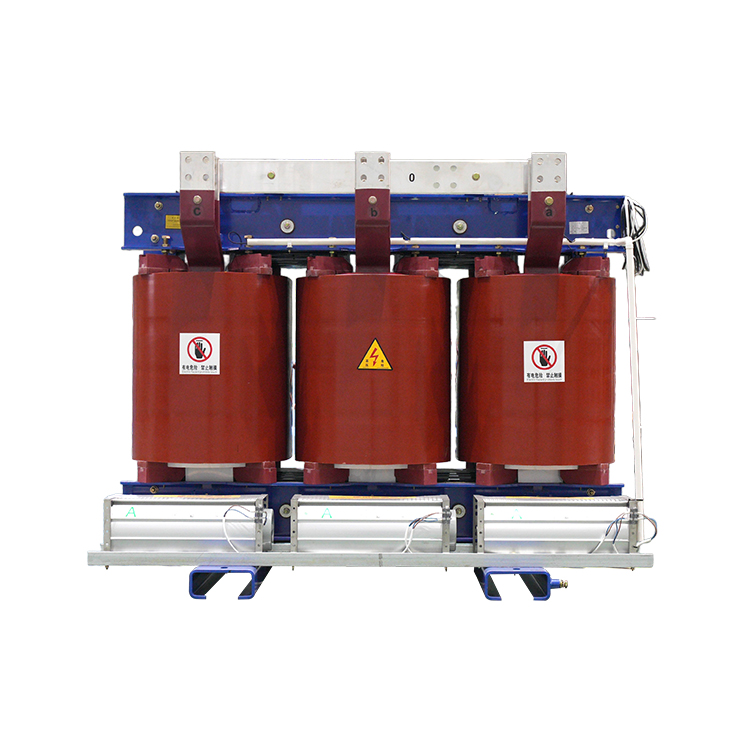
Because epoxy transformer insulation is a solid material rather than a liquid or semi-liquid medium, it does not shift, drain, or decompose under sustained thermal loading. This dimensional stability allows epoxy transformer insulation to maintain consistent thermal contact with conductor surfaces over the entire service life of the transformer. Consistent thermal contact directly reduces the risk of localized overheating that can ignite surrounding materials or compromise the transformer structure.
Flame Retardancy and Self-Extinguishing Properties
Epoxy transformer insulation used in dry-type transformers is typically formulated with flame-retardant additives that give it self-extinguishing characteristics. When exposed to an external ignition source, epoxy transformer insulation does not propagate flames along its surface, making it significantly safer for indoor installations such as commercial buildings, hospitals, data centers, and transit systems. This fire-resistant behavior is one of the primary reasons facility planners specify epoxy transformer insulation in locations where fire suppression systems may be limited or delayed.
The fire safety profile of epoxy transformer insulation also reduces smoke and toxic gas emissions compared to some alternative insulation materials. In enclosed spaces, smoke toxicity and visibility reduction during a fire event directly affect evacuation safety. By specifying epoxy transformer insulation, designers reduce the total fire risk index of the transformer installation, which contributes to both regulatory compliance and occupant safety outcomes.
Environmental and Mechanical Protection
Moisture Resistance and Corrosion Prevention
Moisture ingress is a persistent threat to transformer insulation integrity because water dramatically reduces dielectric strength and promotes corrosion on metallic conductors. Epoxy transformer insulation forms a continuous, impermeable encapsulation layer that seals conductor surfaces against moisture, condensation, and chemical exposure. In coastal, industrial, or high-humidity environments, epoxy transformer insulation provides a consistent safety margin that allows transformers to operate reliably without frequent maintenance interventions.
Epoxy transformer insulation also protects transformer cores and windings from airborne corrosive agents such as sulfur dioxide, chlorine compounds, and industrial solvents. Unlike open-wound insulation systems that rely on periodic varnish treatments to maintain protection, epoxy transformer insulation delivers long-term barrier performance from the initial manufacturing stage. This inherent chemical resistance reduces both maintenance frequency and the risk of insulation failure caused by undetected corrosion.
Vibration and Mechanical Shock Resistance
Transformers installed in industrial facilities, railway systems, and offshore platforms experience significant mechanical vibration and occasional shock loading. Epoxy transformer insulation bonds rigidly to conductor and core surfaces, preventing the relative movement between insulation layers and metal components that would otherwise cause abrasion, cracking, or delamination. By maintaining its structural integrity under dynamic mechanical loads, epoxy transformer insulation ensures that electrical isolation remains intact throughout the transformer's operating life.
The mechanical bonding strength of epoxy transformer insulation also resists the thermal cycling stresses that arise as transformers expand and contract during load fluctuations. Unlike fibrous insulation tapes that may loosen or shift over many thermal cycles, epoxy transformer insulation retains its adhesion and shape, preserving the geometry of the insulation gap and the consistency of the dielectric barrier. This mechanical durability is a direct contributor to long-term operational safety.
FAQ
What voltage ratings are suitable for epoxy transformer insulation?
Epoxy transformer insulation is available for a wide range of voltage classes, from low-voltage distribution transformers up to medium-voltage systems rated at 36 kV or higher. The specific voltage suitability depends on the epoxy formulation, casting geometry, and design validation testing performed by the manufacturer. Always verify that the epoxy transformer insulation specification matches the system's rated and impulse withstand voltages before installation.
Can epoxy transformer insulation be used in outdoor installations?
Yes, epoxy transformer insulation can be engineered for outdoor use when formulated with UV-stable resins and protective surface coatings. Outdoor-rated epoxy transformer insulation maintains its dielectric and mechanical properties across wide temperature ranges and resists degradation from solar radiation, rain, and temperature cycling. Enclosure design and IP rating also play important supporting roles in ensuring full environmental protection for outdoor applications.
How does epoxy transformer insulation compare to oil-impregnated insulation in terms of safety?
Epoxy transformer insulation offers several safety advantages over oil-impregnated systems, including the elimination of flammable liquid, reduced fire risk, no risk of oil leaks, and suitability for installation in populated or sensitive environments. Oil-impregnated transformers require containment bunds, fire suppression systems, and regular oil sampling, whereas epoxy transformer insulation systems reduce these operational burdens significantly. For indoor, urban, or environmentally sensitive installations, epoxy transformer insulation is generally the preferred and safer choice.