 EN
EN


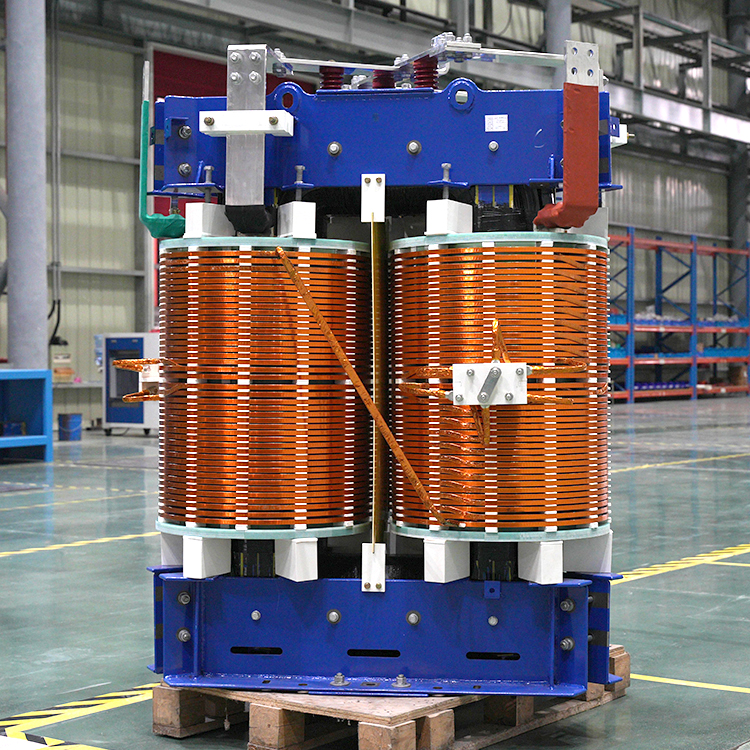
Industrial facilities worldwide rely on robust electrical infrastructure to maintain continuous operations, and the choice of transformer technology directly impacts reliability, safety, and long-term cost efficiency. An epoxy transformer represents one of the most durable and versatile solutions available for demanding industrial environments where standard oil-immersed units may fall short. Unlike conventional transformers, an epoxy transformer uses solid epoxy resin insulation instead of mineral oil, delivering superior protection against environmental contamination, moisture, and mechanical stress. This advancement makes an epoxy transformer particularly valuable in industries where operational uptime cannot be compromised and maintenance accessibility may be limited.
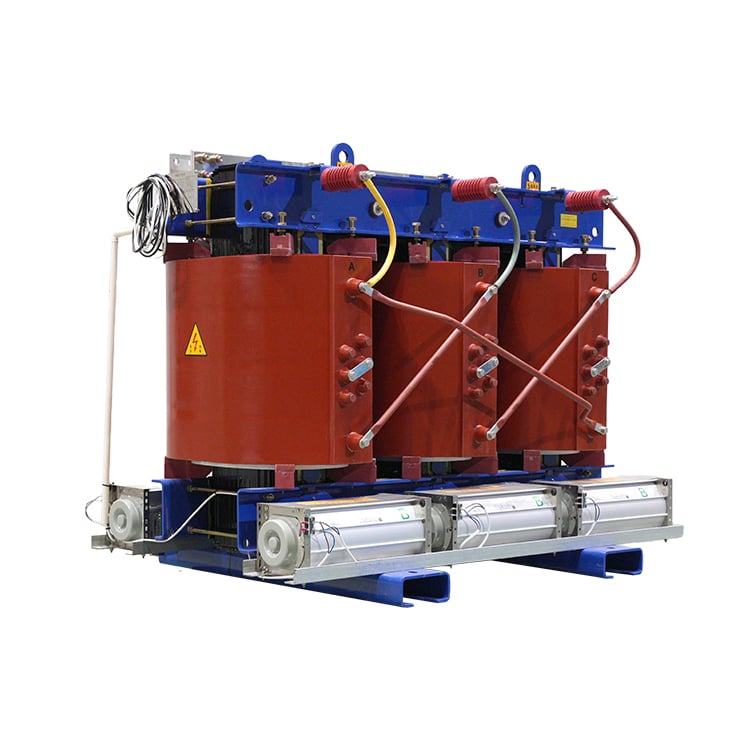
Understanding which industrial applications benefit most from an epoxy transformer requires examining the specific operational demands, environmental challenges, and technical requirements of different sectors. Manufacturing plants, renewable energy installations, chemical processing facilities, and data centers all face distinct electrical infrastructure challenges that an epoxy transformer addresses more effectively than traditional alternatives. By selecting the right transformer technology for each application, facility managers can significantly reduce downtime, extend equipment lifespan, and optimize capital investment in electrical systems.
Heavy Industrial Manufacturing and Processing Plants
Continuous Operation Demands in Manufacturing
Heavy manufacturing environments subject transformers to demanding thermal loads, vibration stress, and contamination exposure that would quickly degrade conventional equipment. An epoxy transformer excels in these conditions because the solid epoxy resin insulation resists moisture penetration and maintains structural integrity under sustained mechanical stress. Steel mills, automotive assembly lines, and semiconductor fabrication facilities generate constant electrical demand with minimal tolerance for interruptions. An epoxy transformer installed in these settings provides the reliability needed to support round-the-clock production schedules without unexpected shutdowns.
Chemical and Corrosive Environment Protection
Chemical processing plants, refineries, and petrochemical facilities expose transformers to corrosive vapors, acidic atmospheres, and extreme temperature fluctuations that compromise conventional insulation systems. An epoxy transformer withstands these hostile conditions because epoxy resin does not degrade when exposed to chemical vapors the way mineral oil does. The solid encapsulation also prevents oil leakage, addressing both environmental compliance and safety concerns. Industries handling chlorine, sulfur compounds, or other reactive chemicals specifically benefit from an epoxy transformer's resistance to chemical degradation and its ability to maintain performance across decades of service.
Renewable Energy and Power Generation Systems
Solar and Wind Farm Integration
Renewable energy installations present unique transformer challenges because installations often occupy remote locations with limited maintenance access and exposure to extreme weather conditions. An epoxy transformer designed for these applications provides reliable voltage conversion and protection without requiring regular oil maintenance or environmental containment systems. Wind turbine substations, solar panel inverter stations, and distributed generation networks increasingly specify an epoxy transformer for its minimal maintenance requirements and compact design. The sealed, moisture-resistant construction of an epoxy transformer ensures consistent performance across temperature ranges from arctic cold to desert heat, making it the preferred choice for renewable energy operators managing geographically dispersed assets.
Grid Modernization and Smart Infrastructure
Modern power grids require transformers that integrate seamlessly with monitoring systems, smart sensors, and predictive maintenance platforms. An epoxy transformer supports these advanced requirements because its solid construction accommodates embedded monitoring equipment more readily than oil-filled alternatives. Utility operators deploying microgrids, virtual power plants, and demand-response networks increasingly select an epoxy transformer as part of their digital infrastructure strategy. The reliability and longevity of an epoxy transformer align perfectly with the long-term asset management goals of modernized power distribution systems.
Data Centers, Hospitals, and Critical Infrastructure
Mission-Critical Uptime Requirements
Data centers, hospitals, emergency response facilities, and telecommunications hubs cannot tolerate transformer failures because the consequences extend far beyond electrical disruption to include patient safety, data loss, and public service interruption. An epoxy transformer provides the exceptional reliability these facilities demand because solid epoxy insulation eliminates oil leakage risks, reduces fire potential, and supports rapid installation in confined spaces. Hospital operating rooms, intensive care units, and emergency departments depend on transformers that maintain voltage stability without requiring outdoor containment vaults or regular maintenance cycles. An epoxy transformer meets these stringent requirements while complying with fire codes, environmental regulations, and space constraints typical of modern healthcare and technology facilities.
Space-Constrained Urban Installations
Urban data centers, downtown hospitals, and commercial buildings frequently operate in space-constrained environments where underground transformer vaults or expansive containment systems are impractical or prohibited. An epoxy transformer addresses these constraints because the solid, sealed design requires no oil containment systems and occupies minimal floor space. Building managers can install an epoxy transformer directly in mechanical rooms, rooftop enclosures, or adjacent to electrical panels without the extensive safety infrastructure required for oil-immersed equipment. This flexibility makes an epoxy transformer the enabling choice for critical infrastructure projects where space availability or building codes restrict conventional transformer installation options.
FAQ
What voltage levels does an epoxy transformer typically handle?
An epoxy transformer is manufactured across a comprehensive range of voltage ratings, from low-voltage distribution at 480 volts through medium-voltage applications at 6,000 to 35,000 volts and into high-voltage transmission service above 100,000 volts. Manufacturers design an epoxy transformer to meet specific application requirements, with cast-resin designs providing excellent performance for indoor installations and vacuum-pressure impregnated versions offering greater flexibility for specialized applications. The exact voltage capability of any particular epoxy transformer depends on the epoxy formulation, winding configuration, and thermal design specifications established during manufacturing.
How long does an epoxy transformer typically operate before requiring replacement?
An epoxy transformer typically delivers 40 to 60 years of reliable service under normal operating conditions, with many units exceeding 70 years when properly maintained and operated within design parameters. The solid epoxy insulation resists degradation far more effectively than mineral oil, meaning an epoxy transformer does not experience the progressive aging that limits conventional transformers. Regular monitoring of operating temperature, load cycles, and environmental exposure maximizes the lifespan of any epoxy transformer, making it a superior long-term investment compared to oil-immersed alternatives requiring more frequent replacement cycles.
Can an epoxy transformer be installed indoors in buildings with occupied spaces?
Yes, an epoxy transformer is specifically designed for indoor installation in buildings with occupied spaces because the sealed, dry design eliminates oil leakage risks and produces no flammable liquid hazards. Building codes permit an epoxy transformer installation closer to occupied areas than oil-immersed equipment, and an epoxy transformer generates lower fire risk, reducing insurance premiums and simplifying compliance documentation. Hospitals, office buildings, schools, and data centers routinely install an epoxy transformer in mechanical rooms adjacent to working spaces, making it the standard choice for modern building infrastructure.