 EN
EN


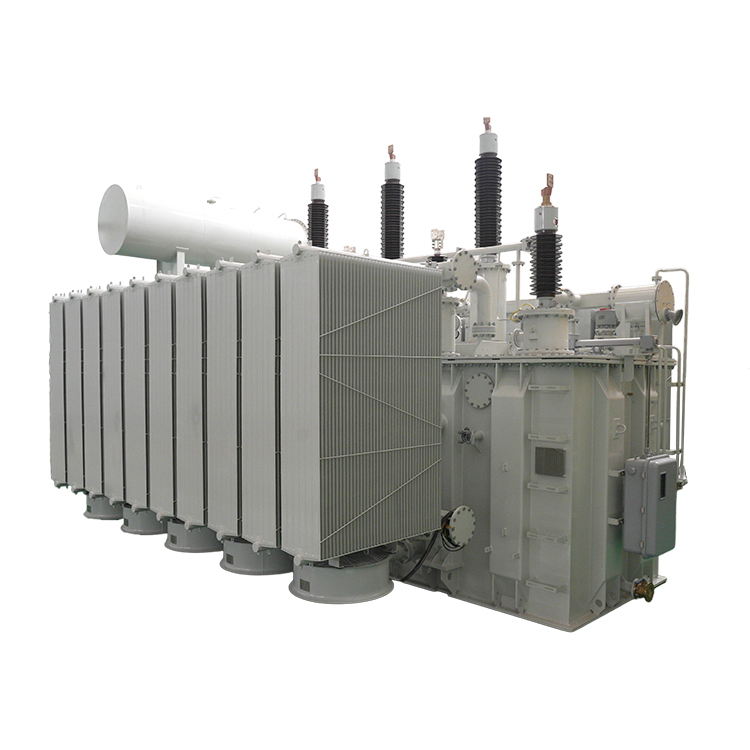
Power transformer testing standards serve as the critical foundation for ensuring operational reliability across electrical power systems worldwide. These comprehensive testing protocols establish rigorous quality benchmarks that manufacturers and operators must follow to guarantee safe, efficient, and dependable transformer performance throughout their operational lifespan.
Understanding which testing standards govern transformer reliability requires examining multiple international frameworks that address different aspects of transformer design, manufacturing, and operational validation. These power transformer testing standards encompass electrical performance verification, thermal behavior assessment, mechanical stress evaluation, and long-term durability confirmation through systematic testing methodologies.
International Framework for Transformer Testing Standards
IEEE Standards Foundation
The Institute of Electrical and Electronics Engineers provides comprehensive power transformer testing standards that define fundamental requirements for transformer reliability validation. IEEE C57.12.00 establishes general requirements for liquid-immersed distribution, power, and regulating transformers, specifying essential testing protocols that ensure operational dependability.
IEEE C57.12.90 outlines specific test procedures for liquid-immersed distribution, power, and regulating transformers, detailing systematic approaches for verifying electrical performance characteristics. These standards require manufacturers to conduct routine tests, type tests, and special tests that collectively validate transformer reliability under various operating conditions.
The IEEE framework emphasizes standardized test sequences that evaluate insulation integrity, thermal performance, and mechanical robustness. Power transformer testing standards within this framework ensure consistent quality benchmarks across different manufacturers and geographic regions, promoting reliable transformer operation in diverse electrical networks.
IEC International Standards
International Electrotechnical Commission standards provide globally recognized power transformer testing standards that complement IEEE requirements while addressing international market needs. IEC 60076 series covers power transformers comprehensively, establishing testing methodologies that ensure reliable operation across different voltage classes and applications.
IEC 60076-1 defines general testing requirements including temperature rise tests, short-circuit tests, and dielectric tests that validate transformer reliability. These testing protocols ensure transformers can withstand electrical stresses, thermal cycling, and mechanical forces encountered during normal and fault conditions.
The IEC framework emphasizes international harmonization of testing procedures, enabling manufacturers to demonstrate compliance with recognized reliability standards across global markets. Power transformer testing standards under IEC guidelines facilitate consistent quality expectations and operational performance benchmarks worldwide.
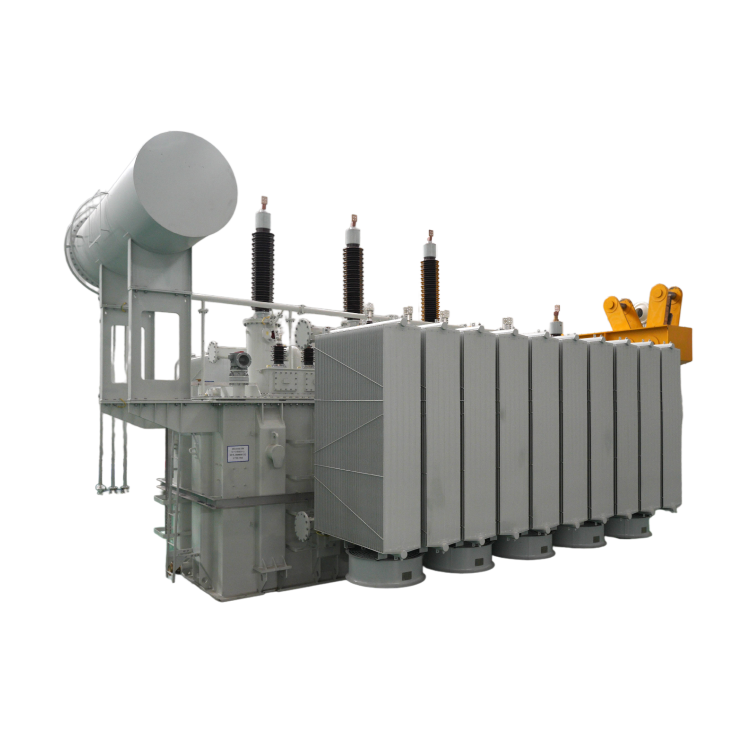
Essential Testing Categories for Operational Reliability
Dielectric Testing Requirements
Dielectric testing represents a fundamental component of power transformer testing standards, validating insulation system integrity that directly impacts operational reliability. These tests verify the transformer's ability to withstand electrical stresses without insulation breakdown, ensuring safe operation under normal and overvoltage conditions.
Applied voltage tests subject transformer insulation to specified voltage levels for predetermined durations, confirming adequate dielectric strength. Lightning impulse tests simulate transient overvoltages that transformers encounter during lightning strikes or switching operations, validating insulation capability under extreme electrical stress conditions.
Partial discharge testing identifies incipient insulation deterioration that could compromise long-term reliability. Power transformer testing standards require specific partial discharge limits to ensure insulation systems maintain integrity throughout their operational lifespan, preventing premature failures that could disrupt electrical service.
Thermal Performance Validation
Temperature rise testing forms a critical element of power transformer testing standards, ensuring transformers operate within acceptable thermal limits that preserve component longevity and system reliability. These tests validate cooling system effectiveness and confirm thermal design adequacy under rated load conditions.
Heat run tests subject transformers to rated load conditions while monitoring winding temperatures, oil temperatures, and hotspot temperatures. This testing verifies that thermal design parameters align with operational requirements and that cooling systems maintain acceptable temperature gradients during continuous operation.
Thermal testing protocols within power transformer testing standards establish maximum permissible temperature limits that prevent insulation degradation and component deterioration. Proper thermal validation ensures transformers maintain reliable operation throughout their expected service life while minimizing maintenance requirements.
Mechanical and Environmental Testing Protocols
Short-Circuit Withstand Testing
Short-circuit withstand testing validates transformer mechanical integrity under fault current conditions, ensuring structural reliability during electrical system disturbances. These power transformer testing standards subject transformers to high-magnitude fault currents that generate substantial mechanical forces within winding structures.
Dynamic short-circuit tests apply fault currents with specified magnitudes and durations, simulating actual system fault conditions. These tests validate winding mechanical strength, core clamping effectiveness, and overall structural integrity under extreme electromagnetic force conditions.
Power transformer testing standards for short-circuit withstand capability ensure transformers maintain structural integrity during fault events without compromising subsequent operational reliability. Successful completion of these tests confirms mechanical design adequacy and provides confidence in long-term operational dependability.
Environmental Stress Testing
Environmental testing protocols within power transformer testing standards evaluate reliability under diverse climatic and operational conditions. These tests subject transformers to temperature cycling, humidity exposure, altitude effects, and seismic stress conditions that reflect real-world installation environments.
Temperature cycling tests validate transformer performance across operational temperature ranges, ensuring reliable operation in diverse geographic locations. Humidity testing confirms insulation system resistance to moisture ingress that could compromise dielectric performance and operational reliability.
Seismic qualification testing, where required by specific applications, validates transformer structural integrity under earthquake conditions. Power transformer testing standards for environmental stress ensure reliable operation across diverse installation conditions and climate zones.
Quality Assurance and Acceptance Testing
Routine Testing Requirements
Routine testing forms the foundation of power transformer testing standards, providing systematic quality verification for every manufactured unit. These tests confirm basic electrical performance, insulation integrity, and operational capability before transformer shipment and installation.
Turns ratio testing validates winding ratio accuracy, ensuring proper voltage transformation and system compatibility. Resistance measurements confirm winding continuity and detect manufacturing defects that could impact operational reliability.
No-load and load loss measurements verify electrical efficiency and identify core or winding anomalies. Power transformer testing standards require these routine tests to meet specific accuracy requirements, ensuring consistent quality and performance across all manufactured units.
Type Testing Validation
Type testing provides comprehensive validation of transformer design adequacy and operational reliability for specific transformer designs and ratings. These extensive test programs validate all aspects of transformer performance under power transformer testing standards requirements.
Type tests include dielectric testing, thermal testing, short-circuit testing, and mechanical testing that collectively validate design suitability for intended applications. Successful type testing qualifies transformer designs for production and provides confidence in operational reliability.
Power transformer testing standards for type testing ensure comprehensive design validation while minimizing redundant testing requirements. Type test certificates provide documented evidence of compliance with applicable standards and support operational reliability expectations.
Implementation and Compliance Strategies
Testing Laboratory Accreditation
Accredited testing laboratories play a crucial role in ensuring power transformer testing standards compliance and maintaining testing result credibility. These laboratories maintain calibrated equipment, trained personnel, and documented procedures that support reliable testing outcomes.
ISO/IEC 17025 accreditation provides international recognition of laboratory competence for transformer testing activities. Accredited laboratories demonstrate technical capability and quality management systems that ensure consistent, reliable testing results that support operational reliability assessments.
Third-party testing verification through accredited laboratories provides independent validation of transformer compliance with power transformer testing standards. This independent verification supports confidence in operational reliability and facilitates acceptance across different markets and regulatory environments.
Documentation and Traceability
Comprehensive documentation systems ensure power transformer testing standards compliance verification and support operational reliability throughout transformer service life. Proper documentation provides traceable evidence of testing compliance and performance validation.
Test certificates document compliance with applicable power transformer testing standards while providing detailed test results and performance characteristics. These certificates support operational decisions and provide baseline data for ongoing condition assessment programs.
Digital documentation systems enable efficient data management and retrieval while supporting long-term reliability analysis. Power transformer testing standards increasingly recognize digital documentation as essential for maintaining comprehensive compliance records and supporting operational reliability programs.
FAQ
Which international standards govern power transformer testing for reliability?
IEEE C57.12.00 and C57.12.90 provide comprehensive North American standards, while IEC 60076 series offers internationally recognized requirements. These power transformer testing standards establish testing protocols for dielectric, thermal, and mechanical validation that ensure operational reliability across different voltage classes and applications.
How often should power transformers undergo testing to maintain reliability?
Power transformer testing standards require routine testing during manufacturing, acceptance testing before commissioning, and periodic testing throughout operational life. Routine tests occur for every unit, while specialized testing intervals depend on operating conditions, criticality, and regulatory requirements specific to each installation.
What are the most critical tests for ensuring transformer operational reliability?
Dielectric testing validates insulation integrity, temperature rise testing confirms thermal design adequacy, and short-circuit withstand testing verifies mechanical strength. Power transformer testing standards emphasize these three testing categories as fundamental for ensuring reliable operation under normal and fault conditions throughout transformer service life.
Do power transformer testing standards vary by voltage class or application?
Yes, power transformer testing standards specify different requirements based on voltage class, power rating, and application type. Distribution transformers have different testing requirements than transmission transformers, while special applications may require additional testing protocols to address specific operational conditions and reliability expectations.
Table of Contents
- International Framework for Transformer Testing Standards
- Essential Testing Categories for Operational Reliability
- Mechanical and Environmental Testing Protocols
- Quality Assurance and Acceptance Testing
- Implementation and Compliance Strategies
-
FAQ
- Which international standards govern power transformer testing for reliability?
- How often should power transformers undergo testing to maintain reliability?
- What are the most critical tests for ensuring transformer operational reliability?
- Do power transformer testing standards vary by voltage class or application?