 EN
EN


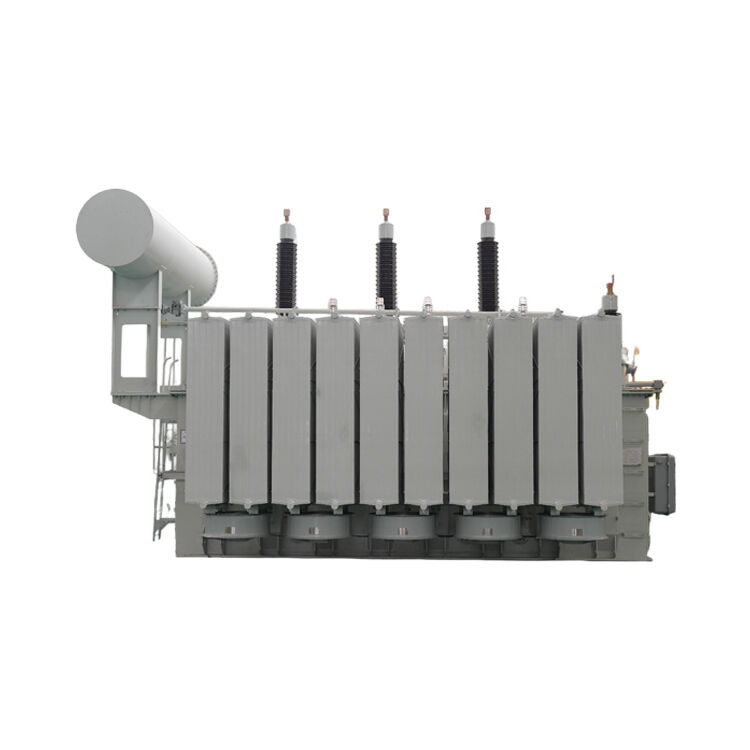
Modern electrical grids depend on sophisticated infrastructure to deliver reliable power across vast distances, and power transformers serve as the cornerstone technology enabling efficient energy transmission. These critical components facilitate voltage conversion at multiple grid levels, ensuring electricity generated at power plants reaches end consumers safely and economically. Without power transformers, utility-scale energy networks would face insurmountable technical challenges in maintaining stable voltage levels across transmission and distribution systems. The increasing complexity of modern power grids, coupled with growing renewable energy integration, has elevated the importance of advanced transformer technologies in maintaining grid stability and efficiency.
Fundamental Role of Power Transformers in Grid Operations
Voltage Transformation Mechanisms
Power transformers operate on electromagnetic induction principles, converting electrical energy between different voltage levels through primary and secondary windings wrapped around magnetic cores. This fundamental process enables utilities to step up voltages for efficient long-distance transmission while subsequently stepping down voltages for safe distribution to residential and commercial consumers. The voltage transformation capability of power transformers directly impacts transmission efficiency, as higher voltages reduce current flow and minimize power losses across transmission lines.
Modern power transformers incorporate advanced core materials and winding designs to optimize energy conversion efficiency, typically achieving efficiency ratings exceeding 98% in utility-scale applications. These improvements in transformer technology have enabled power systems to transport electricity across hundreds of miles with minimal losses, making centralized power generation economically viable. The precision engineering required for large power transformers involves careful consideration of insulation systems, cooling mechanisms, and protection devices to ensure reliable operation under varying load conditions.
Grid Stability and Load Management
Beyond voltage conversion, power transformers play crucial roles in maintaining grid stability through load balancing and reactive power management. These devices help regulate voltage fluctuations caused by varying consumer demand patterns, industrial load changes, and renewable energy intermittency. Power transformers equipped with tap changers can automatically adjust voltage ratios to compensate for system variations, ensuring consistent power quality across the distribution network.
The strategic placement of power transformers throughout utility networks enables operators to isolate faults, reroute power during maintenance activities, and manage load distribution during peak demand periods. This operational flexibility proves essential for maintaining service reliability while accommodating the dynamic nature of modern energy consumption patterns. Advanced transformer monitoring systems provide real-time data on operating parameters, enabling predictive maintenance strategies that minimize unplanned outages.
Technical Specifications and Design Considerations
High Voltage Applications and Insulation Systems
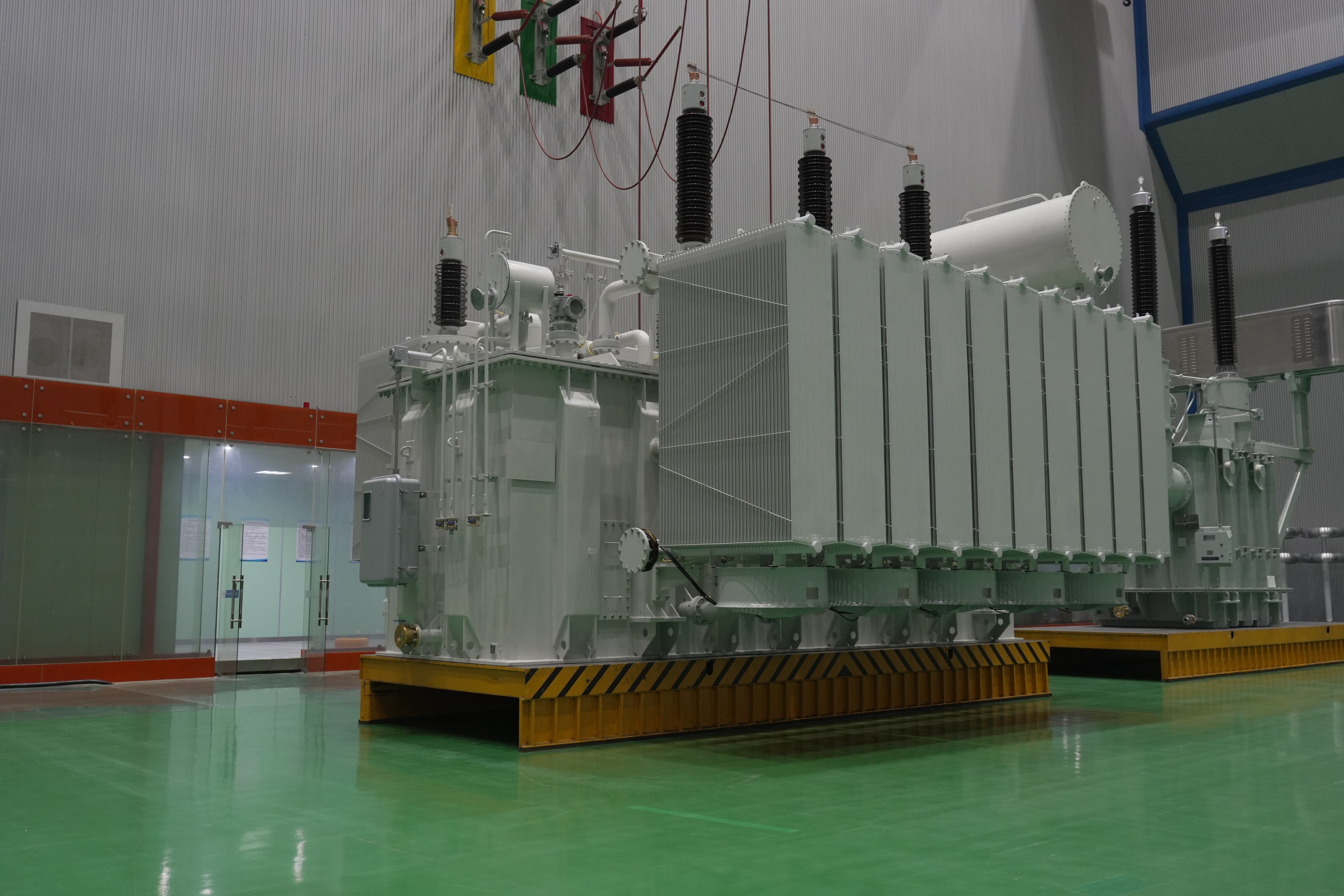
Utility-scale power transformers must withstand extreme electrical stresses while maintaining reliable operation across decades of service life. High voltage applications require sophisticated insulation systems combining oil-filled designs, paper insulation, and specialized bushings to prevent electrical breakdown. The insulation coordination process involves careful analysis of lightning impulses, switching surges, and power frequency overvoltages to ensure adequate safety margins under all operating conditions.
Modern power transformers designed for transmission applications typically operate at voltage levels ranging from 115 kV to 765 kV, with some specialized units handling even higher voltages. The design complexity increases exponentially with voltage ratings, requiring extensive testing protocols including impulse testing, partial discharge measurements, and thermal performance verification. These stringent quality assurance measures ensure power transformers can reliably serve their intended lifespan of 30 to 40 years in utility applications.
Cooling Systems and Thermal Management
Effective thermal management represents a critical design consideration for power transformers, as excessive heat generation can degrade insulation materials and reduce equipment lifespan. Large utility transformers typically employ oil-natural air-natural cooling systems, oil-natural air-forced cooling, or oil-forced air-forced cooling depending on power ratings and installation requirements. The cooling system design directly affects transformer loading capability and operational efficiency.
Advanced cooling technologies for power transformers include directed oil flow systems, enhanced heat exchanger designs, and temperature monitoring networks that optimize thermal performance. These innovations enable utilities to maximize transformer capacity utilization while maintaining safe operating temperatures. The thermal design process involves detailed analysis of loss distribution, oil circulation patterns, and ambient temperature variations to ensure reliable cooling under all operating scenarios.
Economic Impact and Grid Efficiency
Transmission Loss Reduction
Power transformers enable significant reduction in transmission losses by facilitating high voltage transmission over long distances. The relationship between voltage level and transmission losses follows an inverse square law, meaning doubling transmission voltage reduces losses by approximately 75%. This fundamental principle drives utility investment decisions regarding transformer specifications and grid architecture, as the economic benefits of reduced losses often justify higher initial equipment costs.
The cumulative impact of efficient power transformers on utility operations extends beyond simple loss reduction to include improved system capacity, reduced fuel consumption at generating stations, and lower environmental emissions. Modern transformer designs incorporating amorphous steel cores and advanced cooling systems achieve even greater efficiency improvements, delivering measurable economic benefits throughout their operational lifecycle. These efficiency gains translate directly into reduced electricity costs for consumers and improved profitability for utility companies.
Capital Investment and Lifecycle Economics
While power transformers represent substantial capital investments for utility companies, their long service life and high reliability make them economically attractive compared to alternative transmission solutions. The total cost of ownership for power transformers includes initial procurement, installation, maintenance, and eventual replacement costs spread over several decades of operation. Utilities typically evaluate transformer investments based on net present value calculations that account for efficiency benefits, reliability improvements, and avoided costs.
Strategic transformer placement decisions involve complex economic analyses considering load growth projections, system reliability requirements, and maintenance accessibility. The economic optimization of power transformer deployments requires careful coordination between transmission planning engineers, asset management teams, and financial analysts to maximize return on investment while meeting regulatory reliability standards.
Integration with Renewable Energy Sources
Wind and Solar Power Integration Challenges
The rapid expansion of renewable energy generation has created new technical challenges for power transformers, particularly regarding voltage regulation and power quality management. Wind and solar installations often locate in remote areas with limited existing transmission infrastructure, requiring specialized power transformers to collect and transmit generated power to load centers. These applications demand transformers capable of handling bidirectional power flow and voltage variations associated with renewable generation intermittency.
Power transformers serving renewable energy facilities must accommodate dynamic loading patterns that differ significantly from traditional thermal generation sources. The variable output characteristics of wind and solar generation require transformer designs with enhanced voltage regulation capabilities and improved short-circuit withstand strength. Advanced monitoring systems for these power transformers provide critical data for grid operators managing renewable energy integration challenges.
Smart Grid Technology Integration
Modern power transformers increasingly incorporate smart grid technologies that enable remote monitoring, automated control, and predictive maintenance capabilities. These intelligent transformer systems provide real-time data on loading conditions, oil temperature, gas-in-oil analysis, and other critical parameters that support automated grid operations. The integration of communication systems and sensors transforms traditional power transformers into active grid components capable of supporting advanced distribution management systems.
The evolution toward smart power transformers includes features such as dynamic voltage regulation, automated tap changing, and integrated protection systems that respond automatically to grid disturbances. These technological advances enable utilities to optimize grid performance while reducing manual intervention requirements and improving overall system reliability.
Maintenance and Reliability Considerations
Preventive Maintenance Strategies
Effective maintenance programs for power transformers combine routine inspections, diagnostic testing, and condition monitoring to maximize equipment reliability and service life. Preventive maintenance activities include oil analysis, insulation resistance testing, partial discharge monitoring, and thermographic inspections that identify potential problems before they cause equipment failures. These proactive maintenance approaches help utilities avoid costly unplanned outages and extend transformer operational life.
Advanced diagnostic techniques for power transformers utilize dissolved gas analysis, frequency response analysis, and sweep frequency response analysis to assess internal condition without requiring equipment removal from service. These non-intrusive testing methods enable utilities to make informed decisions about maintenance timing, loading restrictions, and replacement planning based on actual equipment condition rather than predetermined schedules.
Asset Management and Replacement Planning
Strategic asset management for power transformers involves long-term planning that considers equipment age, condition assessment results, system reliability requirements, and financial constraints. Utilities typically develop transformer replacement programs that prioritize units based on risk assessment methodologies combining probability of failure with consequence of outage impacts. This systematic approach ensures critical power transformers receive appropriate attention while optimizing maintenance budget allocation.
The development of transformer fleet management strategies requires coordination between engineering, operations, and financial teams to balance reliability objectives with cost constraints. Modern asset management systems for power transformers incorporate predictive analytics, risk modeling, and optimization algorithms that support data-driven decision making for maintenance and replacement activities.
Future Developments and Technology Trends
Advanced Materials and Design Innovations
Emerging technologies for power transformers include advanced magnetic materials, improved insulation systems, and innovative cooling technologies that promise enhanced performance and reduced environmental impact. Research into amorphous metal cores, nanocrystalline materials, and superconducting windings may revolutionize transformer design by significantly reducing losses and physical size requirements. These material innovations could enable more compact and efficient power transformers suitable for urban installations with space constraints.
Environmental considerations drive development of eco-friendly transformer technologies including biodegradable insulating fluids, recyclable core materials, and reduced noise designs. These sustainability initiatives align with utility environmental goals while maintaining the high reliability standards required for power transformers in critical grid applications.
Digital Transformation and IoT Integration
The digital transformation of power transformers encompasses Internet of Things sensors, artificial intelligence analytics, and cloud-based monitoring platforms that enable unprecedented visibility into equipment performance. These technologies support predictive maintenance algorithms that can forecast equipment failures weeks or months in advance, allowing utilities to schedule maintenance activities during optimal windows. Digital twin technology for power transformers creates virtual models that simulate equipment behavior under various operating scenarios.
Future power transformers will likely incorporate edge computing capabilities that enable real-time decision making and automated responses to grid disturbances. This evolution toward autonomous transformer operation supports grid modernization initiatives while reducing operational costs and improving system reliability.
FAQ
What factors determine the optimal size and rating for power transformers in utility applications
The selection of power transformers for utility applications involves comprehensive analysis of load forecasts, fault current levels, voltage regulation requirements, and system reliability standards. Engineers consider peak demand projections over the transformer service life, typically 20-30 years, to ensure adequate capacity while avoiding oversizing that increases initial costs. Fault current calculations determine the short-circuit withstand capability required, while voltage regulation analysis establishes the appropriate impedance characteristics. System reliability requirements influence decisions regarding redundancy, spare capacity, and maintenance accessibility.
How do power transformers contribute to grid resilience during extreme weather events
Power transformers enhance grid resilience through robust design features that withstand extreme weather conditions including high winds, ice loading, seismic events, and temperature extremes. Utility-grade transformers incorporate weatherproof enclosures, enhanced structural supports, and protective systems that maintain operation during severe weather. Strategic placement of power transformers considers natural disaster risks, with some installations featuring underground configurations or hardened above-ground designs. Emergency response procedures include mobile transformer deployment capabilities that restore service quickly following equipment damage.
What role do power transformers play in integrating energy storage systems with the electrical grid
Power transformers serve critical functions in energy storage integration by managing voltage conversion between storage systems and grid connection points. Battery energy storage systems typically operate at medium voltage levels that require power transformers for grid interconnection. These applications demand transformers capable of rapid bidirectional power flow as storage systems alternate between charging and discharging modes. Specialized transformer designs for energy storage applications include enhanced short-circuit capability, improved voltage regulation, and advanced protection systems that accommodate the unique operating characteristics of storage technologies.
How do utilities evaluate the economic benefits of upgrading existing power transformers
Utility economic evaluations for power transformer upgrades compare the total cost of ownership between existing equipment and replacement options. Analysis includes quantification of efficiency improvements, maintenance cost reductions, reliability enhancements, and avoided replacement costs over the evaluation period. Utilities utilize present value calculations that account for energy price forecasts, discount rates, and risk factors to determine optimal replacement timing. The economic assessment also considers non-quantifiable benefits such as improved power quality, reduced environmental impact, and enhanced operational flexibility that modern power transformers provide.
Table of Contents
- Fundamental Role of Power Transformers in Grid Operations
- Technical Specifications and Design Considerations
- Economic Impact and Grid Efficiency
- Integration with Renewable Energy Sources
- Maintenance and Reliability Considerations
- Future Developments and Technology Trends
-
FAQ
- What factors determine the optimal size and rating for power transformers in utility applications
- How do power transformers contribute to grid resilience during extreme weather events
- What role do power transformers play in integrating energy storage systems with the electrical grid
- How do utilities evaluate the economic benefits of upgrading existing power transformers