 EN
EN


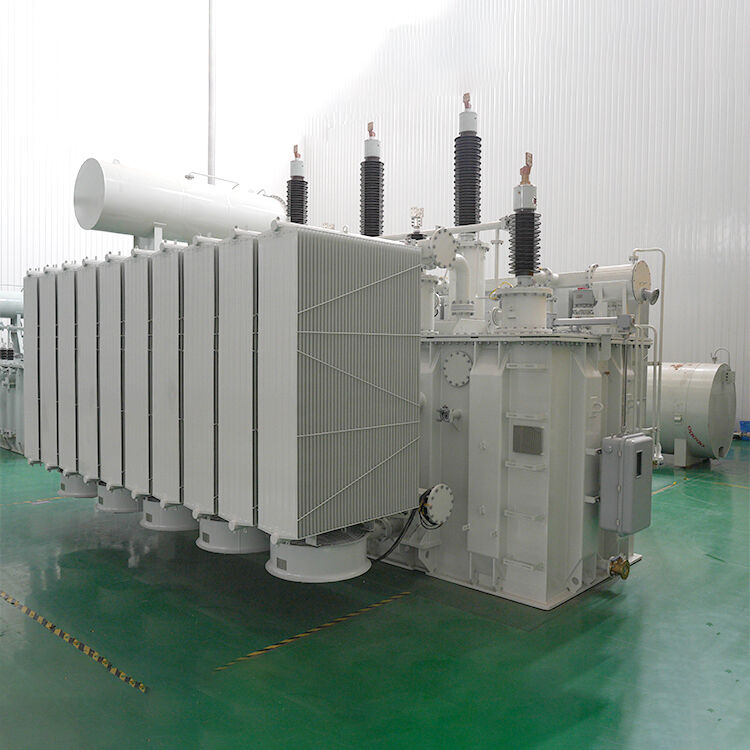
Power transformers serve as critical infrastructure components within modern power generation facilities, enabling the efficient conversion and distribution of electrical energy across vast industrial networks. These sophisticated devices facilitate voltage transformation processes that ensure optimal power delivery from generation sources to end-user applications. Understanding the comprehensive applications of power transformers in industrial environments reveals their indispensable role in maintaining grid stability and operational efficiency. The strategic deployment of power transformers throughout power plant systems directly impacts overall facility performance, safety protocols, and energy distribution capabilities.
Essential Functions in Power Generation Systems
Voltage Step-Up Operations
Power transformers perform critical voltage step-up functions immediately following electricity generation within power plants. Generator units typically produce electricity at relatively low voltages, ranging from 13.8kV to 25kV, which requires significant elevation for efficient transmission across long distances. Power transformers accomplish this voltage elevation by utilizing electromagnetic induction principles to convert low-voltage, high-current electricity into high-voltage, low-current configurations. This transformation reduces transmission losses substantially while enabling power delivery across extensive geographical areas.
The step-up process involves primary windings connected to generator outputs and secondary windings configured for transmission voltage levels, often reaching 138kV, 345kV, or even 765kV depending on grid requirements. Power transformers designed for step-up applications incorporate specialized cooling systems, insulation materials, and protective equipment to handle the substantial electromagnetic forces generated during voltage conversion processes. These transformers must maintain operational stability under varying load conditions while ensuring continuous power flow to transmission networks.
Grid Connection and Synchronization
Power transformers facilitate seamless integration between individual generation units and broader electrical grid systems through sophisticated synchronization processes. These devices enable multiple generators within a power plant to operate in parallel while maintaining voltage compatibility with external transmission networks. Synchronization requires precise voltage magnitude, frequency, and phase angle matching, which power transformers help achieve through their inherent electrical characteristics and associated control systems.
The grid connection process relies heavily on power transformers to isolate generation equipment from transmission system disturbances while maintaining electrical continuity. Advanced power transformers incorporate tap-changing mechanisms that allow real-time voltage adjustments to accommodate varying grid conditions and load demands. This flexibility ensures optimal power quality delivery while protecting sensitive generation equipment from external electrical anomalies that could compromise operational integrity.
Auxiliary Power Distribution Within Plants
Station Service Requirements
Power transformers play essential roles in distributing auxiliary power throughout power plant facilities to support critical operational systems and equipment. Station service transformers, a specialized category of power transformers, convert main generator output or incoming transmission power to lower voltages suitable for plant auxiliary systems. These systems include cooling water pumps, fuel handling equipment, control systems, lighting networks, and emergency safety systems that require reliable electrical supply for continuous operation.
The auxiliary power distribution network relies on multiple power transformers configured in redundant arrangements to ensure uninterrupted operation of critical plant systems. Primary station service transformers typically reduce transmission-level voltages to intermediate levels around 4.16kV or 6.9kV, while secondary transformers further reduce voltages to 480V, 208V, or 120V for specific equipment applications. This hierarchical voltage distribution system maximizes efficiency while providing appropriate power levels for diverse auxiliary loads throughout the facility.
Emergency and Backup Power Systems
Power transformers enable robust emergency power distribution systems within power plants, ensuring critical safety systems remain operational during outage conditions or equipment failures. Emergency diesel generators require power transformers to convert generator output voltages to levels compatible with essential plant systems, including reactor cooling pumps, control room instrumentation, and emergency lighting networks. These transformers must maintain exceptional reliability standards and rapid response capabilities during emergency activation scenarios.
Backup power systems incorporate specialized power transformers designed for intermittent operation while maintaining readiness for immediate deployment when primary power sources become unavailable. These transformers often feature enhanced insulation systems, corrosion-resistant materials, and simplified maintenance requirements to ensure long-term reliability despite infrequent operation cycles. The strategic placement of emergency power transformers throughout plant facilities enables localized backup power distribution while minimizing cable routing complexity and potential failure points.
Load Management and Power Quality Control
Reactive Power Compensation
Power transformers contribute significantly to reactive power management within power plant operations, helping maintain optimal power factor conditions and voltage stability across the electrical system. Large industrial motors, capacitor banks, and transmission lines create varying reactive power demands that require careful management to prevent voltage fluctuations and power quality degradation. Power transformers with specialized tap-changing capabilities can adjust reactive power output to compensate for system variations and maintain desired voltage profiles.
The reactive power compensation function involves coordination between power transformers and other reactive power sources such as synchronous condensers, static VAR compensators, and capacitor banks. Modern power transformers incorporate advanced monitoring systems that continuously assess reactive power requirements and automatically adjust transformer tap positions to optimize system performance. This dynamic response capability ensures consistent power quality delivery while minimizing transmission losses and equipment stress throughout the electrical network.
Harmonic Filtering and Power Conditioning
Power transformers serve important roles in harmonic filtering and power conditioning applications within power plants, particularly those incorporating variable frequency drives, power electronic systems, and renewable energy interfaces. Harmonic distortion generated by non-linear loads can propagate through electrical systems, causing equipment overheating, protection system malfunctions, and power quality degradation. Specialized power transformers designed with harmonic mitigation features help reduce these distortions while maintaining efficient power transfer capabilities.
Advanced power transformers incorporate delta-wye configurations, zigzag connections, or specialized winding arrangements that naturally suppress certain harmonic frequencies while providing isolation between different system segments. These transformers work in conjunction with passive and active filtering systems to maintain acceptable harmonic distortion levels throughout the power plant electrical infrastructure. The power conditioning function extends to voltage regulation, transient suppression, and electrical isolation requirements that protect sensitive control systems and instrumentation from power quality disturbances.
Specialized Industrial Applications
High-Temperature Process Integration
Power transformers enable electrical integration with high-temperature industrial processes commonly found in steel mills, cement plants, and chemical processing facilities associated with power generation operations. These applications require power transformers capable of withstanding extreme ambient temperatures, corrosive atmospheres, and mechanical vibrations while maintaining reliable electrical performance. Specialized cooling systems, enhanced insulation materials, and robust enclosure designs allow power transformers to operate effectively in harsh industrial environments.
The high-temperature integration process involves careful consideration of thermal expansion effects, insulation degradation rates, and cooling system capacity to ensure long-term operational reliability. Power transformers serving high-temperature applications often incorporate forced-air cooling, liquid cooling systems, or heat exchanger arrangements to manage thermal loads effectively. These transformers must also accommodate rapid temperature cycling associated with industrial process variations while maintaining electrical performance standards and safety requirements.
Motor Drive and Variable Speed Applications
Power transformers facilitate motor drive applications throughout power plant facilities, enabling precise speed control for pumps, fans, conveyors, and other rotating equipment essential to plant operations. Variable frequency drives require power transformers with specific electrical characteristics to minimize harmonic generation, reduce electromagnetic interference, and maintain motor performance across varying speed ranges. These transformers often incorporate isolation features that prevent drive-generated electrical noise from propagating to other plant systems.
The motor drive integration process relies on power transformers to provide voltage levels optimized for specific drive technologies while accommodating regenerative braking, rapid acceleration profiles, and varying load conditions. Modern power transformers designed for variable speed applications incorporate enhanced thermal management systems, improved insulation coordination, and specialized connection arrangements that maximize motor drive efficiency while minimizing electrical stress on system components.
Safety and Protection Systems
Electrical Isolation and Ground Fault Protection
Power transformers provide essential electrical isolation functions that enhance safety protocols within power plant operations while enabling effective ground fault protection systems. Isolation transformers create galvanic separation between different electrical circuits, preventing ground loops, reducing shock hazards, and limiting fault current propagation during abnormal operating conditions. This isolation capability protects personnel, equipment, and facility infrastructure from electrical hazards while maintaining operational continuity.
Ground fault protection systems rely on power transformers to establish reference ground points and enable sensitive ground fault detection throughout plant electrical networks. Specialized grounding transformers create artificial neutral points in delta-connected systems, allowing ground fault relaying systems to detect and isolate faulted circuits rapidly. Power transformers designed for safety applications incorporate enhanced insulation coordination, multiple grounding points, and protection equipment interfaces that maximize personnel safety while maintaining system reliability.
Arc Flash Mitigation and Equipment Protection
Power transformers contribute to arc flash mitigation strategies within power plants through current-limiting characteristics and protective relay coordination that reduces incident energy levels during fault conditions. Arc flash hazards pose significant risks to maintenance personnel and equipment integrity, requiring comprehensive protection schemes that incorporate power transformer protective features. Current-limiting reactors integrated with power transformers help reduce available fault current while specialized protection relaying systems provide rapid fault clearing capabilities.
Equipment protection functions extend beyond arc flash mitigation to include overvoltage protection, overcurrent protection, and differential protection schemes that safeguard valuable plant assets. Power transformers equipped with comprehensive protection packages can detect internal faults, external system disturbances, and abnormal operating conditions while initiating appropriate protective actions. These protection systems work in coordination with plant-wide protection schemes to minimize equipment damage, reduce outage duration, and maintain personnel safety during fault conditions.
FAQ
What voltage levels do power transformers typically handle in power plants
Power transformers in power plants typically handle voltage levels ranging from generator output voltages of 13.8kV to 25kV on the primary side, stepping up to transmission voltages of 138kV, 345kV, 500kV, or 765kV on the secondary side. Station service transformers operate at lower voltage levels, typically reducing transmission voltages to 4.16kV, 6.9kV, or 13.8kV for plant auxiliary systems, with further reduction to 480V, 208V, and 120V for specific equipment applications throughout the facility.
How do power transformers contribute to grid stability in power plants
Power transformers contribute to grid stability through voltage regulation capabilities, reactive power management, and system isolation functions that maintain electrical system balance during varying load conditions. Tap-changing transformers automatically adjust voltage levels to compensate for system variations, while transformer impedance characteristics help limit fault currents and provide system damping during transient conditions. These transformers also enable generator synchronization with the grid and facilitate load sharing between multiple generation units.
What maintenance requirements apply to power transformers in industrial settings
Power transformers in industrial settings require regular oil analysis, insulation testing, thermal imaging inspections, and protective relay testing to ensure continued reliable operation. Maintenance schedules typically include annual electrical testing, periodic oil filtration or replacement, bushing inspections, and tap changer maintenance depending on operating conditions and manufacturer recommendations. Condition monitoring systems increasingly provide continuous assessment of transformer health parameters, enabling predictive maintenance approaches that optimize reliability while minimizing maintenance costs.
How do environmental conditions affect power transformer performance in power plants
Environmental conditions significantly impact power transformer performance through temperature effects on insulation aging, humidity impacts on electrical breakdown strength, and contamination effects on cooling system efficiency. High ambient temperatures reduce transformer loading capability and accelerate insulation degradation, while low temperatures can affect oil viscosity and cooling system performance. Coastal installations face additional challenges from salt spray corrosion, requiring specialized coatings and enhanced maintenance procedures to maintain long-term reliability in harsh environmental conditions.
Table of Contents
- Essential Functions in Power Generation Systems
- Auxiliary Power Distribution Within Plants
- Load Management and Power Quality Control
- Specialized Industrial Applications
- Safety and Protection Systems
-
FAQ
- What voltage levels do power transformers typically handle in power plants
- How do power transformers contribute to grid stability in power plants
- What maintenance requirements apply to power transformers in industrial settings
- How do environmental conditions affect power transformer performance in power plants