 EN
EN


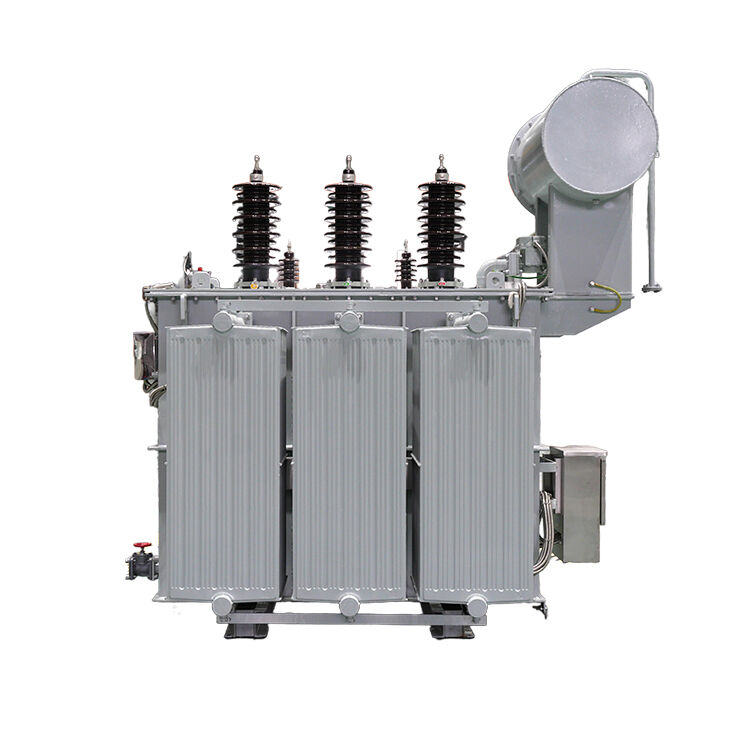
Power grid infrastructure relies heavily on robust electrical equipment designed to withstand decades of continuous operation. Among the most critical components are oil immersed transformers, which serve as the backbone of electrical transmission and distribution networks worldwide. These sophisticated devices must undergo comprehensive testing protocols to ensure they can deliver reliable performance throughout their operational lifespan. The testing procedures for oil immersed transformers encompass multiple phases, from initial manufacturing quality control to ongoing maintenance assessments that monitor their condition over time.
The complexity of modern electrical grids demands that oil immersed transformers maintain peak efficiency while operating under varying load conditions, environmental stresses, and electrical transients. Long-term grid operation introduces numerous challenges that can gradually degrade transformer components, making systematic testing essential for preventing unexpected failures. Understanding these testing methodologies helps utility companies and industrial facilities maintain power system reliability while optimizing maintenance schedules and replacement planning.
Factory Acceptance Testing Protocols
Electrical Performance Verification
Factory acceptance testing represents the first comprehensive evaluation of oil immersed transformers before they enter service. These tests verify that the transformer meets all specified electrical parameters and design requirements. Engineers conduct routine tests including turns ratio measurements, winding resistance assessments, and impedance calculations to confirm proper construction and electrical characteristics.
Insulation resistance testing forms a critical component of factory acceptance procedures, as it evaluates the integrity of the insulation system that protects against electrical failures. High voltage testing applies controlled electrical stress to verify that oil immersed transformers can withstand operational voltage levels plus appropriate safety margins. These tests help identify manufacturing defects or design weaknesses that could compromise long-term reliability.
Thermal and Mechanical Stress Assessment
Temperature rise tests simulate full-load operating conditions to verify that oil immersed transformers can dissipate heat effectively without exceeding design temperature limits. These evaluations measure hot spot temperatures in windings and monitor oil circulation patterns to ensure adequate cooling performance. Proper thermal management directly impacts transformer lifespan and operational efficiency.
Mechanical stress testing evaluates the structural integrity of transformer components under simulated transportation and operational forces. Short circuit withstand tests apply high current pulses that generate electromagnetic forces similar to those encountered during grid fault conditions. These assessments confirm that oil immersed transformers can withstand mechanical stresses without sustaining damage to internal components.
Dielectric Testing and Insulation Analysis
Oil Quality Assessment Procedures
The insulating oil in oil immersed transformers requires extensive testing to verify its dielectric properties and chemical stability. Dissolved gas analysis identifies trace gases that form when electrical or thermal stress causes oil degradation. This testing method can detect incipient faults before they develop into major failures, making it invaluable for long-term condition monitoring.
Breakdown voltage testing measures the dielectric strength of transformer oil under controlled conditions. Fresh oil must demonstrate sufficient breakdown voltage to provide adequate insulation between energized components and grounded surfaces. Water content analysis ensures that moisture levels remain within acceptable limits, as excessive water can significantly reduce insulation effectiveness and accelerate aging processes.
Insulation System Evaluation
Power factor testing evaluates the overall condition of the insulation system in oil immersed transformers by measuring dielectric losses under applied voltage. This non-destructive test can identify deterioration in paper insulation, oil contamination, or moisture ingress before these conditions lead to operational problems. Regular power factor measurements help track insulation aging trends over time.
Polarization index testing provides additional insights into insulation condition by comparing resistance measurements taken at different time intervals. This technique helps distinguish between temporary surface contamination and permanent insulation degradation in oil immersed transformers. The results guide maintenance decisions and help predict remaining insulation life.
Operational Performance Monitoring
Load Testing Under Service Conditions
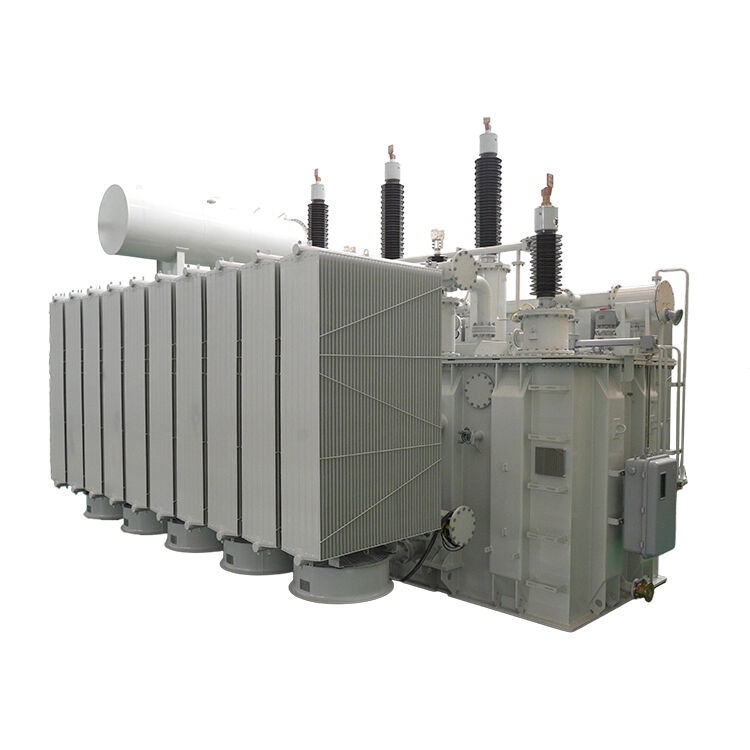
Operational load testing evaluates how oil immersed transformers perform under actual service conditions rather than controlled laboratory environments. These tests monitor voltage regulation, efficiency, and thermal performance while the transformer supplies real loads. Load testing reveals characteristics that may not be apparent during factory acceptance testing, particularly related to harmonic distortion and non-linear load effects.
Continuous monitoring systems track key parameters including oil temperature, winding temperature, and tap changer operation during load testing. This data helps establish baseline performance metrics for oil immersed transformers and identifies any deviations from expected behavior. Load testing also verifies that protection systems respond appropriately to overload conditions and fault scenarios.
Environmental Stress Testing
Environmental testing subjects oil immersed transformers to temperature cycles, humidity variations, and other atmospheric conditions they will encounter during service. These evaluations assess how environmental factors affect insulation properties, oil expansion, and component reliability over extended periods. Salt spray testing may be conducted for transformers destined for coastal installations where corrosion risks are elevated.
Vibration testing simulates the mechanical stresses that oil immersed transformers experience from nearby equipment, wind loading, or seismic activity. These tests verify that internal connections remain secure and that the tank structure can withstand operational vibrations without developing leaks or other mechanical problems. Proper vibration resistance ensures long-term structural integrity.
Long-Term Aging and Lifecycle Testing
Accelerated Aging Protocols
Accelerated aging tests simulate years of operational stress in compressed time periods to predict the long-term performance of oil immersed transformers. These procedures combine elevated temperature, electrical stress, and chemical exposure to accelerate normal aging processes. By analyzing how materials and components degrade under accelerated conditions, engineers can estimate service life and optimize maintenance intervals.
Paper insulation aging represents a critical factor in transformer longevity, as cellulose degradation products can compromise both mechanical and electrical properties. Accelerated aging tests monitor degree of polymerization changes in paper insulation and correlate these measurements with operational parameters. This data helps establish maintenance strategies that maximize the service life of oil immersed transformers.
Condition Monitoring Integration
Modern oil immersed transformers incorporate sophisticated monitoring systems that continuously assess operational parameters and component condition. These systems measure oil quality, partial discharge activity, and thermal performance to provide real-time insights into transformer health. Integration with grid management systems allows operators to make informed decisions about loading and maintenance scheduling.
Predictive maintenance algorithms analyze condition monitoring data to identify trends that may indicate developing problems in oil immersed transformers. Machine learning techniques help distinguish between normal operational variations and abnormal conditions that require attention. This approach enables proactive maintenance that prevents failures while avoiding unnecessary interventions.
Advanced Diagnostic Techniques
Partial Discharge Detection and Analysis
Partial discharge testing identifies electrical discharges that occur within the insulation system of oil immersed transformers without causing complete breakdown. These small electrical events can gradually erode insulation materials and eventually lead to catastrophic failures if left undetected. Advanced partial discharge detection systems use multiple sensors and sophisticated analysis techniques to locate and characterize discharge sources.
Acoustic monitoring complements electrical partial discharge detection by identifying the sound signatures produced by discharge activity within oil immersed transformers. This technique helps pinpoint the physical location of discharge sources and distinguish between different types of discharge phenomena. Combining electrical and acoustic measurements provides comprehensive partial discharge assessment capabilities.
Frequency Response Analysis
Frequency response analysis evaluates the mechanical integrity of transformer windings by measuring their response to applied voltage signals across a wide frequency range. This technique can detect winding deformation, core movement, or connection problems that may result from short circuit forces or transportation damage. Changes in frequency response patterns indicate mechanical alterations within oil immersed transformers.
Sweep frequency response analysis provides detailed information about the mechanical condition of transformer internals without requiring oil sampling or internal inspection. This non-invasive technique helps assess whether oil immersed transformers have sustained mechanical damage during shipping, installation, or operation. Regular frequency response measurements can track mechanical changes over time and guide maintenance decisions.
Testing Standards and Compliance Requirements
International Testing Standards
International standards organizations have developed comprehensive testing protocols for oil immersed transformers to ensure consistent quality and performance across manufacturers and applications. IEEE, IEC, and national standards bodies specify test procedures, acceptance criteria, and documentation requirements that govern transformer testing practices. Compliance with these standards ensures that oil immersed transformers meet minimum performance and safety requirements.
Type testing requirements establish the fundamental performance characteristics that oil immersed transformers must demonstrate through comprehensive testing programs. These tests include temperature rise verification, short circuit withstand capability, and insulation level confirmation. Type test results validate the design and manufacturing processes used to produce specific transformer models.
Regulatory Compliance and Certification
Regulatory agencies in different countries may impose additional testing requirements beyond international standards to address specific grid conditions or safety concerns. These requirements can include seismic qualification testing, environmental compliance verification, or enhanced fire safety assessments for oil immersed transformers. Manufacturers must navigate varying regulatory landscapes to achieve global market acceptance.
Third-party certification programs provide independent verification that oil immersed transformers meet applicable standards and regulations. Certified testing laboratories conduct witnessed tests and issue certificates that utilities and end users rely upon for equipment acceptance. This independent oversight helps maintain quality standards and provides assurance of transformer performance capabilities.
Future Testing Technologies and Innovations
Digital Testing and Remote Monitoring
Digital transformation is revolutionizing how oil immersed transformers are tested and monitored throughout their operational life. Internet of Things sensors enable continuous data collection and remote monitoring capabilities that provide unprecedented visibility into transformer condition and performance. Cloud-based analytics platforms process this data to identify patterns and predict maintenance needs.
Artificial intelligence algorithms are being developed to analyze testing data from oil immersed transformers and identify subtle indicators of developing problems. These systems can process vast amounts of operational data to recognize patterns that human operators might overlook. AI-driven diagnostics promise to improve the accuracy and timeliness of condition assessments for power transformers.
Advanced Materials Testing
Research into alternative insulating materials and cooling fluids is driving the development of new testing procedures for next-generation oil immersed transformers. Biodegradable insulating fluids require different testing protocols to assess their dielectric properties and environmental performance. Natural ester fluids and synthetic alternatives each present unique testing challenges and opportunities.
Nanotechnology applications in transformer materials are creating new testing requirements to evaluate the long-term stability and performance of enhanced insulation systems. These advanced materials may offer improved thermal conductivity, dielectric strength, or aging resistance compared to conventional materials used in oil immersed transformers. Testing protocols must evolve to properly assess these new material technologies.
FAQ
What is the typical testing duration for oil immersed transformers before deployment?
Factory acceptance testing for oil immersed transformers typically requires 2-4 weeks depending on the unit size and complexity. Routine tests can be completed within a few days, while comprehensive type testing programs may extend several months. Additional testing time may be required if any test results require investigation or equipment modifications.
How often should oil immersed transformers undergo maintenance testing during operation?
Most utilities perform annual oil analysis and basic electrical testing on oil immersed transformers, with more comprehensive assessments conducted every 5-10 years. Critical transformers may require more frequent testing, while units with condition monitoring systems may extend testing intervals based on continuous data analysis. Testing frequency should align with manufacturer recommendations and utility maintenance standards.
Can oil immersed transformers be tested while energized and in service?
Many diagnostic tests can be performed on energized oil immersed transformers without service interruption. These include oil sampling, dissolved gas analysis, thermal imaging, and partial discharge measurements. However, certain tests such as winding resistance and turns ratio measurements require the transformer to be de-energized for accurate results and safety reasons.
What testing methods best predict remaining service life for oil immersed transformers?
Dissolved gas analysis combined with oil quality assessment provides the most reliable indicators of remaining service life for oil immersed transformers. Paper insulation condition monitoring through degree of polymerization testing also offers valuable insights into aging processes. Comprehensive condition assessment programs that combine multiple testing techniques provide the most accurate service life predictions.
Table of Contents
- Factory Acceptance Testing Protocols
- Dielectric Testing and Insulation Analysis
- Operational Performance Monitoring
- Long-Term Aging and Lifecycle Testing
- Advanced Diagnostic Techniques
- Testing Standards and Compliance Requirements
- Future Testing Technologies and Innovations
-
FAQ
- What is the typical testing duration for oil immersed transformers before deployment?
- How often should oil immersed transformers undergo maintenance testing during operation?
- Can oil immersed transformers be tested while energized and in service?
- What testing methods best predict remaining service life for oil immersed transformers?