Auto Transformer: Efficient Voltage Regulation Solutions for Industrial Applications

Get a Free Quote

Our representative will contact you soon.
Email
WhatsApp/Mobile
Name
Company Name
Message
0/1000

an auto transformer

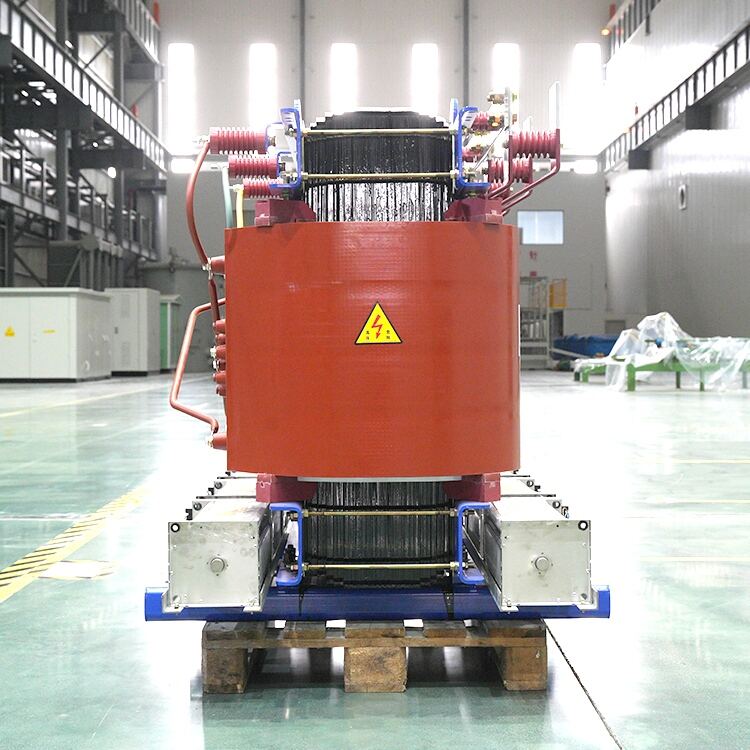
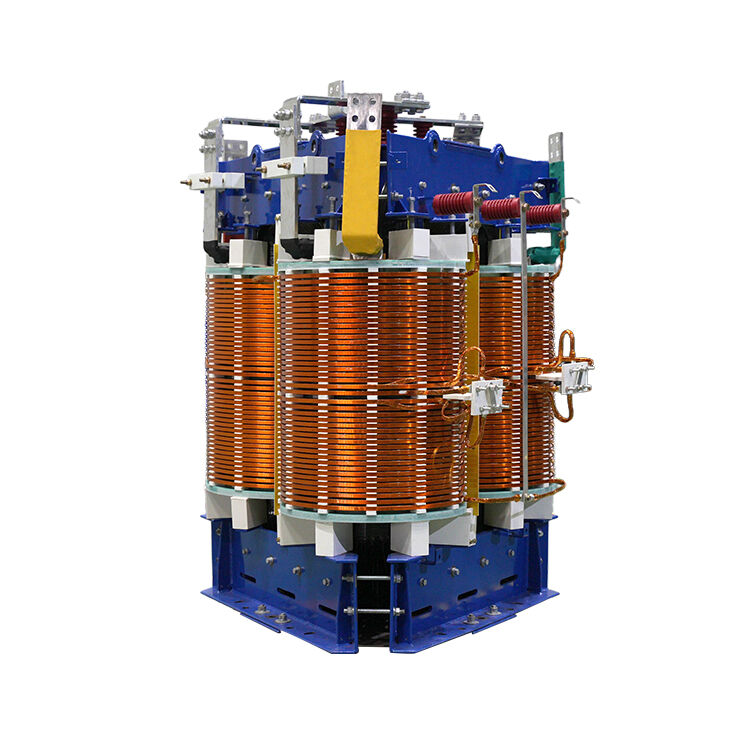
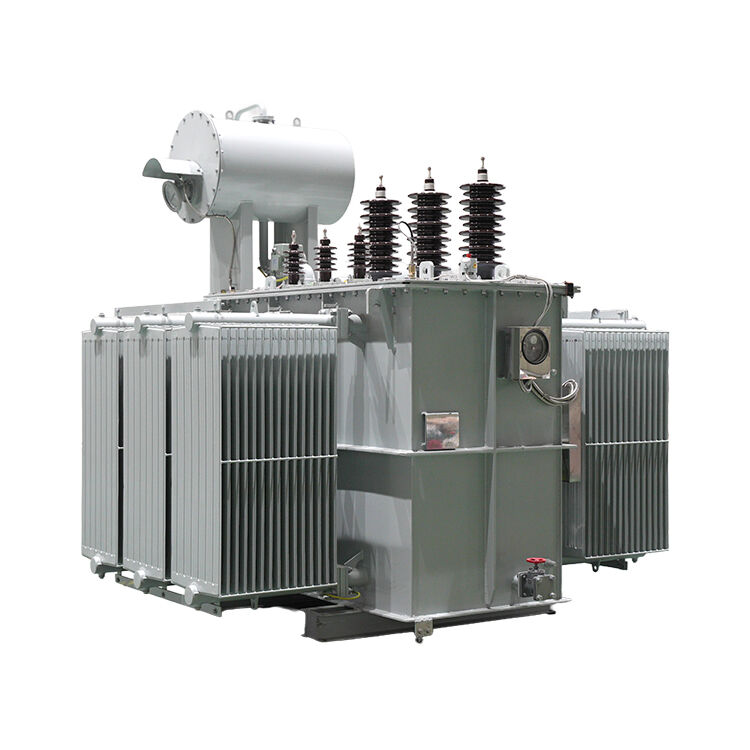
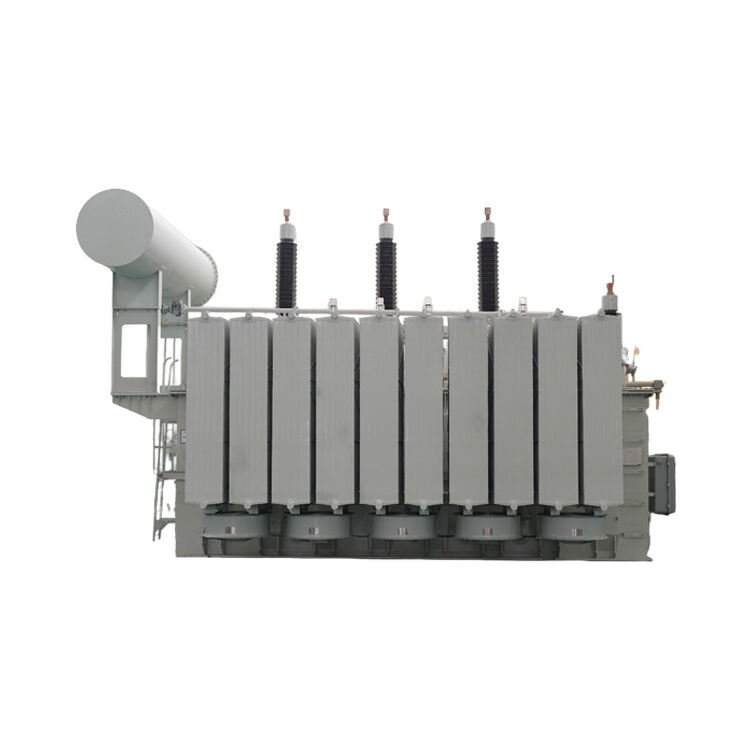
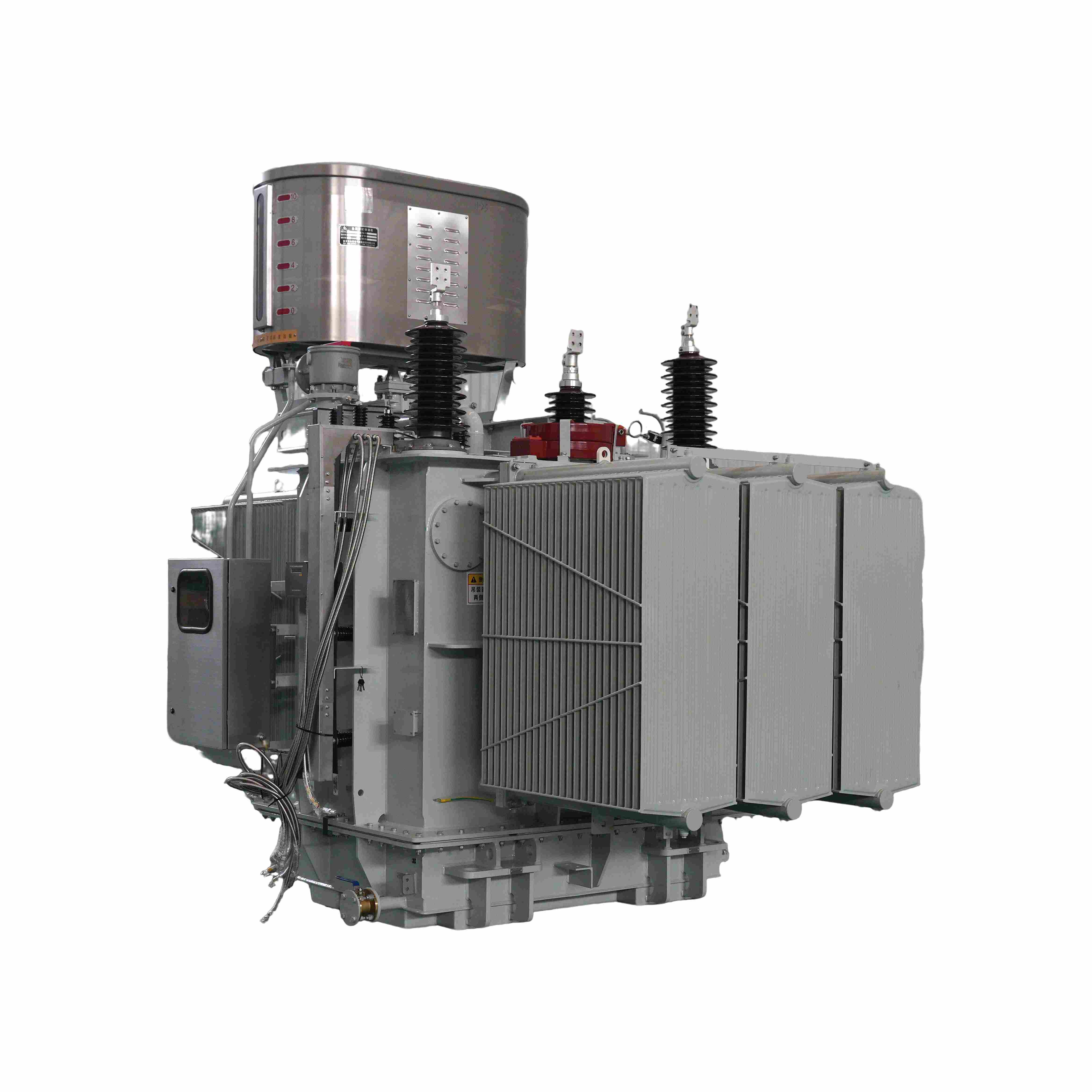
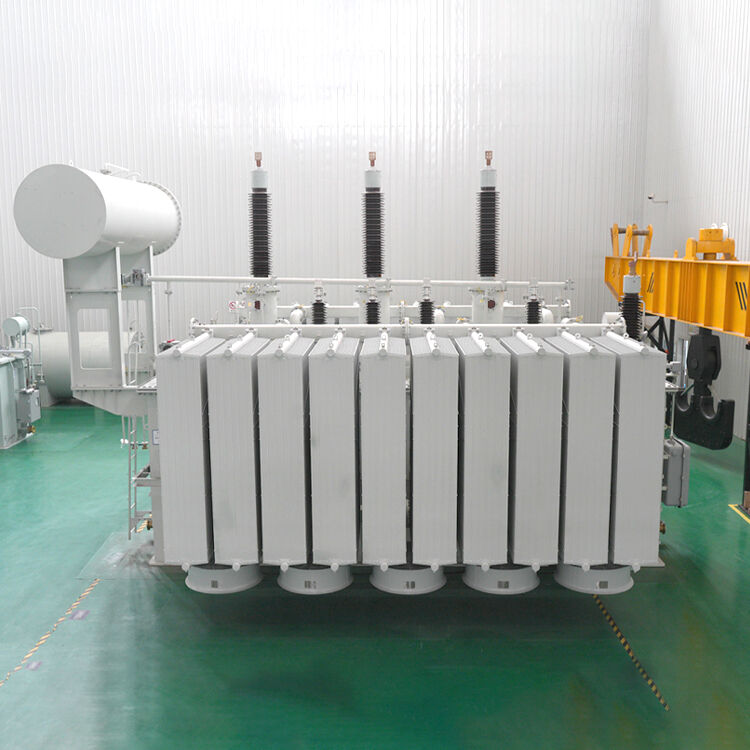
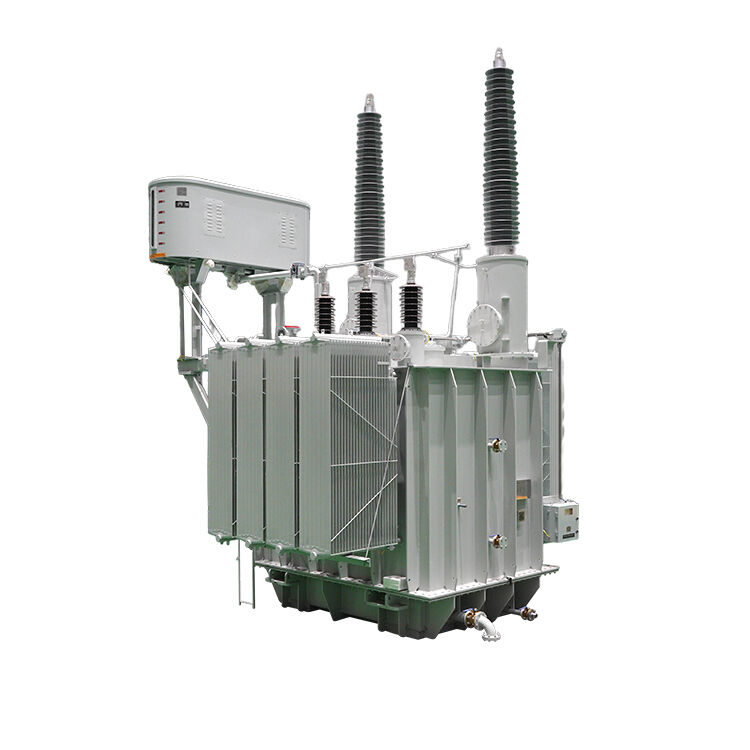
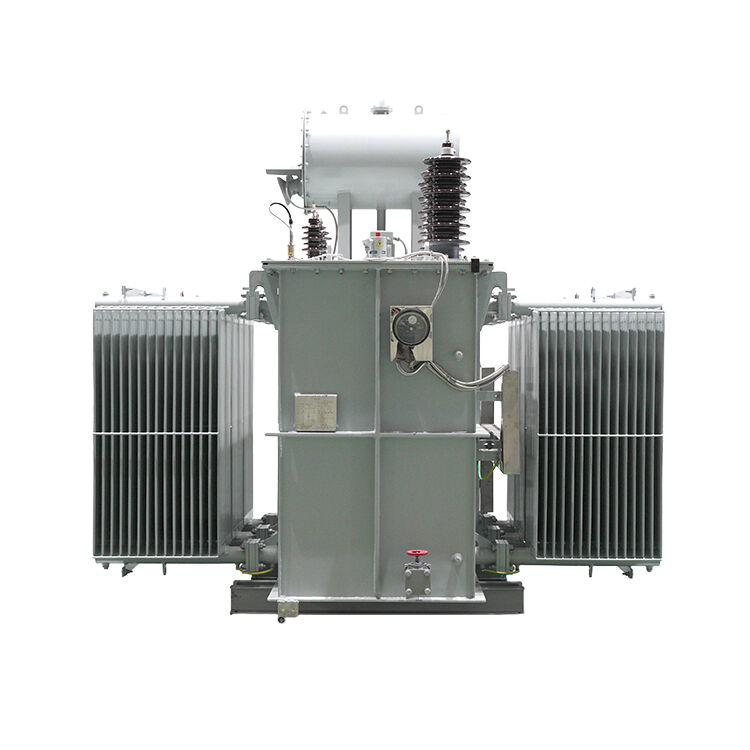
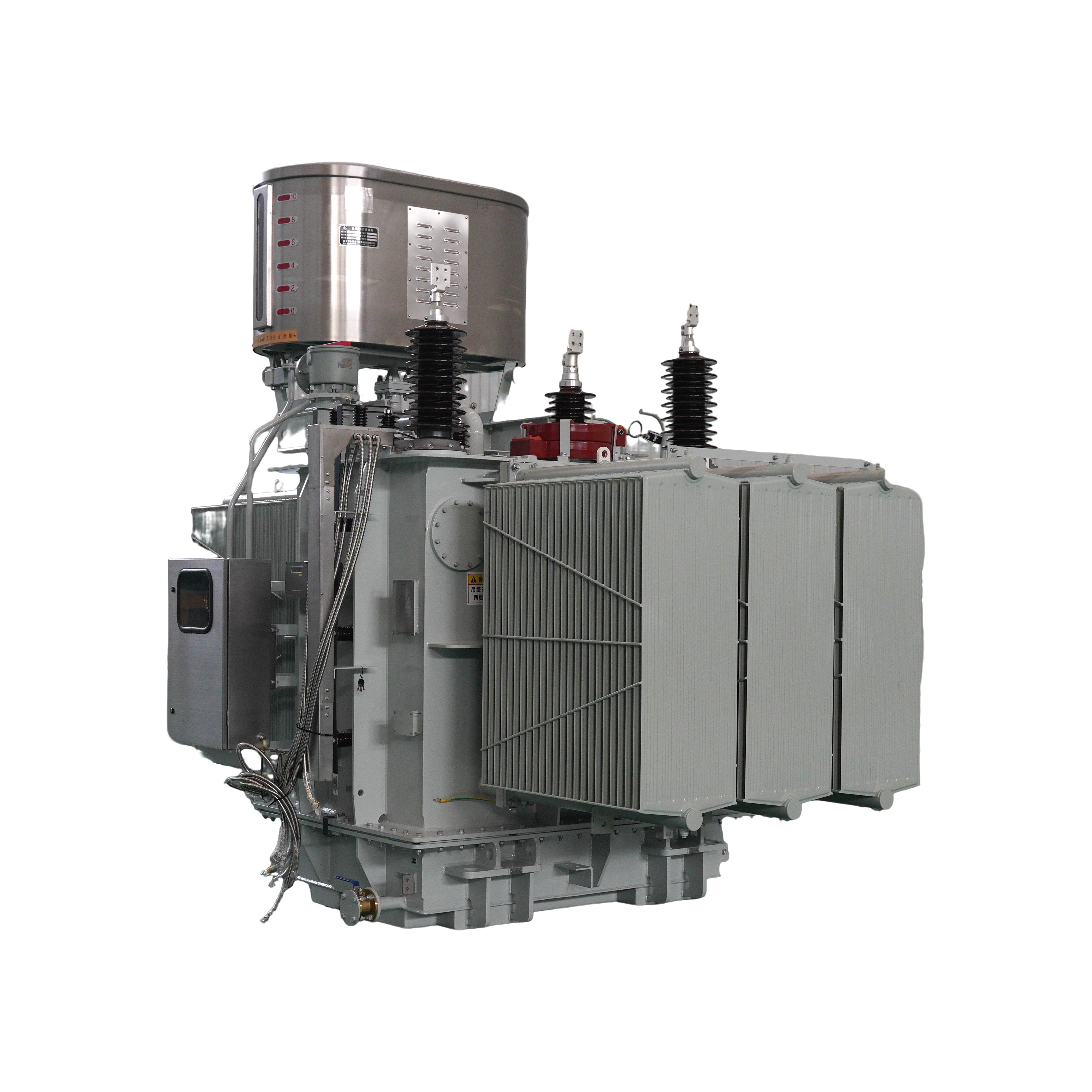
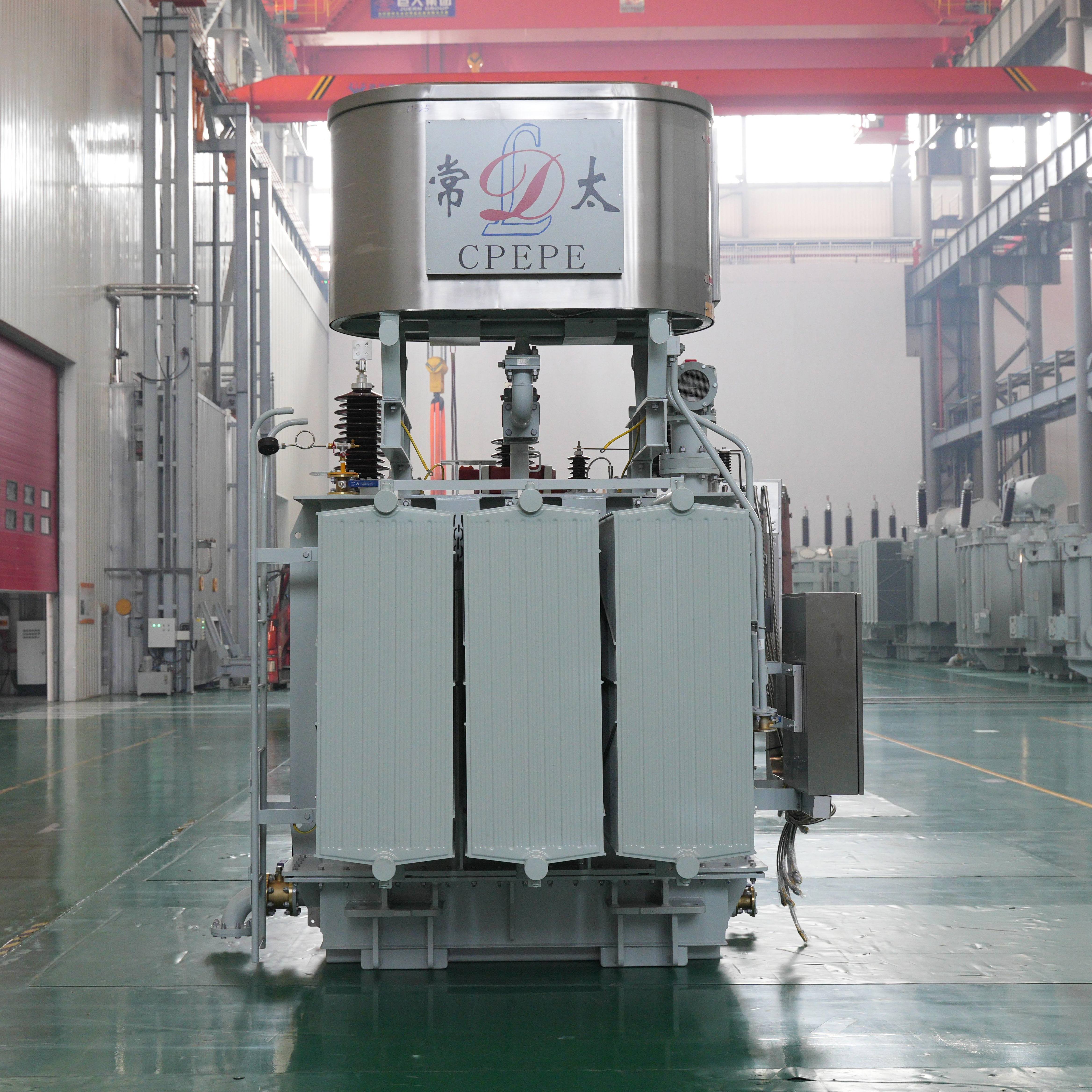
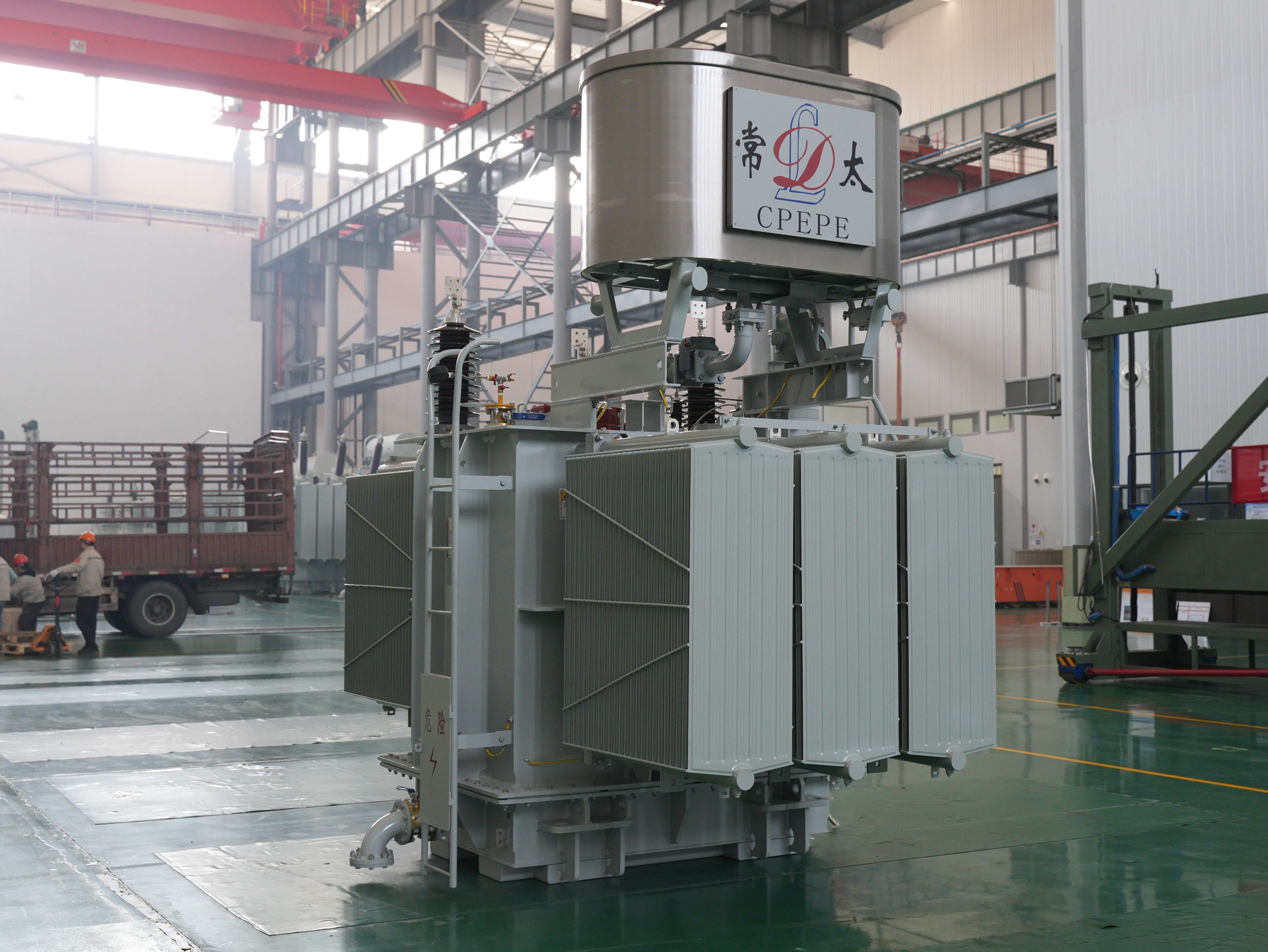
An auto transformer represents a specialized electrical device that operates as a voltage regulation system with unique single-winding construction. This innovative transformer design utilizes one continuous winding with multiple taps, allowing electrical current to flow through both primary and secondary circuits simultaneously. The fundamental principle behind an auto transformer involves electromagnetic induction, where voltage transformation occurs through the shared winding arrangement rather than separate isolated windings found in conventional transformers. The main functions of an auto transformer include voltage stepping up or down, power distribution optimization, and electrical isolation in specific applications. These devices excel in applications requiring moderate voltage adjustments, typically operating within voltage ratios ranging from 0.5 to 2.0 times the input voltage. The technological features of an auto transformer encompass compact design architecture, reduced material requirements, and enhanced efficiency ratings compared to traditional two-winding transformers. The shared winding configuration enables direct electrical connection between input and output circuits, facilitating superior power transfer capabilities. Auto transformer applications span diverse industries including power generation facilities, electrical distribution networks, motor starting systems, and voltage stabilization equipment. Manufacturing sectors frequently employ these transformers for machine operation, where precise voltage control ensures optimal equipment performance. The construction materials typically include high-grade silicon steel cores, copper or aluminum conductors, and specialized insulation systems designed to withstand electrical stress. Modern auto transformer designs incorporate advanced cooling mechanisms, protection systems, and monitoring capabilities that enhance operational reliability. These transformers demonstrate exceptional performance in three-phase power systems, where balanced load distribution maintains system stability. The versatility of an auto transformer makes it suitable for both indoor and outdoor installations, with weatherproof enclosures available for harsh environmental conditions. Energy efficiency remains a critical advantage, as the single-winding design minimizes copper losses and reduces overall power consumption during operation.

New Product Recommendations

The advantages of an auto transformer deliver significant practical benefits that directly impact operational costs and system performance for businesses across various industries. Cost-effectiveness stands as the primary advantage, as an auto transformer requires approximately 25-30% less copper material compared to conventional isolation transformers of equivalent capacity. This material reduction translates to lower initial purchase costs and reduced shipping expenses due to lighter weight construction. The compact design of an auto transformer occupies significantly less installation space, making it ideal for facilities with limited room for electrical equipment. Space savings become particularly valuable in urban environments where real estate costs remain high and every square foot counts toward operational efficiency. Energy efficiency represents another compelling advantage, with an auto transformer typically achieving 98-99% efficiency ratings under normal operating conditions. Higher efficiency means lower energy losses, resulting in reduced electricity bills and improved environmental sustainability. The superior efficiency stems from the single-winding design that eliminates interwinding losses common in traditional transformers. Maintenance requirements remain minimal for an auto transformer, as the simplified construction reduces potential failure points and extends operational lifespan. Fewer components mean lower maintenance costs and reduced downtime for scheduled servicing. The direct electrical connection between primary and secondary circuits enables better voltage regulation, maintaining stable output voltage even when input voltage fluctuates. This voltage stability protects sensitive electronic equipment and ensures consistent performance of connected machinery. Quick response time represents another practical benefit, as an auto transformer responds faster to load changes compared to isolation transformers. Rapid response improves system stability and prevents voltage sags that could damage expensive equipment. The shared winding design allows for easy voltage adjustment through tap changing mechanisms, providing flexibility for varying operational requirements. Installation simplicity reduces labor costs, as an auto transformer typically requires fewer connections and less complex wiring arrangements. The reduced weight facilitates easier handling during installation and potential relocation. Temperature rise characteristics remain favorable, with an auto transformer generating less heat during operation due to reduced losses. Lower operating temperatures extend component life and reduce cooling system requirements. These practical advantages combine to deliver measurable return on investment through reduced operational expenses, improved reliability, and enhanced system performance that directly benefits bottom-line profitability for businesses seeking efficient electrical solutions.

Latest News

What Is a Transformer and How Does It Improve Power System Efficiency?

02

Jan

What Is a Transformer and How Does It Improve Power System Efficiency?

A transformer represents one of the most critical components in modern electrical power systems, serving as the backbone for efficient energy transmission and distribution across vast networks. These electromagnetic devices enable the seamless conver...
View More
How Does a Transformer Work in High Voltage Power Transmission?

08

Jan

How Does a Transformer Work in High Voltage Power Transmission?

High voltage power transmission systems form the backbone of modern electrical grids, enabling electricity to travel efficiently across vast distances. At the heart of these complex networks lies the power transformer, a crucial piece of equipment th...
View More
Why Are Transformers Critical for Industrial Power Distribution Systems?

14

Jan

Why Are Transformers Critical for Industrial Power Distribution Systems?

Industrial power distribution systems form the backbone of modern manufacturing, commercial facilities, and critical infrastructure operations. At the heart of these complex networks lies a fundamental component that ensures safe, efficient, and reli...
View More
What Should Utilities Consider When Selecting a Transformer Supplier?

26

Jan

What Should Utilities Consider When Selecting a Transformer Supplier?

Selecting the right supplier for power infrastructure represents one of the most critical decisions utility companies face in today's rapidly evolving energy landscape. The process of choosing a power transformer supplier requires careful evaluation ...
View More

Get a Free Quote

Our representative will contact you soon.
Email
WhatsApp/Mobile
Name
Company Name
Message
0/1000

an auto transformer

Superior Energy Efficiency and Cost Savings

Superior Energy Efficiency and Cost Savings

The energy efficiency advantage of an auto transformer delivers substantial cost savings that directly impact operational budgets and long-term profitability. Unlike traditional isolation transformers that experience significant energy losses through separate primary and secondary windings, an auto transformer achieves remarkable efficiency ratings of 98-99% under standard operating conditions. This exceptional efficiency stems from the unique single-winding design that eliminates interwinding losses and reduces magnetic flux leakage. The shared winding configuration allows electrical energy to transfer more directly between input and output circuits, minimizing power dissipation as heat. For industrial facilities operating large electrical loads continuously, these efficiency gains translate to thousands of dollars in annual energy savings. The reduced energy consumption also contributes to lower carbon footprint, supporting corporate sustainability initiatives and environmental compliance requirements. Manufacturing plants utilizing an auto transformer for motor starting applications report significant reductions in demand charges, as the improved power factor reduces reactive power requirements. The efficiency advantage becomes more pronounced under varying load conditions, where an auto transformer maintains high efficiency across a broad operating range. This characteristic proves particularly valuable for facilities with fluctuating power demands throughout daily operations. The thermal efficiency of an auto transformer reduces cooling system requirements, as less heat generation means lower ambient temperature rise in electrical rooms. Reduced cooling loads translate to additional energy savings on HVAC systems, creating compound cost benefits. The efficiency advantage also extends equipment lifespan, as lower operating temperatures reduce thermal stress on insulation materials and connection points. Long-term reliability improvements reduce replacement costs and minimize production interruptions. Energy audits consistently demonstrate that facilities upgrading to an auto transformer design achieve rapid payback periods, typically recovering initial investment costs within 18-24 months through energy savings alone. The cumulative effect of improved efficiency, reduced maintenance requirements, and extended equipment life creates substantial total cost of ownership advantages that make an auto transformer an intelligent investment for forward-thinking organizations prioritizing operational efficiency and cost control.
Compact Design and Space Optimization

Compact Design and Space Optimization

The compact design advantage of an auto transformer revolutionizes space utilization in electrical installations while maintaining superior performance characteristics. Traditional isolation transformers require substantial floor space and mounting structures due to their dual-winding construction and associated cooling requirements. In contrast, an auto transformer achieves equivalent power handling capacity in approximately 60-70% of the physical footprint, making it ideal for space-constrained environments. This size reduction stems from the single-winding design that eliminates one complete set of windings while maintaining voltage transformation capabilities. The reduced core size and simplified construction enable manufacturers to create more compact units without compromising electrical performance. Urban industrial facilities particularly benefit from this space efficiency, where expensive real estate costs make every square foot valuable. The smaller footprint of an auto transformer allows for installation in existing electrical rooms without requiring costly facility expansions or modifications. Manufacturing plants can optimize floor space allocation, dedicating saved area to production equipment rather than electrical infrastructure. The reduced weight of an auto transformer, typically 40-50% lighter than comparable isolation transformers, simplifies installation procedures and reduces structural support requirements. Building load calculations benefit from this weight reduction, potentially eliminating expensive structural reinforcements. The compact design facilitates easier maintenance access, as technicians can service an auto transformer in tighter spaces while maintaining proper safety clearances. Modular installation becomes more feasible, allowing facilities to implement distributed power systems that bring transformation closer to load centers. This proximity reduces transmission losses and improves voltage regulation. The space optimization advantage extends to outdoor installations, where an auto transformer requires smaller concrete pads and reduced fencing perimeters. Environmental impact assessments favor compact designs that minimize land use requirements and reduce visual impact on surrounding areas. Transportation costs decrease significantly due to reduced dimensions and weight, enabling more units per shipment and lower logistics expenses. The compact nature of an auto transformer supports modular expansion strategies, where facilities can add capacity incrementally without major infrastructure overhauls. This flexibility proves invaluable for growing businesses that need to scale electrical capacity efficiently while maintaining operational continuity and controlling capital expenditures.
Enhanced Voltage Regulation and System Stability

Enhanced Voltage Regulation and System Stability

The voltage regulation superiority of an auto transformer provides critical system stability benefits that protect sensitive equipment and maintain consistent operational performance across diverse applications. Unlike isolation transformers that experience voltage drops due to winding impedance and magnetic coupling losses, an auto transformer delivers exceptional voltage regulation through its direct electrical connection between input and output circuits. This direct connection minimizes impedance effects and reduces voltage variations under changing load conditions. The shared winding design enables an auto transformer to maintain output voltage within ±2% of nominal values, even when input voltage fluctuates significantly. This tight voltage regulation protects expensive electronic equipment from damage caused by voltage sags or surges that could result in costly repairs and production downtime. Industrial processes requiring precise voltage control, such as semiconductor manufacturing or precision machining, benefit tremendously from the stable power delivery of an auto transformer. The enhanced regulation characteristics prove particularly valuable in areas with unstable utility power, where grid voltage variations could otherwise disrupt sensitive operations. Motor starting applications demonstrate significant improvements with an auto transformer, as the stable voltage delivery ensures consistent torque characteristics and prevents motor damage from voltage irregularities. The superior regulation extends equipment lifespan by eliminating voltage stress that accelerates insulation degradation and component wear. Power quality monitoring systems consistently show improved total harmonic distortion levels when an auto transformer provides voltage regulation, as the stable voltage reference reduces harmonic generation from variable speed drives and electronic loads. The fast response time of an auto transformer to load changes maintains system stability during transient conditions, preventing voltage oscillations that could propagate throughout electrical distribution systems. This stability becomes crucial in facilities with large motor loads or frequent load switching, where voltage disturbances could affect multiple production lines simultaneously. The regulation advantage supports power factor improvement initiatives, as stable voltage conditions enable power factor correction equipment to operate more effectively. Utility demand charge reductions often result from improved power factor performance facilitated by stable voltage delivery. The enhanced regulation capabilities of an auto transformer enable facilities to operate closer to voltage limits, maximizing power transfer capacity without risking equipment damage from overvoltage conditions. This optimization translates to improved productivity and reduced energy costs while maintaining system reliability and safety standards.

Get a Free Quote

Our representative will contact you soon.
Email
WhatsApp/Mobile
Name
Company Name
Message
0/1000