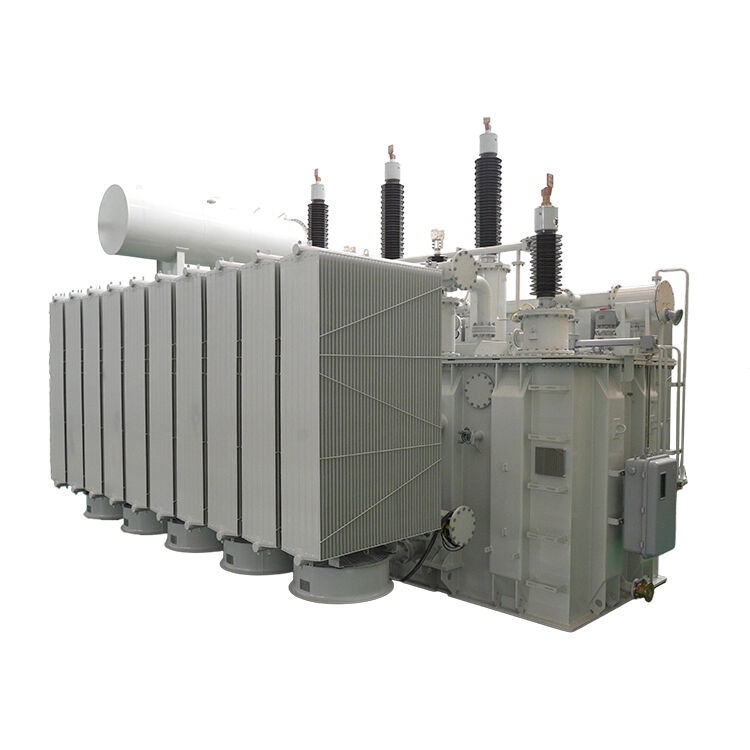
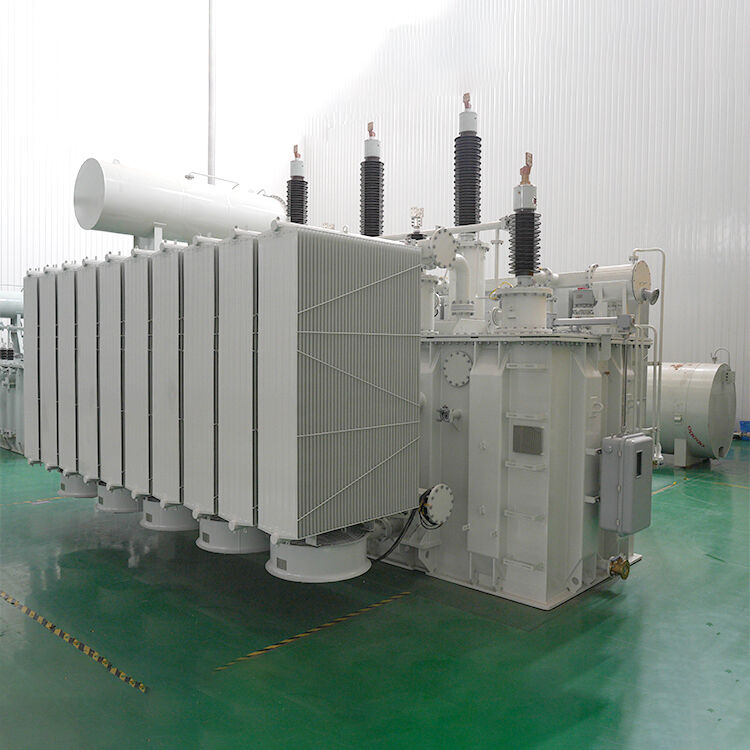
High-Performance Electrical Power Transformers - Efficient Voltage Conversion Solutions

Get a Free Quote

Our representative will contact you soon.
Email
WhatsApp/Mobile
Name
Company Name
Message
0/1000

electrical power transformers

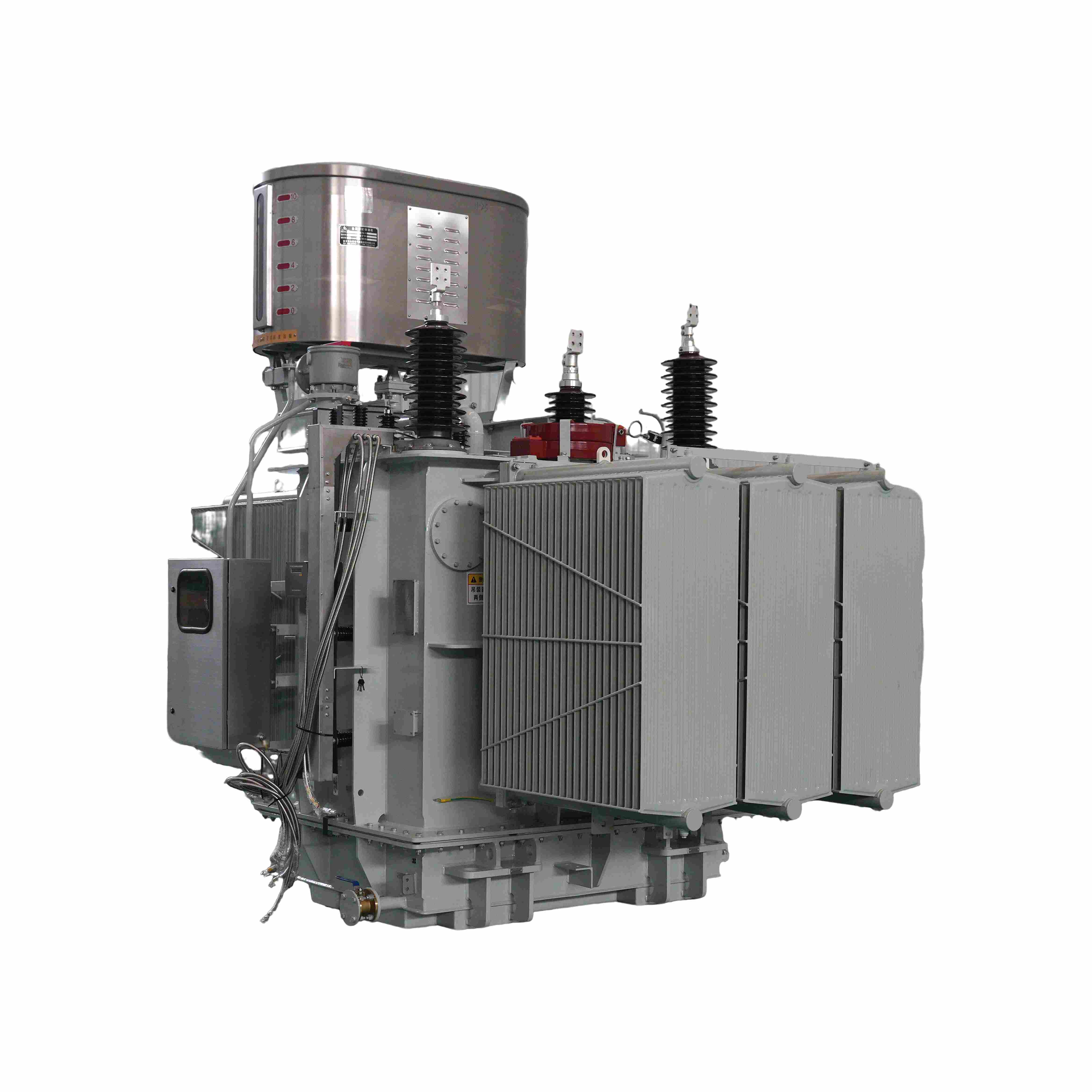
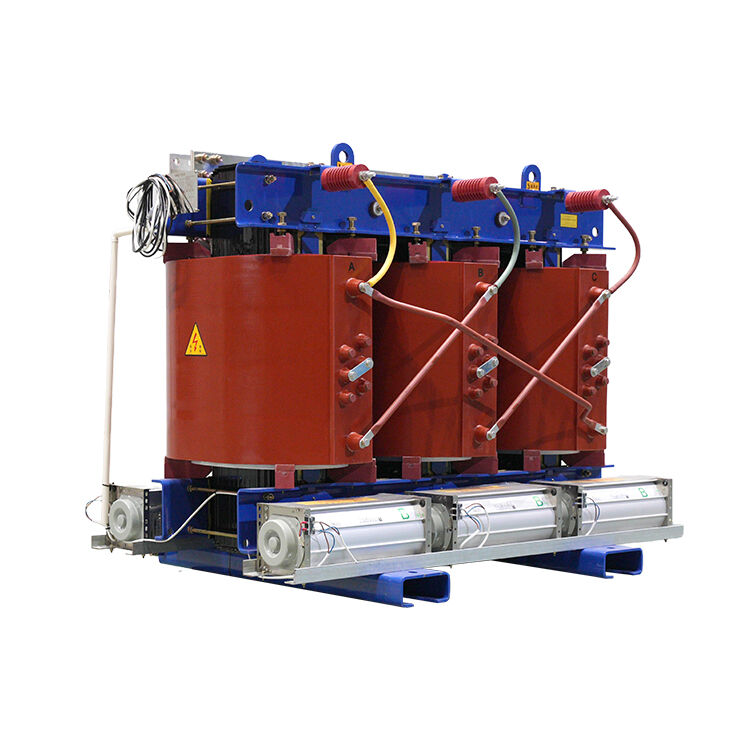
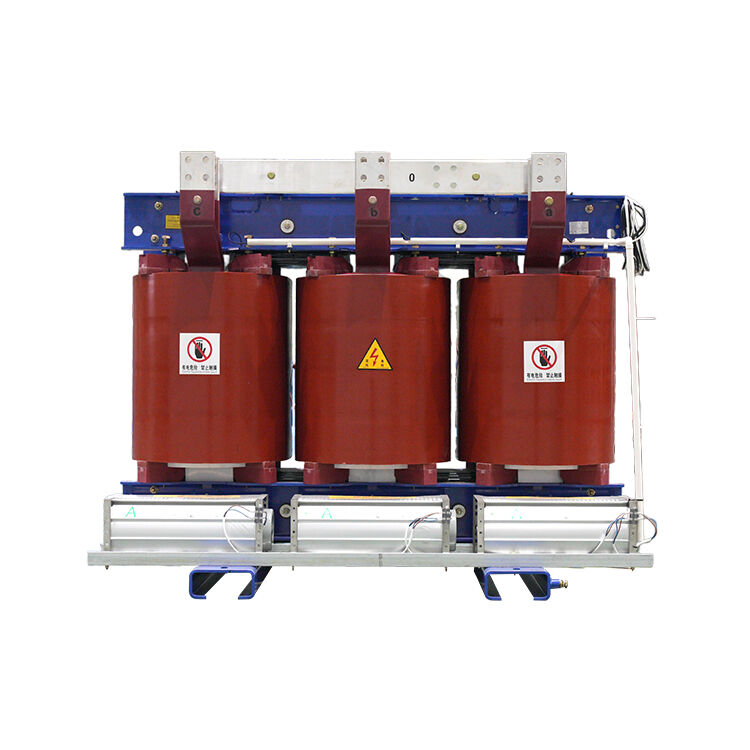
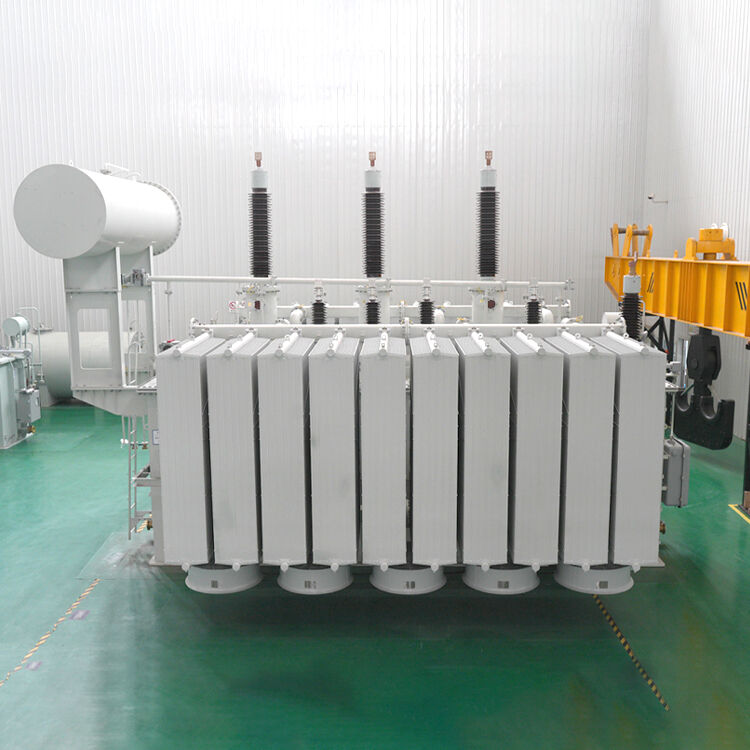
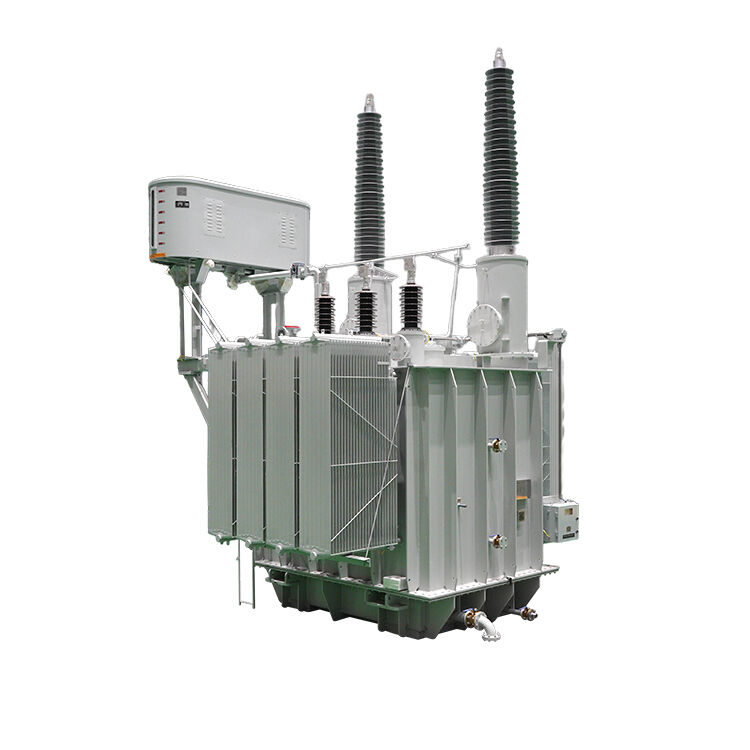
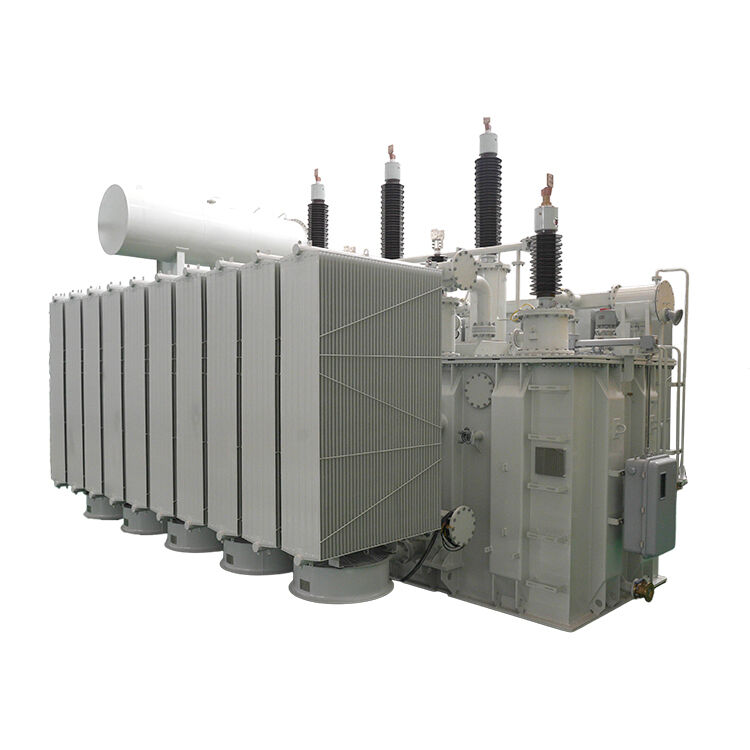
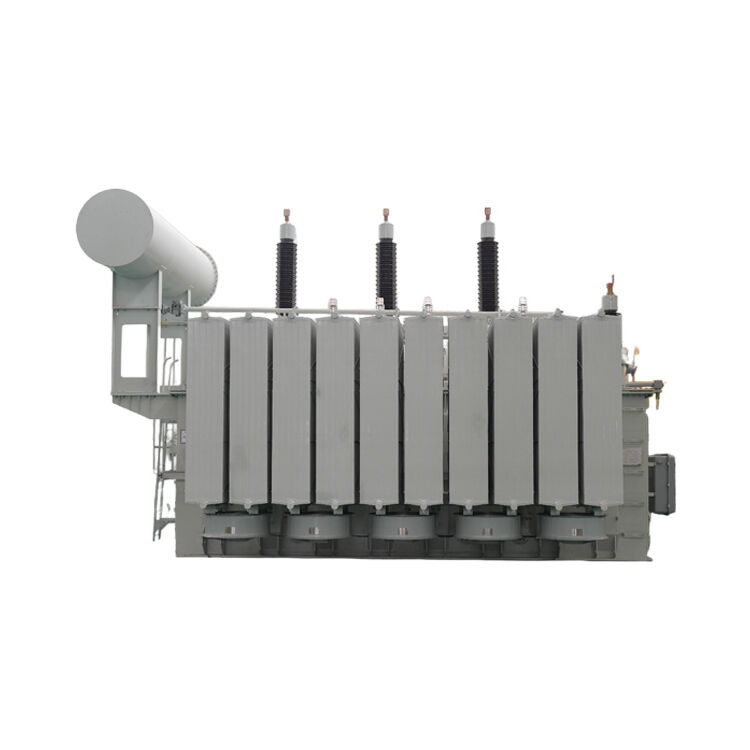
Electrical power transformers represent critical components in modern electrical infrastructure, serving as the backbone of power distribution systems worldwide. These sophisticated devices operate on the fundamental principle of electromagnetic induction to modify voltage levels while maintaining power consistency throughout electrical networks. The primary function of electrical power transformers involves stepping voltage up or down depending on transmission requirements, enabling efficient electricity distribution from generation facilities to end consumers. These units utilize two or more electromagnetically coupled coils, known as windings, wrapped around a ferromagnetic core to achieve voltage transformation. The core construction typically employs high-grade silicon steel laminations that minimize energy losses and enhance operational efficiency. Modern electrical power transformers incorporate advanced insulation systems using mineral oil or synthetic fluids that provide both cooling and electrical insulation properties. Temperature monitoring systems, pressure relief devices, and tap changers represent standard technological features that ensure reliable operation under varying load conditions. The cooling mechanisms range from natural air circulation to forced oil circulation with air or water cooling, depending on power ratings and installation requirements. Electrical power transformers find extensive applications across multiple sectors, including utility power grids, industrial manufacturing facilities, commercial buildings, and renewable energy installations. Distribution transformers serve residential neighborhoods, while transmission transformers handle high-voltage long-distance power transfer. Industrial applications encompass steel mills, chemical plants, mining operations, and data centers requiring stable power supply. Railway systems utilize specialized electrical power transformers for traction applications, while offshore platforms employ marine-grade units designed for harsh environmental conditions. The integration of smart grid technologies has enhanced transformer monitoring capabilities, enabling predictive maintenance and real-time performance optimization. Modern electrical power transformers also support renewable energy integration by facilitating connections between solar farms, wind installations, and existing electrical networks.

New Product Releases

Electrical power transformers deliver exceptional energy efficiency rates exceeding 98 percent, significantly reducing operational costs for businesses and utilities. This remarkable efficiency translates directly into lower electricity bills and reduced environmental impact through decreased energy waste. The robust construction of electrical power transformers ensures decades of reliable service life, often exceeding 30 years with proper maintenance protocols. This longevity provides exceptional return on investment while minimizing replacement costs and system downtime. Modern electrical power transformers incorporate advanced protection systems that automatically respond to fault conditions, preventing damage to connected equipment and ensuring personnel safety. These protective features include overcurrent protection, thermal monitoring, and gas detection systems that immediately isolate faulty units. The modular design of contemporary electrical power transformers allows for easy maintenance and component replacement without requiring complete system shutdown. This accessibility reduces maintenance costs and minimizes operational disruptions during service intervals. Electrical power transformers provide precise voltage regulation capabilities, maintaining stable output levels regardless of input fluctuations or load variations. This voltage stability protects sensitive electronic equipment and ensures consistent performance across all connected devices. The compact footprint of modern electrical power transformers maximizes installation flexibility while minimizing space requirements in both indoor and outdoor applications. Advanced cooling systems enable higher power densities without compromising performance or reliability standards. Electrical power transformers support seamless integration with renewable energy sources, facilitating the transition to sustainable power generation while maintaining grid stability. The standardized design and testing protocols ensure compatibility across different manufacturers and applications. Real-time monitoring capabilities enable predictive maintenance strategies that prevent unexpected failures and extend equipment lifespan. Digital communication interfaces allow remote monitoring and control, reducing the need for on-site personnel and enabling faster response times to operational issues. The proven track record of electrical power transformers in diverse applications demonstrates their versatility and reliability across various industries and environmental conditions. Investment in quality electrical power transformers provides long-term cost savings through reduced maintenance requirements, lower energy losses, and extended service life compared to inferior alternatives.

Latest News

What Is a Transformer and How Does It Improve Power System Efficiency?

02

Jan

What Is a Transformer and How Does It Improve Power System Efficiency?

A transformer represents one of the most critical components in modern electrical power systems, serving as the backbone for efficient energy transmission and distribution across vast networks. These electromagnetic devices enable the seamless conver...
View More
How Does a Transformer Work in High Voltage Power Transmission?

08

Jan

How Does a Transformer Work in High Voltage Power Transmission?

High voltage power transmission systems form the backbone of modern electrical grids, enabling electricity to travel efficiently across vast distances. At the heart of these complex networks lies the power transformer, a crucial piece of equipment th...
View More
Why Are Transformers Critical for Industrial Power Distribution Systems?

14

Jan

Why Are Transformers Critical for Industrial Power Distribution Systems?

Industrial power distribution systems form the backbone of modern manufacturing, commercial facilities, and critical infrastructure operations. At the heart of these complex networks lies a fundamental component that ensures safe, efficient, and reli...
View More
How Do Transformers Support Grid Stability in Large-Scale Power Networks?

20

Jan

How Do Transformers Support Grid Stability in Large-Scale Power Networks?

Large-scale power networks form the backbone of modern electrical infrastructure, requiring sophisticated equipment to maintain stability and reliability across vast geographical areas. Power transformers play a crucial role in these complex systems ...
View More

Get a Free Quote

Our representative will contact you soon.
Email
WhatsApp/Mobile
Name
Company Name
Message
0/1000

electrical power transformers

Superior Energy Efficiency and Cost Reduction

Superior Energy Efficiency and Cost Reduction

Electrical power transformers deliver industry-leading energy efficiency ratings that directly impact operational expenses and environmental sustainability. Modern electrical power transformers achieve efficiency levels exceeding 98 percent, meaning less than two percent of transmitted energy is lost during voltage transformation processes. This exceptional efficiency stems from advanced core materials, optimized winding designs, and sophisticated cooling systems that minimize resistive and magnetic losses. The financial impact of this efficiency becomes substantial over the transformer's operational lifetime, particularly for high-capacity units handling significant power loads. Organizations utilizing efficient electrical power transformers can reduce their electricity costs by thousands of dollars annually while contributing to carbon footprint reduction goals. The superior efficiency of electrical power transformers also reduces heat generation, which extends component lifespan and decreases cooling requirements. This thermal efficiency translates into lower maintenance costs and reduced risk of premature failure due to overheating conditions. Advanced materials used in modern electrical power transformers, including high-grade silicon steel cores and copper windings, further enhance efficiency while ensuring long-term reliability. The cumulative effect of these efficiency improvements results in substantial cost savings that often justify the initial investment within the first few years of operation. Additionally, many utility companies offer incentives for installing high-efficiency electrical power transformers, further improving the economic benefits. The environmental advantages of efficient electrical power transformers align with corporate sustainability initiatives and regulatory compliance requirements. Energy-efficient electrical power transformers also contribute to grid stability by reducing transmission losses and improving overall system performance. The combination of immediate cost savings, long-term financial benefits, and environmental responsibility makes investing in high-efficiency electrical power transformers a strategic decision for forward-thinking organizations seeking sustainable growth and operational excellence.
Unmatched Reliability and Service Life

Unmatched Reliability and Service Life

Electrical power transformers demonstrate exceptional reliability and longevity that makes them indispensable components in critical power infrastructure applications. These robust units are engineered to operate continuously for decades, with many electrical power transformers exceeding 40 years of service life when properly maintained and operated within design parameters. The construction of electrical power transformers utilizes premium materials and time-tested manufacturing processes that ensure consistent performance under diverse operating conditions. High-quality insulation systems protect internal components from electrical stress and environmental factors, while advanced cooling mechanisms prevent thermal damage during peak load periods. The reliability of electrical power transformers stems from conservative design margins that allow operation well below maximum stress levels, significantly reducing the probability of component failure. Comprehensive testing protocols verify the performance of electrical power transformers before installation, including impulse testing, temperature rise testing, and dielectric strength verification. These rigorous quality assurance measures ensure that each unit meets or exceeds industry standards for reliability and safety. Predictive maintenance technologies integrated into modern electrical power transformers enable early detection of potential issues before they result in service interruptions. Dissolved gas analysis, thermal monitoring, and vibration assessment provide valuable insights into transformer condition and remaining service life. The modular construction of electrical power transformers facilitates component replacement and system upgrades without requiring complete unit replacement, extending operational life and reducing lifecycle costs. Redundant protection systems built into electrical power transformers provide multiple layers of fault detection and isolation, preventing cascading failures that could affect connected equipment. The proven track record of electrical power transformers in demanding applications such as steel mills, hospitals, and data centers demonstrates their ability to maintain reliable operation under critical conditions. This reliability translates into reduced insurance costs, improved system availability, and enhanced customer satisfaction for organizations depending on stable power supply for their operations.
Versatile Applications and Seamless Integration

Versatile Applications and Seamless Integration

Electrical power transformers offer unparalleled versatility in addressing diverse power distribution requirements across multiple industries and applications. These adaptable units seamlessly integrate into existing electrical infrastructure while providing the flexibility to accommodate future expansion and modification needs. The wide range of available configurations allows electrical power transformers to serve applications from small commercial buildings to massive industrial complexes and utility substations. Standard electrical power transformers handle routine distribution tasks, while specialized units address unique requirements such as arc furnace supply, rectifier applications, and renewable energy integration. The modular design approach of modern electrical power transformers enables customization of voltage ratios, connection types, and protective features to match specific application requirements. This flexibility eliminates the need for costly system modifications and ensures optimal performance across diverse operating conditions. Electrical power transformers support both indoor and outdoor installations with appropriate enclosures and environmental protection systems designed for local climate conditions. The compatibility of electrical power transformers with smart grid technologies facilitates integration with advanced monitoring and control systems that optimize grid performance and reliability. These units seamlessly connect renewable energy sources such as solar panels and wind turbines to existing distribution networks, supporting the transition to sustainable energy systems. The standardized interfaces and communication protocols of electrical power transformers ensure compatibility with various control systems and monitoring platforms used throughout the industry. Installation flexibility allows electrical power transformers to adapt to space constraints and aesthetic requirements in urban environments while maintaining full functionality. The scalable nature of electrical power transformers enables phased implementation of power system upgrades, allowing organizations to spread capital investments over time while maintaining operational continuity. Advanced protection and control features built into electrical power transformers provide seamless coordination with other protective devices in the electrical system, ensuring selective operation during fault conditions. The proven interoperability of electrical power transformers with diverse equipment from multiple manufacturers simplifies procurement and reduces compatibility concerns during system design and implementation phases.

Get a Free Quote

Our representative will contact you soon.
Email
WhatsApp/Mobile
Name
Company Name
Message
0/1000