HV MV Transformer Solutions: Advanced High-Medium Voltage Power Distribution Equipment

Get a Free Quote

Our representative will contact you soon.
Email
WhatsApp/Mobile
Name
Company Name
Message
0/1000

hv mv transformer

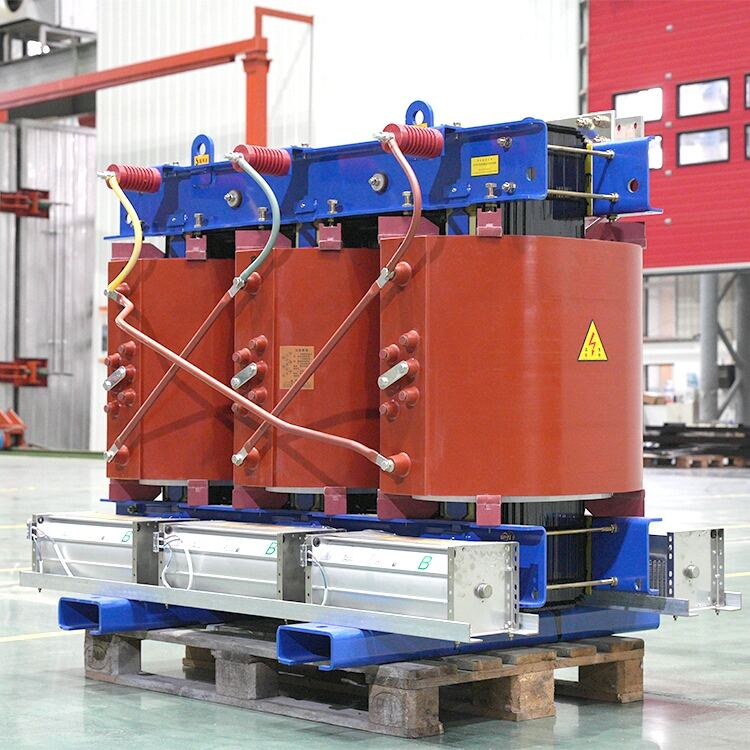
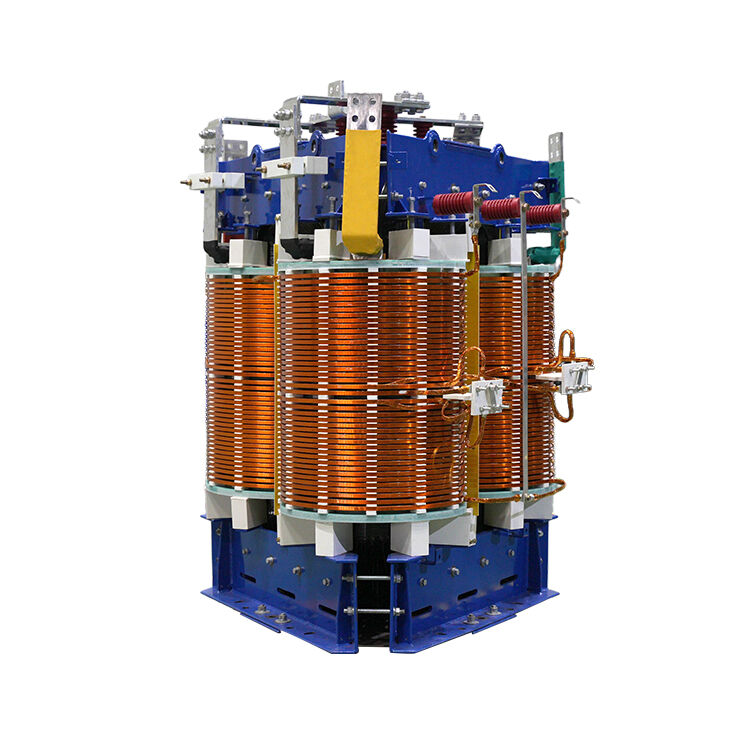
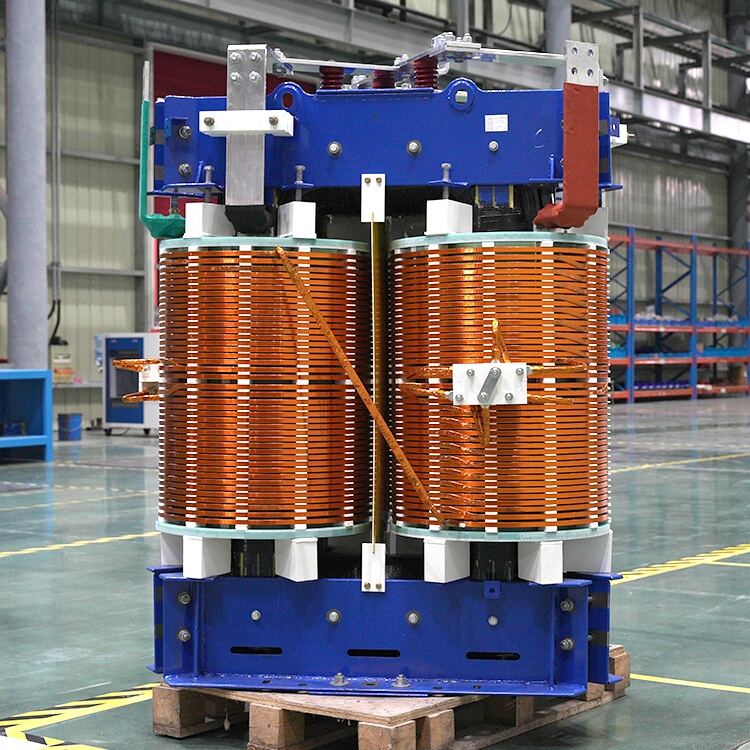
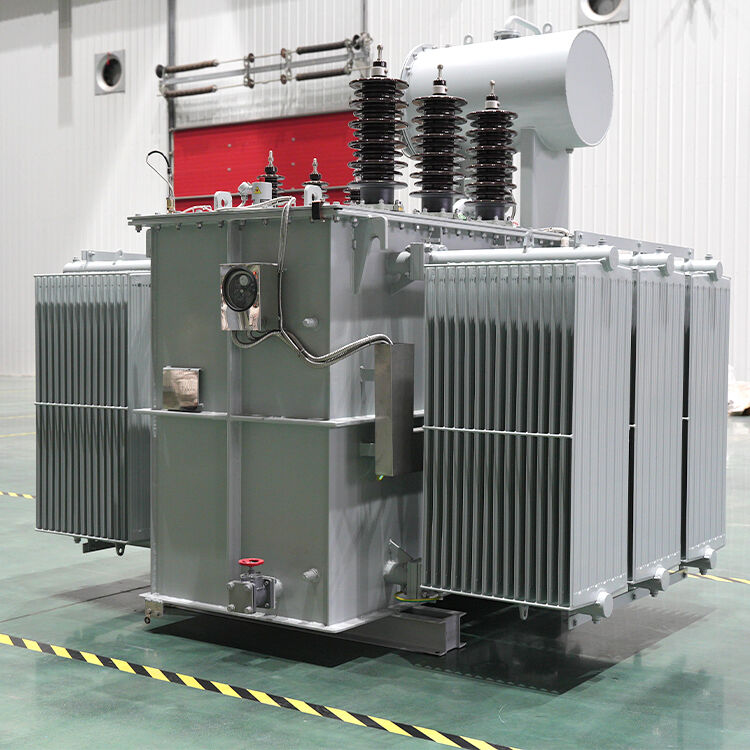
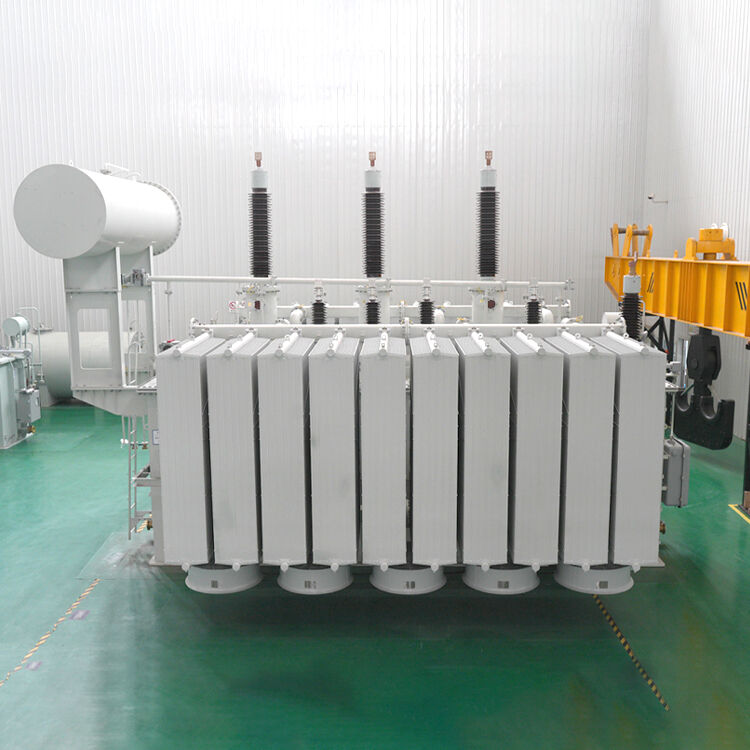
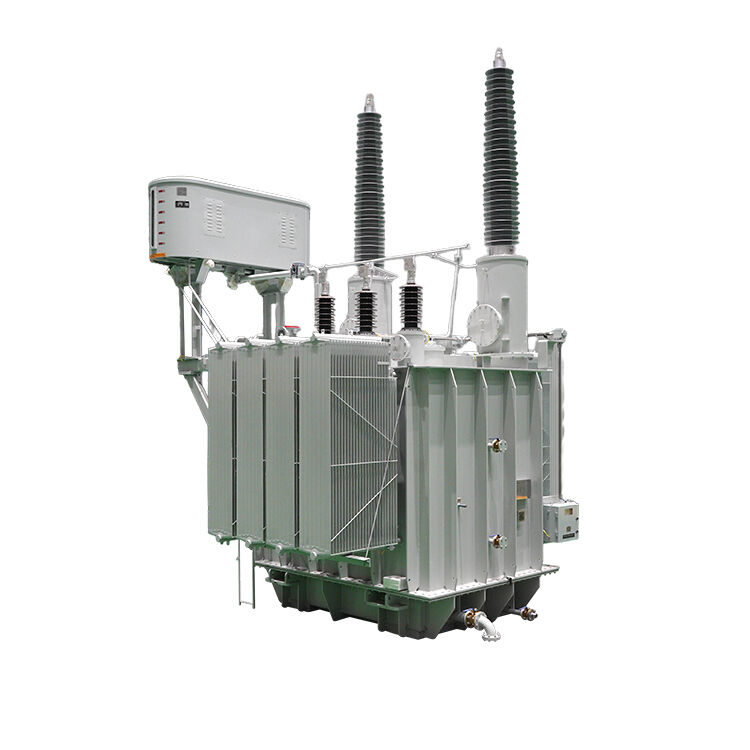
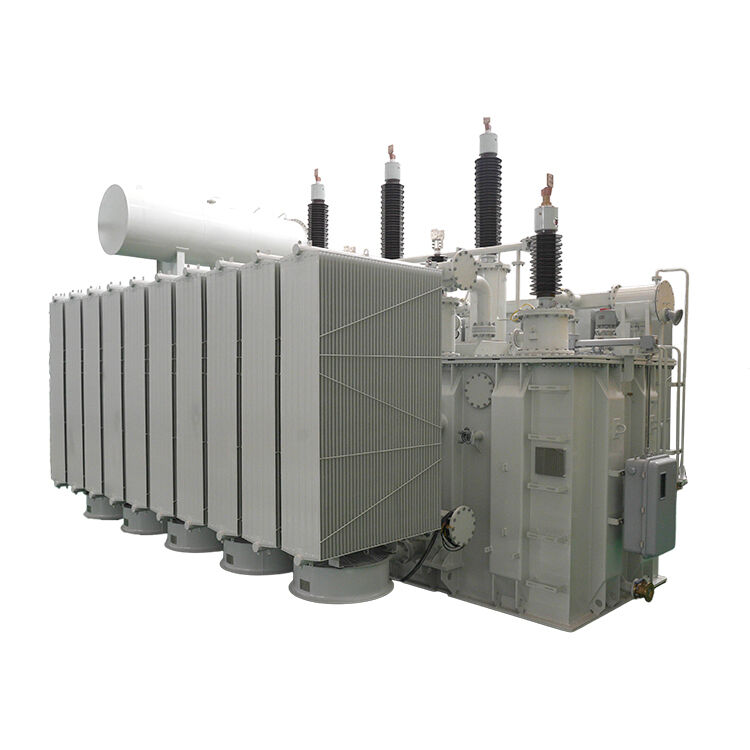
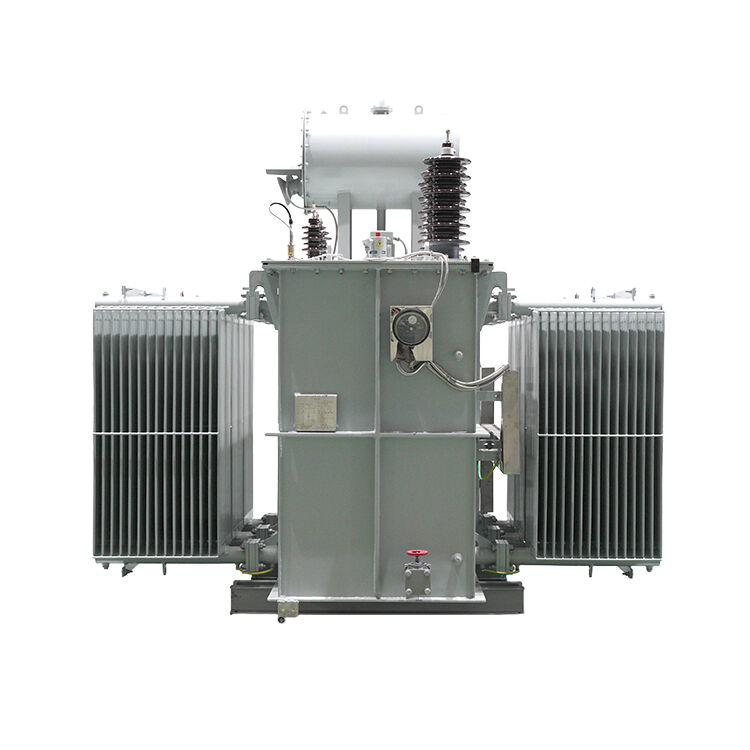
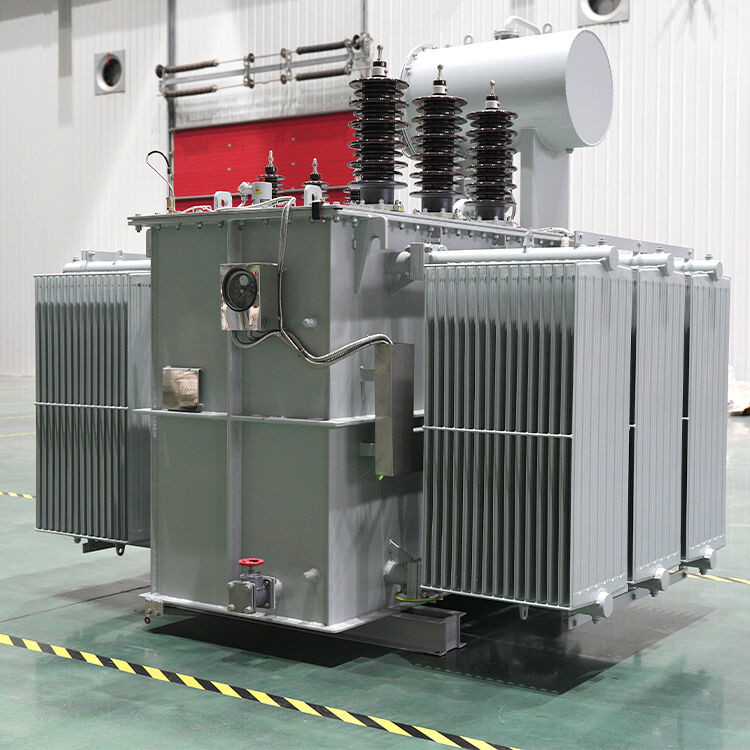
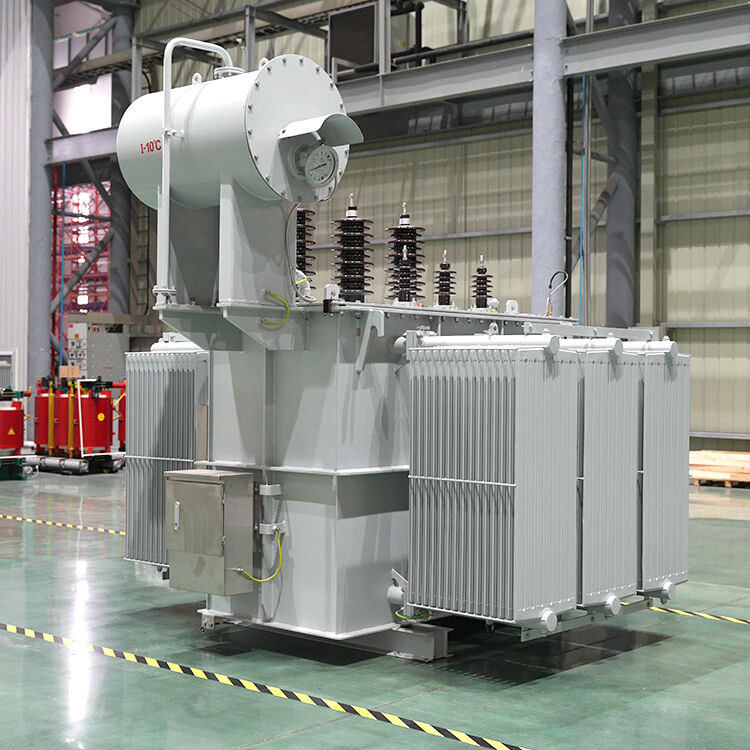
The hv mv transformer represents a critical component in electrical power distribution systems, serving as the essential link between high voltage transmission networks and medium voltage distribution infrastructure. This sophisticated electrical equipment operates by converting high voltage electricity, typically ranging from 35kV to 138kV, down to medium voltage levels between 4kV and 35kV, enabling safe and efficient power distribution to industrial facilities, commercial complexes, and residential areas. The hv mv transformer utilizes electromagnetic induction principles through its core-and-winding design, featuring primary windings connected to high voltage sources and secondary windings that deliver medium voltage output. Modern hv mv transformer units incorporate advanced insulation systems, including oil-filled or dry-type insulation technologies that ensure reliable operation under varying environmental conditions. These transformers feature robust construction with high-grade silicon steel cores that minimize energy losses while maximizing magnetic flux efficiency. The cooling systems in hv mv transformer designs range from natural air cooling for smaller units to forced air or oil circulation cooling for larger installations. Protection mechanisms include temperature monitoring, pressure relief systems, and fault detection circuits that safeguard the hv mv transformer from overloads and short circuits. Digital monitoring capabilities in contemporary hv mv transformer models provide real-time operational data, enabling predictive maintenance and optimal performance tracking. The voltage regulation features ensure stable output despite fluctuations in input voltage or load conditions. Installation flexibility allows hv mv transformer units to be deployed in various configurations, including pad-mounted, pole-mounted, or substation arrangements. Environmental considerations in hv mv transformer design include noise reduction technologies and eco-friendly insulation materials that comply with international environmental standards.

New Products

The hv mv transformer delivers exceptional reliability that translates directly into reduced downtime and lower operational costs for businesses and utilities. This reliability stems from robust engineering that withstands harsh environmental conditions, power surges, and mechanical stresses that commonly affect electrical equipment. Users benefit from consistent power quality that protects sensitive equipment and maintains operational efficiency across connected systems. The hv mv transformer provides superior energy efficiency ratings that significantly reduce electricity costs over the equipment's operational lifespan. Advanced core materials and optimized winding configurations minimize power losses, ensuring more electrical energy reaches end users rather than being wasted as heat. This efficiency improvement can result in substantial cost savings, particularly for high-capacity installations where even small percentage improvements translate to significant financial benefits. Maintenance requirements for hv mv transformer units are notably lower compared to alternative power distribution solutions. The sealed design and high-quality components reduce the frequency of service interventions, while diagnostic capabilities enable condition-based maintenance scheduling that prevents unexpected failures. This proactive approach to maintenance extends equipment life and reduces total ownership costs. Installation versatility makes the hv mv transformer suitable for diverse applications and site conditions. Whether deployed in urban substations with space constraints or rural installations with different environmental challenges, these transformers adapt to specific requirements without compromising performance. The modular design approach allows for easy expansion or modification as power demands change. Safety features integrated into hv mv transformer designs protect both equipment and personnel. Comprehensive protection systems prevent dangerous fault conditions, while user-friendly interfaces reduce the risk of operational errors. Clear labeling and standardized connections minimize installation and maintenance risks. The hv mv transformer offers excellent scalability options that accommodate growing power demands without requiring complete system replacements. This scalability provides long-term value by allowing incremental capacity additions as needs evolve. Financial benefits extend beyond initial cost savings to include reduced insurance premiums due to improved safety ratings and lower risk profiles associated with modern hv mv transformer installations.

Practical Tips

How Does a Transformer Work in High Voltage Power Transmission?

08

Jan

How Does a Transformer Work in High Voltage Power Transmission?

High voltage power transmission systems form the backbone of modern electrical grids, enabling electricity to travel efficiently across vast distances. At the heart of these complex networks lies the power transformer, a crucial piece of equipment th...
View More
Why Are Transformers Critical for Industrial Power Distribution Systems?

14

Jan

Why Are Transformers Critical for Industrial Power Distribution Systems?

Industrial power distribution systems form the backbone of modern manufacturing, commercial facilities, and critical infrastructure operations. At the heart of these complex networks lies a fundamental component that ensures safe, efficient, and reli...
View More
How Do Transformers Support Grid Stability in Large-Scale Power Networks?

20

Jan

How Do Transformers Support Grid Stability in Large-Scale Power Networks?

Large-scale power networks form the backbone of modern electrical infrastructure, requiring sophisticated equipment to maintain stability and reliability across vast geographical areas. Power transformers play a crucial role in these complex systems ...
View More
What Should Utilities Consider When Selecting a Transformer Supplier?

26

Jan

What Should Utilities Consider When Selecting a Transformer Supplier?

Selecting the right supplier for power infrastructure represents one of the most critical decisions utility companies face in today's rapidly evolving energy landscape. The process of choosing a power transformer supplier requires careful evaluation ...
View More

Get a Free Quote

Our representative will contact you soon.
Email
WhatsApp/Mobile
Name
Company Name
Message
0/1000

hv mv transformer

Advanced Insulation Technology for Maximum Safety and Performance

Advanced Insulation Technology for Maximum Safety and Performance

The hv mv transformer incorporates cutting-edge insulation technology that sets new standards for electrical safety and operational performance in power distribution applications. This advanced insulation system utilizes multiple layers of protection, combining liquid dielectric materials with solid insulation barriers to create an exceptionally robust defense against electrical faults and environmental stresses. The sophisticated design prevents electrical breakdown even under extreme conditions, ensuring continuous operation during voltage surges, temperature fluctuations, and moisture exposure that typically challenge conventional transformer designs. The insulation technology in hv mv transformer units features self-healing properties that automatically repair minor electrical stress damage, extending service life significantly beyond traditional alternatives. This self-healing capability occurs when small electrical discharges create temporary pathways through the insulation material, which then seal themselves when the fault condition clears, preventing permanent damage accumulation. Temperature resistance characteristics of the hv mv transformer insulation system enable operation in environments ranging from arctic cold to desert heat without degradation in electrical properties. The thermal stability ensures consistent dielectric strength across all operating conditions, maintaining safety margins that protect both equipment and personnel. Moisture resistance built into the hv mv transformer insulation prevents water ingress that commonly causes transformer failures in humid or flood-prone areas. Sealed construction with advanced gasket materials creates barriers against environmental contamination while allowing for thermal expansion and contraction. Chemical resistance properties protect the hv mv transformer from industrial pollutants, salt spray in coastal installations, and other corrosive substances that can compromise insulation integrity over time. The insulation system meets or exceeds international safety standards, providing assurance for regulatory compliance and insurance requirements. Testing protocols for hv mv transformer insulation include high-voltage stress tests, thermal aging assessments, and environmental exposure simulations that verify long-term reliability under real-world conditions.
Smart Monitoring and Diagnostic Capabilities for Predictive Maintenance

Smart Monitoring and Diagnostic Capabilities for Predictive Maintenance

The hv mv transformer features comprehensive smart monitoring systems that revolutionize maintenance practices through real-time data collection and advanced diagnostic capabilities. These intelligent monitoring features continuously track critical operational parameters including temperature, voltage, current, power factor, and harmonic distortion levels, providing unprecedented visibility into transformer health and performance characteristics. The smart monitoring system in hv mv transformer installations utilizes sophisticated sensors strategically positioned throughout the equipment to capture detailed operational data that enables predictive maintenance strategies. Temperature sensors monitor winding temperatures, oil temperatures, and ambient conditions to prevent overheating scenarios that could damage the hv mv transformer. Current sensors detect load imbalances, overcurrent conditions, and unusual current patterns that may indicate developing problems requiring attention. Voltage monitoring capabilities track input and output voltage levels, identifying regulation issues and power quality problems before they affect connected equipment. The diagnostic algorithms integrated into hv mv transformer monitoring systems analyze collected data to identify trends and patterns that predict component wear, insulation degradation, and other age-related changes. This predictive capability enables maintenance teams to schedule interventions during planned outages rather than responding to emergency failures that disrupt operations and increase costs. Communication interfaces in modern hv mv transformer units provide remote access to monitoring data through ethernet connections, wireless communications, or fiber optic links that integrate with existing network infrastructure. Data logging capabilities store historical performance information that supports long-term trend analysis and helps optimize operating parameters for maximum efficiency and longevity. Alert systems automatically notify operators when monitored parameters exceed predetermined thresholds, enabling rapid response to developing problems. The monitoring data from hv mv transformer installations supports compliance reporting for regulatory requirements and provides documentation for warranty claims and insurance purposes. Integration with building management systems and SCADA networks allows the hv mv transformer to participate in comprehensive facility monitoring and control strategies.
Exceptional Load Handling and Voltage Regulation Performance

Exceptional Load Handling and Voltage Regulation Performance

The hv mv transformer delivers outstanding load handling capabilities combined with precise voltage regulation that ensures stable power delivery across varying operational conditions and demand patterns. This exceptional performance stems from advanced core design utilizing high-grade electrical steel that provides superior magnetic properties while minimizing core losses that typically reduce efficiency in transformer operations. The load handling capacity of hv mv transformer units accommodates both steady-state conditions and dynamic load changes without compromising voltage stability or introducing harmful harmonics into the electrical system. Overload capability built into hv mv transformer designs allows temporary operation above rated capacity during peak demand periods, providing valuable flexibility for system operators managing variable loads. This overload tolerance prevents system disruptions during high-demand situations while maintaining safety margins that protect equipment integrity. The voltage regulation performance of hv mv transformer installations maintains output voltage within tight tolerances despite significant variations in input voltage or load conditions. This regulation accuracy protects sensitive electronic equipment from voltage fluctuations that can cause operational problems, data corruption, or premature component failure. Tap changing mechanisms in hv mv transformer designs provide fine-tuning capabilities that optimize voltage levels for specific installation requirements and changing system conditions. These tap changers can be manually adjusted during maintenance periods or automatically controlled through electronic systems that respond to real-time voltage measurements. Harmonic mitigation features integrated into hv mv transformer designs reduce distortion levels in the electrical system, improving power quality for connected loads. These features include special winding configurations and core materials that minimize harmonic generation while filtering existing harmonics from the input power supply. Short circuit withstand capability ensures the hv mv transformer remains undamaged during fault conditions, maintaining system integrity and reducing replacement costs associated with fault-related failures. Dynamic response characteristics enable the hv mv transformer to quickly adapt to sudden load changes, maintaining voltage stability during motor starting, capacitor switching, and other transient events that challenge power system stability. The load management capabilities support both balanced three-phase loads and accommodate single-phase loads that might create system imbalances in other transformer designs.

Get a Free Quote

Our representative will contact you soon.
Email
WhatsApp/Mobile
Name
Company Name
Message
0/1000