 EN
EN
সঠিকটি বেছে নেওয়া ডিস্ট্রিবিউশন ট্রান্সফর্মার যেকোনো বৈদ্যুতিক অবকাঠামো প্রকল্পে সবচেয়ে গুরুত্বপূর্ণ সিদ্ধান্তগুলির মধ্যে একটি। ভুলভাবে নির্দিষ্ট করা একটি বিতরণ ট্রান্সফরমার শক্তি ক্ষতি, যন্ত্রপাতির ব্যর্থতা, ব্যয়বহুল অপারেশন বন্ধ এবং এমনকি সাইটে নিরাপত্তা ঝুঁকির কারণ হতে পারে। আপনি যদি একটি বাণিজ্যিক উন্নয়ন, একটি শিল্প সুবিধা বা একটি ইউটিলিটি-স্কেল গ্রিড আপগ্রেড পরিচালনা করছেন, তবে প্রকল্পের শুরুতেই নির্বাচন প্রক্রিয়াটি স্পষ্ট প্রযুক্তিগত এবং কার্যকরী মাপদণ্ডের উপর ভিত্তি করে হওয়া আবশ্যিক।
বিতরণ ট্রান্সফরমার মাঝারি ভোল্টেজ স্থানান্তর নেটওয়ার্ক এবং শেষ ব্যবহারকারীদের শক্তি প্রদানকারী নিম্ন ভোল্টেজ সার্কিটের মধ্যে একটি গুরুত্বপূর্ণ সংযোগস্থল। যেহেতু একটি বিতরণ ট্রান্সফরমারকে দশক ধরে নির্ভরযোগ্যভাবে কাজ করতে হয়, তাই অসম্পূর্ণ মাপকাঠির ভিত্তিতে ভুল ইউনিট নির্বাচন করলে সময়ের সাথে সাথে সমস্যাগুলি ক্রমাগত বৃদ্ধি পায়। এই নিবন্ধটি প্রকল্প প্রকৌশলী, ক্রয় বিশেষজ্ঞ এবং সুবিধা পরিকল্পনাকারীদের জন্য তাদের প্রকল্পের জন্য বিতরণ ট্রান্সফরমার নির্দিষ্ট করার সময় যেসব মূল নির্বাচন মাপকাঠি মূল্যায়ন করা উচিত, সেগুলি বর্ণনা করে।
ভোল্টেজ অনুপাত এবং ক্ষমতা প্রয়োজনীয়তা
গ্রিড এবং লোডের সাথে ভোল্টেজ স্তর মিলিয়ে নেওয়া
বিতরণ ট্রান্সফরমার নির্বাচনের সময় সবচেয়ে মৌলিক মাপদণ্ড হলো সঠিক ভোল্টেজ অনুপাত নিশ্চিত করা। একটি বিতরণ ট্রান্সফরমারকে মাঝারি-ভোল্টেজ সরবরাহ (সাধারণত ১০ কেভি বা ১২ কেভি) থেকে সংযুক্ত লোডগুলির প্রয়োজনীয় ব্যবহার ভোল্টেজে ভোল্টেজ হ্রাস করতে হবে। ভোল্টেজ স্তরের অমিল হলে বিতরণ ট্রান্সফরমারটি গ্রিডের সঙ্গে সঠিকভাবে সংযোগ স্থাপন করতে পারবে না, ফলে এটি তৎক্ষণাৎ অকার্যকর হয়ে যাবে। প্রকল্প প্রকৌশলীরা ইউটিলিটি থেকে আসা সরবরাহ ভোল্টেজ নিশ্চিত করে নিতে হবে, এবং তারপর মোটর, আলোকব্যবস্থা, এইচভিএসি ইউনিট ও অন্যান্য লোড সঠিকভাবে সরবরাহ করার জন্য প্রয়োজনীয় সেকেন্ডারি ভোল্টেজ স্তর নির্ধারণ করতে হবে।
ভোল্টেজ অনুপাতের পাশাপাশি বিতরণ ট্রান্সফরমারের নামমাত্র kVA ক্ষমতা সাবধানতার সাথে নির্ধারণ করা আবশ্যক। বিতরণ ট্রান্সফরমারের ক্ষমতা কম নির্ধারণ করলে তাপীয় ওভারলোড, ইনসুলেশনের দ্রুত ক্ষয় এবং প্রায়শই ট্রিপিং ঘটে। অতিরিক্ত ক্ষমতা নির্ধারণ করলে মূলধন ব্যয় নষ্ট হয় এবং আংশিক লোডে দক্ষতা হ্রাস পায়। সঠিক পদ্ধতি হলো উপযুক্ত ডাইভারসিটি ফ্যাক্টর ব্যবহার করে শীর্ষ চাহিদা লোড গণনা করা, তারপর বর্তমান প্রয়োজন এবং ইনস্টলেশন সময়কালে প্রকল্পিত লোড বৃদ্ধি উভয়কে সমর্থন করতে পারে এমন ক্ষমতা সম্পন্ন একটি বিতরণ ট্রান্সফরমার নির্বাচন করা।
ট্যাপ চেঞ্জার কনফিগারেশন
অনেক প্রকল্পের জন্য সরবরাহ নেটওয়ার্কে ভোল্টেজ দোলন কমপেনসেট করার জন্য অফ-লোড বা অন-লোড ট্যাপ চেঞ্জারযুক্ত বিতরণ ট্রান্সফরমারের প্রয়োজন হয়। যখন একটি বিতরণ ট্রান্সফরমার ভোল্টেজ পরিবর্তনের প্রতি সংবেদনশীল লোড, যেমন সূক্ষ্ম উৎপাদন সরঞ্জাম বা ডেটা সেন্টার অবকাঠামো সরবরাহ করে, তখন ট্যাপ চেঞ্জারের নমনীয়তা একটি গুরুত্বপূর্ণ নির্বাচন মাপদণ্ড হয়ে ওঠে। উপযুক্ত ট্যাপ পরিসর এবং ধাপের আকার নির্দিষ্ট করা নিশ্চিত করে যে সরবরাহের শর্ত পরিবর্তিত হলেও বিতরণ ট্রান্সফরমার স্থিতিশীল আউটপুট ভোল্টেজ বজায় রাখতে পারবে।
ইনসুলেশন মাধ্যম এবং ইনস্টলেশন পরিবেশ
তেল-নিমজ্জিত বনাম শুষ্ক-প্রকার বিতরণ ট্রান্সফরমার
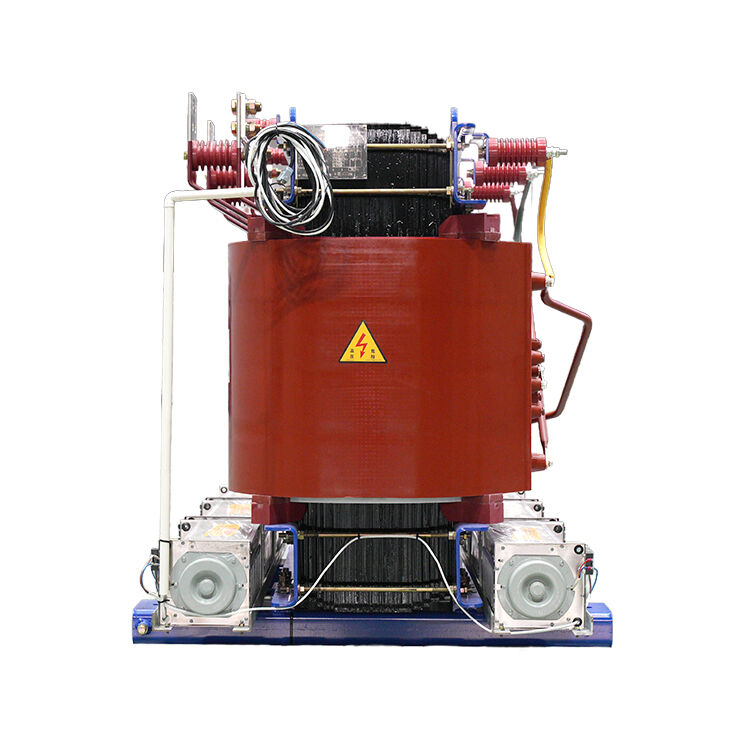
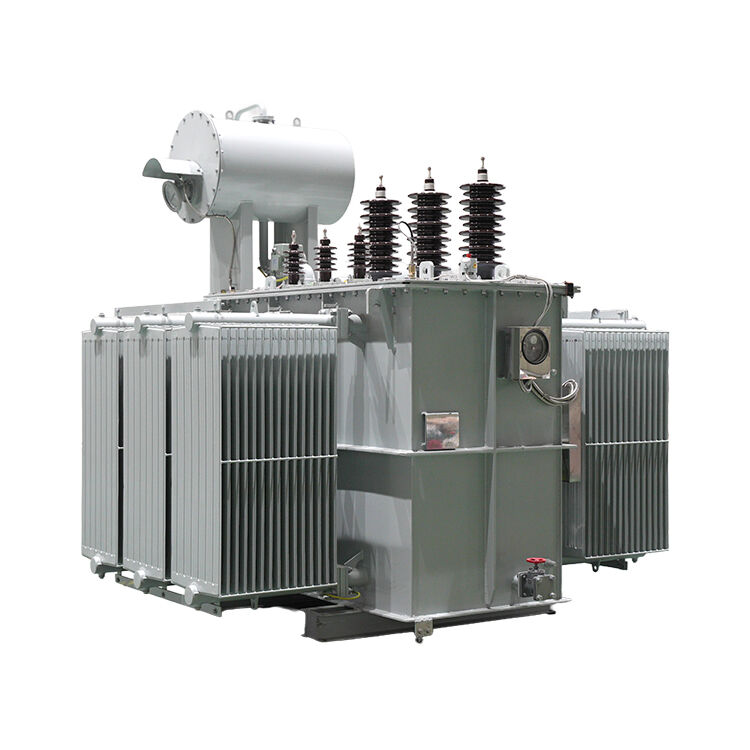
ইনসুলেশন মাধ্যমের পছন্দ হল একটি গুরুত্বপূর্ণ মানদণ্ড যা সরাসরি বিতরণ ট্রান্সফরমারের ইনস্টলেশন পরিবেশকে প্রতিফলিত করে। তেল-ভিজানো বিতরণ ট্রান্সফরমার বহিরঙ্গন সাবস্টেশন এবং ইউটিলিটি অ্যাপ্লিকেশনগুলির জন্য চমৎকার তাপীয় কার্যক্ষমতা, কম ক্ষতি এবং খরচ সংক্রান্ত সুবিধা প্রদান করে। তবে, তেল-ভিজানো বিতরণ ট্রান্সফরমারের তেল লিক এবং আগুনের ঝুঁকি পরিচালনা করার জন্য ধারণ ব্যবস্থা প্রয়োজন, বিশেষ করে ঘনবসতি বা পরিবেশগতভাবে সংবেদনশীল এলাকায়। অন্যদিকে, শুষ্ক-প্রকারের বিতরণ ট্রান্সফরমার কঠিন বা রেজিন-ঢালাই ইনসুলেশন ব্যবহার করে এবং বাণিজ্যিক ভবন, হাসপাতাল, সুড়ঙ্গ এবং উঁচু ভবনসহ অভ্যন্তরীণ পরিবেশের জন্য অধিকতর উপযুক্ত। শুষ্ক-প্রকারের বিতরণ ট্রান্সফরমার তেল-সম্পর্কিত আগুনের ঝুঁকি দূর করে, রক্ষণাবেক্ষণকে সহজ করে এবং অভ্যন্তরীণ ইনস্টলেশন কোডগুলি মেনে চলার ব্যাপারে অধিকতর সহজ হয়ে ওঠে।
প্রকল্প পরিকল্পনাকারীদের বিতরণ ট্রান্সফরমারের অপচয় মাধ্যম চূড়ান্ত করার আগে ভৌত অবস্থান, পরিবেশগত তাপমাত্রা, উচ্চতা, আর্দ্রতা এবং ভেন্টিলেশন অবস্থা মূল্যায়ন করা উচিত। উচ্চ উচ্চতায় স্থাপিত বিতরণ ট্রান্সফরমারের ক্ষমতা হ্রাস করতে হয়, কারণ বায়ু দ্বারা শীতলীকরণ কম কার্যকর হয়। সমুদ্র তীরে বা রাসায়নিকভাবে ক্ষয়কারী পরিবেশে কাজ করা বিতরণ ট্রান্সফরমারের অবশ্যই উন্নত আবরণ সুরক্ষা রেটিং প্রয়োজন, সাধারণত IP54 বা তার উপরে, যাতে এর সেবা জীবন জুড়ে অপচয় অখণ্ডতা বজায় থাকে।
শীতলীকরণ পদ্ধতি এবং তাপীয় শ্রেণী
বিতরণ ট্রান্সফরমারের শীতলীকরণ পদ্ধতি সরাসরি এর চলমান লোড ক্ষমতা এবং অপারেটিং তাপমাত্রাকে প্রভাবিত করে। প্রাকৃতিক বায়ু শীতলীকরণ ভালোভাবে ভেন্টিলেটেড স্থানে ছোট আকারের বিতরণ ট্রান্সফরমার ইউনিটগুলির জন্য উপযুক্ত। ফ্যান ব্যবহার করে বাধ্যতামূলক বায়ু শীতলীকরণ একই শারীরিক আকারের মধ্যে বিতরণ ট্রান্সফরমারকে উচ্চতর লোড পরিচালনা করতে সক্ষম করে। তেল-নিমজ্জিত ইউনিটগুলির জন্য, প্রাকৃতিক তেল এবং বাধ্যতামূলক তেল শীতলীকরণ বিন্যাসগুলি বিতরণ ট্রান্সফরমারকে বৃহৎ শিল্প লোড আরও দক্ষতার সাথে পরিচালনা করতে সক্ষম করে। উপযুক্ত তাপীয় শ্রেণী নির্বাচন নিশ্চিত করে যে ডিস্ট্রিবিউশন ট্রান্সফর্মার ইনসুলেশন উপাদানটি সর্বোচ্চ অপারেটিং তাপমাত্রা সহ্য করতে পারবে যাতে এর বয়স বৃদ্ধি ত্বরান্বিত না হয়।
দক্ষতা, ক্ষতি এবং নিয়ন্ত্রণিক অনুপালন
নো-লোড এবং লোড ক্ষতি পারফরম্যান্স
শক্তি দক্ষতা একটি আধুনিক প্রকল্পে নির্দিষ্ট প্রতিটি বিতরণ ট্রান্সফরমারের জন্য একটি গুরুত্বপূর্ণ মাপদণ্ড। একটি বিতরণ ট্রান্সফরমারে দুটি প্রধান ধরনের ক্ষতি হয়: নো-লোড ক্ষতি, যা বিতরণ ট্রান্সফরমারটি যখনই শক্তিশালী হয় তখনই অবিরতভাবে ঘটে, এবং লোড ক্ষতি, যা লোড কারেন্টের বর্গের সাথে বৃদ্ধি পায়। ২০ থেকে ৩০ বছরের সেবা জীবনের মধ্যে, খারাপ ক্ষতি পারফরম্যান্স সহ একটি বিতরণ ট্রান্সফরমারের সঞ্চিত শক্তি খরচ একটি স্ট্যান্ডার্ড ইউনিট এবং উচ্চ-দক্ষতা মডেলের মধ্যে প্রাথমিক ক্রয় মূল্যের পার্থক্যকে অনেক বেশি অতিক্রম করতে পারে। প্রকল্পের স্পেসিফিকেশনগুলি অবশ্যই ইউরোপীয় ইউনিয়নের ইকোডিজাইন টিয়ার ২ নিয়ম বা আইইসি ৬০০৭৬ বেঞ্চমার্কের মতো প্রতিষ্ঠিত দক্ষতা মানদণ্ডের উল্লেখ করবে, যাতে নিশ্চিত করা যায় যে বিতরণ ট্রান্সফরমারটি ন্যূনতম ক্ষতি পারফরম্যান্স সীমা পূরণ করে।
মানদণ্ড অনুসরণ এবং ডকুমেন্টেশন
কোনও প্রকল্পের জন্য নির্বাচিত প্রতিটি বিতরণ ট্রান্সফরমারকে প্রাসঙ্গিক আন্তর্জাতিক বা আঞ্চলিক মানগুলির সাথে সামঞ্জস্যপূর্ণ হতে হবে। আইইসি ৬০০৭৬ হল বিশ্বব্যাপী স্বীকৃত মানের একটি ধারাবাহিক সিরিজ যা বিতরণ ট্রান্সফরমারের পরীক্ষা, কার্যকারিতা এবং ডিজাইন প্রয়োজনীয়তা নিয়ন্ত্রণ করে। এই মানের সাথে সামঞ্জস্য বজায় রাখা বোঝায় যে, বিতরণ ট্রান্সফরমারটি যাচাইকৃত প্রকৌশল পদ্ধতি অনুযায়ী উৎপাদন, পরীক্ষা এবং দলিলায়ন করা হয়েছে। ইউটিলিটিস, তেল ও গ্যাস বা স্বাস্থ্যসেবা সহ নিয়ন্ত্রিত শিল্পখাতের প্রকল্পগুলির ক্ষেত্রে অতিরিক্তভাবে বিতরণ ট্রান্সফরমারের সাথে কারখানা গ্রহণ পরীক্ষা প্রতিবেদন, প্রকার পরীক্ষা সার্টিফিকেট এবং সম্পূর্ণ প্রযুক্তিগত দলিলাদি প্রদান করা আবশ্যিক। ক্রয়ের আগে মানের সাথে সামঞ্জস্য যাচাই করা হলে প্রকল্পটি গোপন কার্যকারিতা ত্রুটির বিরুদ্ধে রক্ষা পায়, যা চালু করার পরে প্রকাশ পেতে পারে।
লঘু-বর্তনী প্রতিবাধকতা হল বিতরণ ট্রান্সফরমারের মানদণ্ডে অন্তর্ভুক্ত আরেকটি প্যারামিটার যা সিস্টেম সুরক্ষা সমন্বয়ের উপর উল্লেখযোগ্য প্রভাব ফেলে। উচ্চ প্রতিবাধকতা মান সহ একটি বিতরণ ট্রান্সফরমার লঘু-বর্তনী ঘটনার সময় ত্রুটি কারেন্টকে সীমিত করে, যার ফলে নিম্নস্তরের সুইচগিয়ার এবং কেবলগুলির সুরক্ষা নিশ্চিত হয়। নিম্ন প্রতিবাধকতা সহ একটি বিতরণ ট্রান্সফরমার পরিবর্তনশীল লোড অবস্থায় ভালো ভোল্টেজ নিয়ন্ত্রণ প্রদান করে। প্রকল্পের সুরক্ষা ব্যবস্থায় বিতরণ ট্রান্সফরমারের জন্য প্রতিবাধকতা মান নির্দিষ্ট করার সময় প্রকৌশলীদের এই প্রতিদ্বন্দ্বী প্রয়োজনীয়তাগুলির মধ্যে ভারসাম্য বজায় রাখতে হবে।
প্রায়শই জিজ্ঞাসিত প্রশ্নাবলী
একটি প্রকল্পে বিতরণ ট্রান্সফরমারের জন্য আমার কত kVA রেটিং নির্দিষ্ট করা উচিত?
বিতরণ ট্রান্সফরমারের সঠিক kVA রেটিং প্রকল্পের গণনা করা শীর্ষ চাহিদা লোডের উপর নির্ভর করে, যার মধ্যে বৈচিত্র্য ফ্যাক্টর এবং ভবিষ্যতে লোড বৃদ্ধির জন্য একটি অনুমতি অন্তর্ভুক্ত থাকে। একটি সাধারণ অনুশীলন হলো বিতরণ ট্রান্সফরমারটি এমনভাবে নির্বাচন করা যাতে স্বাভাবিক শীর্ষ অবস্থায় এটি এর নাম্নিক ক্ষমতার ৭০ থেকে ৮০ শতাংশ ক্ষমতায় কাজ করে, যাতে বিতরণ ট্রান্সফরমারটি আগেই প্রতিস্থাপন না করেই লোড বৃদ্ধির জন্য পর্যাপ্ত স্থান থাকে।
আমি কখন তেল-নিমজ্জিত ইউনিটের পরিবর্তে শুষ্ক-প্রকারের বিতরণ ট্রান্সফরমার নির্বাচন করব?
শুষ্ক-প্রকারের বিতরণ ট্রান্সফরমার অভ্যন্তরীণ ইনস্টলেশন, ঘন জনবসতিপূর্ণ ভবন, সুড়ঙ্গ এবং যেসব পরিবেশে অগ্নিবিপদ বা তেল ধরে রাখার ব্যাপারটি উদ্বেগজনক, সেসব ক্ষেত্রে পছন্দনীয় বিকল্প। তেল-নিমজ্জিত বিতরণ ট্রান্সফরমার এখনও বাইরের সাবস্টেশন এবং ইউটিলিটি নেটওয়ার্কের জন্য মানস্ট্যান্ডার্ড পছন্দ, যেখানে শীতলীকরণ কর্মক্ষমতা এবং খরচ-দক্ষতা প্রধান চালক।
শর্ট-সার্কিট ইম্পিড্যান্স বিতরণ ট্রান্সফরমার নির্বাচনকে কীভাবে প্রভাবিত করে?
শর্ট-সার্কিট ইম্পিড্যান্স নির্ধারণ করে যে শর্ট-সার্কিট ঘটনার সময় একটি বিতরণ ট্রান্সফরমার কতটুকু দোষ কারেন্ট পাঠাতে দেয়। উচ্চ ইম্পিড্যান্স বিশিষ্ট বিতরণ ট্রান্সফরমার দোষ কারেন্টকে সীমিত করে এবং নিম্নপ্রবাহ সরঞ্জামগুলিকে রক্ষা করে, অন্যদিকে নিম্ন ইম্পিড্যান্স বিশিষ্ট বিতরণ ট্রান্সফরমার আরও নিখুঁত ভোল্টেজ নিয়ন্ত্রণ প্রদান করে। প্রকৌশলীদের সমগ্র সিস্টেমটি নিরাপদ ও নির্ভরযোগ্যভাবে পরিচালনা করার জন্য বিতরণ ট্রান্সফরমারের ইম্পিড্যান্স মানকে উর্ধ্বপ্রবাহ ও নিম্নপ্রবাহ সুরক্ষা ডিভাইসগুলির সাথে সমন্বয় করতে হবে।