 EN
EN
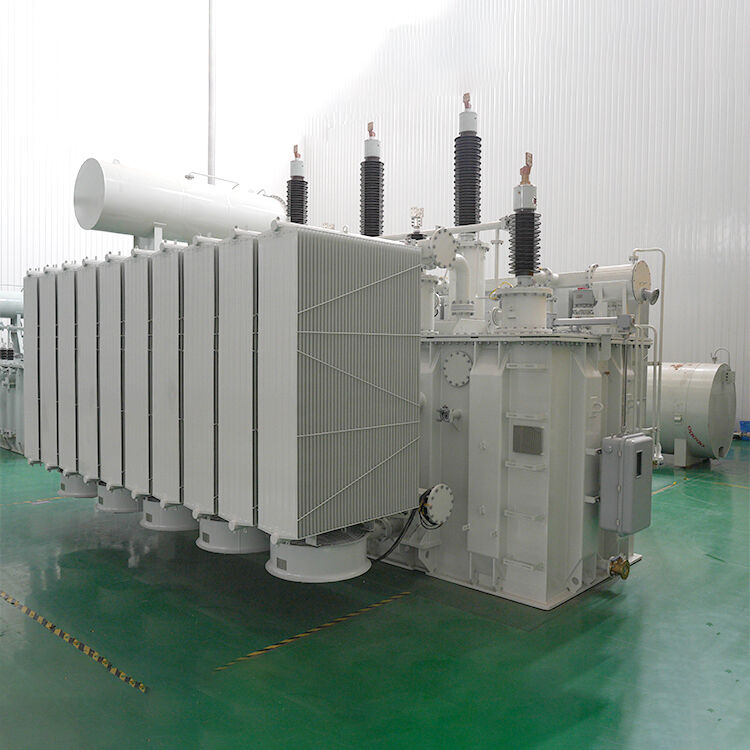
Quvvat transformatori foydalanish samaradorligi va barqarorligi elektr tarmog‘i ishlashini, operatsion xarajatlarni va jihozlarning xizmat ko‘rsatish muddatini bevosita ta'sirlaydi. Zamonaviy elektr tizimlari energiya yo'qotishlarini minimal darajada kamaytiruvchi va turli yuklanish sharoitlarida doimiy kuchlanishni tartibga soluvchi transformatorlarga ehtiyoj sezadi. Bu muhim ishlash parametrlarini yaxshilovchi loyiha xususiyatlari — yurak materiallari, chulg'am konfiguratsiyalari, sovutish tizimlari va izolyatsiya texnologiyalari sohasidagi murakkab muhandislik yondashuvlarini o'z ichiga oladi.
Bu loyiha elementlarini tushunish muhandislarga va ob'ektlar boshqaruvchilariga talablarga mos keladigan quvvat transformatori ni belgilashda ma'lumotga asoslangan qaror qabul qilish imkonini beradi. Har bir loyiha xususiyati umumiy tizim ishonchliligini ta'minlashga hissa qo'shadi: ilg'or magnit materiallardan foydalanish orqali yurak yo'qotishlarini kamaytirishdan boshlab, issiqlik degradatsiyasini oldini oluvchi murakkab sovutish mexanizmlarini joriy etishgacha. Bu xususiyatlarning integratsiyasi quvvat transformatorining qat'iy samaradorlik standartlariga mos kelishini va o'n yillik xizmat muddati davomida barqaror ishlashini ta'minlaydi.
Yaxshilangan samaradorlik uchun asosiy material muhandisligi
Yuqori darajali silitsiyli po'lat tarkiblari
Magnetik yadrosi quvvat transformatorlarining samaradorligining asosini tashkil qiladi; zamonaviy silitsiyli po'lat darajalari gisterizis va vortikal tok yo'qotishlarini ajoyib darajada kamaytiradi. 3–4% silitsiyli yuqori darajali elektr po'lati magnit o'tkazuvchanlikni optimal darajada ta'minlaydi va oqimning yo'nalishi o'zgarganda energiya sarfini minimal darajada saqlaydi. Bu materiallar magnit qarshiligini kamaytirish va oqim zichligini oshirish uchun dona tuzilishini tekislashga mo'ljallangan maxsus issiqlik ishlov berish jarayonlaridan o'tkaziladi.
Donali yo'nalishli elektr po'lati yanada yaxshilaydi quvvat transformatori magnetik domenlarni g'ildiraklanish yo'nalishi bo'ylab yo'naltirish orqali ishlash. Bu yo'nalish konventisional po'lat darajalariga nisbatan yurak yo'qotishlarini 15% gacha kamaytiradi, bu esa yuqori quvvatli o'rnatmalarda ahamiyatli samaradorlik yaxshilanishlarini ta'minlaydi. Zamonaviy dizaynlardagi laminatsiya qalinligi odatda 0,23 mm dan 0,27 mm gacha o'zgaradi va mexanik mustahkamlik hamda vortikal tokni bostirish o'rtasidagi muvozanatni optimallashtiradi.
Yurak qurilishi va yig'ilish usullari
Qadamli qo'llab-quvvatlash yurak qurilish usullari havo oralig'ini va magnetik oqimning chiqib ketishini minimal darajada kamaytiradi, bu bevosita kuch transformatorlarining samaradorligini oshirishga hissa qo'shadi. Bu yig'ilish usuli laminatsiya ulanishlarini bir nechta qatlamlarda ustma-ust qo'yishni o'z ichiga oladi va magnit oqim yo'llarini uzluksiz qiladi, natijada magnit qarshilikdagi o'zgarishlar kamayadi. Qadamli qo'llab-quvvatlash qurilish uchun talab qilinadigan aniq ishlab chiqarish yurak tuzilmasi bo'ylab magnit oqimning bir xil tarqalishini ta'minlaydi.
Yadrolarni yopishtirish tizimlari laminalarni tekislashni saqlab qoladi, shu bilan birga vaqt o'tishi bilan izolyatsiya tizimlarini buzishi mumkin bo'lgan mexanik tebranishlarning oldini oladi. Zamonaviy yopishtirish dizaynlari siqish kuchlarini yadro tuzilmasi bo'ylab teng taqsimlaydi, bu esa mexanik barqarorlikni ta'minlagan holda maqnit xususiyatlarini saqlab qoladi.
Ving dizaynini optimallashtirish strategiyalari
Konduktorning konfiguratsiyasi va oʻlchami
O'rab olishda olib boruvchilarni tanlash quvvat transformatorining samaradorligiga qarshilik yo'qotishlari orqali bevosita ta'sir qiladi, bu esa odatda transformatorning umumiy yo'qotishlarining 60-70% ni tashkil etadi. Doimiy transpozitsiya qilingan kabel (CTC) dizaynlari yuqori oqimli o'naluvlarda turdagi oqim yo'qotishlarini kamaytiradi. CTC to'plamidagi har bir zanjir teng oqim bog'lanishini ta'minlaydigan spiral shaklga amal qiladi va aks holda yo'qotishlarni oshiradigan aylanma oqimlarni oldini oladi.
Tok uzatishda qarshilikka sabab bo'ladigan yo'qotishlarni kamaytirish va yuk o'zgarishlari ostida qabul qilinadigan kuchlanishni tartibga solishni saqlash uchun mis o'tkazgichning tozaligi va kesim yuzasining optimallashtirilishi talab etiladi. Impuritetalarning minimal miqdorida bo'lgan yuqori o'tkazuvchanlikdagi mis tok oqish uchun eng past qarshilikli yo'l ta'minlaydi, shu bilan birga to'g'ri o'lcham tanlash tok zichligini issiqlik chegaralarida saqlaydi. O'tkazgich izolyatsiya tizimi elektrik loyihasini qo'llab-quvvatlashi kerak: u yetarli dielektrik mustahkamlikni ta'minashi kerak, lekin shu bilan birga mis to'ldirish omilini pasaytiradigan ortiqcha qalinlikka ega bo'lmasligi kerak.
O'ramlar joylashuvi va geometriyasi
Quvvat transformatorlarining loyihalashida markaziy o'ramlar joylashuvi optimal oqim bog'lanishini ta'minlaydi va kuchlanishni tartibga solish muammolariga sabab bo'ladigan sifatli induktivlikni minimallashtiradi. Yurakka eng yaqin joylashgan past kuchlanishli o'ramda magnit oqim zichligi o'zgarishlari kamroq bo'ladi, bu esa vortikal tok yo'qotishlarini kamaytiradi. Tashqi pozitsiyada joylashgan yuqori kuchlanishli o'ramlar yaxshiroq sovutish imkoniyati va kamroq issiqlik kuchlanishlariga ega bo'ladi.
Chulg'am o'ralishlari orasidagi o'q va radial masofalarni optimallashtirish qisqa tutashuvda chidamlilik va samaradorlikka ta'sir qiladigan o'zgaruvchan maydon oqimini boshqaradi. To'g'ri masofa loyihasi samaradorlik uchun magnit bog'lanishni avariyaviy sharoitda mexanik mustahkamlik talablariga mos ravishda muvozanatga keltiradi. Ilg'or elektromagnit maydon tahlili ushbu masofa qarorlarini qo'llab-quvvatlaydi va barcha ishlash sharoitlarida optimal ishlashni ta'minlaydi.
Issiqlik barqarorligi uchun sovutish tizimi loyihasi
Moy aylanishi va issiqlik tarqalishi
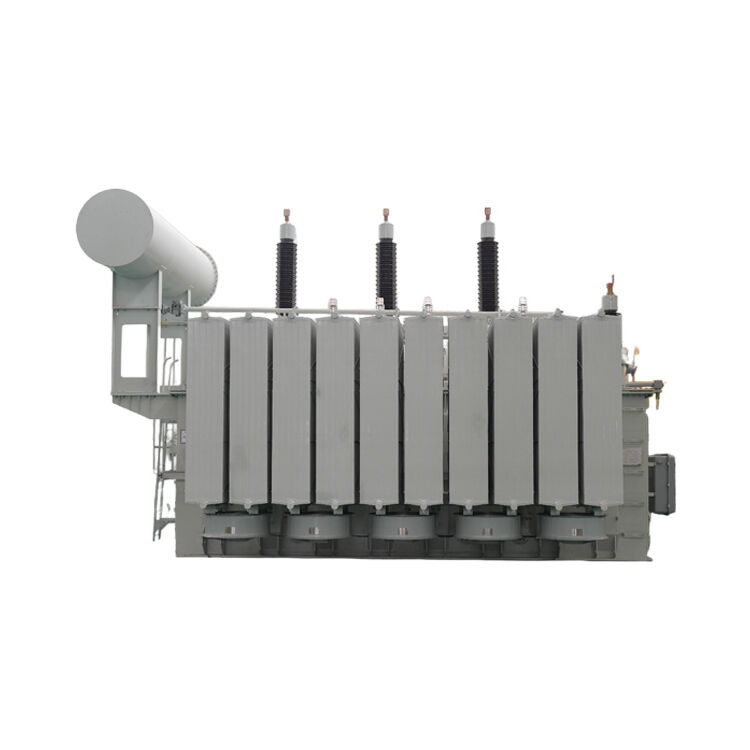
Samara li sovutish tizimlari izolyatsiya materiallarining issiqlikdan buzilishini oldini olmoq va elektr o'tkazuvchanlikning optimal darajasini saqlamoq orqali kuch transformatorlarining samaradorligini saqlaydi. Tabiiy moy aylanishi issiqlikni ichki komponentlardan tashqi sovutish sirtlariga o'tkazuvchi issiqlik konveksiyasi oqimlariga tayanadi. Transformator tanki loyihasi ichki to'siqlar va moy oqimi kanallarini o'z ichiga oladi, bu esa maksimal issiqlik uzatish samaradorligi uchun aylanish namunalarni yo'naltiradi.
Radiador tizimlari va sovutish qanotlari issiqlikni tarqatish uchun sirt maydonini oshiradi; ular atrof-muhit sharoitlari va yuk talablari bo'yicha optimallashtirilgan dizaynga ega. Qo'vrilgan rezervuar devorlari va tashqi radiador panellari majburiy aylanish uskunalari talab qilmasdan qo'shimcha sovutish quvvatini ta'minlaydi. Moyni saqlash tizimi dielektrik xususiyatlarni va issiqlik uzatish qobiliyatini pasaytiruvchi namlik kirib kelishini va oksidlanishni oldini oladi.
Haroratni kuzatish va boshqarish uchun dizaynlangan
Yukori darajali haroratni kuzatish tizimlari kuch transformatorining barqarorligini muhim joylarda issiqlik sharoitlarini doimiy ravishda baholash orqali ta'minlaydi. Chulg'am harorat ko'rsatkichlari eng issiq nuqtadagi haroratni to'g'ridan-to'g'ri o'lchaydi, bu izolyatsiya yomonlashishini oldini olmoq uchun yuk boshqaruvi qarorlarini qabul qilish imkonini beradi. Moy haroratini kuzatish sovutish tizimining ishlashini boshqaradi va transformatorning ishlashiga ta'sir qilishidan oldin rivojlanayotgan issiqlik muammolarini aniqlaydi.
Tabiiy konveksiya optimal ish rejimini saqlash uchun yetarli bo'lmaganda, majburiy sovutish tizimlari faollashadi. O'zgaruvchan tezlikdagi ventilyatorlar va moy nasoslari sovutish quvvatini haqiqiy vaqt rejimida termik sharoitga qarab moslashtiradi; bu energiya iste'molini optimallashtirib, bir vaqtda yetarli issiqlikni chiqarishni ta'minlaydi. Bu tizimlar transformator barqarorligini xavf ostiga qo'yishi mumkin bo'lgan termik ortiq yuklanish sharoitlarini oldini olish uchun himoya rele sxemalari bilan integratsiyalanadi.
Izolyatsiya tizimi muhandisligi
Dielektrik materiallarni tanlash
Yuqori samarali izolyatsiya tizimlari dielektrik xususiyatlari va termik chidamliligi jihatidan yuqori darajada bo'lgan kuch transformatorlarini loyihalash imkonini beradi, bu esa samaradorlik va barqarorlik maqsadlariga erishishni ta'minlaydi. Mineral moy izolyatsiyasi ajoyib dielektrik mustahkamlikka ega bo'lib, bir vaqtda sovutish vositasi va yoyini o'chirish vositasi sifatida ikki vazifani bajaradi. Moyning texnik talablari uning soflik darajasiga qo'yiladigan qat'iy talablarni hamda oksidlanishga chidamlilik va termik barqarorlikni oshiruvchi qo'shimcha moddalarni o'z ichiga oladi.
Qattiq izolyatsiya materiallari namlik tarkibi va zichlik xususiyatlari nazorat qilinadigan sellyulozaga asoslangan qog'ozlar va pressbard bilan moy tizimini to'ldiradi. Issiqlikdan yaxshilangan qog'ozlar ishlatish davomida yuqori haroratlarda xizmat muddatini uzartiradi va kuch transformatorining barcha dizayn muddati davomida dielektrik butunligini saqlaydi. Moy va qattiq izolyatsiya kombinatsiyasi o'zini tiklovchi xususiyatlarga ega bo'lgan va yuqori pishiriq kuchlanishiga chidamli murakkab dielektrik tizim hosil qiladi.
Insulyatsiya mosligi va masofalar
To'g'ri izolyatsiya moslamasi kuch transformatorining tizimdagi ortiqcha kuchlanishlar ostida barqarorligini ta'minlaydi va samaradorlikni oshirish uchun jismoniy o'lchamlarni optimallashtiradi. Muzokara impulsi va ulanish zarbasi chidamliligi quvvatlangan komponentlar va yer o'rtasidagi minimal masofa talablarini belgilaydi. Izolyatsiya loyihalash jarayoni statistik ortiqcha kuchlanish taqsimotlarini va tashqi himoya jihozlari bilan moslamani hisobga oladi.
Darajali izolyatsiya tuzilmalari elektr kuchlanishini bir tekis tarqatadi, qisman razryad faoliyatini boshlashi mumkin bo'lgan mahalliy maydon konsentratsiyalarini oldini oladi. Elektrostatik ekran o'rnatilishi va geometriyasining optimallashtirilishi kuchlanish transformatoridagi maydon namunalarni nazorat qiladi va dielektrik ishonchlilikni uzoq muddat saqlashni ta'minlaydi. Ilg'or maydon hisoblash usullari izolyatsiya tizimining loyihalanishini qo'llab-quvvatlaydi va elektr uzluksizlikni materiallardan foydalanish samaradorligi bilan muvozanatga keltiradi.
Himoya va nazorat xususiyatlari
Eritilgan gazlarni tahlil qilish tizimlari
Eritilgan gazlarni doimiy nazorat qilish transformatorning barqarorligini oshiradi, chunki bu transformatorning samaradorligi va ishonchliligiga ta'sir qilishi mumkin bo'lgan rivojlanayotgan nosozliklarni dastlabki bosqichda aniqlash imkonini beradi. Onlayn gaz tahlili tizimlari transformator ichida turli xil nosozliklarga ko'rsatkich bo'lib xizmat qiluvchi vodorod, uglerod monoksid, uglerod dioksid va gidrokarbon gazlarini o'lchaydi. Gaz konsentratsiyalarining dinamik tahlili izolyatsiyaning degradatsiyasi, qizish yoki elektr razryadi faoliyatining boshlanishidan oldin ogohlantirish beradi.
Gaz konsentratsiyasi chegaralari nuqsonlar avariyaviy holatlarga aylanishidan oldin mos texnik xizmat ko'rsatish choralarni ishga tushiradi. Monitoring tizimi gaz darajalari quvvat transformatorining butunligiga darhol xavf solayotganini ko'rsatganda, yukni kamaytirish yoki himoya choralari amalga oshirish uchun boshqaruv tizimlari bilan aloqada ishlaydi. Bu proaktiv yondashuv transformatorning shikastlanishini oldini oladi va keng qamrovli ta'mirlash yoki almashtirish talab qilinadigan zararlarni bartaraf etib, samaradorlikni saqlaydi.
Qisman razryad monitoringi
Qisman razryadni aniqlash tizimlari quvvat transformatorining samaradorligini asta-sekin pasaytiruvchi va uzoq muddatli barqarorlikka xavf soluvchi izolyatsiya buzilish jarayonlarini aniqlaydi. Yuqori chastotali tok transformatorlari va ultratovushli sensorlar transformator ichidagi razryad faoliyatini kuzatib boradi va texnik xizmat ko'rsatish rejalarini tuzish uchun joylashuv ma'lumotlarini beradi. Namuna tanishuv algoritmlari turli razryad manbalarini bir-biridan ajratadi hamda ularning og'irligini baholaydi.
To'liq qismli chiqindilarni kuzatish transformatorning mavjudligini optimallashtiruvchi va halokatli nosozliklarning oldini oladigan holatga asoslangan texnik xizmat ko'rsatish strategiyalarini amalga oshiradi. Monitoring ma'lumotlari quvvat transformatorining butun xizmat muddati davomida ishlashini saqlab qolish uchun yukni boshqarish qarorlari va texnik xizmat ko'rsatish rejalashtirilishini qo'llab-quvvatlaydi. Assetlarni boshqarish tizimlari bilan integratsiyalash flotni optimallashtirish uchun holatni keng qamrovli baholash imkoniyatlarini ta'minlaydi.
Tez-tez so'raladigan savollar
Asosiy materiallar quvvat transformatorining samaradorligiga qanday ta'sir qiladi?
Asosiy materiallar histereza va aylanma oqim yo'qotishlari orqali samaradorlikka bevosita ta'sir qiladi, bu esa transformatorlarning umumiy yo'qotishlarining 20-25% ni tashkil qiladi. Donli yo'nalishdagi yuqori sifatli silikon po'lat bu yo'qotishlarni sezilarli darajada kamaytiradi, to'g'ri laminalash qalinligi va bosqichli aylanish qurilishi oqim oqimining kamayishini kamaytiradi. Avvalgi elektr po'latlari standart materiallarga nisbatan samaradorlikni 1-2% ga oshirishi mumkin, bu esa transformatorning ishlash muddati davomida energiyani sezilarli darajada tejashni anglatadi.
Qanday o'ralgan dizayn xususiyatlari transformator barqarorligini yaxshilaydi?
O'ralish barqarorligi doimiy ravishda almashtirilgan kabel dizaynlardan foydalanish orqali, aylanuvchi tok yo'qotishlarini minimal darajada kamaytirish, qabul qilinadigan tok zichligini saqlash uchun to'g'ri o'tkazgich o'lchamlarini tanlash va magnit bog'lanishni qisqa tutashuv kuchiga muvozanatlash uchun optimallashtirilgan masofalarni ta'minlash orqali yaxshilanadi. Markaziy o'ralish tartiblari oqim bog'lanishini yaxshilash hamda sifatli kuchlanishni tartibga solish va turli yuklamalar sharoitida issiqlik ishlashini yaxshilash uchun o'zgaruvchan induktivlikni kamaytiradi.
Sovutish tizimi dizayni transformator ishlashiga qanday ta'sir ko'rsatadi?
Samarali sovutish tizimlari izolyatsiya xususiyatlarini va elektr o'tkazuvchanligini saqlaydigan optimal ish rejimini ta'minlaydi, bu esa samaradorlik va ishonchlilikka bevosita ta'sir qiladi. To'g'ri loyihalangan oqim yo'llari bilan tabiiy moy aylanish tizimlari issiq joylarning vujudga kelishini oldini oladi, shu bilan birga radiatori konfiguratsiyalari issiqlikni tarqatish sirt maydonini maksimal darajada oshiradi. Haroratni kuzatish sovutish tizimining faol ishlashini va yuk boshqaruvi bo'yicha oldindan choralar ko'rish imkonini beradi, bu transformatorning xizmat muddatini uzartiradi.
Transformator loyihalashida izolyatsiya muvofiqlashtirish qanday vazifani bajaradi?
Izolyatsiya muvofiqlashtirish transformatorning tizimda ortiqcha kuchlanishlar ostida barqarorligini ta'minlaydi va samaradorlik uchun fizik o'lchamlarni optimallashtiradi. To'g'ri masofa loyihalash va darajali izolyatsiya strukturalari vaqt o'tishi bilan ishlash samaradorligini pasaytiruvchi qisman razryadlar faoliyatini oldini oladi. Mineral moy va qattiq izolyatsiya materiallarining birlashmasi o'zini tiklovchi xususiyatlarga ega mustahkam dielektrik tizim va ajoyib issiqlik chidamlilik xususiyatlarini yaratadi.
Mundarija
- Yaxshilangan samaradorlik uchun asosiy material muhandisligi
- Ving dizaynini optimallashtirish strategiyalari
- Issiqlik barqarorligi uchun sovutish tizimi loyihasi
- Izolyatsiya tizimi muhandisligi
- Himoya va nazorat xususiyatlari
-
Tez-tez so'raladigan savollar
- Asosiy materiallar quvvat transformatorining samaradorligiga qanday ta'sir qiladi?
- Qanday o'ralgan dizayn xususiyatlari transformator barqarorligini yaxshilaydi?
- Sovutish tizimi dizayni transformator ishlashiga qanday ta'sir ko'rsatadi?
- Transformator loyihalashida izolyatsiya muvofiqlashtirish qanday vazifani bajaradi?