 EN
EN


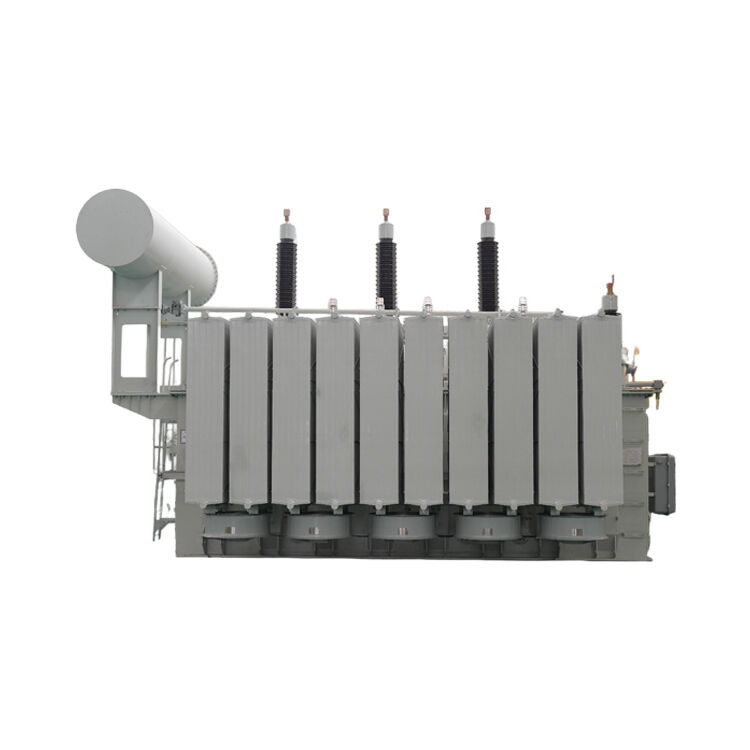
Modern electrical grids face unprecedented challenges as energy demands continue to surge across industrial, commercial, and residential sectors. The backbone of these complex power distribution networks relies heavily on sophisticated equipment designed to manage extreme voltages and massive load requirements. A power transformer serves as the critical component that enables efficient electricity transmission over vast distances while maintaining system stability and reliability under the most demanding operational conditions.
Understanding High Voltage Power Transformer Design Principles
Core Construction and Magnetic Circuit Optimization
The fundamental design of a power transformer begins with its magnetic core, which must withstand extreme magnetic flux densities while minimizing energy losses. High-grade silicon steel laminations form the foundation of efficient magnetic circuits, with carefully calculated cross-sectional areas that accommodate massive power flows. These cores undergo precise manufacturing processes including annealing and stress relief treatments to optimize their magnetic properties and reduce hysteresis losses.
Advanced core designs incorporate step-lap construction techniques that eliminate air gaps and improve magnetic coupling between primary and secondary windings. The magnetic circuit geometry plays a crucial role in flux distribution, ensuring uniform magnetic field patterns that prevent localized heating and maintain consistent performance across varying load conditions. Modern power transformer cores utilize grain-oriented electrical steels that exhibit superior magnetic characteristics along their rolling direction.
Winding Configuration for High Voltage Applications
High voltage power transformer windings require specialized construction techniques to handle extreme electrical stresses and thermal conditions. Continuously transposed conductors distribute current evenly across multiple parallel paths, reducing circulating currents and minimizing I²R losses. These conductors undergo extensive paper wrapping with high-grade cellulose insulation that provides both electrical isolation and mechanical support during short-circuit conditions.
The geometric arrangement of windings follows carefully engineered patterns that optimize both electrical performance and thermal dissipation. Concentric winding arrangements place low voltage windings closer to the core with high voltage windings positioned externally, creating natural cooling channels and reducing insulation requirements. Advanced interleaving techniques distribute windings in multiple sections to improve voltage regulation and reduce leakage reactance.
Insulation Systems for Extreme Voltage Management
Dielectric Material Selection and Performance
Power transformer insulation systems must withstand continuous operating voltages while providing adequate safety margins for transient overvoltages and switching surges. High-performance mineral oils serve as both cooling medium and primary dielectric, offering excellent electrical properties and thermal stability across wide temperature ranges. These specially refined oils undergo extensive processing to remove moisture, dissolved gases, and other contaminants that could compromise dielectric strength.
Solid insulation components including pressboard barriers, spacers, and winding supports create complex dielectric structures that control electric field distribution throughout the power transformer assembly. These materials undergo vacuum drying and oil impregnation processes that eliminate air pockets and ensure complete dielectric saturation. Advanced insulation designs incorporate field-grading techniques that smooth electric field transitions and prevent corona discharge formation.
Cooling System Integration for Thermal Management
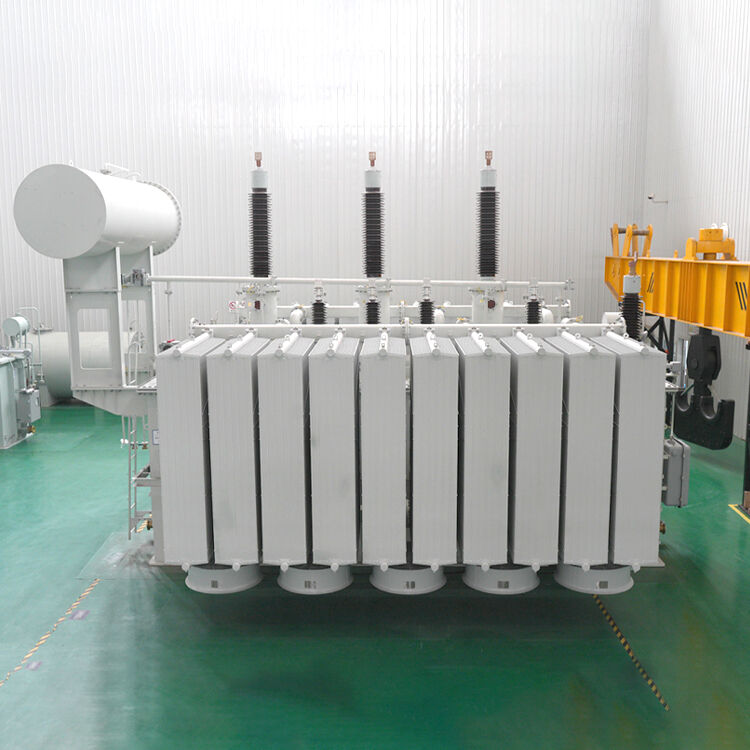
Effective thermal management becomes critical as power transformer ratings increase and operating voltages reach transmission levels. Oil-immersed cooling systems utilize natural convection currents and forced circulation to remove heat generated by winding losses and core magnetization. Radiator banks with integral cooling fans provide enhanced heat dissipation capacity while maintaining optimal oil temperatures throughout the power transformer volume.
Advanced cooling configurations incorporate separate oil circuits for windings and core assemblies, allowing independent temperature control and improved thermal response. These systems include sophisticated monitoring equipment that tracks oil temperatures, flow rates, and cooling system performance parameters. Automated control systems adjust cooling capacity based on load conditions and ambient temperatures to maintain optimal operating conditions.
Load Handling Capabilities and Performance Characteristics
Current Carrying Capacity and Thermal Limits
The ability of a power transformer to handle large load demands depends primarily on its thermal design and current-carrying capacity. Conductor sizing must accommodate both continuous rated current and short-term overload conditions while maintaining acceptable temperature rises. Advanced thermal modeling techniques predict hot-spot temperatures within winding assemblies, ensuring that critical insulation temperatures remain within safe operating limits.
Load tap changers provide voltage regulation capabilities that allow power transformer operation across varying load conditions and system voltage fluctuations. These mechanisms adjust turns ratios through automated switching operations that maintain output voltage within specified tolerances. High-capacity tap changers incorporate specialized contacts and arc-quenching systems designed to handle switching operations under full load conditions.
Dynamic Response and System Stability
Modern power transformer designs must respond effectively to rapid load changes and system disturbances while maintaining electrical stability. Low leakage reactance characteristics improve voltage regulation and reduce voltage drops during heavy loading conditions. These design features become particularly important in applications where power transformer units supply large industrial loads with rapidly varying power demands.
Short-circuit withstand capabilities ensure that power transformer assemblies survive fault conditions without sustaining permanent damage. Mechanical bracing systems support windings against electromagnetic forces generated during fault currents, while fault current limiting features protect both the transformer and connected system components. Advanced protection systems coordinate with upstream and downstream protective devices to isolate faults quickly and minimize system disruption.
Advanced Monitoring and Protection Technologies
Real-Time Condition Assessment Systems
Comprehensive monitoring systems provide continuous assessment of power transformer health and operating conditions. Dissolved gas analysis equipment detects incipient faults by monitoring gas concentrations in transformer oil, providing early warning of developing problems before they result in equipment failure. Temperature monitoring systems track winding and oil temperatures throughout the power transformer assembly using fiber optic sensors and thermal imaging technologies.
Partial discharge monitoring systems detect and locate insulation deterioration through sophisticated acoustic and electrical measurement techniques. These systems provide quantitative assessment of insulation condition and help predict remaining service life. Advanced diagnostic algorithms analyze multiple condition parameters simultaneously to provide comprehensive equipment health assessments and maintenance recommendations.
Protective Relay Integration and Fault Management
Modern power transformer protection schemes incorporate multiple protective functions including differential, overcurrent, and ground fault protection. Digital protective relays provide enhanced sensitivity and selectivity while offering comprehensive event recording and fault analysis capabilities. These systems coordinate with system-wide protection schemes to ensure selective fault clearing and minimize system disturbances.
Buchholz relay systems detect internal faults and abnormal conditions through gas accumulation and oil flow monitoring. These mechanical protective devices provide reliable backup protection that operates independently of electrical protective systems. Gas relay configurations include alarm and trip functions that provide graduated response to different fault severities and operating abnormalities.
Operational Considerations for High Performance Applications
Installation and Commissioning Requirements
Proper installation procedures ensure that power transformer units achieve their designed performance levels and service life expectations. Foundation design must provide adequate mechanical support while accommodating thermal expansion and seismic loading requirements. Careful attention to oil handling, vacuum processing, and moisture control during installation prevents contamination that could compromise long-term reliability.
Commissioning tests verify that all power transformer systems function correctly and meet specified performance requirements. These comprehensive test procedures include insulation resistance measurements, turns ratio verification, and load loss determinations. Acceptance testing validates that equipment meets design specifications and provides baseline measurements for future condition assessment activities.
Maintenance Strategies and Life Extension
Preventive maintenance programs maximize power transformer service life through regular inspection, testing, and component replacement activities. Oil analysis programs monitor dielectric strength, moisture content, and dissolved gas levels to assess insulation condition and identify developing problems. Regular thermal imaging surveys detect hot spots and connection problems that could lead to equipment failure if left unaddressed.
Refurbishment and upgrade programs can extend power transformer service life by replacing aging components and incorporating modern monitoring and protection technologies. These programs often include insulation system renewal, cooling system upgrades, and control system modernization. Strategic maintenance investments can extend equipment service life well beyond original design expectations while improving reliability and performance characteristics.
FAQ
What voltage levels can modern power transformers handle safely
Modern power transformer designs can safely handle voltage levels ranging from distribution voltages around 4kV up to extra high voltage transmission levels exceeding 800kV. Ultra high voltage applications above 800kV require specialized insulation systems and enhanced safety measures. The voltage handling capability depends on insulation design, cooling system capacity, and overall equipment configuration.
How do power transformers maintain efficiency under varying load conditions
Power transformer efficiency remains relatively constant across different loading conditions due to careful design optimization of core losses and winding losses. Load tap changers provide voltage regulation that maintains optimal operating conditions regardless of load variations. Advanced cooling systems automatically adjust capacity based on loading to maintain optimal temperatures and prevent efficiency degradation.
What factors determine the maximum load capacity of a power transformer
Maximum load capacity is determined by thermal limits, current carrying capacity of windings, and cooling system effectiveness. Conductor sizing and insulation thermal ratings establish continuous load limits, while short-term overload capability depends on thermal time constants and heat storage capacity. Cooling system design ultimately determines sustainable load levels under various ambient conditions.
How long can power transformers operate reliably in demanding applications
Well-maintained power transformer units typically provide reliable service for 30-40 years or more in demanding high voltage applications. Service life depends on operating conditions, maintenance quality, and environmental factors. Regular condition monitoring and preventive maintenance can extend service life significantly beyond original design expectations while maintaining high reliability levels throughout the equipment lifecycle.