 EN
EN


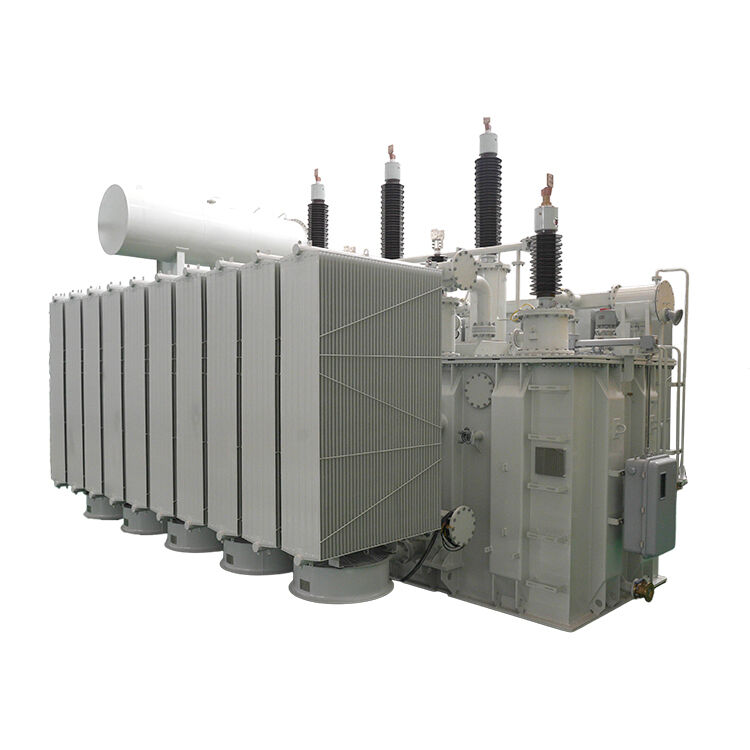
Large-scale power networks form the backbone of modern electrical infrastructure, requiring sophisticated equipment to maintain stability and reliability across vast geographical areas. Power transformers play a crucial role in these complex systems by managing voltage levels, facilitating efficient energy transmission, and ensuring grid stability under varying load conditions. These massive electrical devices serve as critical nodes that enable seamless power flow from generation sources to end consumers while maintaining the delicate balance necessary for stable grid operations.
Essential Functions of Power Transformers in Grid Operations
Voltage Regulation and Level Management
Power transformers serve as the primary voltage regulation mechanism within large-scale electrical networks, stepping voltage levels up or down as required by different segments of the transmission and distribution system. High-voltage transmission lines typically operate at voltages ranging from 115 kV to 765 kV, while distribution networks require much lower voltages for safe delivery to residential and commercial consumers. Power transformers facilitate these critical voltage conversions while maintaining electrical isolation between different voltage levels, preventing dangerous voltage fluctuations from propagating throughout the network.
The voltage regulation capabilities of power transformers extend beyond simple step-up and step-down functions, incorporating sophisticated tap-changing mechanisms that allow real-time adjustments to output voltage levels. These automatic voltage regulators respond to changing load conditions and grid demands, maintaining voltage within acceptable tolerance ranges even during peak consumption periods or unexpected load variations. Advanced power transformers feature load tap changers that can adjust voltage ratios while the transformer remains energized and under load, providing continuous grid stability support without service interruptions.
Load Distribution and Power Flow Control
Effective load distribution represents another fundamental contribution of power transformers to grid stability, as these devices enable optimal power flow patterns across interconnected network segments. Large power transformers strategically positioned at key network nodes can redirect electrical energy along alternative transmission paths when primary routes become congested or unavailable due to maintenance or emergency conditions. This load balancing capability prevents overloading of individual transmission lines and maintains system reliability even during equipment outages or unexpected demand spikes.
Modern power transformers incorporate advanced monitoring and control systems that provide real-time data on power flow, temperature, and operational parameters to grid control centers. This continuous monitoring enables system operators to make informed decisions about load distribution and power routing, optimizing network efficiency while maintaining stability margins. The ability of power transformers to handle rapid load changes without compromising voltage stability makes them indispensable components in maintaining grid resilience during both normal operations and emergency conditions.
Technical Specifications and Grid Stability Impact
Impedance Characteristics and Short Circuit Protection
The impedance characteristics of power transformers significantly influence grid stability by limiting fault currents and providing natural protection against short circuit conditions. When electrical faults occur within the network, the inherent impedance of power transformers helps restrict the magnitude of fault currents, preventing catastrophic damage to downstream equipment and maintaining system stability during fault clearing operations. This protective impedance must be carefully designed to balance fault current limitation with efficient power transfer under normal operating conditions.
High-quality power transformers feature precisely engineered impedance values that complement the overall network protection scheme while supporting stable power transfer across varying load conditions. The impedance characteristics also affect voltage regulation performance, with lower impedance values providing better voltage regulation but higher fault current levels. Grid designers must carefully consider these trade-offs when specifying power transformers for critical network applications where both stability and protection are paramount.
Thermal Management and Continuous Operation
Thermal management capabilities of power transformers directly impact their ability to support grid stability through continuous, reliable operation under varying load conditions. Large power transformers generate significant heat during normal operation, and effective cooling systems are essential for maintaining optimal performance and preventing thermal-related failures that could compromise grid stability. Advanced cooling technologies, including forced air, oil circulation, and water cooling systems, enable power transformers to operate at higher load levels while maintaining acceptable temperature margins.
The thermal capacity of power transformers determines their ability to handle overload conditions during emergency situations or peak demand periods without compromising long-term reliability. Modern power transformers incorporate sophisticated temperature monitoring systems that provide early warning of thermal stress conditions, allowing grid operators to take corrective action before stability is compromised. This thermal resilience is particularly crucial in large-scale networks where transformer failures can trigger cascading outages affecting millions of customers.
Integration with Smart Grid Technologies
Digital Monitoring and Predictive Maintenance
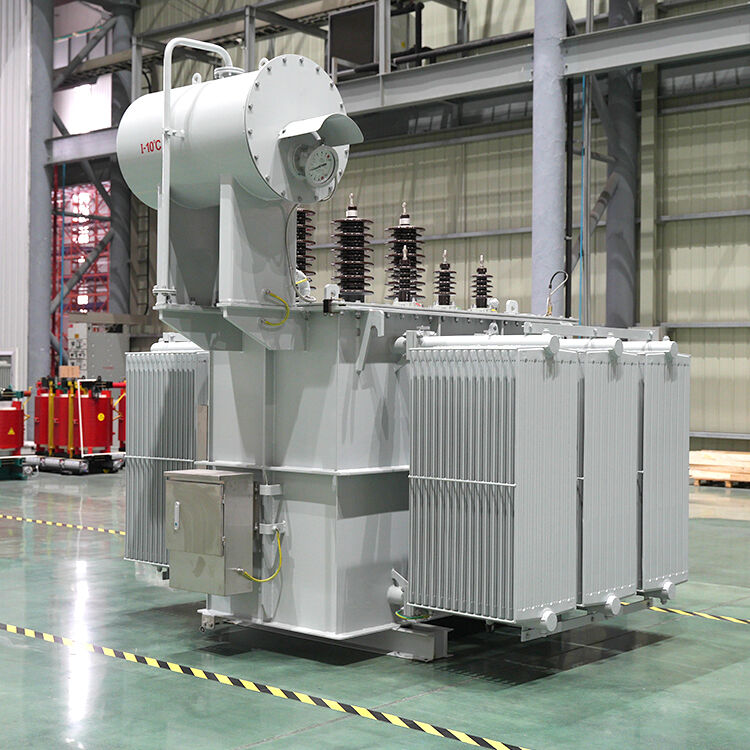
Contemporary power transformers integrate seamlessly with smart grid infrastructure through advanced digital monitoring systems that continuously assess operational parameters and predict maintenance requirements. These intelligent monitoring capabilities enhance grid stability by identifying potential issues before they develop into failures that could disrupt network operations. Sensors embedded within power transformers monitor oil temperature, winding temperature, tap changer position, and dissolved gas concentrations, providing comprehensive health assessments that support proactive maintenance strategies.
Predictive analytics applied to transformer monitoring data enable grid operators to optimize maintenance schedules and replacement timing, maximizing equipment availability while minimizing unexpected outages. This data-driven approach to transformer management significantly improves grid reliability and stability by ensuring critical power transformers remain in optimal operating condition. The integration of artificial intelligence and machine learning algorithms further enhances predictive capabilities, identifying subtle patterns that indicate developing problems long before traditional monitoring methods would detect them.
Communication Protocols and Grid Coordination
Modern power transformers incorporate sophisticated communication capabilities that enable real-time coordination with grid control systems and other network equipment. Standard communication protocols such as IEC 61850 allow power transformers to exchange operational data and receive control commands from centralized management systems, supporting coordinated grid operations that enhance overall system stability. This communication infrastructure enables automatic responses to changing grid conditions, including load transfers, voltage adjustments, and protective actions during fault conditions.
The communication capabilities of power transformers also support advanced grid applications such as automatic generation control, demand response programs, and renewable energy integration. By providing real-time operational data to grid management systems, power transformers enable more sophisticated control strategies that optimize network performance while maintaining stability margins. This enhanced coordination capability becomes increasingly important as power systems integrate higher levels of variable renewable energy sources that require rapid response capabilities from grid infrastructure.
Renewable Energy Integration and Grid Modernization
Supporting Variable Generation Sources
Power transformers play an increasingly critical role in supporting grid stability as renewable energy sources such as wind and solar become larger components of the generation mix. These variable generation sources create unique challenges for grid stability due to their intermittent nature and limited ability to provide traditional grid support services. Power transformers equipped with advanced voltage regulation capabilities help mitigate the stability impacts of renewable energy integration by providing rapid voltage support and maintaining power quality during generation fluctuations.
The geographic distribution of renewable energy resources often requires new transmission infrastructure and strategically located power transformers to deliver clean energy from remote generation sites to load centers. These transmission-class power transformers must be designed to handle the unique characteristics of renewable energy sources while maintaining the reliability and stability expectations of traditional power systems. Advanced power transformers supporting renewable integration often feature enhanced dynamic response capabilities and specialized protection systems adapted to the operational characteristics of renewable generation.
Grid Flexibility and Energy Storage Integration
Modern power transformers support grid flexibility initiatives by enabling efficient integration of energy storage systems and other grid-modernization technologies. Battery energy storage systems require specialized power transformers that can handle bidirectional power flow and rapid charge-discharge cycles while maintaining grid stability. These applications demand power transformers with enhanced dynamic response characteristics and sophisticated control systems that can adapt to changing power flow directions and magnitudes.
The flexibility provided by advanced power transformers enables grid operators to implement innovative stability enhancement strategies, including synthetic inertia provision, frequency regulation services, and voltage support during contingency conditions. This enhanced flexibility becomes increasingly valuable as traditional synchronous generators are displaced by renewable energy sources that provide limited natural grid stability support. Power transformers equipped with modern control systems can help bridge this gap by providing rapid response capabilities that supplement the reduced inertia and regulation capabilities of renewable-dominated power systems.
Economic Impact and System Reliability
Cost-Benefit Analysis of Transformer Investments
Investment decisions regarding power transformers significantly impact both grid stability and economic performance of large-scale power networks. High-quality power transformers represent substantial capital investments, but their reliability and performance characteristics directly influence system-wide operational costs and customer service quality. The economic benefits of investing in advanced power transformers include reduced maintenance costs, lower failure rates, improved energy efficiency, and enhanced grid stability that prevents costly outages and service disruptions.
Life-cycle cost analysis of power transformers must consider not only initial capital costs but also operational expenses, maintenance requirements, and the economic impact of reliability performance. Premium power transformers with advanced monitoring capabilities and superior reliability characteristics often provide superior long-term value despite higher initial costs, particularly in critical grid applications where failures can result in significant economic losses. The economic analysis should also consider the value of enhanced grid stability and reduced outage risks that high-quality power transformers provide to the overall network.
Reliability Metrics and Performance Standards
Power transformers contribute to overall grid reliability through their individual performance characteristics and their role in supporting system-wide stability mechanisms. Key reliability metrics for power transformers include mean time between failures, forced outage rates, and availability factors that directly impact grid performance statistics. Industry standards such as IEEE C57 series provide comprehensive guidelines for power transformer design, testing, and performance requirements that ensure adequate reliability for grid stability applications.
The reliability performance of power transformers affects not only direct operational costs but also regulatory compliance and customer satisfaction metrics that are increasingly important in competitive electricity markets. Utilities and grid operators must balance the costs of high-reliability power transformers against the potential penalties and reputation impacts of service disruptions caused by equipment failures. This economic calculus increasingly favors investment in premium power transformers that provide superior reliability and grid stability support, particularly in critical network locations where failures could trigger widespread outages.
FAQ
What role do power transformers play in preventing grid blackouts
Power transformers prevent grid blackouts by providing voltage regulation, load distribution capabilities, and fault current limitation during system disturbances. Their impedance characteristics help contain fault currents while their voltage regulation capabilities maintain system stability during load variations. Modern power transformers also incorporate protective relaying and communication systems that enable coordinated responses to system emergencies, helping prevent localized problems from escalating into widespread blackouts.
How do modern power transformers differ from older models in supporting grid stability
Modern power transformers feature advanced monitoring systems, digital communication capabilities, and sophisticated control mechanisms that older models lack. These enhanced capabilities enable real-time coordination with grid management systems, predictive maintenance strategies, and rapid response to changing system conditions. Contemporary power transformers also incorporate improved materials and design techniques that provide better thermal management, higher reliability, and enhanced dynamic response characteristics compared to legacy equipment.
What maintenance practices are essential for power transformers in critical grid applications
Essential maintenance practices for power transformers include regular oil analysis to detect developing problems, thermal imaging to identify hot spots, and periodic testing of protective systems and control equipment. Predictive maintenance strategies using continuous monitoring data help optimize maintenance timing while minimizing service interruptions. Critical maintenance activities also include tap changer servicing, bushing inspections, and comprehensive electrical testing to ensure continued reliability and grid stability support.
How do power transformers support renewable energy integration while maintaining grid stability
Power transformers support renewable energy integration through enhanced voltage regulation capabilities that compensate for variable generation patterns and specialized designs that accommodate bidirectional power flow. Advanced power transformers can provide rapid voltage support during renewable generation fluctuations and enable efficient transmission of renewable energy from remote generation sites to load centers. Their modern control systems also support grid stability services that compensate for the reduced inertia and regulation capabilities of renewable energy sources.
Table of Contents
- Essential Functions of Power Transformers in Grid Operations
- Technical Specifications and Grid Stability Impact
- Integration with Smart Grid Technologies
- Renewable Energy Integration and Grid Modernization
- Economic Impact and System Reliability
-
FAQ
- What role do power transformers play in preventing grid blackouts
- How do modern power transformers differ from older models in supporting grid stability
- What maintenance practices are essential for power transformers in critical grid applications
- How do power transformers support renewable energy integration while maintaining grid stability