 EN
EN


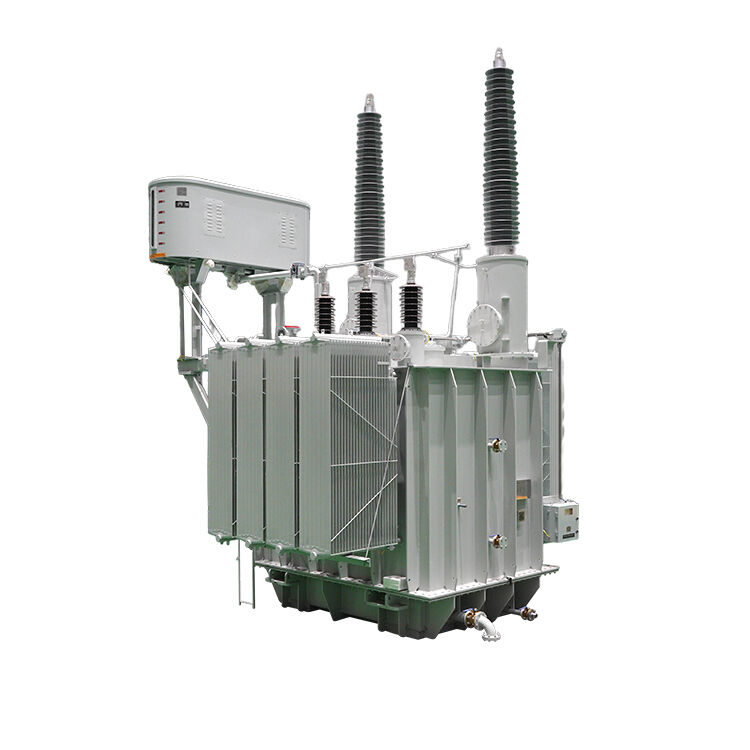
Industrial power distribution systems form the backbone of modern manufacturing, commercial facilities, and critical infrastructure operations. At the heart of these complex networks lies a fundamental component that ensures safe, efficient, and reliable power delivery: the distribution transformer. These electrical devices serve as the crucial link between high-voltage transmission lines and the lower voltage requirements of industrial equipment, making them indispensable for maintaining operational continuity across diverse industrial applications.
The significance of distribution transformer technology extends beyond simple voltage conversion. These sophisticated electrical machines represent decades of engineering innovation, incorporating advanced materials, intelligent monitoring systems, and robust construction techniques designed to withstand the demanding conditions of industrial environments. Understanding their critical role helps facility managers, electrical engineers, and industrial operators make informed decisions about power infrastructure investments that directly impact productivity, safety, and operational costs.
Fundamental Role in Voltage Conversion and Power Quality
Primary Voltage Transformation Functions
Distribution transformer units serve as the primary interface between medium-voltage distribution networks and low-voltage industrial loads. These transformers typically convert voltages from 4kV to 35kV down to utilization levels between 208V and 480V, matching the specific requirements of industrial machinery, lighting systems, and control equipment. The precision of this voltage conversion process directly affects equipment performance, energy efficiency, and operational longevity.
Modern distribution transformer designs incorporate sophisticated tap-changing mechanisms that allow for fine voltage adjustments under varying load conditions. This capability proves essential in industrial settings where power demands fluctuate throughout production cycles, ensuring consistent voltage levels that protect sensitive electronic components while maintaining optimal motor performance. The transformer's ability to maintain stable output voltage despite input variations represents a critical factor in preventing costly equipment failures and production interruptions.
Power Quality Enhancement Capabilities
Beyond basic voltage conversion, distribution transformer technology plays a vital role in improving overall power quality within industrial facilities. These transformers help filter harmonic distortions generated by variable frequency drives, power electronic equipment, and non-linear loads that have become increasingly common in modern industrial operations. The transformer's inherent inductance and properly designed winding configurations contribute to reducing harmonic content, protecting downstream equipment from potentially damaging electrical disturbances.
The isolation characteristics provided by distribution transformer installations create separate electrical environments that prevent ground faults and electrical noise from propagating throughout the facility's power network. This electrical isolation proves particularly valuable in facilities with sensitive instrumentation, computer systems, and automated control equipment that require clean, stable power for reliable operation. The grounding configurations available through different transformer connections also provide enhanced safety features and improved fault detection capabilities.
Essential Safety and Protection Features
Electrical Isolation and Fault Protection
One of the most critical safety functions performed by distribution transformer systems involves providing electrical isolation between primary and secondary circuits. This isolation prevents dangerous high voltages from reaching equipment and personnel on the load side, creating multiple layers of protection that significantly reduce the risk of electrical accidents. The physical separation between primary and secondary windings ensures that ground faults or insulation failures on one side cannot directly affect the other side of the system.
Advanced distribution transformer designs incorporate comprehensive protection systems including differential relaying, overcurrent protection, and ground fault detection. These protective features work together to quickly identify and isolate electrical faults before they can cause equipment damage or create safety hazards. The coordination between transformer protection systems and upstream protective devices ensures selective fault clearing that minimizes the scope of power outages while maintaining system stability.
Arc Flash Mitigation and Personnel Safety
Distribution transformer installations play a crucial role in arc flash hazard mitigation through proper system design and protective device coordination. The transformer's impedance characteristics help limit fault currents, while its protection systems provide fast fault clearing times that reduce incident energy levels during arc flash events. These factors contribute to creating safer working environments for maintenance personnel and operational staff who must work near electrical equipment.
Modern distribution transformer enclosures incorporate advanced ventilation systems, explosion-proof construction, and fire-resistant materials that enhance personnel safety during both normal operations and emergency conditions. The accessibility features built into these designs allow for safe maintenance procedures while maintaining appropriate clearances and barriers that protect workers from electrical hazards.
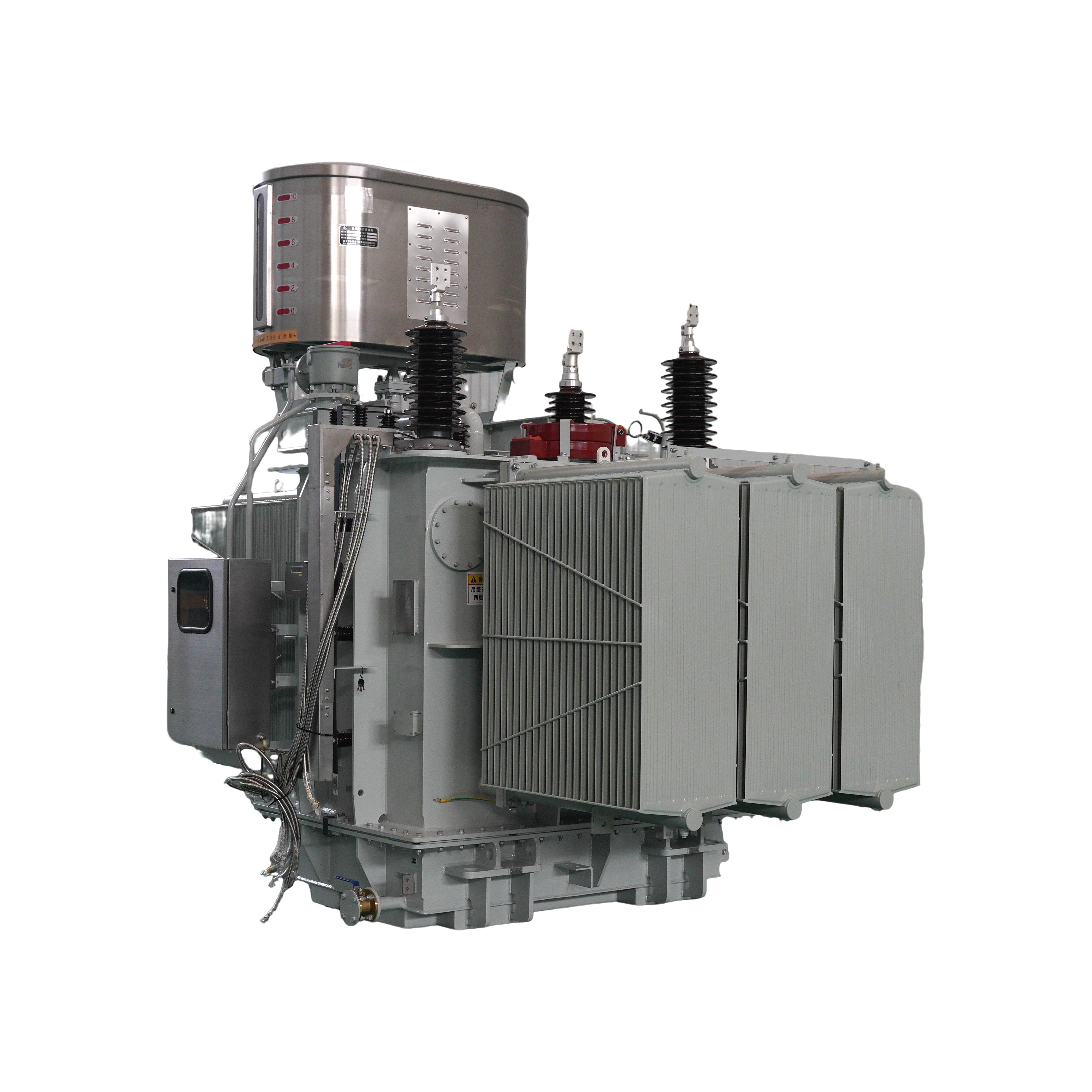
Operational Efficiency and Energy Management
Load Management and Demand Optimization
Distribution transformer systems enable sophisticated load management strategies that optimize energy consumption and reduce demand charges in industrial facilities. Through proper transformer sizing and configuration, facilities can balance loads across multiple transformers, improving overall system efficiency while providing redundancy for critical operations. The ability to parallelize multiple distribution transformer units allows for flexible capacity management that can adapt to changing production requirements.
Smart monitoring systems integrated with modern distribution transformer installations provide real-time data on loading conditions, power factor, and energy consumption patterns. This information enables facility managers to implement demand response strategies, schedule non-critical loads during off-peak periods, and identify opportunities for energy efficiency improvements. The granular visibility provided by these monitoring systems supports data-driven decisions that can significantly reduce operational costs.
Efficiency Optimization and Loss Reduction
Contemporary distribution transformer technology achieves exceptional efficiency levels through advanced core materials, optimized winding designs, and improved manufacturing processes. High-efficiency transformers can achieve energy losses as low as 1-2% of rated capacity, representing substantial cost savings over the equipment's operational lifetime. These efficiency improvements become particularly significant in industrial applications where transformers operate continuously under varying load conditions.
The thermal management capabilities of modern distribution transformer designs contribute to both efficiency and longevity. Advanced cooling systems, including forced air and oil circulation methods, maintain optimal operating temperatures that minimize resistive losses while extending insulation life. Proper thermal management also allows transformers to handle temporary overloads without compromising long-term reliability, providing operational flexibility during peak demand periods.
Integration with Modern Industrial Systems
Smart Grid Connectivity and Communication
Modern distribution transformer installations serve as intelligent nodes within smart grid networks, providing bidirectional communication capabilities that support advanced grid management functions. These transformers can report operational status, loading conditions, and power quality parameters to centralized control systems, enabling predictive maintenance strategies and optimized grid operations. The communication capabilities built into contemporary distribution transformer designs support multiple protocols including DNP3, IEC 61850, and Modbus, ensuring compatibility with existing industrial automation systems.
The integration of distribution transformer systems with building management systems and energy management platforms creates opportunities for comprehensive facility optimization. Real-time transformer data can trigger automatic load shedding, adjust HVAC systems based on electrical demand, and coordinate with renewable energy systems to optimize overall facility performance. This level of integration represents a fundamental shift toward intelligent, responsive industrial power systems.
Renewable Energy Integration Support
Distribution transformer technology plays an essential role in facilitating renewable energy integration within industrial facilities. These transformers must accommodate the variable nature of solar and wind generation while maintaining stable voltage and frequency characteristics for critical industrial loads. Specialized distribution transformer designs can handle reverse power flow from distributed generation sources while providing the necessary isolation and protection features required for safe grid interconnection.
The voltage regulation capabilities of modern distribution transformer systems prove particularly valuable when integrating renewable energy sources that exhibit significant output variations. Advanced tap-changing mechanisms and voltage regulation systems help maintain acceptable voltage levels throughout the distribution network, ensuring that renewable energy integration does not compromise power quality for sensitive industrial processes.
Maintenance and Lifecycle Considerations
Predictive Maintenance Technologies
Contemporary distribution transformer systems incorporate advanced diagnostic capabilities that enable predictive maintenance strategies, significantly reducing the risk of unexpected failures and extending equipment lifespan. Dissolved gas analysis systems continuously monitor oil-filled transformers for incipient faults, while partial discharge monitoring detects insulation degradation before it leads to catastrophic failure. These diagnostic tools provide early warning of potential problems, allowing maintenance teams to schedule repairs during planned outages rather than responding to emergency situations.
Thermal imaging systems and vibration monitoring complement chemical analysis techniques to provide comprehensive health assessment capabilities for distribution transformer installations. The combination of multiple monitoring technologies creates a detailed picture of transformer condition that supports informed maintenance decisions. This predictive approach to transformer maintenance can extend equipment life by 20-30% while reducing maintenance costs and improving system reliability.
Lifecycle Cost Optimization
The total cost of ownership for distribution transformer systems extends well beyond initial purchase price to include installation, operation, maintenance, and eventual replacement costs. High-efficiency transformer designs with longer service lives often justify higher initial investments through reduced energy costs and lower maintenance requirements over the equipment's operational lifetime. Proper transformer selection based on lifecycle cost analysis ensures optimal long-term value for industrial facilities.
Environmental considerations increasingly influence distribution transformer selection decisions, with facilities seeking equipment that minimizes environmental impact through reduced energy losses, recyclable materials, and biodegradable insulating fluids. These environmental benefits often align with economic advantages, as more sustainable transformer technologies typically offer improved efficiency and longer service lives that reduce overall lifecycle costs.
Future Developments and Technological Trends
Digital Transformation and IoT Integration
The digital transformation of industrial power systems continues to drive innovation in distribution transformer technology, with IoT sensors and edge computing capabilities becoming standard features in new installations. These digital enhancements enable real-time optimization of transformer operations, automatic adjustment of protective settings based on system conditions, and seamless integration with cloud-based analytics platforms that provide insights into system performance and optimization opportunities.
Artificial intelligence and machine learning algorithms applied to distribution transformer data are revolutionizing maintenance strategies and system optimization. These technologies can identify subtle patterns in operational data that indicate developing problems long before traditional monitoring methods would detect issues. The predictive capabilities enabled by AI-driven analytics represent the next frontier in transformer reliability and performance optimization.
Advanced Materials and Design Innovation
Ongoing research in magnetic materials, insulation systems, and conductor technologies continues to push the boundaries of distribution transformer performance. Amorphous core materials offer significant efficiency improvements over traditional silicon steel, while advanced insulation systems enable more compact designs with improved thermal performance. These material innovations are creating new possibilities for transformer applications in space-constrained industrial environments.
The development of solid-state distribution transformer technologies represents a potential paradigm shift in power distribution systems. These electronic-based transformers offer unprecedented control capabilities, bidirectional power flow, and integration opportunities with energy storage systems. While still in early development stages, solid-state transformers may eventually provide solutions for the most demanding industrial applications that require maximum flexibility and control.
FAQ
What factors should be considered when selecting a distribution transformer for industrial applications
Distribution transformer selection for industrial applications requires careful evaluation of load characteristics, voltage requirements, efficiency specifications, and environmental conditions. Key considerations include the transformer's kVA rating to handle peak loads with appropriate safety margins, voltage ratios that match facility requirements, impedance characteristics for proper protective device coordination, and efficiency ratings that minimize operational costs. Environmental factors such as ambient temperature, humidity, and contamination levels also influence transformer selection, as these conditions affect cooling requirements and insulation system choices.
How do distribution transformers contribute to power system reliability in industrial facilities
Distribution transformer systems enhance power system reliability through multiple mechanisms including electrical isolation, fault current limitation, and redundant configuration options. The isolation provided by transformers prevents faults from propagating between different voltage levels, while their impedance characteristics help limit fault currents to manageable levels. Multiple transformer configurations allow for automatic load transfer during maintenance or emergency conditions, ensuring continuous power supply to critical industrial processes. Advanced protection systems integrated with modern transformers provide fast fault detection and clearing capabilities that minimize the duration and impact of electrical disturbances.
What maintenance practices are essential for ensuring long-term distribution transformer performance
Essential maintenance practices for distribution transformer systems include regular oil analysis for liquid-filled units, thermal imaging inspections to detect hot spots, vibration analysis to identify mechanical issues, and electrical testing to verify insulation integrity. Periodic cleaning of bushings and insulators prevents contamination-related failures, while torque checks on connections ensure proper electrical contact. Modern transformers benefit from continuous monitoring systems that track key parameters including load current, oil temperature, moisture content, and dissolved gas levels. Predictive maintenance strategies based on condition monitoring data optimize maintenance schedules and extend transformer service life.
How do modern distribution transformers support energy efficiency initiatives in industrial facilities
Modern distribution transformer technology supports industrial energy efficiency through high-efficiency designs that minimize losses, smart monitoring systems that optimize loading conditions, and integration capabilities that support renewable energy systems and energy storage. High-efficiency transformers with amorphous core materials can reduce no-load losses by up to 70% compared to conventional designs, while optimized cooling systems maintain efficiency under varying load conditions. Smart monitoring capabilities enable demand response strategies and load optimization that further reduce energy consumption. The ability to integrate with distributed generation and energy storage systems allows transformers to support comprehensive facility energy management strategies that minimize overall consumption and costs.
Table of Contents
- Fundamental Role in Voltage Conversion and Power Quality
- Essential Safety and Protection Features
- Operational Efficiency and Energy Management
- Integration with Modern Industrial Systems
- Maintenance and Lifecycle Considerations
- Future Developments and Technological Trends
-
FAQ
- What factors should be considered when selecting a distribution transformer for industrial applications
- How do distribution transformers contribute to power system reliability in industrial facilities
- What maintenance practices are essential for ensuring long-term distribution transformer performance
- How do modern distribution transformers support energy efficiency initiatives in industrial facilities