 EN
EN
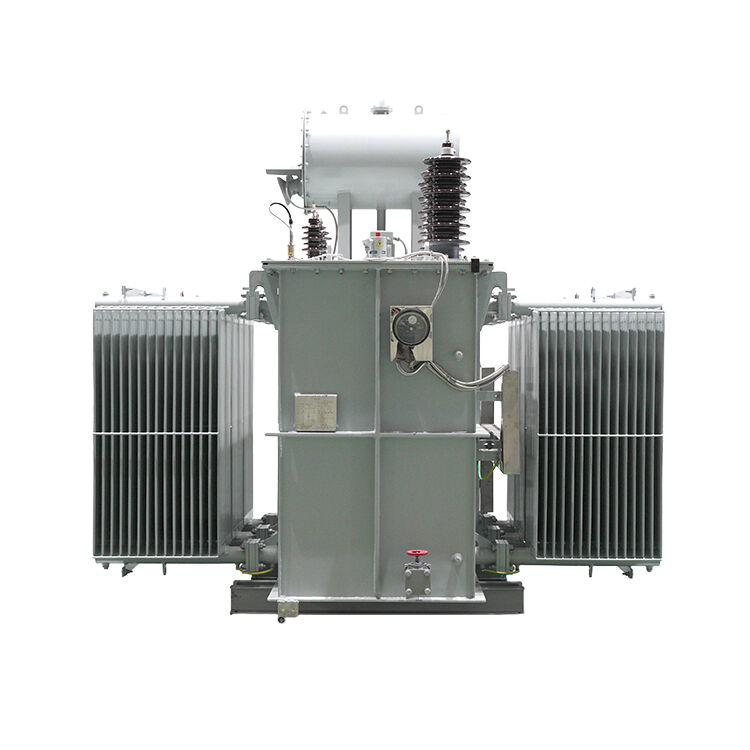
Selecting the right supplier for power infrastructure represents one of the most critical decisions utility companies face in today's rapidly evolving energy landscape. The process of choosing a power transformer supplier requires careful evaluation of multiple technical, commercial, and strategic factors that will impact grid reliability for decades to come. Modern utilities must balance immediate operational needs with long-term sustainability goals while ensuring optimal performance across diverse operating conditions. The stakes are particularly high given the substantial capital investment involved and the extended service life expected from these critical assets.
Technical Specifications and Engineering Capabilities
Design Standards and Compliance Requirements
The foundation of any power transformer procurement decision lies in verifying that potential suppliers meet rigorous industry standards and regulatory requirements. Utilities must ensure that manufacturers demonstrate compliance with IEEE, IEC, and ANSI standards while maintaining certifications from recognized testing laboratories. The complexity of modern power transformer designs demands suppliers possess advanced engineering capabilities including thermal modeling, electromagnetic field analysis, and seismic resistance calculations. Suppliers should provide comprehensive documentation proving their designs can withstand extreme operating conditions including short circuits, temperature fluctuations, and environmental stresses.
Furthermore, utilities should evaluate the supplier's ability to customize designs for specific applications and grid integration requirements. The power transformer must seamlessly integrate with existing infrastructure while accommodating future grid modernization initiatives. Suppliers with proven track records in developing specialized designs for unique voltage levels, cooling systems, and protection schemes demonstrate the technical depth necessary for successful long-term partnerships.
Testing and Quality Assurance Protocols
Comprehensive testing capabilities represent a crucial differentiator among power transformer suppliers, as these protocols directly impact equipment reliability and performance longevity. Leading suppliers maintain state-of-the-art testing facilities capable of performing routine tests, special tests, and type tests according to international standards. The testing program should encompass electrical tests including power factor, excitation current, short circuit impedance, and insulation resistance measurements. Additionally, mechanical tests verify structural integrity under transportation and installation stresses.
Quality assurance extends beyond factory testing to include materials verification, manufacturing process controls, and final inspection procedures. Suppliers should demonstrate robust quality management systems with traceability protocols for all components and materials used in power transformer construction. The ability to provide detailed test reports, certification documentation, and ongoing technical support throughout the equipment lifecycle indicates a supplier's commitment to quality excellence.
Manufacturing Excellence and Production Capacity
Facility Capabilities and Technology Integration
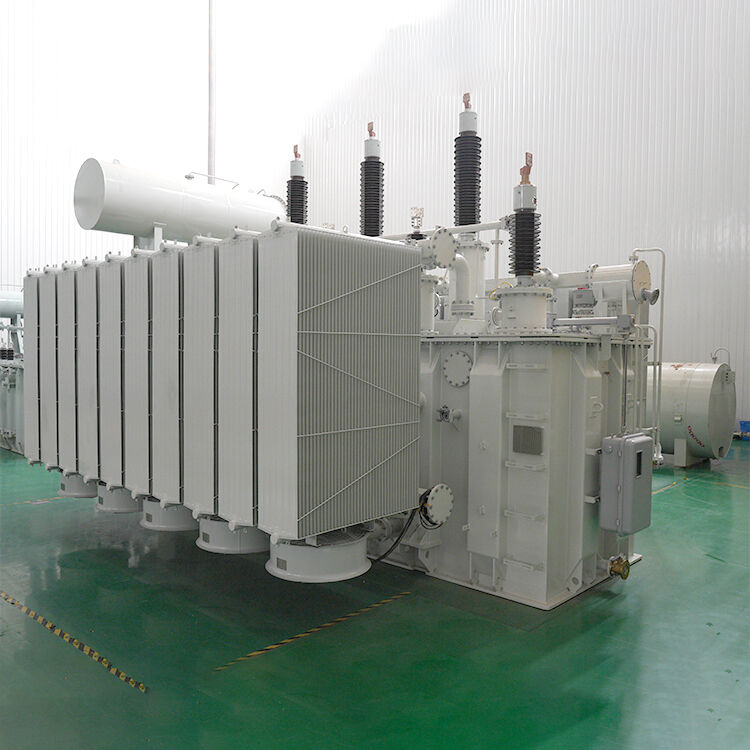
Modern power transformer manufacturing requires sophisticated facilities equipped with advanced automation systems, precision machining capabilities, and environmental control systems. Utilities should evaluate potential suppliers based on their manufacturing infrastructure including crane capacities, assembly space, and specialized equipment for handling large power transformer components. The integration of digital manufacturing technologies such as computer-aided design, automated winding systems, and real-time quality monitoring demonstrates a supplier's commitment to manufacturing excellence.
Production capacity analysis must consider both current capabilities and scalability potential to meet future demand fluctuations. Suppliers with flexible manufacturing systems can adapt to varying order sizes while maintaining consistent quality standards. The ability to manage complex project schedules while coordinating multiple power transformer units demonstrates operational maturity essential for utility partnerships.
Supply Chain Management and Material Sourcing
Effective supply chain management directly impacts power transformer delivery schedules, cost competitiveness, and long-term availability of replacement parts. Suppliers should demonstrate robust relationships with qualified material vendors including steel producers, insulation manufacturers, and specialized component suppliers. The diversification of supply sources reduces risks associated with material shortages or quality issues that could compromise power transformer performance.
Material traceability systems enable suppliers to track components throughout the manufacturing process and provide detailed documentation for regulatory compliance. Advanced suppliers maintain strategic inventory levels of critical materials while implementing just-in-time delivery systems to optimize production efficiency. The ability to source environmentally sustainable materials aligns with utility sustainability objectives while ensuring regulatory compliance.
Financial Stability and Commercial Terms
Economic Evaluation and Total Cost of Ownership
While initial purchase price represents a significant factor in power transformer supplier selection, utilities must conduct comprehensive total cost of ownership analyses to make informed decisions. This evaluation encompasses acquisition costs, installation expenses, operational efficiency impacts, maintenance requirements, and end-of-life disposal considerations. Suppliers offering superior efficiency ratings may justify higher initial costs through reduced operational expenses over the equipment's service life.
Financial stability assessment involves reviewing the supplier's credit ratings, annual financial statements, and historical performance during economic downturns. Established suppliers with strong balance sheets and diversified revenue streams demonstrate greater resilience during challenging market conditions. The ability to provide competitive financing options or flexible payment terms can significantly impact project economics and cash flow management for utility customers.
Contract Terms and Risk Allocation
Comprehensive contract negotiations must address technical specifications, delivery schedules, performance guarantees, and liability allocation for power transformer projects. Utilities should evaluate suppliers' willingness to provide meaningful warranties covering design defects, manufacturing quality, and performance parameters. The inclusion of liquidated damages clauses for delivery delays provides financial protection while incentivizing on-time completion.
Risk allocation discussions should address force majeure events, material cost escalations, and technical change requirements that may arise during project execution. Suppliers with transparent change management processes and reasonable pricing methodologies demonstrate commercial maturity beneficial for long-term partnerships. The availability of comprehensive insurance coverage protects both parties against unforeseen circumstances that could impact project completion.
Service Capabilities and Lifecycle Support
Installation and Commissioning Services
Professional installation and commissioning services ensure power transformer systems achieve optimal performance from initial energization through decades of reliable operation. Suppliers should provide experienced field service teams capable of managing complex installation procedures including foundation preparation, equipment positioning, and connection to existing infrastructure. The coordination with utility personnel and other contractors requires proven project management capabilities and excellent communication skills.
Commissioning procedures must verify that all power transformer systems operate according to design specifications while identifying any potential issues before commercial operation. Comprehensive testing protocols include electrical measurements, protection system verification, and performance validation under various loading conditions. Suppliers should provide detailed commissioning reports and operator training programs to ensure utility personnel understand proper operating procedures.
Maintenance Support and Spare Parts Availability
Long-term maintenance support represents a critical consideration given the extended service life expected from power transformer installations. Suppliers should demonstrate capabilities for providing routine maintenance services, emergency repair support, and condition monitoring programs throughout the equipment lifecycle. The availability of qualified service technicians with specialized power transformer expertise ensures rapid response capabilities during critical situations.
Spare parts availability becomes increasingly important as power transformer assets age and original components require replacement. Suppliers should maintain adequate inventory levels of critical spare parts while providing guaranteed availability commitments for essential components. The ability to manufacture custom replacement parts for aging installations demonstrates long-term commitment to customer support and asset lifecycle management.
Innovation and Future Technology Integration
Digital Monitoring and Smart Grid Compatibility
Modern utilities increasingly require power transformer systems that integrate seamlessly with smart grid technologies and digital monitoring platforms. Suppliers should demonstrate capabilities for incorporating advanced sensor systems, communication interfaces, and data analytics platforms into their power transformer designs. These features enable real-time monitoring of operating parameters, predictive maintenance capabilities, and enhanced grid visibility for utility operators.
The integration of Internet of Things technologies allows power transformer systems to communicate operational data to centralized monitoring systems while providing alerts for abnormal operating conditions. Advanced suppliers offer comprehensive digital platforms that aggregate data from multiple installations while providing analytical tools for performance optimization. The compatibility with existing utility IT infrastructure ensures smooth integration without requiring extensive system modifications.
Environmental Sustainability and Regulatory Compliance
Environmental considerations increasingly influence power transformer supplier selection as utilities strive to meet sustainability objectives and regulatory requirements. Suppliers should demonstrate commitment to environmental stewardship through the use of recyclable materials, energy-efficient manufacturing processes, and end-of-life recycling programs. The elimination of environmentally harmful substances such as PCBs and the adoption of biodegradable insulating fluids align with evolving regulatory requirements.
Life cycle assessment capabilities enable suppliers to quantify the environmental impact of their power transformer products while identifying opportunities for improvement. Carbon footprint reduction initiatives including renewable energy utilization in manufacturing facilities demonstrate alignment with utility sustainability goals. Suppliers with comprehensive environmental management systems provide transparency and accountability for their environmental performance throughout the product lifecycle.
FAQ
How long does the typical power transformer procurement process take from supplier selection to installation?
The complete procurement timeline for power transformer projects typically ranges from 18 to 36 months depending on unit size, technical complexity, and customization requirements. The initial supplier selection and contract negotiation phase generally requires 3 to 6 months, followed by engineering and manufacturing periods of 12 to 24 months. Installation and commissioning activities add another 3 to 6 months to the overall timeline, though these phases may overlap with manufacturing completion.
What are the most critical performance metrics to evaluate when comparing power transformer suppliers?
Key performance indicators for power transformer supplier evaluation include technical compliance with industry standards, manufacturing quality metrics, delivery performance history, and long-term reliability statistics. Utilities should also assess the supplier's financial stability, service capabilities, and innovation track record. Environmental compliance and sustainability metrics are becoming increasingly important factors in supplier selection decisions as utilities prioritize carbon footprint reduction and regulatory compliance.
How can utilities ensure adequate spare parts availability throughout the power transformer lifecycle?
Utilities should negotiate comprehensive spare parts agreements that guarantee availability of critical components for specified time periods, typically 25 to 40 years. These agreements should include inventory commitments, pricing mechanisms, and delivery timeframes for both routine and emergency replacement parts. Establishing relationships with multiple qualified suppliers or requiring detailed technical documentation for component manufacturing can provide additional security for long-term parts availability.
What role does cybersecurity play in modern power transformer supplier selection?
Cybersecurity considerations have become increasingly important as power transformer systems integrate digital monitoring and communication capabilities. Utilities must evaluate suppliers' cybersecurity protocols, secure development practices, and ongoing security support capabilities. This includes assessment of communication protocols, encryption methods, access control systems, and vulnerability management procedures for connected power transformer systems to ensure grid security and regulatory compliance.
Table of Contents
- Technical Specifications and Engineering Capabilities
- Manufacturing Excellence and Production Capacity
- Financial Stability and Commercial Terms
- Service Capabilities and Lifecycle Support
- Innovation and Future Technology Integration
-
FAQ
- How long does the typical power transformer procurement process take from supplier selection to installation?
- What are the most critical performance metrics to evaluate when comparing power transformer suppliers?
- How can utilities ensure adequate spare parts availability throughout the power transformer lifecycle?
- What role does cybersecurity play in modern power transformer supplier selection?