 EN


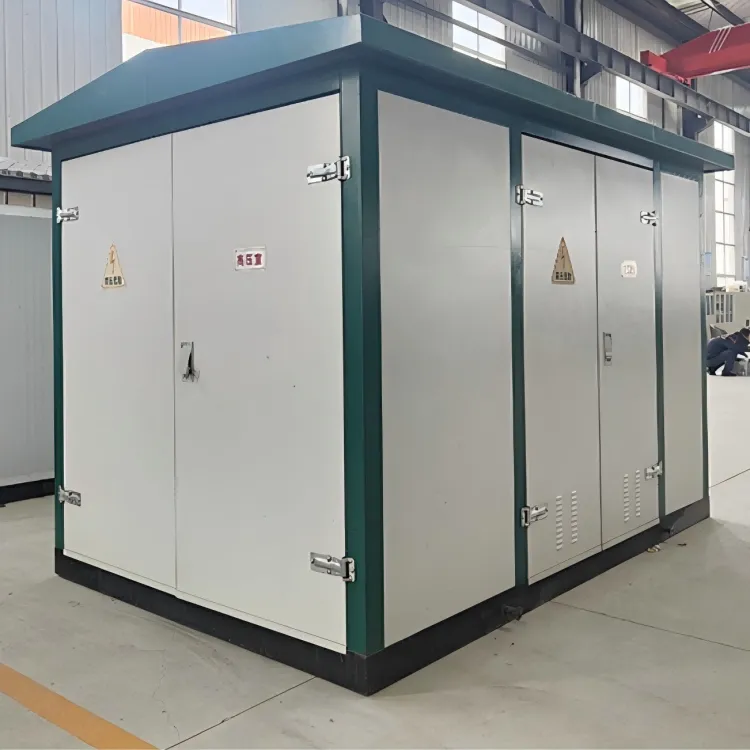
A substation serves as a critical junction in modern power distribution networks, playing an essential role in maintaining system reliability and operational stability. These facility installations function as intermediary points where electrical voltage is transformed, distributed, and monitored across regional and local networks. Understanding how a substation improves reliability reveals the fundamental mechanisms that prevent outages, reduce downtime, and ensure continuous power delivery to industries and communities.
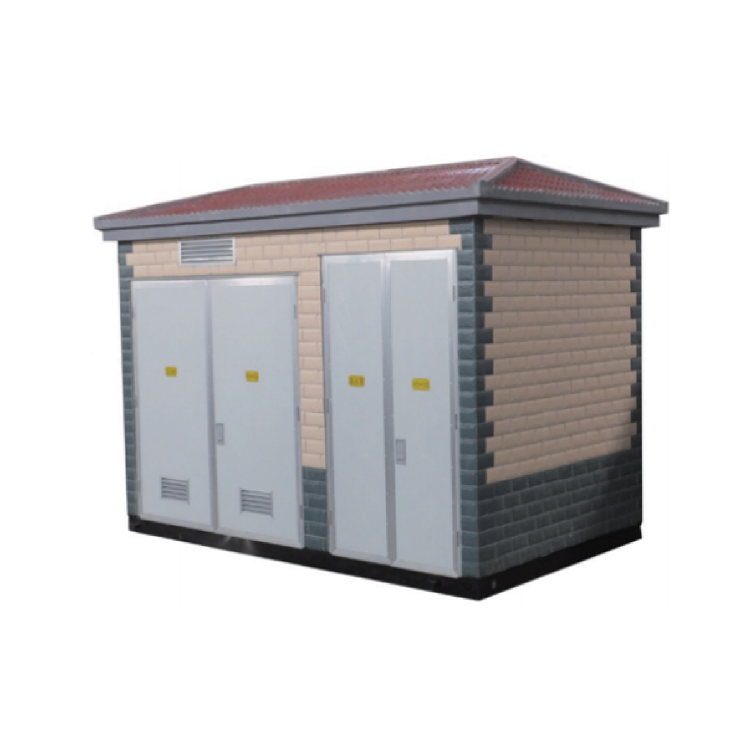
Every substation incorporates multiple layers of protective equipment, monitoring systems, and control mechanisms that work together to sustain network performance under varying demand conditions. When a substation fails or operates inefficiently, cascading effects can disrupt power delivery across entire regions. This makes substation reliability not just an operational preference but a foundational requirement for industrial productivity, grid stability, and public safety. Organizations that invest in modern substation infrastructure experience measurable improvements in system uptime and reduced energy losses.
Voltage Regulation and Load Management
Voltage Stability Through Transformation
A substation employs multiple transformers to step down high transmission voltages into lower, usable voltages suitable for distribution and consumer use. This voltage transformation process prevents equipment damage, reduces power losses, and maintains consistent energy delivery across the network. When a substation properly regulates voltage levels, downstream equipment operates within design specifications, minimizing stress and extending asset lifespan. Voltage fluctuations are one of the leading causes of equipment failure in industrial settings, making the voltage regulation capability of a substation absolutely critical to long-term reliability.
Dynamic Load Distribution
A substation continuously monitors and redistributes electrical loads across multiple distribution feeders to prevent overloads and bottlenecks. This intelligent load management capability ensures that no single circuit becomes overwhelmed during peak demand periods. By distributing electrical demand evenly, a substation reduces thermal stress on conductors and transformers, which directly extends the operational lifespan of the entire distribution network. Industrial facilities relying on consistent power supply benefit significantly from a substation's ability to balance loads dynamically.
Fault Detection and Isolation Systems
Real-Time Monitoring and Quick Response
Modern substation installations integrate advanced sensor networks and automated protection relays that detect abnormal electrical conditions within milliseconds. When a substation's monitoring systems identify a fault—such as a short circuit, ground fault, or overcurrent condition—protective devices automatically isolate the affected section while maintaining power flow to healthy circuits. This rapid fault isolation prevents cascading failures and keeps the majority of the network operational during localized disruptions. The detection speed of a modern substation far exceeds manual operator response, making automated protection systems indispensable for reliability.
Selective Protection Coordination
A substation employs coordination protocols among multiple protective devices to ensure that only the section experiencing a fault is disconnected from the network. This selective approach prevents unnecessary blackouts and maintains service continuity for unaffected areas. When protection devices in a substation are properly calibrated and tested, they work in cascade sequences where downstream protective devices trip first, followed by upstream devices only if the initial isolation fails. This hierarchical protection strategy means a substation malfunction in one location does not compromise the entire distribution network.
Redundancy and Continuous Availability
Multi-Path Routing and Backup Systems
A substation typically contains multiple supply connections, backup feeders, and switching equipment that enable alternative power routes when primary circuits experience interruptions. This redundancy ensures that if one power source fails, a substation can automatically switch to backup sources without user awareness. Industrial operations with critical processes depend on this continuous availability feature, as even brief power interruptions can trigger expensive production shutdowns or data loss. A well-designed substation incorporates multiple independent paths so that the system maintains operational continuity under almost all failure scenarios.
Maintenance and Component Upgrades
A substation's modular architecture allows technicians to perform maintenance on individual components without shutting down the entire facility. This design philosophy means that preventive maintenance work on transformers, circuit breakers, or control systems can occur during scheduled maintenance windows rather than forcing emergency outages. When a substation supports planned maintenance without network-wide impacts, utilities can proactively replace aging equipment before failures occur. This capability to segregate maintenance work is one reason why modern utilities prioritize substation investments—they enable continuous service improvement without reliability sacrifice.
FAQ
How does a substation prevent power outages?
A substation prevents outages through automated fault detection systems, protective relays, and backup switching equipment that isolate problems in small sections while maintaining power to the rest of the network. When a substation identifies a fault, it automatically disconnects only the affected circuit within milliseconds, allowing uninterrupted service to healthy areas. The combination of real-time monitoring and redundant power paths means a substation can reroute electricity around most disruptions automatically.
What role does a substation play in voltage quality?
A substation maintains voltage quality by using transformers, voltage regulators, and capacitor banks to keep electrical voltage within acceptable operating ranges throughout the distribution network. Voltage fluctuations damage sensitive equipment and reduce efficiency, so a substation's continuous voltage management is essential. By stabilizing voltage levels, a substation protects industrial equipment, reduces power losses, and ensures consistent performance across all connected systems.
Can a substation improve energy efficiency?
Yes, a substation improves efficiency by reducing transmission losses through voltage optimization and minimizing wasted energy through proper load distribution. When a substation efficiently transforms and routes electrical power, less energy is lost as heat during transmission. Modern substations with advanced control systems can reduce distribution losses by 2–5 percent, which translates to significant cost savings across large networks and demonstrates why utilities prioritize substation modernization projects.