 EN


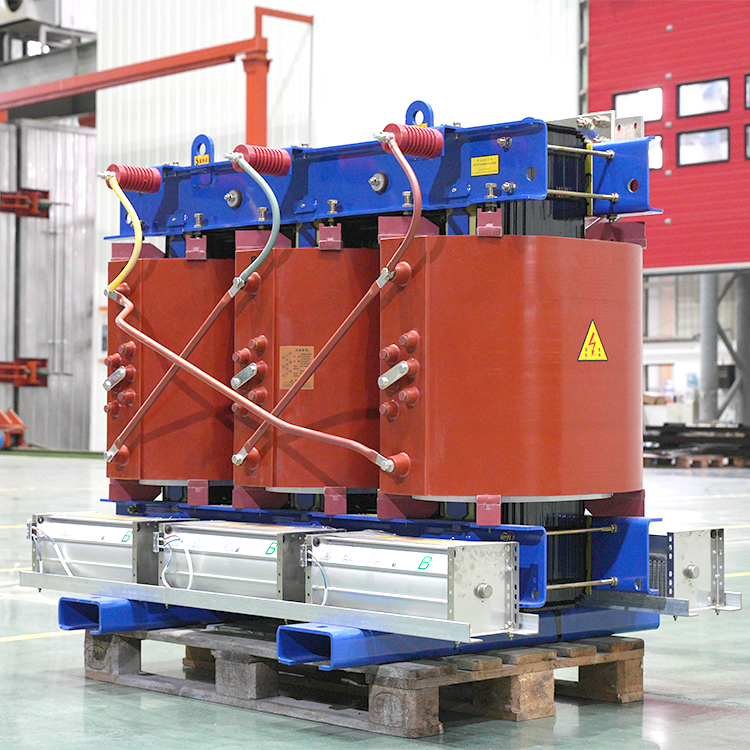
A substation is a critical component of any electrical power distribution network, serving as the operational hub where voltage levels are managed, monitored, and controlled to ensure reliable power delivery across the grid. Understanding how a substation supports voltage regulation and control is essential for industrial operations, facility managers, and energy professionals who depend on stable, efficient electrical systems. The substation acts as a stepping stone in the power transmission chain, transforming high-voltage electricity from generation and transmission lines into usable voltage levels for businesses and residences while maintaining the precise electrical parameters required for safe and efficient operation.
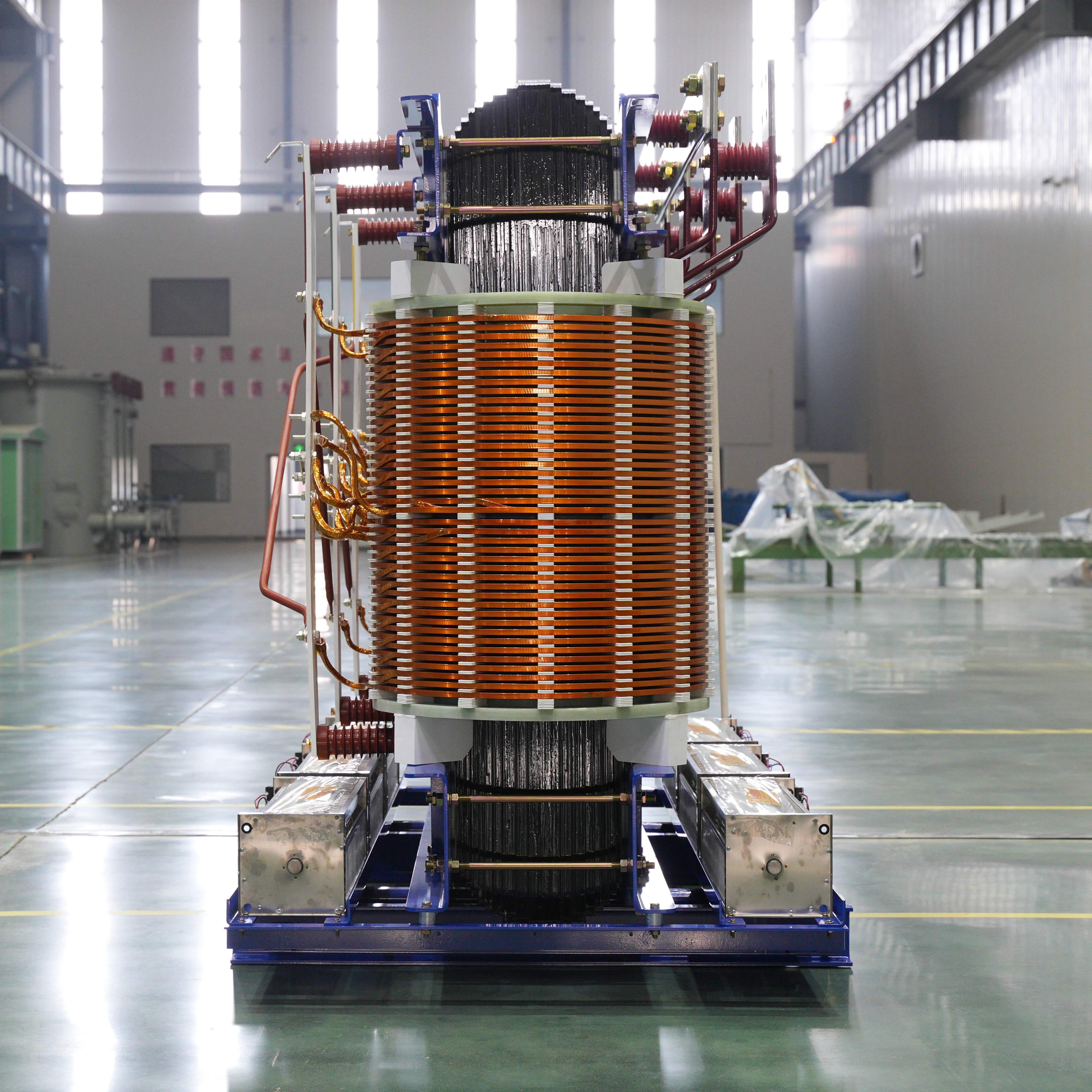
The primary function of a substation extends beyond simple voltage transformation. A substation integrates sophisticated equipment and control systems designed to regulate voltage fluctuations, balance load distribution, and respond dynamically to changing electrical demands. The substation environment combines transformers, switchgear, capacitors, regulators, and intelligent monitoring systems that work in concert to maintain voltage within acceptable operating ranges. This integrated approach ensures that the electrical supply remains stable, efficient, and responsive to real-time grid conditions.
Core Components Supporting Voltage Regulation
Transformers and Voltage Transformation
At the heart of voltage regulation, transformers within a substation step voltage up or down depending on transmission and distribution requirements. A substation transformer is engineered to handle specific voltage ratios, converting transmission voltages that may exceed 100 kilovolts into distribution voltages suitable for industrial and residential consumption. The substation design carefully specifies transformer capacity and efficiency ratings to minimize losses and prevent voltage degradation. Multiple transformers within a single substation provide redundancy and allow load sharing, ensuring that voltage regulation remains consistent even during peak demand periods or equipment maintenance.
Voltage Regulators and Load Tap Changers
Voltage regulators and load tap changers (LTCs) represent the active control mechanisms within a substation. These devices automatically adjust transformer tap positions to maintain voltage output within a narrow target range, typically within plus or minus five percent of nominal voltage. The substation relies on load tap changers to respond to varying electrical loads throughout the day, preventing voltage sag during high-demand periods and voltage rise during low-demand periods. A substation equipped with intelligent load tap changers can make hundreds of small adjustments per day, responding to minute-by-minute fluctuations in the electrical network without manual intervention.
Control Systems and Real-Time Monitoring
SCADA and Automation Technology
Modern substation installations incorporate Supervisory Control and Data Acquisition (SCADA) systems that continuously monitor voltage levels, current flows, and reactive power at multiple points throughout the facility. The substation control center processes this real-time data, allowing operators to track electrical parameters and make informed decisions about load balancing and equipment operation. Automation protocols within a substation enable remote adjustments to capacitor banks, voltage regulators, and switchgear settings without requiring on-site personnel. This technological advancement means that a substation can respond to grid disturbances within milliseconds, preventing voltage instability before it affects downstream customers.
Reactive Power Compensation
A substation manages reactive power through capacitor banks and static compensators, which improve power factor and support voltage stability. Reactive power compensation within a substation prevents voltage collapse during high-load conditions and reduces the burden on transmission lines. The substation automatically switches capacitor units online or offline based on system voltage and reactive power demand, creating a dynamic voltage support mechanism. This capability ensures that a substation maintains voltage quality even as industrial loads fluctuate or when renewable energy sources introduce variable supply patterns into the grid.
Practical Impact on System Reliability
Voltage Stability and Equipment Protection
Proper voltage regulation within a substation protects sensitive electrical equipment throughout the distribution network. Voltage deviations beyond acceptable limits can damage motors, transformers, and electronic equipment at customer facilities, leading to costly downtime and equipment replacement. A substation designed with robust voltage control mechanisms prevents these failures by maintaining voltage within manufacturer specifications. Industrial facilities particularly depend on substation voltage regulation because production equipment often operates within narrow voltage tolerances, and voltage instability can cause process interruptions or quality defects.
Economic Efficiency and Energy Loss Reduction
A substation optimizes voltage profiles across its service area to minimize transmission losses. Higher voltages in transmission lines reduce 'I-squared R' losses proportional to current flow, while distribution voltages must be appropriate for end-use equipment. The substation balances these competing requirements through intelligent voltage management, reducing energy waste and lowering operational costs. Well-maintained voltage regulation within a substation also extends equipment lifespan by preventing stress caused by voltage fluctuations, delivering long-term financial benefits to utilities and large industrial consumers.
FAQ
What happens if a substation fails to regulate voltage properly?
When a substation loses voltage regulation capability, downstream equipment experiences voltage sag or surge conditions that can cause immediate failures or reduce component lifespan. Voltage instability cascading from a faulty substation can propagate through the distribution network, affecting customers across a wide geographic area and potentially triggering protective equipment to disconnect loads unnecessarily, resulting in widespread outages.
How frequently do substation voltage regulators adjust their settings?
Modern substation voltage regulators with load tap changers can make adjustments ranging from once per day to hundreds of times per day depending on load volatility and system conditions. The substation automation system continuously monitors voltage and makes micro-adjustments to maintain stability, ensuring that voltage deviations remain minimal throughout the operating day.
Can a substation support integration of renewable energy sources?
Yes, a substation equipped with advanced voltage control and reactive power compensation systems can support renewable energy integration by managing voltage fluctuations caused by variable wind and solar generation. Modern substation technology includes fast-responding devices that accommodate rapid changes in voltage and reactive power, making the substation capable of supporting higher penetration levels of distributed renewable resources.