 EN
EN

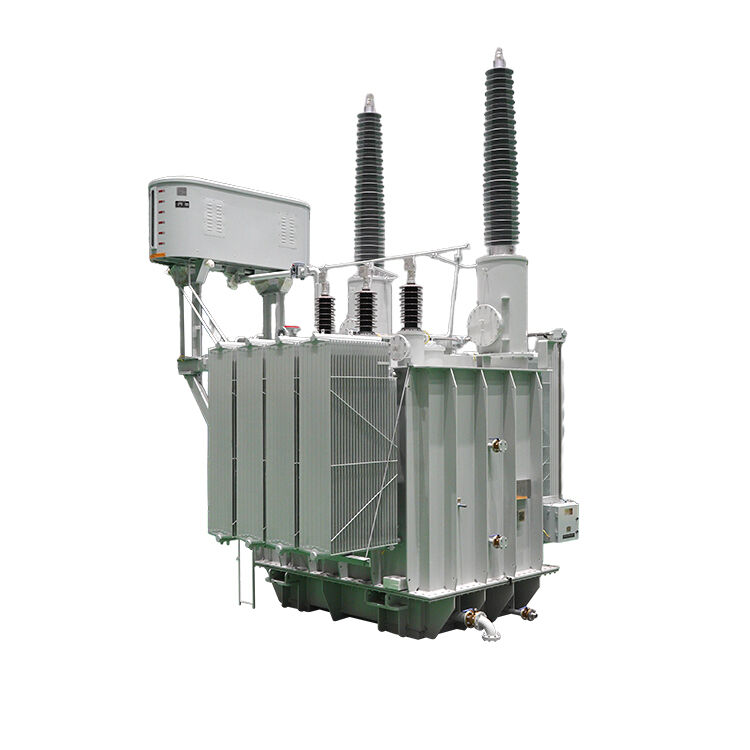
Power transmission systems rely heavily on efficient and reliable equipment to maintain stable electrical supply across vast networks. Among the most critical components in these systems are transformers, which play an essential role in voltage regulation and power distribution. An oil immersed transformer represents one of the most trusted and widely implemented designs in the electrical industry, offering superior performance characteristics through its innovative cooling and insulation mechanisms. The insulating oil within these transformers serves multiple functions that directly contribute to enhanced reliability, operational longevity, and overall system performance.
The fundamental principle behind oil immersed transformer technology centers on the strategic use of mineral oil or synthetic insulating fluids to create an optimal operating environment for electrical components. This liquid dielectric medium provides exceptional electrical insulation properties while simultaneously facilitating efficient heat transfer from internal components to external cooling systems. Modern electrical infrastructure increasingly depends on these transformers due to their proven track record of reliable operation under demanding conditions and their ability to handle substantial power loads with minimal maintenance requirements.
Essential Functions of Insulating Oil in Transformer Operations
Electrical Insulation Properties
The primary function of insulating oil in an oil immersed transformer involves providing robust electrical insulation between energized components and grounded structures. High-quality transformer oil exhibits exceptional dielectric strength, typically ranging from 30 to 70 kilovolts per 2.5 millimeter gap, which significantly exceeds the insulation capabilities of air or other gaseous mediums. This superior dielectric performance enables transformer designers to reduce physical spacing between components while maintaining safety margins, resulting in more compact and efficient designs.
The molecular structure of refined transformer oil creates an environment where electrical breakdown is highly unlikely under normal operating conditions. The oil acts as a barrier that prevents electrical arcing between windings, core structures, and tank walls, thereby protecting expensive internal components from damage. Additionally, the liquid nature of the insulating medium allows it to flow around complex geometries and fill microscopic gaps that would be impossible to address with solid insulation materials.
Heat Transfer and Cooling Mechanisms
Beyond insulation, the oil in an oil immersed transformer serves as an efficient heat transfer medium that removes thermal energy generated during normal operation. Electrical losses within transformer windings and core materials produce significant amounts of heat that must be dissipated to prevent component degradation and maintain optimal performance. The convective properties of transformer oil facilitate natural circulation patterns that transport heat from internal hot spots to external cooling surfaces.
This thermal management capability becomes particularly critical in high-power applications where substantial electrical loads generate considerable heat. The oil circulation creates convection currents that continuously move heated oil upward toward cooling radiators or heat exchangers while drawing cooler oil downward to replace it. This natural circulation process maintains relatively uniform temperature distribution throughout the transformer, preventing localized overheating that could compromise insulation integrity or reduce component lifespan.
Oil Quality Standards and Performance Characteristics
Chemical Composition and Purity Requirements
The effectiveness of an oil immersed transformer depends significantly on the quality and purity of the insulating oil used within the system. Transformer oils must meet stringent international standards such as ASTM D3487 and IEC 60296, which specify requirements for dielectric strength, moisture content, acidity levels, and chemical stability. High-grade transformer oils typically contain refined mineral oil with carefully controlled aromatic and naphthenic hydrocarbon content to optimize both electrical and thermal properties.
Moisture content represents one of the most critical quality parameters, as even small amounts of water can dramatically reduce dielectric strength and promote corrosion within transformer components. Premium transformer oils maintain moisture levels below 10 parts per million, achieved through rigorous refining processes and proper handling procedures during installation. The absence of sulfur compounds, acids, and other contaminants ensures long-term chemical stability and prevents degradation of metallic components within the transformer assembly.
Oxidation Resistance and Aging Characteristics
Long-term reliability of an oil immersed transformer requires insulating oil that resists oxidation and maintains its properties throughout decades of service. Quality transformer oils incorporate natural or synthetic antioxidants that prevent the formation of sludge, acids, and other degradation products that could compromise system performance. These additives work by interrupting oxidation chain reactions that would otherwise lead to oil deterioration and the formation of conductive particles.
The aging characteristics of transformer oil directly impact maintenance schedules and overall system reliability. Well-formulated oils can maintain acceptable performance parameters for 25 to 40 years under normal operating conditions, provided that proper monitoring and maintenance protocols are followed. Regular oil analysis programs track key indicators such as dissolved gas content, power factor, and interfacial tension to identify potential issues before they affect transformer operation.
Advanced Oil Treatment Technologies
Vacuum Processing and Degassing Systems
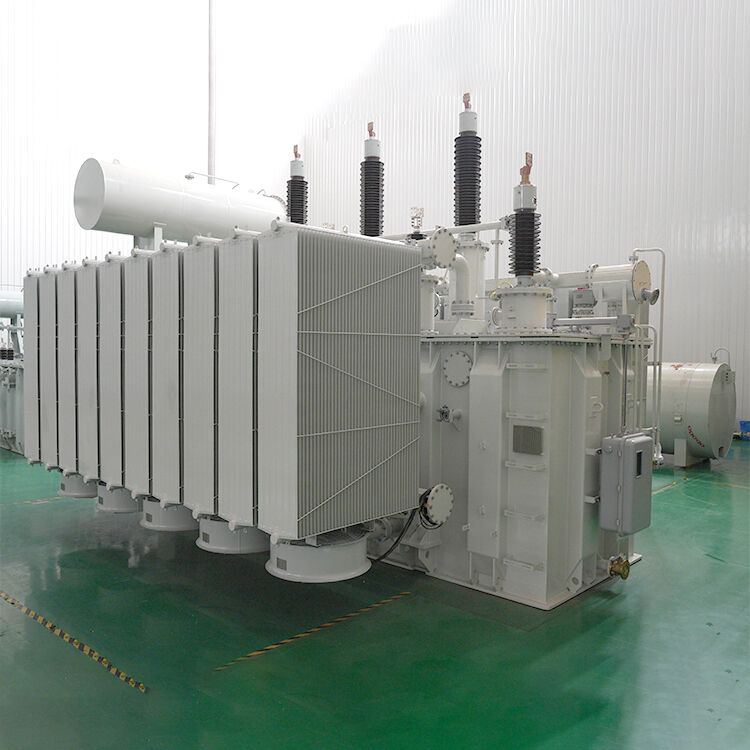
Modern oil immersed transformer installations utilize sophisticated oil processing equipment to ensure optimal oil condition from initial filling through ongoing maintenance operations. Vacuum processing systems remove dissolved gases, moisture, and particulate contaminants that could otherwise compromise electrical performance or accelerate aging processes. These systems typically operate under high vacuum conditions while heating the oil to facilitate the removal of volatile impurities.
Degassing processes prove particularly important because dissolved gases can reduce dielectric strength and contribute to partial discharge phenomena within the transformer. Advanced vacuum systems can reduce dissolved gas content to less than 0.1 percent by volume, significantly improving the electrical properties of the insulating medium. Additionally, these systems incorporate multi-stage filtration to remove solid particles down to submicron levels, ensuring maximum oil clarity and performance.
Online Monitoring and Purification Systems
Contemporary oil immersed transformer installations increasingly incorporate continuous monitoring and purification systems that maintain optimal oil condition throughout the equipment lifecycle. These systems combine real-time monitoring of key oil parameters with automated purification processes that remove contaminants as they develop. Online dissolved gas analysis provides early warning of potential internal faults, while moisture monitoring ensures that water content remains within acceptable limits.
Continuous purification systems utilize combinations of vacuum dehydration, particulate filtration, and activated clay treatment to maintain oil quality without requiring transformer shutdown. These technologies enable oil immersed transformer operators to extend maintenance intervals and improve overall system availability while reducing lifecycle costs associated with oil replacement and component repairs.
Impact on Transformer Lifespan and Performance
Insulation System Longevity
The quality and condition of insulating oil directly influence the operational lifespan of an oil immersed transformer through its effects on both liquid and solid insulation systems. High-quality oil helps preserve the integrity of paper insulation used around windings and other internal components by maintaining stable chemical conditions and preventing the formation of corrosive byproducts. This preservation effect can extend transformer life from the typical 25-30 years to 40 years or more with proper oil management.
The thermal properties of transformer oil also contribute to insulation longevity by maintaining lower operating temperatures throughout the transformer structure. Reduced thermal stress on solid insulation materials slows aging processes and maintains mechanical strength of paper and pressboard components. This thermal management becomes increasingly important in modern high-efficiency transformers that operate closer to design limits to maximize power density and minimize losses.
Operational Reliability and Fault Prevention
Proper oil management in an oil immersed transformer significantly reduces the likelihood of internal faults that could lead to costly outages or equipment damage. Clean, dry oil maintains high dielectric strength that prevents electrical breakdown under normal and emergency operating conditions. Additionally, the absence of conductive particles and moisture eliminates pathways for tracking currents that could initiate more serious fault conditions.
The arc-quenching properties of transformer oil provide additional protection during fault conditions by rapidly extinguishing electrical arcs that might develop due to insulation failure or external causes. This protective function helps contain fault energy and prevents cascading failures that could damage multiple components or propagate to other system elements. Modern oil formulations include additives that enhance arc interruption capabilities while maintaining long-term stability.
Environmental Considerations and Sustainability
Biodegradable Oil Alternatives
Environmental awareness has driven development of biodegradable insulating fluids for oil immersed transformer applications, particularly in environmentally sensitive locations. Natural ester fluids derived from vegetable oils offer comparable electrical and thermal performance to mineral oils while providing enhanced environmental compatibility. These bio-based alternatives break down naturally if released into the environment and typically exhibit superior fire safety characteristics.
Synthetic ester fluids represent another environmentally conscious option that combines the performance advantages of traditional mineral oils with improved biodegradability and reduced environmental impact. These advanced fluids often provide enhanced moisture tolerance and thermal stability compared to conventional oils, potentially extending transformer life while reducing environmental liability. However, the higher cost of alternative fluids requires careful economic analysis to justify their use in specific applications.
Oil Recycling and Waste Management
Sustainable operation of oil immersed transformer fleets requires comprehensive programs for oil recycling and waste management that minimize environmental impact while controlling operational costs. Used transformer oil can be reclaimed through re-refining processes that remove contaminants and restore the oil to near-new condition. This recycling approach reduces the need for virgin oil production while providing cost-effective maintenance solutions.
Advanced oil treatment technologies enable on-site regeneration of used transformer oil through processes such as fuller's earth treatment, vacuum distillation, and chemical purification. These techniques can restore severely deteriorated oil to acceptable service conditions, extending useful life and reducing waste generation. Proper implementation of oil recycling programs can reduce lifecycle costs while demonstrating environmental stewardship in transformer fleet management.
FAQ
What are the main benefits of using insulating oil in transformers
Insulating oil in an oil immersed transformer provides multiple critical benefits including superior electrical insulation with dielectric strength up to 70kV per 2.5mm gap, efficient heat transfer through natural convection currents, arc quenching capabilities during fault conditions, and protection of internal components from moisture and contaminants. The oil also enables more compact transformer designs by allowing reduced spacing between components while maintaining safety margins, ultimately contributing to improved reliability and extended equipment lifespan.
How often should transformer oil be tested and maintained
Oil immersed transformer oil should undergo comprehensive testing annually for routine monitoring, with key parameters such as dielectric strength, moisture content, acidity, and dissolved gas analysis checked every 12 months. More frequent testing may be required for critical applications or older equipment, while newer transformers with high-quality oil may extend testing intervals to 18-24 months. Online monitoring systems can provide continuous surveillance of oil condition, enabling condition-based maintenance approaches that optimize testing schedules based on actual oil performance rather than fixed time intervals.
What factors affect the lifespan of transformer insulating oil
The lifespan of insulating oil in an oil immersed transformer depends on several factors including operating temperature, oxygen exposure, moisture ingress, electrical stress levels, and the presence of catalytic materials such as copper. High-quality oils with effective antioxidant systems can maintain acceptable performance for 25-40 years under optimal conditions, while exposure to elevated temperatures, contamination, or oxidizing conditions can significantly reduce useful life. Proper sealing systems, conservative loading practices, and regular maintenance can maximize oil lifespan and transformer reliability.
Can different types of insulating oil be mixed in the same transformer
Mixing different types of insulating oil in an oil immersed transformer is generally not recommended without careful compatibility testing and analysis. Different oil formulations may have varying additive packages, base oil characteristics, or chemical compositions that could interact negatively when combined. Mineral oils from different suppliers might be compatible if they meet the same specifications, but mixing mineral oils with synthetic or natural ester fluids typically requires complete oil changeout rather than topping off with different fluid types. Always consult manufacturer guidelines and conduct laboratory compatibility testing before mixing oil types.