 EN
EN


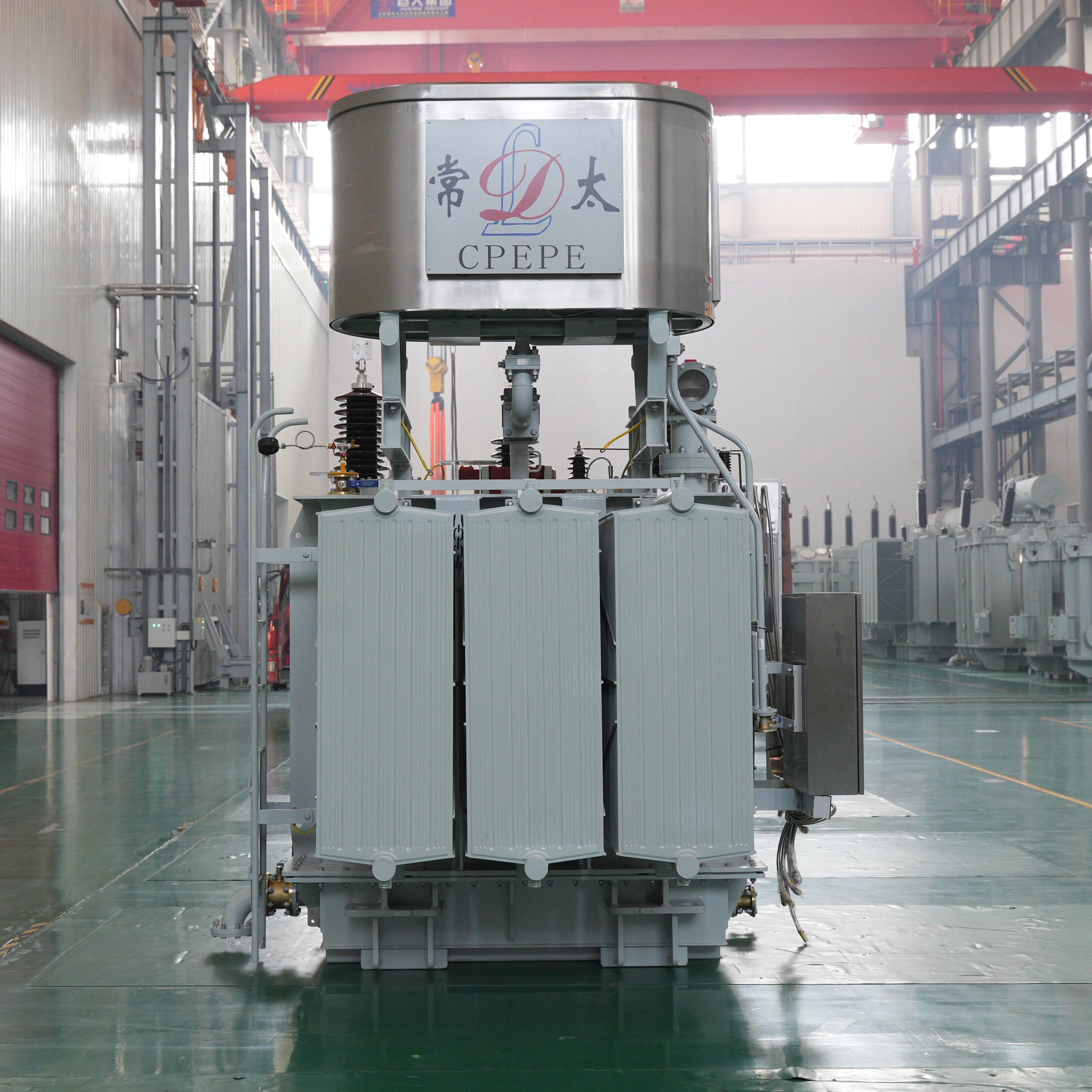
Oil immersed transformers represent one of the most critical components in industrial power distribution systems, providing exceptional safety characteristics that make them indispensable across various sectors. These robust electrical devices utilize mineral oil or synthetic fluids as both cooling medium and electrical insulation, creating a comprehensive safety framework that protects equipment, personnel, and facility operations. Understanding the safety advantages of oil immersed transformers becomes essential for engineers, facility managers, and industrial decision-makers who prioritize operational reliability and worker protection in their electrical infrastructure planning.
The industrial landscape demands electrical equipment that can withstand extreme conditions while maintaining optimal safety standards. Oil immersed transformers excel in this regard through their sophisticated design principles that integrate multiple safety mechanisms. These transformers utilize specially refined mineral oil that serves dual purposes of cooling and insulation, creating an environment where electrical faults are minimized and thermal management is optimized. The oil medium effectively dissipates heat generated during normal operations, preventing dangerous temperature buildup that could lead to equipment failure or safety hazards.
Modern industrial facilities increasingly rely on oil immersed transformers because of their proven track record in hazardous environments. The oil insulation system provides superior dielectric strength compared to air-insulated alternatives, reducing the risk of electrical breakdowns that could endanger personnel or damage connected equipment. Additionally, the sealed tank construction of oil immersed transformers prevents contamination from environmental factors such as dust, moisture, and corrosive substances, maintaining consistent performance levels throughout their operational lifespan.
Enhanced Electrical Insulation Properties
Superior Dielectric Strength Performance
The fundamental safety advantage of oil immersed transformers lies in their exceptional dielectric strength characteristics. Transformer oil possesses significantly higher breakdown voltage compared to air, typically ranging from 30 to 70 kV per 2.5mm gap under standard test conditions. This enhanced insulation capability means that oil immersed transformers can operate safely at higher voltages while maintaining substantial safety margins against electrical flashover or arc formation. The oil medium creates a stable dielectric environment that remains consistent across varying temperature ranges, ensuring reliable insulation performance during both normal operations and transient conditions.
The molecular structure of properly refined transformer oil provides uniform insulation properties throughout the tank volume. Unlike air gaps that can contain moisture or contaminants leading to reduced dielectric strength, oil immersed transformers maintain consistent insulation levels. This uniformity eliminates weak points where electrical stress could concentrate, reducing the probability of insulation failure. The oil also self-heals minor electrical stress points through its fluid nature, redistributing around potential problem areas and maintaining overall insulation integrity.
Regular oil testing and maintenance programs ensure that the dielectric properties remain within acceptable limits throughout the transformer's service life. Advanced monitoring systems can detect changes in oil quality that might affect insulation performance, allowing for preventive maintenance before safety margins are compromised. This predictive approach to insulation management represents a significant safety advantage over other transformer technologies where insulation degradation may be more difficult to detect and monitor.
Moisture and Contamination Resistance
Oil immersed transformers demonstrate superior resistance to environmental contamination that could compromise electrical safety. The sealed tank design prevents ingress of moisture, dust, salt spray, and other airborne contaminants that can significantly reduce insulation effectiveness in other transformer types. Moisture absorption represents one of the primary threats to electrical insulation systems, as even small amounts of water can dramatically reduce dielectric strength and create conditions conducive to electrical tracking and flashover.
The hygroscopic nature of transformer oil allows it to absorb and neutralize small amounts of moisture that might enter the system, preventing water accumulation at critical insulation interfaces. Advanced oil processing techniques and breather systems further enhance moisture control, maintaining oil quality within strict parameters. This contamination resistance becomes particularly important in coastal industrial facilities, chemical processing plants, and outdoor installations where environmental challenges are severe.
Contamination resistance extends beyond moisture to include resistance to industrial pollutants, chemical vapors, and particulate matter that could compromise transformer safety. The sealed environment of oil immersed transformers protects internal components from corrosive atmospheres that might degrade insulation materials or create conductive paths. This environmental isolation ensures consistent safety performance regardless of external conditions, making oil immersed transformers ideal for challenging industrial applications.
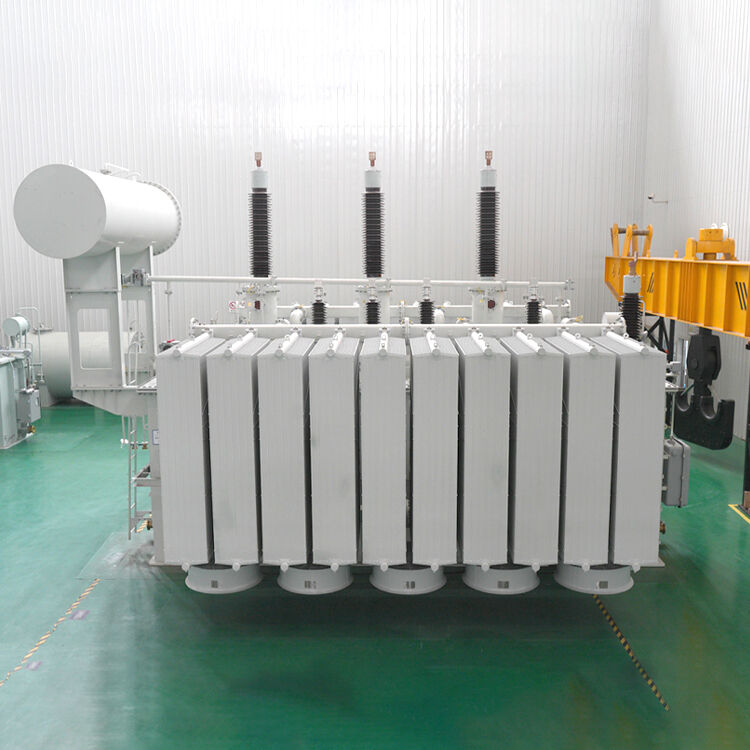
Advanced Thermal Management and Fire Safety
Efficient Heat Dissipation Mechanisms
Thermal management represents a critical safety aspect where oil immersed transformers excel through their sophisticated cooling systems. The oil circulation within the transformer tank creates natural convection currents that continuously transfer heat from the windings and core to the tank walls and cooling apparatus. This efficient heat transfer prevents dangerous hot spots that could lead to insulation degradation, fire hazards, or catastrophic failure. The thermal conductivity of transformer oil significantly exceeds that of air, enabling more effective cooling of internal components.
Advanced cooling system designs incorporate radiators, fans, and oil pumps to enhance heat dissipation capabilities. These systems maintain winding temperatures well below critical limits even under high load conditions, ensuring safe operation throughout varying demand cycles. Temperature monitoring systems provide continuous surveillance of thermal conditions, triggering alarms or protective actions before dangerous temperature levels are reached. This proactive thermal management approach prevents thermal runaway conditions that could compromise safety.
The thermal mass of the oil provides additional safety benefits by creating thermal inertia that dampens rapid temperature changes during transient loading conditions. This stabilizing effect prevents thermal stress that could damage insulation materials or create unsafe operating conditions. The oil's thermal characteristics also enable oil immersed transformers to handle overload conditions more safely than other transformer types, providing operational flexibility while maintaining safety margins.
Fire Prevention and Suppression Features
Modern oil immersed transformers incorporate multiple fire prevention and suppression features that enhance overall industrial safety. High-quality transformer oils have elevated flash points, typically exceeding 140°C, providing substantial safety margins against ignition under normal operating conditions. The sealed tank construction prevents oxygen ingress that would be necessary to sustain combustion, creating an inherently safer environment compared to air-exposed electrical components.
Pressure relief devices and rapid pressure rise relay systems provide early detection and mitigation of internal fault conditions that could lead to fire hazards. These protective systems can isolate the transformer from the electrical supply within milliseconds of detecting abnormal conditions, preventing fault energy from escalating to dangerous levels. Nitrogen blanketing systems in larger transformers further reduce fire risk by maintaining an inert atmosphere above the oil surface.
Fire suppression systems designed specifically for oil immersed transformers utilize specialized extinguishing agents that effectively suppress oil fires without causing additional hazards. Deluge spray systems, foam suppression, and inert gas flooding systems can be integrated with transformer installations to provide comprehensive fire protection. These systems are designed to activate automatically upon detection of fire conditions, providing rapid response capability that minimizes potential damage and safety risks.
Fault Detection and Protection Systems
Dissolved Gas Analysis Monitoring
Oil immersed transformers offer unique safety advantages through advanced fault detection capabilities enabled by dissolved gas analysis monitoring systems. When electrical or thermal faults occur within the transformer, they generate characteristic gases that dissolve into the oil medium. Online monitoring systems continuously sample and analyze these dissolved gases, providing early warning of developing fault conditions before they become safety hazards. This predictive capability allows maintenance teams to address problems proactively, preventing catastrophic failures that could endanger personnel or facility operations.
Different fault types produce distinct gas signatures, enabling precise identification of problem areas and appropriate response strategies. Partial discharge activity, thermal degradation, and arcing faults each generate specific gas patterns that trained personnel can interpret to assess severity and urgency. This diagnostic capability surpasses what is possible with other transformer technologies, providing unprecedented insight into internal conditions and safety status.
Advanced dissolved gas analysis systems integrate with facility management systems to provide automated fault detection and response protocols. These systems can trigger alarms, initiate protective actions, or schedule maintenance activities based on gas concentration trends and established safety thresholds. The continuous monitoring capability ensures that developing problems are identified and addressed before they compromise transformer safety or reliability.
Protective Relay Integration
Oil immersed transformers integrate seamlessly with sophisticated protective relay systems that provide comprehensive safety monitoring and automatic fault isolation. Differential protection, overcurrent protection, and specialized transformer protection functions work together to detect and clear fault conditions rapidly. The oil medium enables more accurate current transformer performance, improving the precision and reliability of protective relay systems compared to air-insulated alternatives.
Buchholz relays, specific to oil immersed transformers, provide unique fault detection capabilities by monitoring gas accumulation and oil flow within the tank. These relays can detect internal faults, oil leaks, and other abnormal conditions that might not be apparent through electrical measurements alone. The combination of electrical and mechanical fault detection provides redundant safety systems that enhance overall protection reliability.
Modern protective relay systems incorporate communication capabilities that enable coordinated protection schemes across multiple transformers and facility systems. This integration allows for optimized fault clearing strategies that minimize safety risks while maintaining power system stability. The protective systems can also provide detailed fault analysis information that supports post-incident investigation and safety improvement initiatives.
Environmental and Personnel Safety Benefits
Reduced Electromagnetic Field Exposure
Oil immersed transformers provide significant safety benefits through reduced electromagnetic field exposure for personnel working in proximity to these units. The metal tank construction acts as an effective electromagnetic shield, containing magnetic fields within the transformer enclosure and reducing ambient field levels in surrounding work areas. This shielding effect becomes particularly important in industrial facilities where workers may spend extended periods near electrical equipment, minimizing potential health concerns related to electromagnetic field exposure.
The compact design of oil immersed transformers, enabled by superior cooling and insulation properties, allows for smaller installation footprints that further reduce electromagnetic field exposure areas. The concentrated magnetic circuit design minimizes stray flux that could interfere with nearby electronic equipment or create safety concerns for personnel with medical devices such as pacemakers. This controlled electromagnetic environment enhances workplace safety and reduces potential liability concerns for industrial facility operators.
Electromagnetic compatibility benefits extend to reducing interference with sensitive industrial control systems and communication equipment. The contained electromagnetic fields of oil immersed transformers prevent disruption of nearby electronic systems, maintaining safe and reliable operation of critical facility systems. This electromagnetic discipline becomes essential in modern industrial facilities that rely heavily on electronic controls and monitoring systems for safe operations.
Noise Reduction and Acoustic Safety
The acoustic characteristics of oil immersed transformers contribute significantly to industrial safety by reducing noise levels that could mask important safety signals or create hearing hazards for personnel. The oil medium provides natural damping of core vibrations and acoustic resonances that generate noise in other transformer types. This noise reduction creates safer working environments where personnel can more easily detect equipment malfunctions, safety alarms, or verbal communications that are critical for safe operations.
Advanced tank designs incorporate vibration isolation and acoustic treatment features that further reduce noise transmission to surrounding areas. Sound-dampening materials and optimized tank geometries minimize acoustic emissions while maintaining structural integrity and cooling effectiveness. These design features enable oil immersed transformers to operate in noise-sensitive environments without compromising safety communication systems or worker comfort.
Compliance with industrial noise regulations becomes more achievable with oil immersed transformers, reducing the need for additional acoustic enclosures or sound barriers that could impede maintenance access or emergency response. The inherent quiet operation of these transformers supports safer industrial environments where audio-based safety systems can function effectively without interference from equipment noise.
Maintenance Safety and Accessibility
Predictive Maintenance Advantages
Oil immersed transformers enable safer maintenance practices through comprehensive condition monitoring capabilities that reduce the need for energized equipment work. Oil sampling and analysis provide detailed information about internal component condition without requiring transformer shutdown or physical access to energized parts. This remote assessment capability allows maintenance teams to plan interventions during scheduled outages, minimizing exposure to electrical hazards and improving overall maintenance safety.
Trending analysis of oil properties enables predictive maintenance strategies that address problems before they create safety hazards. Temperature monitoring, dissolved gas analysis, and oil quality testing provide early indication of developing issues that could lead to equipment failure or safety incidents. This proactive approach prevents emergency repairs under hazardous conditions and allows for proper safety planning and preparation for maintenance activities.
The stable operating characteristics of oil immersed transformers reduce the frequency of maintenance interventions required, minimizing personnel exposure to electrical hazards. When maintenance is required, the comprehensive monitoring data available enables targeted interventions that minimize work duration and complexity. This focused maintenance approach reduces safety risks while maintaining optimal equipment reliability and performance.
Safe Access and Containment Features
Modern oil immersed transformers incorporate design features that enhance maintenance safety through improved access and containment systems. Elevated platforms, safety railings, and designated access points provide secure working surfaces for maintenance personnel. Oil containment systems prevent environmental contamination while providing safe working areas around the transformer. These design features demonstrate the manufacturer's commitment to maintenance worker safety throughout the transformer's service life.
Lockout/tagout procedures for oil immersed transformers can be more comprehensive due to multiple isolation points including electrical disconnects, cooling system controls, and oil circulation pumps. This multiple barrier approach ensures positive isolation of energy sources during maintenance activities. The design of access points and maintenance interfaces considers safety requirements, providing secure attachment points for safety equipment and clear escape routes for emergency situations.
Emergency response procedures for oil immersed transformers benefit from standardized safety protocols and specialized training programs available throughout the industry. The widespread use and mature technology base of oil immersed transformers means that emergency response teams have extensive experience and resources available for handling incidents safely. This institutional knowledge and preparedness enhance overall safety outcomes for facilities utilizing these transformers.
FAQ
What makes oil immersed transformers safer than dry-type transformers in industrial applications
Oil immersed transformers provide superior safety in industrial applications through enhanced electrical insulation, better thermal management, and comprehensive fault detection capabilities. The oil medium offers higher dielectric strength than air, reducing flashover risks, while efficient cooling prevents dangerous overheating. Advanced monitoring systems like dissolved gas analysis enable early fault detection, and the sealed design protects against environmental contamination that could compromise safety in harsh industrial environments.
How do oil immersed transformers prevent fire hazards in industrial facilities
Oil immersed transformers incorporate multiple fire prevention features including high flash point oils, sealed tank construction that limits oxygen availability, and rapid fault detection systems. Pressure relief devices and protective relays isolate faults quickly before they escalate to fire conditions. Additionally, specialized fire suppression systems designed for oil-filled equipment provide effective protection, while the controlled environment within the tank reduces ignition sources compared to air-exposed electrical components.
What maintenance safety advantages do oil immersed transformers offer
Oil immersed transformers enable safer maintenance through comprehensive condition monitoring that reduces energized work requirements. Oil analysis provides detailed equipment status without physical access to live parts, enabling predictive maintenance during planned outages. The stable operating characteristics reduce maintenance frequency, while standardized safety procedures and widespread industry experience ensure effective emergency response capabilities when maintenance is required.
How do oil immersed transformers protect personnel from electromagnetic field exposure
The metal tank construction of oil immersed transformers acts as an electromagnetic shield, containing magnetic fields and reducing exposure levels for nearby personnel. The compact design enabled by superior cooling minimizes installation footprint and exposure areas. This electromagnetic containment also prevents interference with medical devices and sensitive electronic equipment, creating safer working environments while maintaining electromagnetic compatibility with facility systems.
Table of Contents
- Enhanced Electrical Insulation Properties
- Advanced Thermal Management and Fire Safety
- Fault Detection and Protection Systems
- Environmental and Personnel Safety Benefits
- Maintenance Safety and Accessibility
-
FAQ
- What makes oil immersed transformers safer than dry-type transformers in industrial applications
- How do oil immersed transformers prevent fire hazards in industrial facilities
- What maintenance safety advantages do oil immersed transformers offer
- How do oil immersed transformers protect personnel from electromagnetic field exposure