 EN
EN

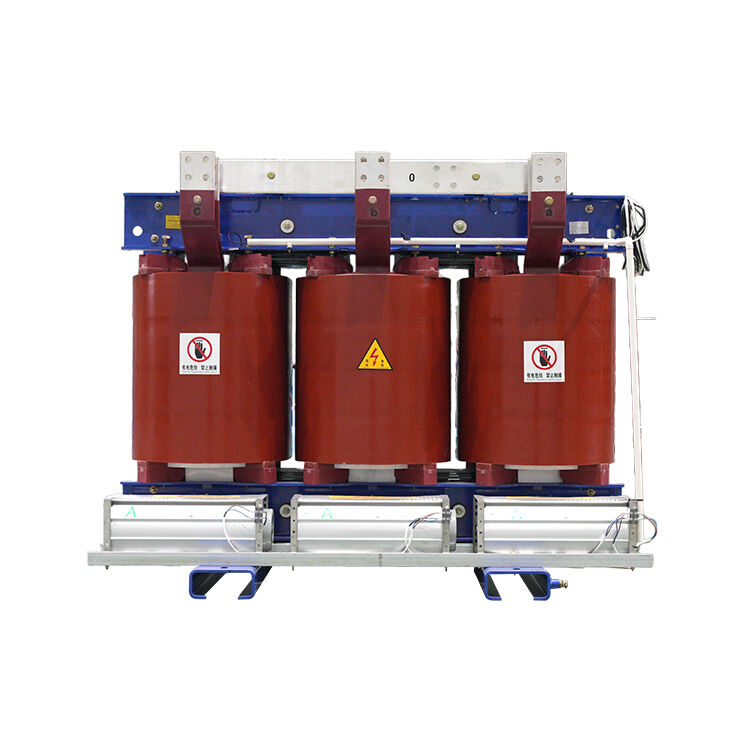
Electrical power transmission systems face significant challenges in delivering electricity efficiently across vast distances. One of the most critical components in reducing energy loss during transmission is the power transformer, which plays an essential role in maintaining grid stability and economic efficiency. These sophisticated electrical devices enable power systems to operate at optimal voltage levels, minimizing losses that would otherwise occur when electricity travels through transmission lines. Understanding how transformers achieve this loss reduction is fundamental to appreciating their importance in modern electrical infrastructure.
Fundamental Principles of Energy Loss in Transmission
Understanding Transmission Line Losses
Transmission line losses occur primarily due to the resistance inherent in conducting materials. When electrical current flows through conductors, it encounters resistance that converts electrical energy into heat, resulting in power loss. The magnitude of these losses follows the relationship P = I²R, where power loss increases with the square of the current and the resistance of the conductor. This mathematical relationship reveals why current magnitude has such a significant impact on transmission efficiency.
The resistance of transmission lines depends on several factors including conductor material, cross-sectional area, length, and temperature. Copper and aluminum conductors, while excellent electrical conductors, still possess inherent resistance that creates unavoidable losses. Additionally, environmental factors such as temperature variations affect conductor resistance, with higher temperatures generally increasing resistance values and subsequently increasing transmission losses.
Impact of Voltage Levels on Loss Reduction
Voltage level selection represents a critical factor in minimizing transmission losses. According to electrical power relationships, power equals voltage multiplied by current (P = V × I). For a given power requirement, increasing voltage allows for proportional current reduction. Since transmission losses depend on the square of current, even modest voltage increases can yield substantial loss reductions.
High voltage transmission systems typically operate at levels ranging from 69kV to 765kV, with each voltage class serving specific transmission distance and capacity requirements. Ultra-high voltage systems exceeding 800kV have emerged in recent years to support long-distance bulk power transmission with minimal losses. The selection of appropriate voltage levels requires careful consideration of equipment costs, safety requirements, and environmental factors alongside efficiency benefits.
Transformer Role in Voltage Optimization
Step-Up Transformation at Generation Sources
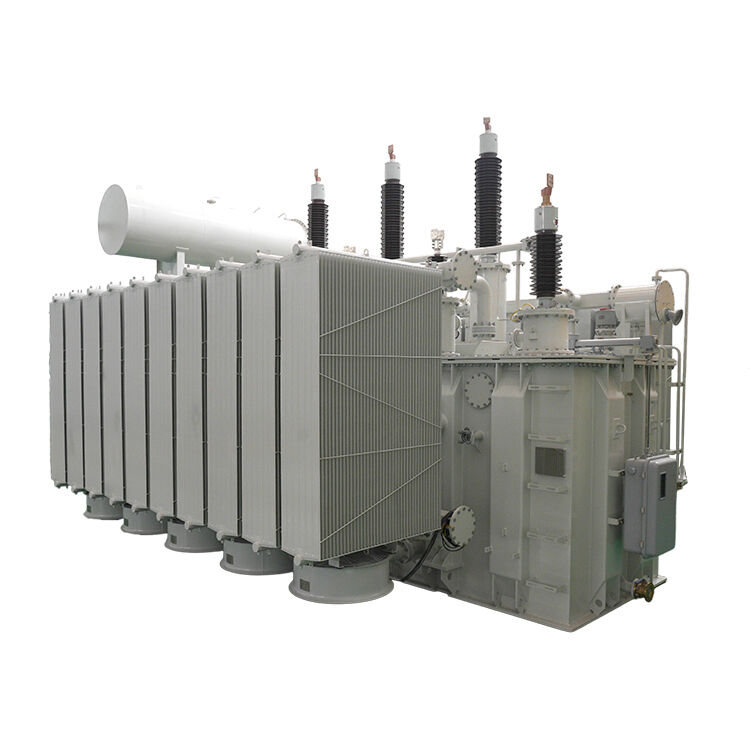
Power transformers positioned at generating stations perform crucial step-up functions that enable efficient long-distance transmission. These transformers receive electrical power at generator voltage levels, typically between 11kV and 25kV, and increase voltage to transmission levels. This voltage increase dramatically reduces current magnitude for the same power transfer, resulting in substantially lower transmission line losses.
Step-up transformers must handle the full generating capacity of power plants, requiring robust construction and sophisticated cooling systems. Modern step-up transformers incorporate advanced insulation systems, efficient core materials, and optimized winding configurations to minimize their own losses while facilitating overall system efficiency. The transformer design must account for continuous operation under varying load conditions while maintaining reliable performance over decades of service life.
Step-Down Transformation for Distribution
At the receiving end of transmission systems, step-down transformers reduce high transmission voltages to levels suitable for distribution and end-use applications. These transformers enable the high-efficiency benefits of high-voltage transmission while providing safe, practical voltage levels for consumers. The step-down process occurs in multiple stages, with transmission substations, distribution substations, and service transformers each reducing voltage to appropriate levels.
Distribution transformers represent the final stage of voltage reduction, converting medium voltage distribution levels to low voltage service levels. These transformers must balance efficiency with cost-effectiveness since they are deployed in large numbers throughout distribution systems. Modern distribution transformers achieve high efficiency through improved core steel, optimized winding designs, and reduced no-load losses.
Technical Mechanisms of Loss Reduction
Core Loss Minimization Strategies
Power transformer cores utilize specialized electrical steel with optimized magnetic properties to minimize core losses. These losses include hysteresis losses, which occur due to magnetic domain realignment during each cycle, and eddy current losses, which result from circulating currents induced in the core material. Advanced core steels feature grain-oriented silicon steel with reduced hysteresis characteristics and thin laminations to minimize eddy current formation.
Modern transformer manufacturing employs step-lap core construction techniques that reduce no-load losses by optimizing magnetic flux paths. The step-lap arrangement minimizes air gaps at corner joints, reducing magnetic reluctance and improving core efficiency. Additionally, advanced amorphous core materials offer even lower core losses compared to conventional silicon steel, though at higher initial costs that must be evaluated against long-term efficiency benefits.
Winding Design Optimization
Transformer winding design significantly impacts load losses and overall efficiency. Copper windings provide excellent conductivity with minimal resistance, while aluminum windings offer cost advantages with slightly higher resistance. Winding geometry optimization includes conductor sizing, insulation design, and cooling duct placement to minimize losses while ensuring adequate fault withstand capability.
Advanced winding techniques such as continuously transposed cable (CTC) reduce eddy current losses in high-current applications. CTC construction involves multiple parallel conductors that are continuously transposed to equalize current distribution and minimize circulating currents. This technology proves particularly beneficial in power transformer applications where load currents create significant magnetic fields that could induce losses in conventional winding designs.
System-Level Efficiency Benefits
Network Loss Reduction Through Strategic Placement
Strategic power transformer placement throughout electrical networks creates cascading efficiency benefits that extend beyond individual transformer performance. Transmission planners carefully position transformers to optimize voltage profiles and minimize cumulative system losses. This involves analyzing load flow patterns, identifying loss concentration areas, and deploying transformers to maintain optimal voltage levels throughout the network.
The economic benefits of strategic transformer placement compound over time as reduced losses translate directly to fuel savings and reduced environmental emissions. Utilities increasingly recognize that investing in high-efficiency power transformer technology generates substantial long-term returns through reduced operating costs. Modern planning tools enable sophisticated analysis of transformer placement scenarios to identify optimal configurations for loss minimization.
Load Management and Peak Efficiency
Power transformers contribute to system efficiency through load management capabilities that optimize energy delivery during peak demand periods. Transformer loading characteristics influence system losses, with optimal efficiency typically occurring at specific load levels. Understanding these characteristics enables system operators to manage load distribution among multiple transformers to minimize total losses.
Peak efficiency considerations become particularly important in networks with multiple parallel transformers serving the same load area. By coordinating transformer operation and implementing intelligent switching strategies, utilities can maintain optimal loading conditions that minimize cumulative losses. This approach requires sophisticated monitoring and control systems that continuously assess system conditions and adjust transformer configurations accordingly.
Advanced Technologies and Future Developments
Smart Grid Integration
Smart grid technologies enable enhanced power transformer performance through real-time monitoring, adaptive control, and predictive maintenance capabilities. Advanced sensors embedded within transformers provide continuous data on temperature, vibration, gas composition, and electrical parameters. This information enables precise optimization of transformer operation to minimize losses while ensuring reliable service.
Intelligent transformer monitoring systems can detect developing problems before they impact efficiency or reliability. By identifying issues such as cooling system degradation, insulation deterioration, or tap changer problems, utilities can implement corrective actions that maintain optimal transformer performance. These systems also provide valuable data for long-term asset management and replacement planning.
Emerging Materials and Design Innovations
Research into advanced materials continues to drive power transformer efficiency improvements. Superconducting transformers represent a revolutionary approach that could eliminate winding resistance entirely, though practical implementation faces challenges related to cooling requirements and cost considerations. Amorphous metal cores offer immediate benefits with substantially reduced no-load losses compared to conventional silicon steel.
Nanotechnology applications in transformer insulation systems promise improved performance and longevity. Nanocomposite insulation materials exhibit enhanced dielectric properties and thermal conductivity, enabling more compact designs with improved cooling characteristics. These innovations support the development of more efficient power transformer designs that can handle increasing power demands while minimizing losses.
Economic and Environmental Implications
Financial Benefits of Loss Reduction
The financial impact of transmission loss reduction through efficient power transformer deployment extends throughout electrical systems. Reduced losses directly translate to decreased fuel consumption at generating stations, resulting in lower operating costs and reduced environmental emissions. For utility companies, these savings accumulate continuously over the decades-long service life of transformers.
Investment in high-efficiency power transformer technology typically pays for itself through energy savings within several years of installation. The payback period depends on factors such as load levels, energy costs, and transformer utilization rates. Utilities increasingly recognize that specifying high-efficiency transformers represents sound economic strategy that provides lasting benefits to both the utility and its customers.
Environmental Impact Considerations
Environmental benefits of efficient power transformer systems extend beyond direct energy savings to include reduced greenhouse gas emissions and decreased environmental impact from power generation. Every kilowatt-hour saved through improved transmission efficiency represents avoided emissions at generating stations, contributing to broader environmental sustainability goals.
Lifecycle environmental impact assessments of power transformer technology reveal that efficiency improvements during operation typically outweigh any additional environmental costs associated with advanced materials or manufacturing processes. This perspective supports the adoption of high-efficiency transformer technologies as environmentally responsible choices that align with climate change mitigation strategies.
FAQ
What percentage of energy loss can transformers prevent in transmission lines
Power transformers can reduce transmission line losses by 85-95% compared to systems operating at generator voltage levels. By stepping up voltage for transmission and stepping down for distribution, transformers enable the use of high-voltage transmission that dramatically reduces current-dependent losses. The exact percentage depends on transmission distance, conductor sizing, and voltage levels employed.
How do modern transformer designs improve efficiency compared to older models
Modern power transformer designs achieve efficiency improvements through advanced core materials, optimized winding configurations, and improved cooling systems. Contemporary transformers typically operate at 98-99% efficiency compared to 95-97% for older designs. Key improvements include grain-oriented silicon steel cores, low-loss insulation systems, and enhanced manufacturing techniques that reduce both no-load and load losses.
What factors determine the optimal voltage level for transmission systems
Optimal transmission voltage levels depend on power requirements, transmission distance, conductor economics, and environmental constraints. Higher voltages reduce losses but increase equipment costs and require larger right-of-way clearances. Economic analysis typically reveals optimal voltage levels based on the balance between reduced losses and increased infrastructure costs for specific applications.
How do environmental conditions affect transformer performance in loss reduction
Environmental conditions significantly impact power transformer efficiency through effects on cooling performance, conductor resistance, and insulation properties. High ambient temperatures increase losses by raising conductor resistance and potentially degrading cooling effectiveness. Cold weather can improve efficiency but may affect insulation flexibility and mechanical properties. Modern transformers incorporate design features to maintain optimal performance across wide environmental ranges.
Table of Contents
- Fundamental Principles of Energy Loss in Transmission
- Transformer Role in Voltage Optimization
- Technical Mechanisms of Loss Reduction
- System-Level Efficiency Benefits
- Advanced Technologies and Future Developments
- Economic and Environmental Implications
-
FAQ
- What percentage of energy loss can transformers prevent in transmission lines
- How do modern transformer designs improve efficiency compared to older models
- What factors determine the optimal voltage level for transmission systems
- How do environmental conditions affect transformer performance in loss reduction